K. y KV identifican las entradas del catálogo Köchel de las obras de Mozart. Publicado por primera vez por Ludwig von Köchel en 1862, el catálogo se ha revisado conforme ha avanzado la investigación. Aprende cómo estos números sirven para identificar composiciones y por qué distintas ediciones pueden asignar números diferentes.
El Catálogo Köchel (Köchel-Verzeichnis) es el catálogo cronológico integral de las composiciones de Wolfgang Amadeus Mozart, compilado originalmente por el erudito austríaco Ludwig Ritter von Köchel en 1862[1]. A cada una de las obras de Mozart se le asigna un número Köchel único (abreviado K. o KV) que sirve como referencia abreviada. Estos números pretendían reflejar el orden en que Mozart compuso las piezas; por ejemplo, el Réquiem en re menor de Mozart figura como K. 626, lo que implica que fue la 626.ª composición en la secuencia cronológica[2]. Con el tiempo, el Catálogo Köchel se ha convertido en una herramienta indispensable para los estudios mozartianos y la interpretación, pues permite identificar las obras de Mozart por este número en partituras y literatura.
Los propios catálogos de Mozart y la temprana preservación de sus obras
Durante la vida de Mozart no existía un único catálogo publicado de sus obras, pero Mozart y su familia sí llevaron algunos registros. De hecho, el propio Mozart compiló un catálogo autógrafo de sus composiciones desde 1784 hasta su muerte en 1791, en el que consignaba meticulosamente cada nueva pieza con su fecha de finalización y los primeros compases (incipit)[3]. Inició este “Verzeichnüß aller meiner Werke” personal el 9 de febrero de 1784 con el Concierto para piano n.º 14 en mi♭ (K. 449), y su última anotación fue el 15 de noviembre de 1791 para la pequeña cantata masónica “Laut verkünde unsre Freude” (K. 623)[3]. Este catálogo temático manuscrito proporcionó un registro cronológico fiable de los últimos siete años de producción de Mozart. En etapas anteriores de la vida de Mozart, su padre, Leopold Mozart, también había elaborado una lista parcial de las primeras composiciones del joven prodigio[4], lo que ayudó a documentar algunas piezas de la infancia de Mozart. Muchas de esas obras juveniles (por ejemplo, los pequeños minuetos y allegros K. 1a–1f) se conservan en el libro de música de Nannerl, la hermana de Mozart, donde Leopold registró las piezas con fines didácticos[5]. Estos registros familiares fueron cruciales para los estudiosos posteriores que intentaban reconstruir la producción temprana de Mozart.
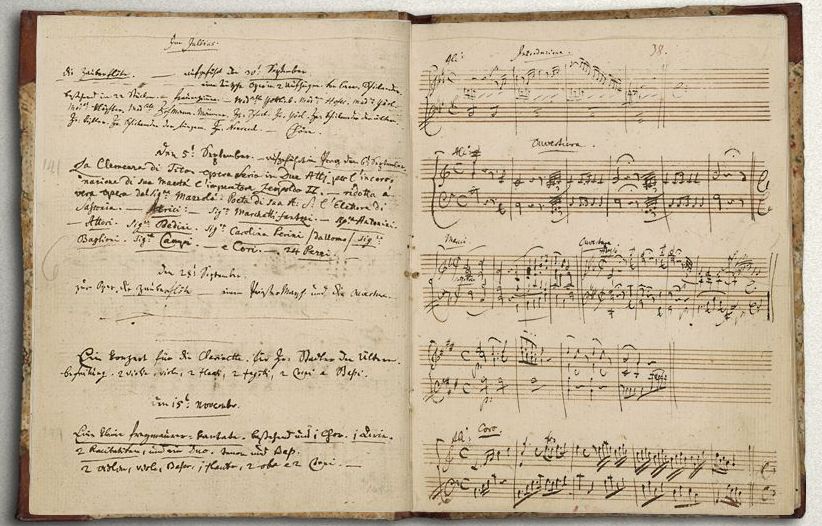
Tras la prematura muerte de Mozart en 1791, sus obras y manuscritos se preservaron y difundieron gracias a los esfuerzos de su familia y de los primeros editores. La viuda de Mozart, Constanze, trabajó para asegurar el legado de su esposo organizando publicaciones de su música y, finalmente, vendiendo una gran colección de sus manuscritos autógrafos al editor musical Johann Anton André hacia 1800[6]. Entre los materiales que Constanze vendió estaba el propio catálogo manuscrito de Mozart. André, con la ayuda del músico bávaro Franz Gleißner, utilizó las notas de Mozart como base para un catálogo temático publicado en 1805, que reproducía el formato de Mozart de listar cada obra con su fecha y su incipit[7]. Esta publicación de 1805 abarcó los años 1784–1791 (el periodo del catálogo personal de Mozart) y fue uno de los primeros catálogos impresos de las obras de un compositor. Más tarde, André intentó ampliar el catálogo para incluir también las composiciones tempranas de Mozart. En 1833, André y Gleißner publicaron un catálogo más completo que abarcaba las obras de Mozart desde 1764 hasta 1791[8]. Pese a estos esfuerzos, la catalogación de toda la producción de Mozart seguía siendo incompleta y algo fragmentaria. Existían distintas listas, pero aún no había un único, definitivo, catálogo exhaustivo que cubriera todas las obras conocidas de Mozart. Esto preparó el terreno para la intervención de Ludwig von Köchel a mediados de siglo, con el fin de crear un catálogo autorizado y sistemático de la música de Mozart.
Ludwig von Köchel y el primer catálogo integral (1862)
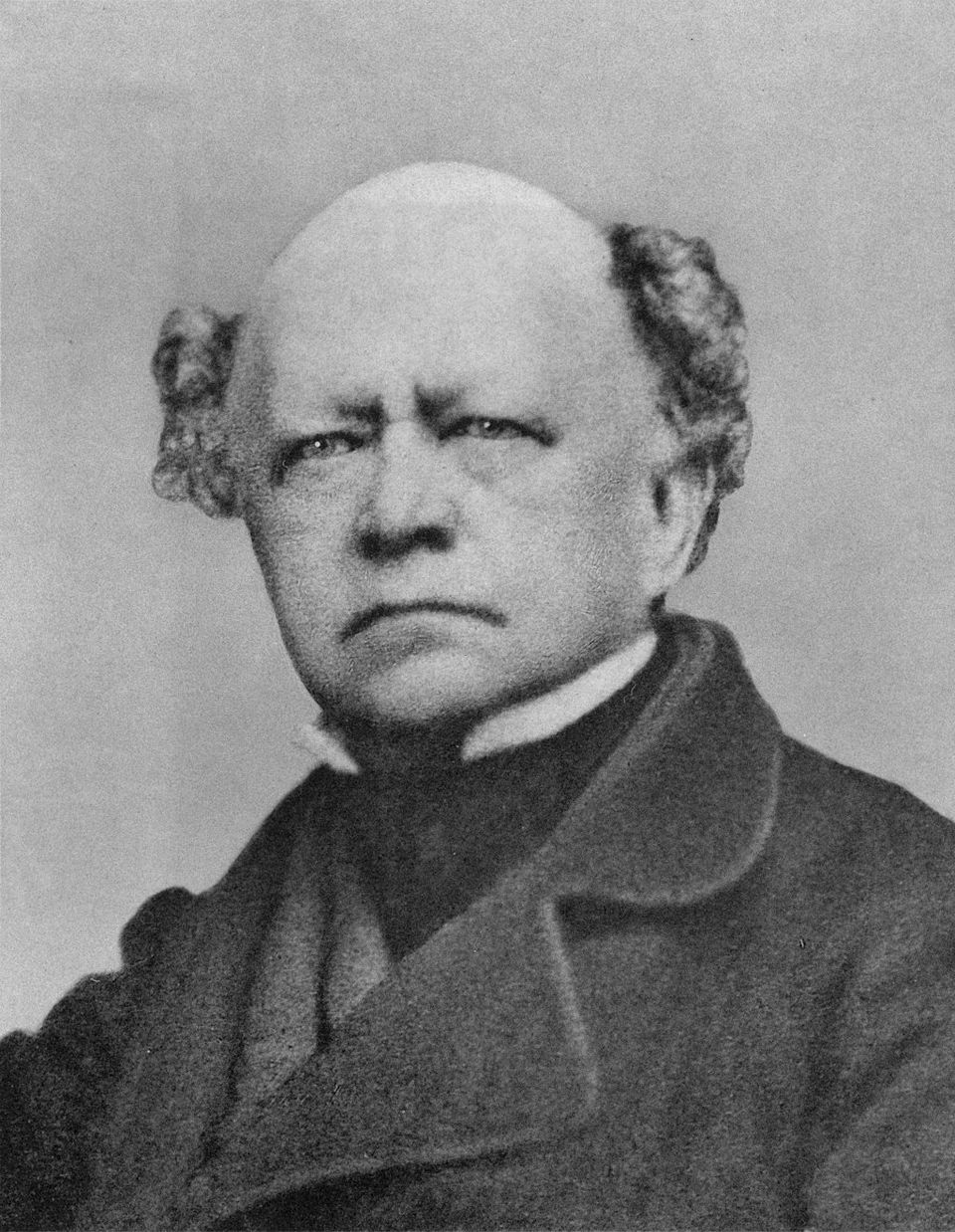
Hacia mediados del siglo XIX, la reputación de Mozart y el interés musicológico por su obra habían crecido hasta el punto de requerir un catálogo completo y académico. Ludwig von Köchel (1800–1877) – un erudito austríaco de amplios intereses (formado en Derecho, fue tutor de niños de la aristocracia y se dedicó a la botánica y la mineralogía además de la música) – asumió este proyecto monumental[9]. Gracias a una pensión que le permitió trabajar de forma independiente, Köchel se dedicó a investigar y organizar todo el corpus de Mozart. En 1862, tras años de preparación, publicó la primera edición del Catálogo Köchel, titulada "Chronologisch-thematisches Verzeichniss sämmtlicher Tonwerke W. A. Mozart’s" (“Catálogo cronológico-temático de la obra musical completa de W. A. Mozart”)[8]. Este volumen de 551 páginas, publicado por la editorial Breitkopf & Härtel, fue un hito en la investigación musical: el primer catálogo temático académico de la obra completa de un gran compositor[10]. El catálogo de Köchel incluyó 626 obras de Mozart en orden aproximadamente cronológico, comenzando por las piezas de la infancia del compositor y terminando con K. 626, el inacabado Réquiem del último año de la vida de Mozart[11].
A Köchel lo impulsaba el deseo de rastrear la evolución de Mozart, de niño prodigio a maestro maduro a través de sus obras[10]. Para lograrlo, Köchel intentó ordenar todas las composiciones según el momento en que fueron escritas. Esto fue un reto: en los primeros años de Mozart, las fechas precisas a menudo no estaban disponibles o eran inciertas. Muchas composiciones anteriores a 1784 solo podían fecharse de manera aproximada, ya que Mozart no llevó un registro de obras en esos años y hubo que basarse en documentos fragmentarios (incluso la lista temprana de Leopold era incompleta)[12]. Köchel hizo cuanto pudo con la información disponible, utilizando indicios estilísticos y cualquier documento accesible para estimar las fechas de las obras juveniles y tempranas. A partir de 1784, las anotaciones del propio Mozart en su catálogo personal proporcionaron fechas precisas, lo que facilitó enormemente a Köchel la ubicación cronológica de las obras posteriores[12].
Además del orden cronológico, el catálogo de 1862 de Köchel era un catálogo temático, es decir, incluía el incipit musical – los compases iniciales – de cada composición[13]. Imprimir los primeros compases de cada pieza hacía inequívoca su identificación, una característica inestimable para estudiosos e intérpretes en una era anterior a las grabaciones. El catálogo de Köchel también estaba meticulosamente organizado respecto de las obras de autenticidad dudosa o de carácter fragmentario. Separó la secuencia principal numerada de 626 obras auténticas de varios apéndices (alemán: Anhänge) que reunían piezas que no formaban parte de la lista principal. En la primera edición, Köchel creó cinco apéndices (Anh. I–V) con las siguientes categorías:
Anexo I – Obras auténticas perdidas (piezas que Mozart escribió y de las que hay constancia, pero cuya música no se conserva)[15]
Anexo II – Fragmentos de Mozart (piezas inacabadas o fragmentos conservados)[16]
Anexo III – Obras de Mozart transcritas por otros (por ejemplo, arreglos de composiciones de Mozart realizados por contemporáneos)[16]
Anexo IV – Obras dudosas (piezas atribuidas a Mozart pero de autenticidad incierta)[17]
Anexo V – Obras mal atribuidas (obras en su día adjudicadas a Mozart que luego se demostró que eran de otros compositores)[18]
Al delimitar estas categorías, Köchel reconoció las limitaciones del material de fuentes y la presencia de atribuciones espurias, lo que constituía un enfoque académico prudente. El catálogo resultante ofrecía, por primera vez, una visión completa de la obra de Mozart tal como se entendía en 1862, y los números «K.» de este catálogo se convirtieron rápidamente en la forma estándar de referirse a las composiciones de Mozart.
Desafíos a los que se enfrentó Köchel: Compilar este catálogo en el siglo XIX no fue tarea menor. Köchel tuvo que reunir manuscritos e información dispersos por toda Europa – las obras de Mozart se encontraban en diversas colecciones privadas, archivos de editoriales (como la colección de André) y fondos familiares. Se carteó con bibliotecas y coleccionistas para acceder a numerosas partituras autógrafas de Mozart. La datación de las obras fue un gran desafío, como se ha señalado, especialmente en las tempranas, donde a menudo tuvo que basarse en conjeturas fundamentadas. Otro desafío era la falta de flexibilidad de un sistema de numeración estrictamente secuencial – Köchel numeró las obras del 1 al 626 sin dejar huecos. No podía prever que muchas nuevas obras de Mozart o fragmentos musicales saldrían a la luz en décadas posteriores. Esto significaba que su catálogo original no tenía una forma sencilla de incorporar las piezas recién descubiertas en el lugar cronológico adecuado. (Más tarde, los estudiosos verían que debían añadir letras o suplementos a los números de Köchel cuando aparecían obras adicionales, un problema que fue creciendo con el tiempo, como veremos). A pesar de estas dificultades, el catálogo de Köchel fue extraordinariamente minucioso para su época y sentó un modelo de cómo catalogar de manera sistemática la obra completa de un compositor[10]. Se convirtió en la base de todas las investigaciones y ediciones posteriores sobre Mozart, y su influencia fue tal que más tarde se crearon catálogos temáticos similares para otros compositores tomando el trabajo de Köchel como modelo.
Revisiones y actualizaciones del catálogo de Köchel
Los estudios mozartianos no se detuvieron después de 1862. En las décadas que siguieron al trabajo pionero de Köchel, los musicólogos siguieron descubriendo nueva información sobre las composiciones de Mozart – incluidos trabajos hallados recientemente, fechas de composición más precisas y correcciones de atribuciones erróneas. Como resultado, el catálogo de Köchel necesitó revisarse periódicamente para reflejar estos avances. La numeración y la cronología originales de Köchel experimentaron varias revisiones de calado durante los siglos XIX y XX. Las ediciones actualizadas más importantes del catálogo de Köchel se resumen a continuación:
- 1905 (2.ª edición) – Editada por Paul von Waldersee. Fue una revisión limitada del catálogo de Köchel que principalmente añadió piezas recién descubiertas que habían salido a la luz desde 1862[19]. Waldersee incorporó estas adiciones, sobre todo ampliando los anexos, y dejó en gran medida intacta la numeración principal del catálogo de Köchel.
- 1937 (3.ª edición) – Editada por Alfred Einstein (un reconocido musicólogo, que no debe confundirse con el físico Albert Einstein). Fue una profunda renovación del catálogo. Einstein se basó en abundantes nuevas investigaciones – incluidos los análisis de Théodore de Wyzewa y Georges de Saint-Foix – para redatar muchas obras y reordenar el catálogo en una secuencia cronológica más precisa[20][21]. Dado que la secuencia original de Köchel no tenía huecos para insertar obras, Einstein introdujo un sistema de sufijos con letras para intercalar composiciones recién reconocidas entre números K existentes. Por ejemplo, si se determinaba que una pieza había sido compuesta entre las obras K. 100 y K. 101, podía etiquetarse como K. 100a en el sistema de Einstein. En la edición de 1937, Einstein también ascendió algunas piezas de los anexos a la lista principal numerada (asignándoles números como 196e, 167a, etc.) basándose en nuevas pruebas de autenticidad o en una datación revisada[22]. Esta 3.ª edición mejoró enormemente la precisión cronológica del catálogo, pero el reordenamiento y las entradas con letras introdujeron un nuevo nivel de complejidad al cruzarlas con los números originales de Köchel.
- 1964 (6.ª edición) – Editada por Franz Giegling, Gerd Sievers, y Alexander Weinmann. Esta edición, publicada en 1964, actualizó aún más el catálogo de Mozart a la luz de los estudios de mediados del siglo XX[20]. Los editores de K⁶ realizaron correcciones adicionales a la cronología e incorporaron numerosas piezas que habían sido descubiertas o reevaluadas desde la década de 1930. También reestructuraron los anexos de Köchel, creando un nuevo esquema organizativo para fragmentos, obras dudosas, etc., con el fin de racionalizar el catálogo[23]. Por ejemplo, algunas entradas con sufijo de letra de Einstein volvieron a los anexos o fueron renumeradas según nuevas evidencias. Para la década de 1960, la investigación sobre Mozart había avanzado lo suficiente como para aclarar la autoría de muchas obras: algunas piezas antes consideradas “dudosas” se confirmaron como genuinamente de Mozart, mientras que otras se identificaron como composiciones de su padre, Leopold, o de contemporáneos. El catálogo de 1964 (K⁶) reflejó estas aclaraciones reasignando las obras a la categoría correspondiente (auténticas, dudosas, espurias)[24]. La sexta edición se convirtió en una referencia estándar para finales del siglo XX; muchas grabaciones y publicaciones de esa época citan los números de K⁶ cuando difieren de los originales de Köchel.
(NOTA: Otras ediciones no listadas arriba incluyen la 2.ª edición de 1905 (Waldersee, como se indicó), una 4.ª edición en 1958 que fue esencialmente una reimpresión sin cambios de la versión de Einstein, una 5.ª edición en 1961 (actualizaciones menores), y una 7.ª edición en 1965 que fue una reimpresión de la 6.ª. También hubo una 8.ª edición (1983), pero no modificó sustancialmente el contenido de K⁶[25][26]. Históricamente, las revisiones más citadas e influyentes han sido la 3.ª y la 6.ª, hasta la aparición de la nueva 9.ª edición descrita más abajo.)*
Cada revisión del catálogo Köchel demostró el progreso de los estudios mozartianos. Los investigadores sacaron a la luz nuevos manuscritos en bibliotecas y archivos, identificaron obras antes desconocidas y corrigieron errores de datación. Sin embargo, un efecto secundario de estas sucesivas revisiones fue un sistema de números Köchel cada vez más complicado. La misma pieza de Mozart podía referirse con diferentes números K en distintas ediciones (por ejemplo, una obra podía ser K 47 en la primera edición pero K 47d en la tercera edición, y luego volver a reasignarse en la sexta edición)[27]. Los especialistas y los músicos a menudo tenían que lidiar con múltiples designaciones K: una solución habitual era citar el número Köchel original seguido del número nuevo entre paréntesis o en superíndice — p. ej. K. 49 (47d) o K⁶ 47d — para indicar el número en la primera edición de Köchel frente a la sexta edición[27]. Este sistema de referencias cruzadas, aunque necesario, era engorroso. A finales del siglo XX, había un consenso general de que cualquier nueva revisión debía aspirar a simplificar la numeración en lugar de complicarla. Este sentimiento preparó el terreno para la actualización más reciente del catálogo Köchel en el siglo XXI.
La novena edición (K⁹, 2024) – una revisión moderna y nuevos descubrimientos
La edición más reciente del catálogo Köchel se presentó en 2024, marcando la primera gran actualización en seis décadas. Esta novena edición (K⁹) fue un proyecto integral dirigido por el musicólogo estadounidense especialista en Mozart Neal Zaslaw (profesor en la Universidad de Cornell), en colaboración con el departamento de investigación de la Fundación Internacional Mozarteum, en Salzburgo, dirigido por el Dr. Ulrich Leisinger[28]. El catálogo Köchel de 2024 no es solo un retoque menor, sino una reconsideración fundamental de cómo se organizan las obras de Mozart, que incorpora una gran cantidad de investigaciones nuevas. De manera significativa, K⁹ abandonó el intento de mantener todas las obras en un orden estrictamente cronológico — un enfoque que había provocado la maraña de cambios de numeración y sufijos en ediciones anteriores[29]. En su lugar, la nueva edición vuelve a la numeración original de Köchel para todas las obras que habían aparecido en ediciones anteriores, eligiendo el número más temprano que se le haya asignado a una obra en cualquier catálogo Köchel[30]. Esto significa que las piezas más conocidas recuperan sus números familiares de la primera edición de Köchel (o de la edición más temprana en la que fueron incluidas), evitando la necesidad de múltiples designaciones. Por ejemplo, una composición que Einstein había renumerado con una letra ahora simplemente vuelve a aparecer bajo su número antiguo. Con ello, los editores aspiraban a simplificar el sistema de referencia y respetar el marco original de Köchel, sin dejar de tener en cuenta los conocimientos actuales.
Al mismo tiempo, la novena edición tuvo que incorporar todas las obras adicionales que la investigación mozartiana ha identificado desde la década de 1960. De forma asombrosa, 95 composiciones que no habían recibido número en ediciones anteriores de Köchel se han incorporado ahora al catálogo principal[31]. Entre ellas hay piezas que antes se habían dejado en los apéndices o eran completamente desconocidas hasta investigaciones recientes. Las nuevas entradas han recibido los números Köchel K. 627 through K. 721, retomando donde se detuvo la secuencia original (que terminaba en 626)[31]. En otras palabras, el corpus catalogado de Mozart llega ahora hasta el K. 721 en la edición de 2024, aunque conviene señalar que no todos estos números más altos representan obras nuevas de gran escala: algunos son composiciones más breves, fragmentos que ahora reciben ficha completa o versiones alternativas que se han reconocido como entradas distintas. Cabe destacar que varias descubrimientos recientes se hicieron durante la preparación de K⁹. Por ejemplo, el primerísimo intento de Mozart de un movimiento de concierto para piano, fechado en su infancia, se encontró conservado de forma anónima en el cuaderno de su hermana (Nannerl’s Notenbuch) y ahora ha sido identificado y catalogado como K. 636[32]. Además, una serenata en do mayor hasta ahora desconocida para dos violines y bajo — esencialmente un pequeño trío de cuerdas, probablemente escrito para el cumpleaños de Nannerl cuando Mozart tenía unos 12 años — fue descubierta e interpretada por primera vez en la presentación del catálogo; esta encantadora obra se ha añadido como K. 648[33]. Estos son solo dos ejemplos entre las 95 nuevas entradas. Según los informes sobre el catálogo de 2024, las nuevas incorporaciones incluyen una pieza de cámara de 12 minutos (trío de cuerdas) y varias piezas breves para piano que Mozart compuso de niño para su hermana[34] — tesoros musicales que nunca antes habían formado parte del canon oficial de Mozart.
La novena edición, publicada en una voluminosa obra de dos tomos de casi 1.400 páginas, condensa casi dos décadas de trabajo de Zaslaw y su equipo[35]. Además de restaurar el esquema simple de numeración, integra los hallazgos musicológicos más recientes sobre Mozart. Toda la información disponible sobre fuentes, cronología y autenticidad ha sido reevaluada. Los editores han elaborado un índice temático detallado para cada obra y han proporcionado atribuciones actualizadas. También han revisado a fondo los apéndices: los diversos fragmentos inacabados de Mozart, bocetos, piezas didácticas, así como sus arreglos de música de otros compositores y sus cadencias para conciertos, se presentan de forma sistemática en apéndices reorganizados[36]. En K⁹, las atribuciones dudosas han sido revisadas con rigor, y muchas piezas cuya autenticidad había estado en entredicho han sido atribuidas con firmeza a Mozart o excluidas como obras de otros, según el consenso académico más reciente[37]. El nuevo catálogo ofrece, por tanto, tanto una estrategia clara de nueva numeración como la información más autorizada hasta la fecha sobre cada composición.
Otro aspecto innovador del catálogo Köchel de 2024 es su componente digital. Junto al libro impreso, la Fundación Internacional Mozarteum lanzó “Köchel digital,” una base de datos en línea de las obras de Mozart vinculada al nuevo catálogo[38]. Este directorio Köchel digital se concibe como una plataforma gratuita y de acceso público en la que investigadores y melómanos de todo el mundo puedan buscar y explorar fácilmente la obra completa de Mozart con el respaldo de los datos académicos más recientes[38]. Se conecta con otros recursos digitales (como la Digital Mozart Edition, que contiene partituras y notas críticas) para crear una red integral de información sobre Mozart. La introducción de un catálogo digital marca la continuación, en clave moderna, de lo que Köchel inició hace más de 160 años: poner a disposición de todos, de forma sistemática y comprensible, todo el legado musical de Mozart.
El catálogo Köchel hoy y el papel del Mozarteum
En la actualidad, la custodia del catálogo Köchel y de la investigación mozartiana en general recae en gran medida en la Internationale Stiftung Mozarteum (Fundación Internacional Mozarteum) en Salzburgo. La Fundación Mozarteum – establecida en 1880, con raíces que se remontan a la viuda de Mozart y a sus admiradores – es la principal institución del mundo dedicada a preservar y promover el patrimonio cultural de Mozart[39]. La Fundación conserva el legado de Mozart, mantiene sus casas museo (como la casa natal y la residencia de Mozart en Salzburgo), organiza conciertos de su música y apoya una amplia investigación musicológica sobre su vida y obra[40]. La Fundación alberga la Bibliotheca Mozartiana (la principal biblioteca de investigación sobre Mozart) y vastos archivos de documentos y manuscritos de Mozart[41]. En el contexto del catálogo Köchel, el Mozarteum desempeñó un papel clave en la elaboración de la nueva edición de 2024 – su departamento de investigación coordinó el proyecto, y la Fundación es ahora responsable de mantener el catálogo actualizado. La misión del Mozarteum no es solo salvaguardar las obras de Mozart, sino también difundir el conocimiento sobre ellas; por ejemplo, al desarrollar el portal en línea del catálogo Köchel (kv.mozarteum.at), la Fundación garantiza que la información más reciente sobre las composiciones de Mozart sea de libre acceso para investigadores, intérpretes y el público en general de todo el mundo[38].
Gracias a los esfuerzos continuos de instituciones como el Mozarteum y de estudiosos dedicados, el catálogo de obras de Mozart sigue siendo un documento vivo. Aún se realizan hallazgos ocasionales – un manuscrito extraviado puede salir a la luz en una colección antigua, o una pieza previamente anónima puede identificarse de manera concluyente como de Mozart. El catálogo Köchel está diseñado para absorber estos descubrimientos de modo que la obra completa de Mozart pueda documentarse con la mayor precisión posible. De hecho, la incorporación de 95 nuevas entradas en la edición de 2024 demuestra lo activa que sigue siendo la investigación mozartiana en el siglo XXI. Aunque las obras más famosas de Mozart se conocen e interpretan desde hace mucho, los musicólogos continúan desenterrando «nuevas» piezas de Mozart (a menudo pequeñas obras juveniles o fragmentos) que enriquecen nuestra comprensión de su desarrollo y producción creativa. El catálogo Köchel, desde el K.1 original de Köchel hasta el más reciente K.721, narra la historia del viaje musical de Mozart – y es una historia que sigue evolucionando a medida que avanza la investigación. En resumen, el catálogo Köchel es mucho más que una lista de obras: es un marco de referencia central que conecta generaciones de investigación e interpretación, asegurando que cada nota conocida que Mozart escribió pueda catalogarse, estudiarse y apreciarse por las generaciones futuras[10][40].
Fuentes:
Fuentes
- RISM (Répertoire International des Sources Musicales) – Presentation of the New Köchel Catalog (2024)[42][31][33][36][38]
- Wikipedia – Köchel Catalogue (History and editions of Köchel’s catalog)[8][12][14][43][20]
- Mozarteum Foundation – Ludwig von Köchel and the Köchel Catalogue (Foundation’s KV online site)[44][45]
- History of Information – Mozart’s Autograph Catalogue of His Own Compositions (Mozart’s personal thematic catalogue 1784–1791 and André’s 1805 edition)[3][7]
- Reddit (r/classicalmusic) – Discussion of New Köchel Catalog (Sept 2024) (quoting Slippedisc article on new edition details)[34]
- Internationale Stiftung Mozarteum – Mission statement and activities (Salzburg.info summary)[39][40]
[1][2][4][8][12][13][14][15][16][17][18][19][20][21][22][23][24][25][26][27][29][43] Köchel catalogue - Wikipedia
https://en.wikipedia.org/wiki/K%C3%B6chel_catalogue
[3][6][7] Mozart's Autograph Catalogue of His Own Compositions, and its First Printed Editions : History of Information
https://historyofinformation.com/detail.php?entryid=4297
[5][28][31][32][33][36][37][38][42] The New Köchel Catalog - Répertoire International des Sources Musicales
https://rism.info/new_publications/2024/09/19/Koechel-presentation-Salzburg.html
[9][10][11][30][44][45] Ludwig von Köchel and the Köchel Catalog | Köchel Verzeichnis
https://kv.mozarteum.at/en/ludwig-von-koechel-and-the-koechel-catalogue
[34][35] News: Official updated Mozart Kochel Catalog! 95 unheard works included! : r/classicalmusic
[39] International Mozarteum Foundation | Concerts | Research ...
[40] International Mozarteum Foundation - Salzburg.info
https://www.salzburg.info/en/salzburg/city-of-mozart/mozarteum-foundation
[41] International Mozarteum Foundation - Wikipedia
https://en.wikipedia.org/wiki/International_Mozarteum_Foundation