- Köchel Number
- K9 636 | K6
- Genre
- Concertos
- Form
- Concertos for Strings & Winds
- Key
- G Major
- Date
- 1767
- Place
- Salzburg
- Age
- 11
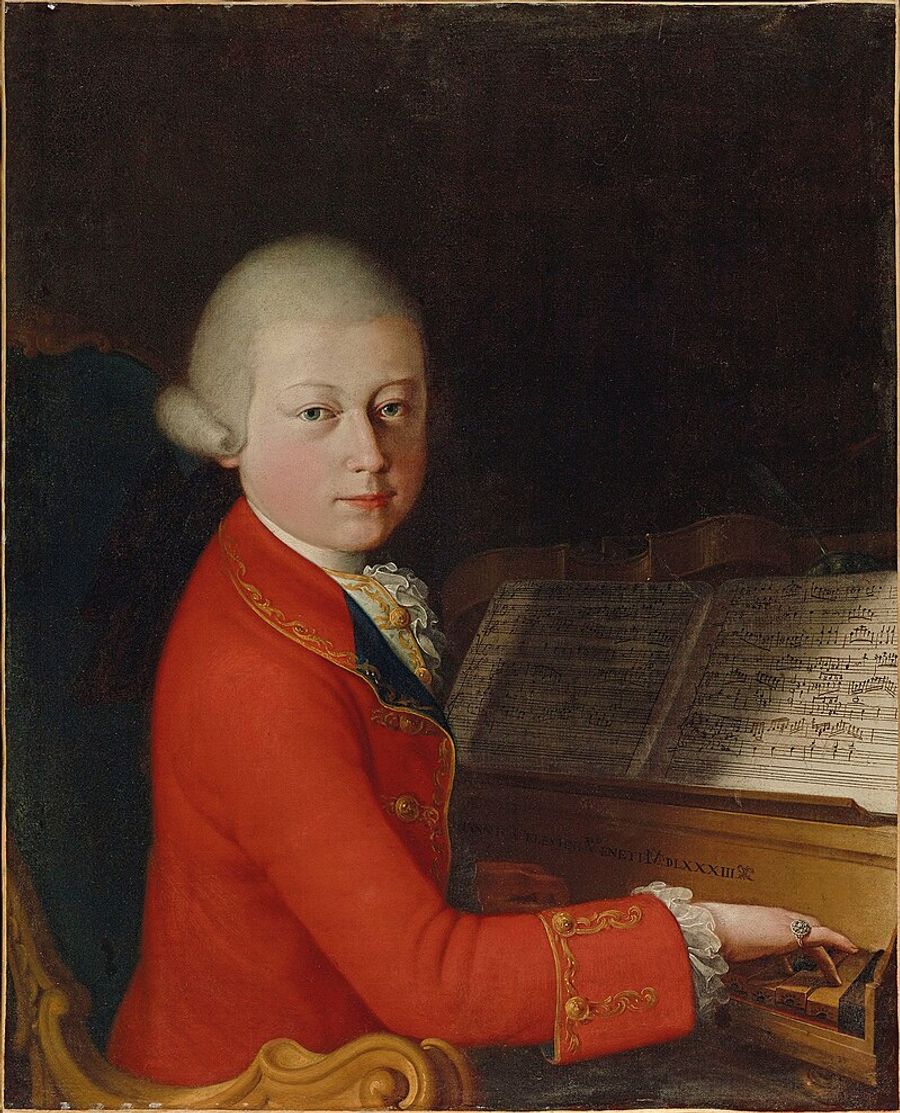
Mozart’s Concerto movement in G major (K. 636) is a single surviving movement traditionally dated to Salzburg in 1767, when the composer was eleven. The attribution is doubtful, yet the piece is still discussed alongside Mozart’s earliest experiments with concerto-like writing for a small orchestra.[1]
Mozart's Life at the Time
In 1767 Wolfgang Amadeus Mozart (1756–1791) was eleven years old and based chiefly in Salzburg, where his musical training and daily routine were still closely supervised by his father, Leopold Mozart.[2] If K. 636 does stem from this period, it belongs to the same formative stage as the young Mozart’s early Salzburg orchestral works and serenade-style pieces—music written for local use and practical performance forces rather than for public virtuoso display in the later Viennese sense.[3]
Musical Character
Only a single movement survives, and the sources do not permit a confident narrative of occasion or original context. What can be said from the designation and key is that it presents itself as a brisk, major-key opening—essentially an Allegro conceived in a concerto idiom, with alternating tutti-like gestures and lighter passages that suggest dialogue between instrumental groups rather than continuous symphonic development.[1] In developmental terms, even a doubtful or workshop-related movement of this kind is a useful reminder of how early Mozart absorbed the mid-century taste for clear tonal plan, regular phrasing, and bright orchestral sonority—ingredients he would later refine into the mature concerto style.