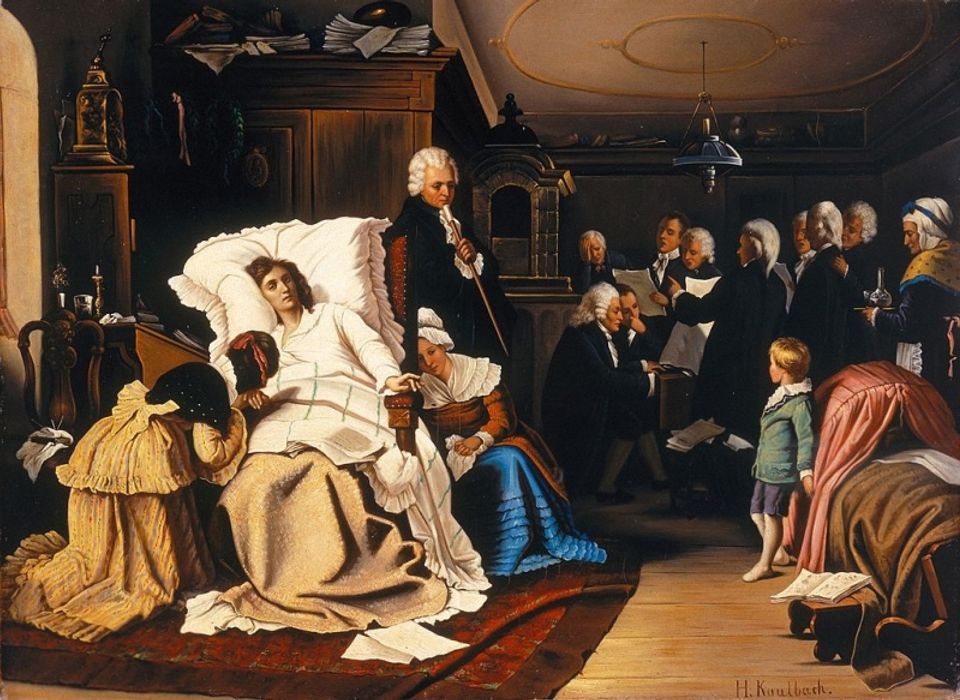
How did Mozart die? He died in Vienna on 5 December 1791, aged 35, after a short, severe illness. Explore what the historical evidence reveals about his symptoms, possible causes of death and the Salieri poisoning myth.
On 17 November 1791, Wolfgang Amadeus Mozart was still close enough to ordinary musical life to see a new work of his performed in Vienna. The piece was a Masonic cantata, K. 623, which he had entered into his own catalogue only two days earlier.
Less than three weeks later, he was dead.
Mozart died at his home in Vienna during the night of 4–5 December 1791. He was 35 years old. The illness that killed him appears to have lasted only about two weeks. Within that short span, a man who had been composing, travelling and attending performances became bedridden, severely swollen and, in his final hours, unconscious. [1][3]
So what did Mozart die of?
The frustrating answer is that we do not know the exact disease. We know quite a bit about Mozart's final illness, and modern doctors can identify several plausible explanations. But there was no autopsy, no surviving clinical record from his doctors, and naturally no blood tests, urine tests or microbiology. Even the official cause of death turns out to be less informative than it sounds.
The mystery is therefore not that Mozart's death is completely undocumented. It is that the evidence takes us tantalisingly close to an answer—and then stops.
Mozart was not obviously dying for months
The familiar image of Mozart's last year is hard to shake: the exhausted composer working desperately on the Requiem, sensing death approaching as his health steadily collapses.
The surviving evidence tells a less theatrical story.
Mozart may have been unwell during his trip to Prague in August and September 1791. Early biographers later described him as already seriously ill there. But there is little evidence for an uninterrupted decline from Prague to his death three months later. Medical historian L. R. Karhausen, who carefully re-examined the sources, found no solid basis for the chronic weakness, fainting, dramatic weight loss and progressive deterioration that later accounts sometimes attributed to Mozart. [5]
His activity tells its own story.
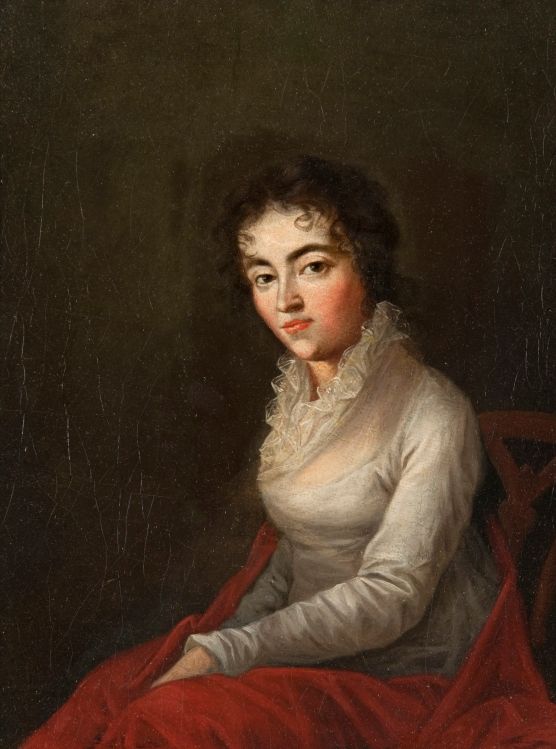
La clemenza di Tito was produced in Prague in September. The Magic Flute opened in Vienna on 30 September. Mozart continued composing. And his last surviving letter to Constanze, dated 14 October, is strikingly ordinary: he describes collecting Salieri for a performance of The Magic Flute, having supper, visiting friends and going about his daily life. It does not sound like the letter of a man in obvious terminal decline. [2]
Then came the Masonic cantata in mid-November.
The evidence points, in other words, not towards a man slowly dying throughout the autumn, but towards something more sudden: a relatively active Mozart struck by a severe acute illness in the second half of November.
What happened during Mozart's final illness?
The most important symptom is also the most dramatic: Mozart became badly swollen.
His sister-in-law Sophie Haibel later recalled that the swelling became so severe that he could not turn himself over in bed. She and her mother made him a special nightshirt that could be put on from the front because moving him had become so difficult. [3]
That detail matters medically. Severe generalized swelling—edema—can accompany serious disease of the kidneys, heart or other organs. It also appears repeatedly enough in the historical record to be one of the firmer clues we have.
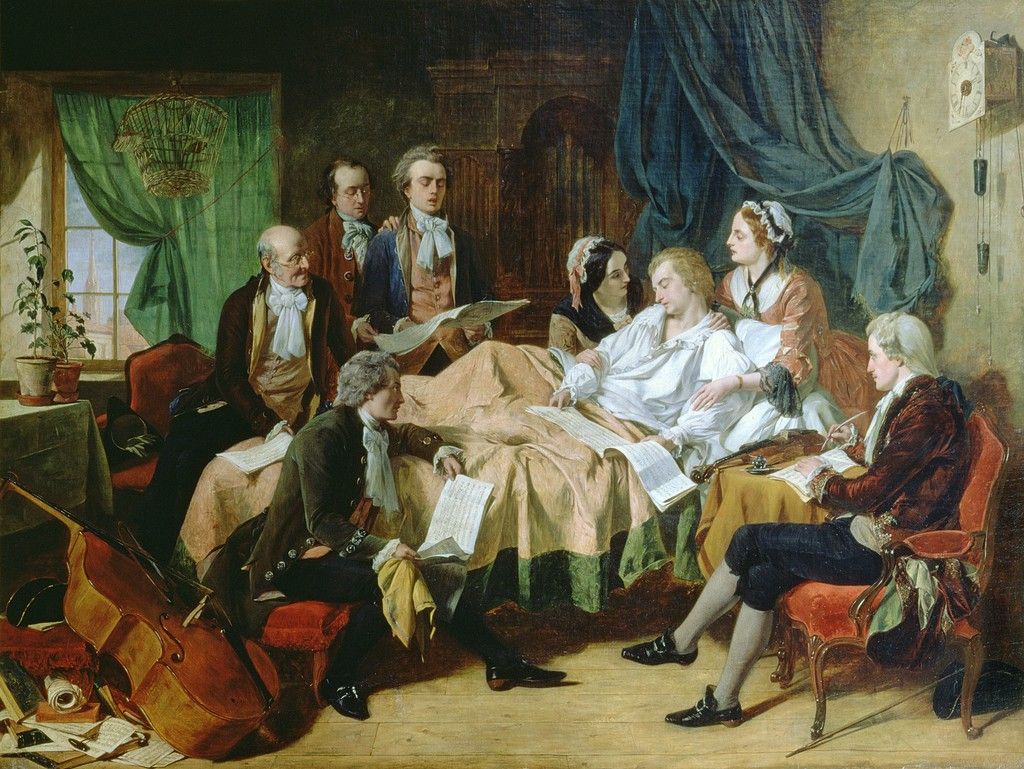
Vomiting is also reported. Fever is very likely. Sophie remembered Mozart's head as burning hot near the end of his illness, and the terminology entered in the Viennese death records explicitly described a fever. [3][4]
Beyond that, the picture becomes less secure.
A rash is possible, because the official diagnosis referred to a type of fever associated with small skin eruptions. But we have no detailed contemporary description of what Mozart's skin actually looked like. Symptoms such as severe joint pain, paralysis, abdominal pain and neurological disturbances have appeared in later medical theories, but they are much harder to establish from the original evidence. [5]
This is one reason Mozart has proved irresistible to medical detectives. With only a handful of symptoms, it is possible to make many diseases seem plausible.
It is much harder to prove that any one of them was actually present.
The extraordinary story of Mozart's last days
Our most vivid account comes from Sophie Haibel.
It is also a perfect example of the difficulty surrounding Mozart's death.
Sophie was close to Mozart and may have witnessed parts of his final day. But she wrote her account on 7 April 1825—more than 33 years after the events she was describing. [3]
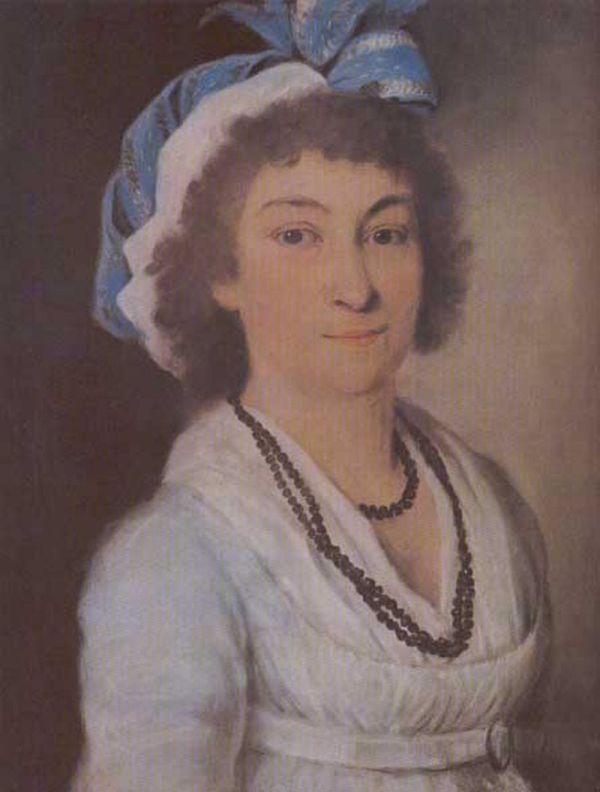
According to Sophie, Mozart actually seemed better on Saturday, 3 December. He was cheerful enough to tell her that she should reassure her mother and that he hoped soon to visit her himself.
Within roughly a day, the situation had changed completely.
Sophie recalled being sent for urgently because Mozart had worsened and Constanze did not want to be left alone with him. Mozart's doctor, Thomas Franz Closset, had to be found at the theatre. When he finally arrived, Sophie said, he ordered cold compresses to be placed on Mozart's burning head. Mozart subsequently lost consciousness and never regained it. [3]
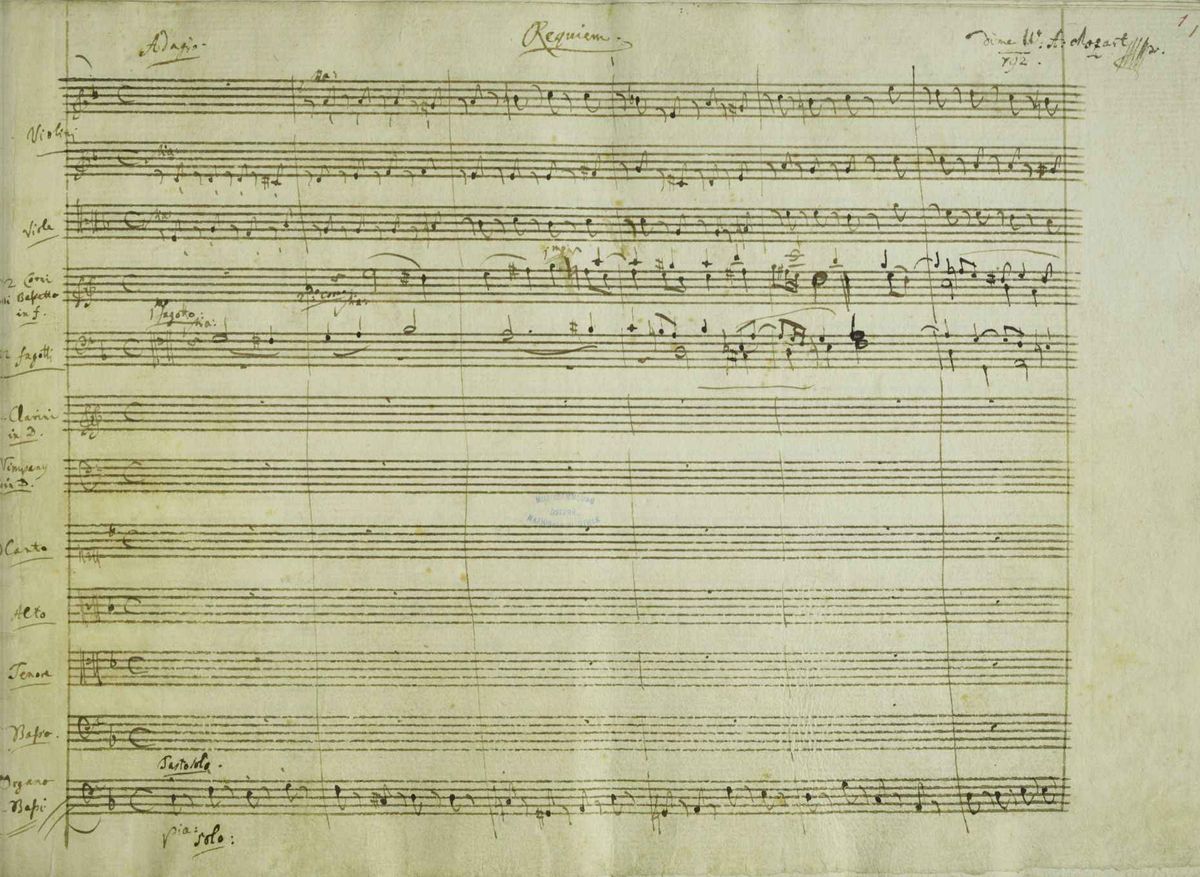
Her account also gives us some of the famous imagery surrounding the unfinished Requiem. She remembered the score on Mozart's bed and Mozart discussing its completion with his pupil Franz Xaver Süssmayr. Most hauntingly, she claimed that one of his last movements was an attempt to imitate the drum passages of the Requiem with his mouth. [3]
It is a remarkable scene.
But it is a remembered scene.
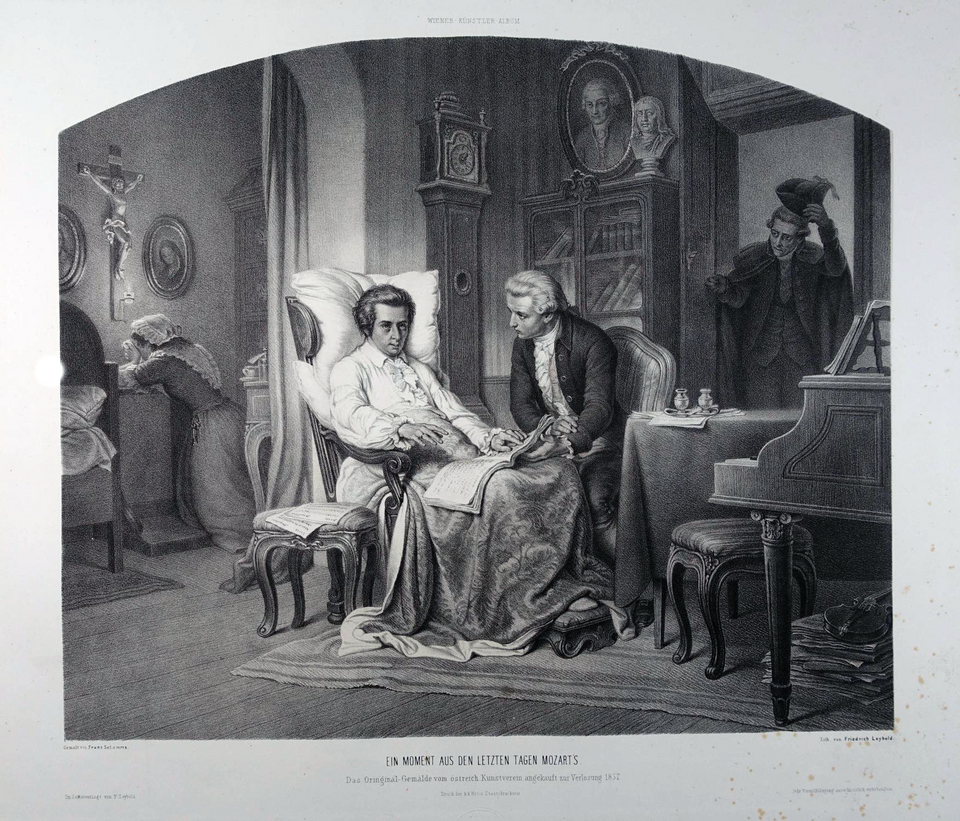
There is a difference between saying this happened and saying Sophie remembered, three decades later, that this happened. In the story of Mozart's death, that distinction matters again and again.
The official cause of Mozart's death
If there was an official cause of death, shouldn't that settle the matter?
Unfortunately, no.
The Viennese record gives Mozart's condition as:
hitziges Frieselfieber
It is commonly translated as “severe” or “acute miliary fever.” [4]
To modern ears, that sounds like the name of a specific disease. In eighteenth-century medicine, it was nothing of the kind.
Frieselfieber referred broadly to a fever associated with small, millet-like skin eruptions—the German Friesel referring to the appearance of the rash. It described a clinical pattern rather than identifying a particular pathogen or underlying disease. Two patients described as having the same “miliary fever” might, in modern terms, have had quite different illnesses. [4][5]
There is another intriguing complication. A German musical periodical reporting Mozart's death later that December gave a different term, Brustwassersucht—roughly a form of “dropsy” or accumulation of fluid in the chest. [8] Again, that sounds more like a description of what was happening to his body than an explanation of why it was happening.
Eighteenth-century medicine could observe fever, swelling and rash. It could give those patterns names.
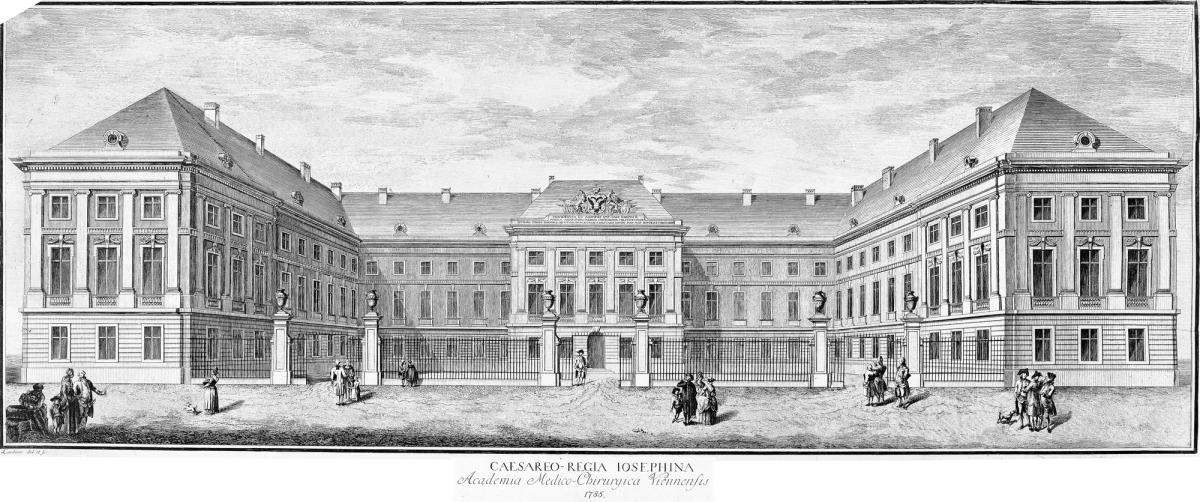
What it usually could not do was identify the underlying mechanism with anything approaching modern precision.
No autopsy was performed
This may be the single most important fact in the entire mystery.
Mozart was not autopsied. [7]
His body was examined, but there was no internal post-mortem examination capable of showing whether his kidneys were inflamed, his heart damaged, his lungs filled with fluid or another organ seriously diseased.
That means there is no pathology to return to.
There is no preserved kidney tissue waiting for modern analysis. No blood sample. No toxicology. No laboratory result hidden in an archive.
There are descriptions.
And descriptions are all later doctors have had to work with.
Could a streptococcal infection have killed Mozart?
One modern explanation is particularly interesting because it tries to go beyond simply matching Mozart's symptoms to a disease.
In 2009, researchers Richard Zegers, Andreas Weigl and Andrew Steptoe examined Vienna's death registers from the months surrounding Mozart's death. Altogether, they analysed 5,011 recorded adult deaths across comparable periods in three successive winters. [6]
They found something unusual.
Deaths associated with edema rose markedly among younger men in the weeks around Mozart's death. The researchers suggested that an outbreak of streptococcal disease could have been responsible, with some patients developing acute kidney inflammation—post-streptococcal glomerulonephritis.
That would make considerable sense of Mozart's swelling.
A streptococcal infection can trigger an immune reaction that damages the kidneys. If the kidneys stop handling salt and water properly, fluid can accumulate in the body. In a severe case, the result can be extensive edema and life-threatening complications.
This has therefore become one of the more persuasive modern explanations for the cause of Mozart's death. [6]
But there is an important word in that sentence: explanation, not diagnosis.
The researchers found an epidemiological pattern consistent with the theory. They did not find evidence that Mozart himself tested positive for streptococcus—because no such evidence exists.
It remains entirely possible that another acute infection produced similar complications.
Other theories about Mozart's death
Almost every generation of doctors seems to have found its own Mozart diagnosis.
Rheumatic fever has long been suggested, partly because illnesses Mozart suffered earlier in life have themselves been retrospectively interpreted as rheumatic. Infective endocarditis—an infection of the heart—has also been proposed, sometimes combined with heart failure as an explanation for the severe swelling. [5][9]
Other researchers have suggested inflammatory vascular diseases. One theory proposed Henoch–Schönlein purpura, now usually called IgA vasculitis. Another, published in 2001, suggested trichinosis, a parasitic infection acquired from undercooked pork. [7]
The trichinosis theory gained attention partly because Mozart mentioned pork cutlets in a letter shortly before the period in which the infection would have had to occur.
It is an irresistible historical clue.
It is also a good example of the danger.
Once we begin with a desired diagnosis, scattered details can suddenly look like evidence. A meal becomes an exposure. An uncertain symptom becomes diagnostic. A remembered detail gains more precision than the original source ever possessed.
Karhausen's critique of Mozart's medical history demonstrated how easily this happens. Symptoms have sometimes been added, mistranslated or exaggerated over time until the Mozart being diagnosed by modern physicians is no longer quite the Mozart described by the historical sources. [5]
The safest medical conclusion is therefore broader: Mozart appears to have died from an acute natural illness, probably involving fever and profound fluid retention. An infectious disease with serious kidney involvement is one plausible explanation.
Anything more specific remains uncertain.
Was Mozart poisoned?
The poisoning story did not begin with Salieri, Pushkin or Amadeus.
Remarkably, it appeared almost immediately.
A report sent from Prague only a week after Mozart's death stated that his body had become swollen and that this had led people to believe he had been poisoned. [10]
That is significant—but not because it proves poisoning.
It proves that there was already a rumour of poisoning.
There is a world of difference between the two.
Later accounts claimed that Mozart himself had suspected poison. Franz Xaver Niemetschek's 1798 biography, based partly on information from Constanze, recounts Mozart telling his wife that he believed he had been poisoned. But this appeared seven years after his death, not in a surviving letter or diary written by Mozart himself. [10]
And the leap from “Mozart may have feared poisoning” to “Salieri poisoned Mozart” is larger still.
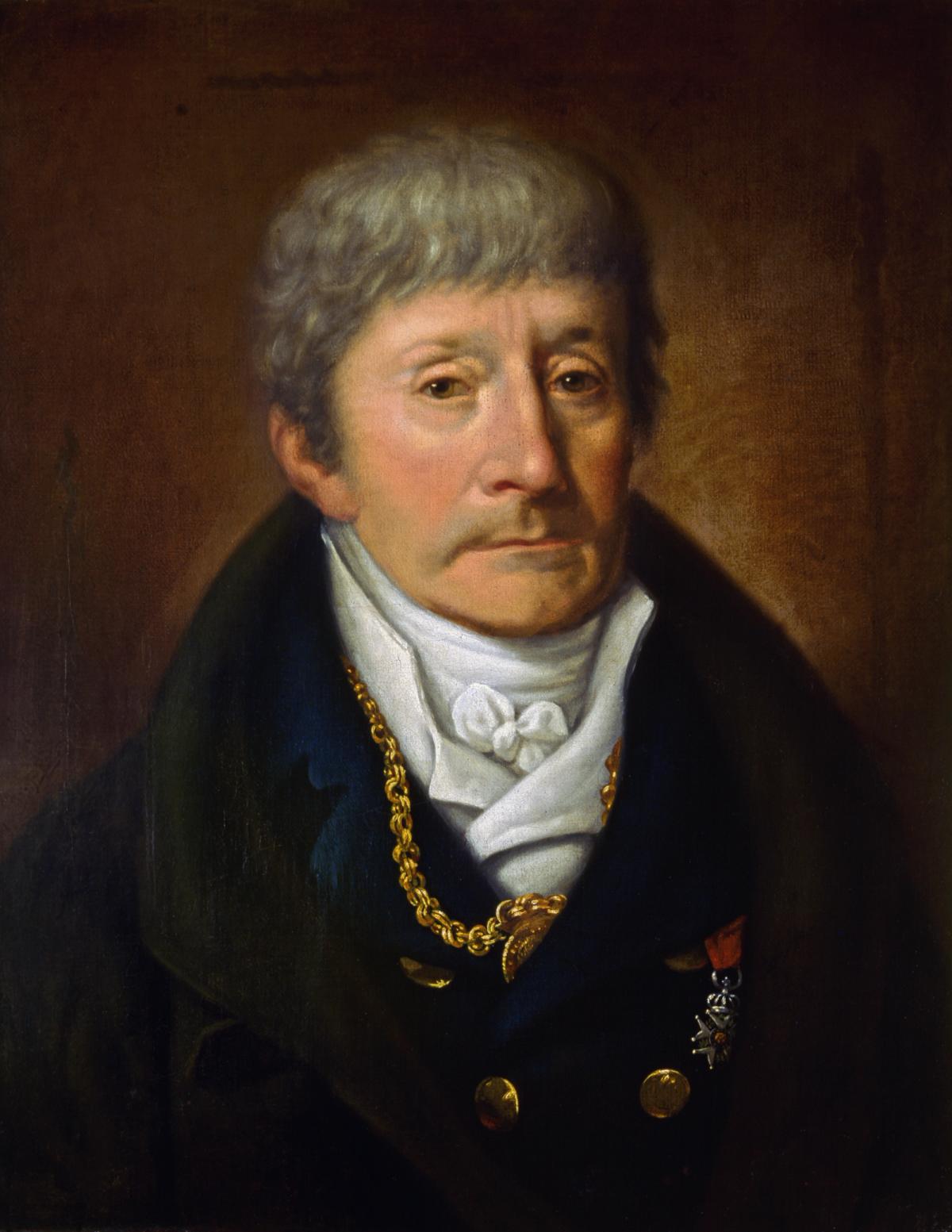
The earliest poisoning rumours do not identify Antonio Salieri as the murderer. The Salieri story developed later and eventually acquired a cultural life far greater than its historical foundation.
There is no convincing evidence that Salieri poisoned Mozart. There is no identified poison, no documented act of poisoning and no medical evidence pointing specifically towards one. With no autopsy, poisoning cannot be disproved in some absolute mathematical sense—but there is no positive evidence that makes murder a serious explanation for Mozart's death. [5][7]
So what did Mozart die of?
Strip away two centuries of diagnosis, legend and dramatic reconstruction, and the outline is surprisingly clear.
Mozart was 35 years old and still highly productive in the autumn of 1791. Around the third week of November, he developed a severe acute illness. He became badly swollen, was probably feverish, suffered vomiting and eventually became unable to move normally. His condition deteriorated sharply during the first days of December, and he died during the night of 4–5 December. [1][3][5]
The official label, hitziges Frieselfieber, does not identify the disease by modern standards. No autopsy was performed. His doctors left us no clinical notes detailed enough to solve the case. The most informative eyewitness account was written more than three decades later.
A serious infection causing acute kidney dysfunction and massive edema fits the surviving evidence reasonably well. Post-streptococcal glomerulonephritis is perhaps the most interesting specific modern candidate, particularly because there is evidence that edema-related deaths were unusually common in Vienna at exactly that time. [6]
But it remains a candidate.
And that is the closest the evidence allows us to come.
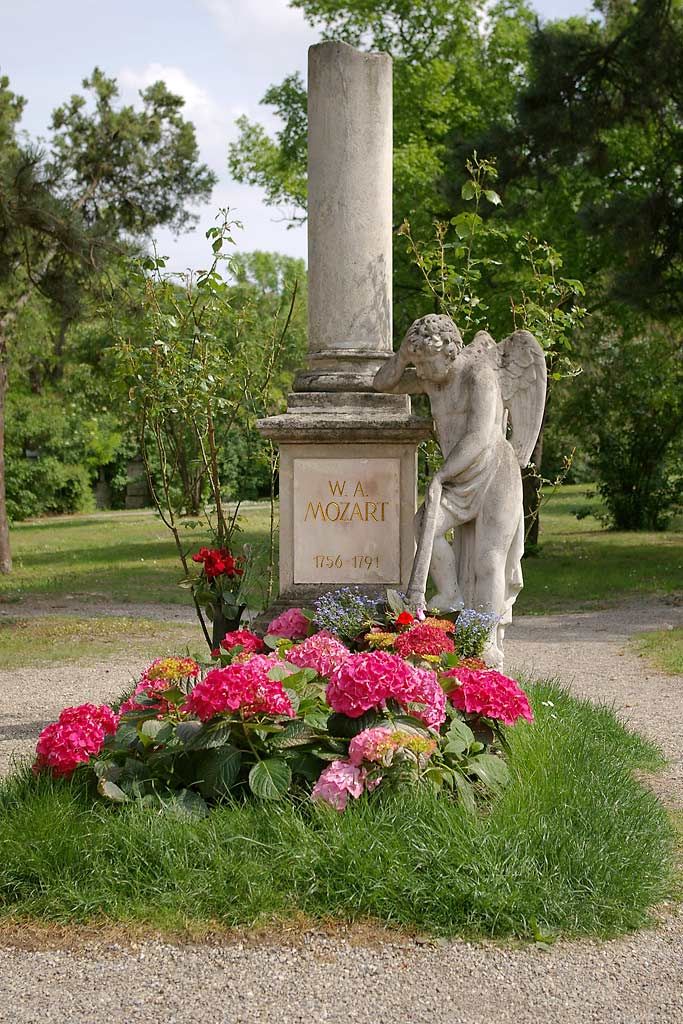
We can say with reasonable confidence how Mozart's final illness unfolded. We can identify the kinds of disease that may have caused it. What we cannot honestly do—235 years later—is put a single modern diagnosis on his death certificate.
Sources
[1] Dexter Edge, “The Earliest Dated Report of Mozart’s Death (6 December 1791),” Mozart: New Documents, edited by Dexter Edge and David Black. Based on the report from Vienna dated 6 December 1791 and later printed in the Bayreuther Zeitung. Source
[2] Wolfgang Amadeus Mozart to Constanze Mozart, Vienna, 14 October 1791, Mozart Letters and Documents – Online Edition, Digital Mozart Edition, International Mozarteum Foundation Salzburg. Source
[3] Sophie Haibel to Georg Nikolaus von Nissen, 7 April 1825, reproduced in Emily Anderson, ed. and trans., The Letters of Mozart and His Family, vol. III. Haibel's letter is the principal source for many details of Mozart's final days. Source
[4] Hauptpfarramt St. Stephan, Vienna, record of the examination of Wolfgang Amadeus Mozart's body, 6 December 1791; Digital Mozart Edition, International Mozarteum Foundation. Records the diagnosis hitziges Frieselfieber. Source
[5] L. R. Karhausen, “Weeding Mozart's Medical History,” Journal of the Royal Society of Medicine 91 (1998): 546–550. A critical review distinguishing historically supported symptoms from later additions and retrospective diagnoses. Source
[6] Richard H. C. Zegers, Andreas Weigl and Andrew Steptoe, “The Death of Wolfgang Amadeus Mozart: An Epidemiologic Perspective,” Annals of Internal Medicine 151 (2009): 274–278. Analysis of 5,011 Viennese death records and the hypothesis of post-streptococcal acute nephritic syndrome. Source Additional source
[7] Jan V. Hirschmann, “What Killed Mozart?” Archives of Internal Medicine 161 (2001): 1381–1389. Review of the historical medical evidence, including the absence of an autopsy; proposes trichinosis as one possible diagnosis. Source Additional source
[8] Musikalisches Wochenblatt, report of Mozart's death, December 1791, reproduced and discussed by Dexter Edge in Mozart: New Documents. Gives Brustwassersucht as the reported cause of death, in contrast with the Viennese Frieselfieber record. Source
[9] “Infective Endocarditis and Phlebotomies May Have Killed Mozart,” Korean Circulation Journal 40 (2010): 611–613. A modern argument for infective endocarditis and heart failure, illustrating one of the major alternative retrospective diagnoses. Source
[10] Contemporary poisoning report in Musikalisches Wochenblatt, letter from Prague dated 12 December 1791; discussed together with Franz Xaver Niemetschek's 1798 account in research on the early development of the Mozart poisoning tradition. Source
Image credits
Hermann Kaulbach / Wikimedia Commons. Public domain. Image source. Licence.
Joseph Lange / Wikimedia Commons. Public domain. Image source. Licence.
Henry Nelson O’Neil / Wikimedia Commons. Public domain. Image source. Licence.
Unknown artist / Wikimedia Commons. Public domain. Image source. Licence.
Wolfgang Amadeus Mozart / Wikimedia Commons. Public domain. Image source. Licence.
Eduard Friedrich Leybold after Franz Schramm / Wikimedia Commons contributors Boris Fernbacher and Никита Воробьев. CC BY-SA 3.0. Existing 960px reproduction. Image source. Licence.
Wellcome Collection / Wikimedia Commons. CC BY 4.0. Unmodified. Image source. Licence.
Joseph Willibrord Mähler / Wikimedia Commons. Public domain. Image source. Licence.
Wolfgang Schmidt / Wikimedia Commons. CC BY-SA 2.5. Unmodified. Image source. Licence.