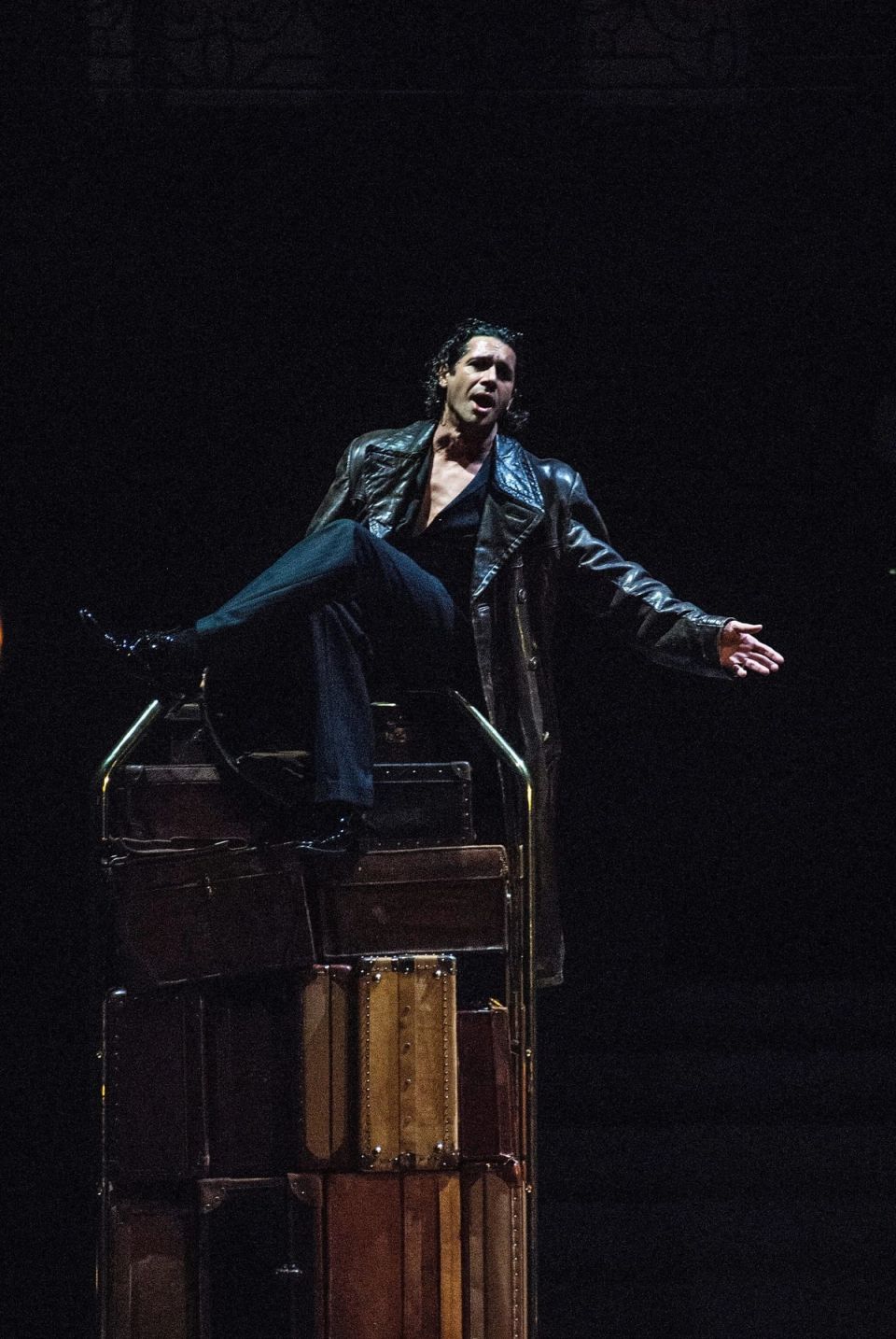
本稿はモーツァルトの主要オペラを1781〜1791年の流れで概観し、『Idomeneo』から『Die Zauberflöte』までを扱う。各作品の成立事情と劇的文脈を整理し、『L’oca del Cairo』『Lo sposo deluso』など未完の試みも紹介する。
はじめに
ヴォルフガング・アマデウス・モーツァルト(1756–1791)は、幼少期の宗教的・神話的ドラマから晩年の華麗な傑作群に至るまで、驚くほど多様な様式で22のオペラを作曲した。初期作品には舞台表現への早熟な関心がうかがえるが、真にこの芸術を変革したのは彼の円熟期のオペラであった。
1781年から1791年の死に至るまでの間に、彼は心理的な深み、豊かな旋律、そして音楽と言葉の継ぎ目のない融合によって、音楽劇を再定義する長大な舞台作品群を生み出した。
これらの「主要オペラ」は、ウィーン時代を中心に書かれたもので、『Idomeneo』のような英雄悲劇、『Le nozze di Figaro』や『Don Giovanni』に見られる鋭い社会喜劇、そして『Die Zauberflöte』に結実する幻想と哲学の時空を超えた融合を含む。これらの作品において、モーツァルトはオペラを宮廷の娯楽から普遍的な人間物語へと高め、すべての登場人物を共感と機知、そして真実の感情で描き出した。
本稿では『Idomeneo』(1781)から『Die Zauberflöte』(1791)までのモーツァルトの大オペラを概観し、作曲家の最後の10年がいかに近代オペラの伝統を形作ったかをたどる。それぞれの作品がいつ、なぜ書かれ、どのような劇的文脈に置かれているかを探っていく。
Idomeneo, re di Creta (1781)
1781年、モーツァルトのキャリアは新たな段階に入った。ザルツブルクでの後援制度に飽き足らなかった25歳の彼は、地方のポストを離れ、より大きな機会を求めてウィーンへ移った。この移転の直前に彼が完成させたのがIdomeneo, re di Creta(「クレタの王イドメネオ」)で、1781年1月にミュンヘンで初演された。
Idomeneoはバイエルン宮廷からの委嘱作で、モーツァルトにとって初の本格的な円熟期のオペラと位置づけられる。
劇的なオペラ・セリア全3幕で、海難から生還した王イドメネオが、最初に出会った者を犠牲に捧げると誓い、その相手が皮肉にも自らの息子イダマンテであった、という物語を描く。
犠牲、運命、慈悲という主題が、感情豊かなスコアの中で展開する。最終的にイドメネオは犠牲を断行できず、神の介入と自らの退位によって、イダマンテは救われ愛するイリアと結ばれる。
モーツァルトはIdomeneoに並々ならぬ心血を注ぎ、合唱とオーケストラを拡張し、伴奏付きレチタティーヴォやアンサンブルを生き生きと描き出した。
しかし、配役面では苦労もあった。イドメネオ役の老齢のテノール(アントン・ラーフ)は硬く、表現に乏しく、モーツァルトを苛立たせた(彼はラーフが舞台上で「まるで彫像のようだ」と不満を漏らした[14])。
それでもモーツァルトは、このオペラに誇りを抱いていた。
Idomeneoは革新的で、フランスとイタリアの様式を巧みに融合させ、豊かなアンサンブルを用いた点が特筆される[15][16]。
ミュンヘン宮廷での受けは上々で、旧来のオペラ・セリアの定型を超えて、より人間的で表現豊かな領域へと踏み出した突破口となる作品だった。気高い音楽と劇的な深みゆえに、今日ではしばしばIdomeneoがモーツァルトの最高作のひとつに数えられている[17][18]。
Die Entführung aus dem Serail (1782)
1781〜82年にウィーンに落ち着いたモーツァルトは、ドイツ語のジングシュピール様式に目を向けた。皇帝ヨーゼフ2世がドイツ語オペラを奨励しており、モーツァルトはそれに応えてDie Entführung aus dem Serail(「後宮からの誘拐」)を作曲、1782年7月にウィーンのブルク劇場で初演した。
アリアに加えてセリフも用いる喜劇的ジングシュピールで、舞台はトルコの後宮。18世紀当時の「トルコ趣味」の流行を巧みに取り入れている。物語は、スペイン貴族ベルモンテと従者ペドリッロが、パシャ・セリムの宮殿からベルモンテの許嫁コンスタンツェとその侍女ブロンデを救い出そうとする筋立てである。
モーツァルトは軍楽風の「イェニチェリ」打楽器やオリエンタルな色彩でトルコの情景を喚起すると同時に、感情のこもったアリアを与えた。コンスタンツェの名技的アリア「Martern aller Arten」はきわめて難曲で、滑稽な場面(後宮を見張る道化的なオスミン)と愛と許しという主題のバランスが見事である。
最後には、啓蒙思想の体現者であるパシャ・セリムが、捕らえたヨーロッパ人に復讐する代わりに寛大に許し、解放し、喜劇の枠組みの中に道徳的な深みを示す結末で観客を驚かせた。
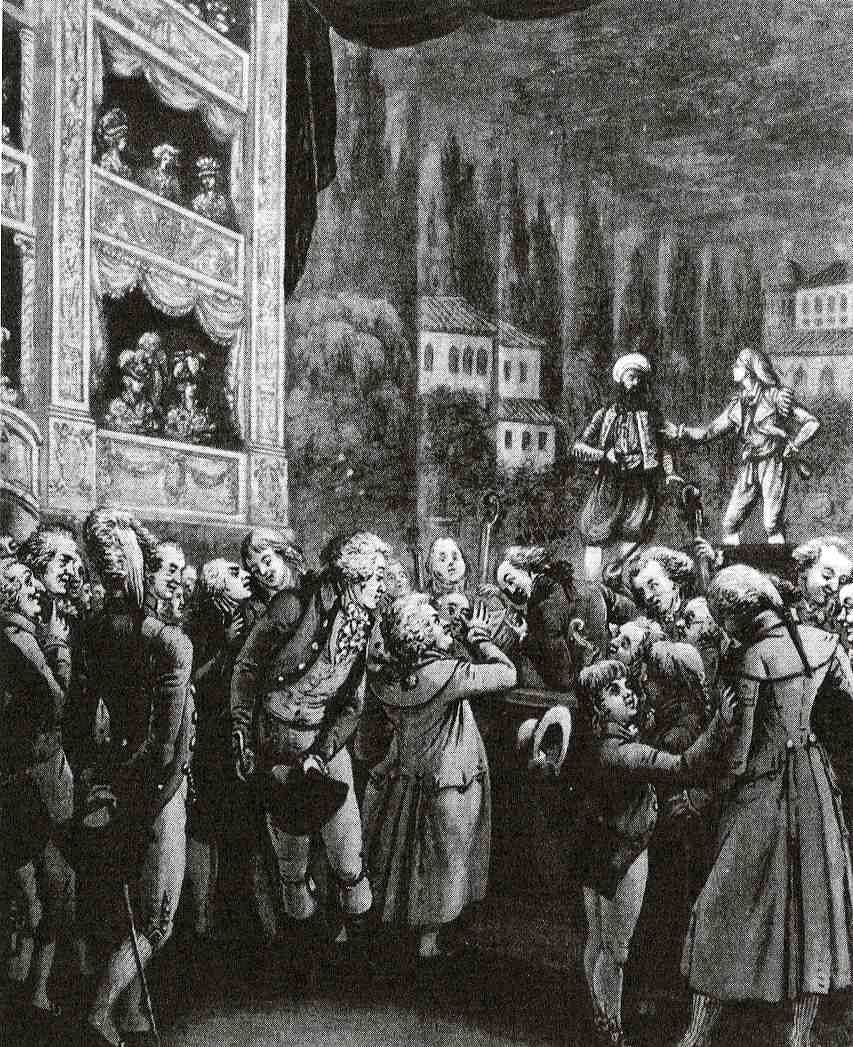
Die Entführungは初日からの大成功で、モーツァルト存命中に最も人気の高いオペラとなった[19]。ウィーンの聴衆は、息をのむような歌唱技巧と喜劇的ロマンスの取り合わせに熱狂し、皇帝でさえ(初演後に「モーツァルト君、音が多すぎる!」と冗談めかして言ったと伝えられる)このオペラの見事さを認めた[20]。
後宮からの誘拐はウィーンでロングランとなり、ヨーロッパ各地でも上演された。これによって、モーツァルトはドイツ語オペラの大家としての名声を確固たるものにした[19][21]。モーツァルト自身もこの成功を誇りに思っていた——ドイツ語オペラがイタリア語オペラに匹敵しうることを示し、大衆の称賛を勝ち得たからである。
L’oca del Cairo (1783)
『Entführung』の成功に気をよくしたモーツァルトは、さらにオペラ作曲に意欲を燃やしたが、その後数年は順風満帆とはいかなかった。Entführung, Mozart was eager to write more operas, but the next few years were bumpy.
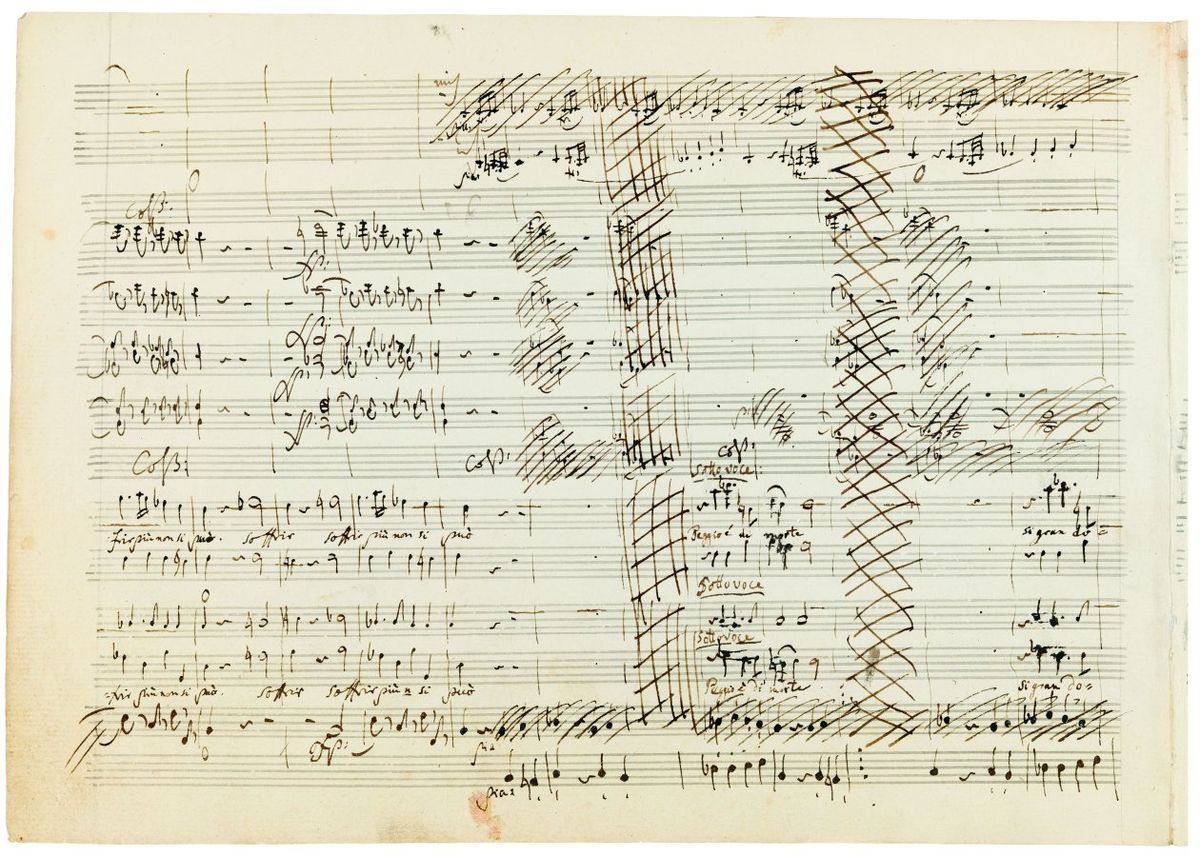
1783年、モーツァルトはイタリア語の喜歌劇《カイロの雁》(L’oca del Cairo)に着手し、《イドメネオ》の台本作家ジャムバッティスタ・ヴァレスコと再び協働しました。 [Mozarteum]
巨大な機械仕掛けの雁で恋人たちが塔から脱出するという、どたばたの筋は、モーツァルトの趣味には軽すぎた。彼は当初、ヴァレスコの草稿の一部を「なかなか良い」と気に入り[22]、いくつかの楽曲を書いた(1783年末までに第1幕の大半を作曲)[23]。しかし作業が進むにつれ、モーツァルトは台本の欠点に不満を深めていく。たとえば、主要なヒロイン2人が終曲まで舞台に登場しないという構造的問題に気づき、このままではオペラが台無しになると危惧したのだ[24]。モーツァルトは改稿を強く求め、父への手紙で「抜本的な変更」が必要だ、良い音楽を「悪い筋書きに台無しにされたくない」と苛立ちを募らせている[24][25]。
往復書簡を重ね、台本の立て直しを試みたものの、最終的にモーツァルトはL’oca del Cairo を放棄し、望み薄の企画と見なした[26][25]。手紙の中では、ヴァレスコ神父には「演劇についての知識がこれっぽっちもない」とまで示唆している。[26]。
Lo sposo deluso (1784)
同様に、1784年にはイタリア語の喜歌劇Lo sposo deluso(「思い違いの花婿」)に着手したが、こちらも数曲を残して未完に終わった。満足のいく台本が見つからなかったのか、あるいは歌手を失ったのかもしれない。いずれにせよ上演には至らず、モーツァルトはこの計画を棚上げにした。
これらの頓挫は、モーツァルトの高い基準を物語る——彼は、ばかばかしい、あるいは実用に耐えないと感じるオペラ・ブッファの台本に力を注ぐことはなかった。彼は、これらのオペラについて「この短い期間に十分働いている」と記しつつ、その努力が無駄になるかもしれないと悟っている[27]。『L’oca』や『Lo sposo』に費やした労力が空回りしたことへの苛立ちが感じられる。
Le nozze di Figaro (1786)
1786年、モーツァルトの運は再び上向いた。この年、彼は生涯最大の成果のひとつとなる委嘱を受ける。すなわちLe nozze di Figaro(「フィガロの結婚」)である。
このイタリア語のオペラ・ブッファ(全4幕)は、詩人兼台本作家ロレンツォ・ダ・ポンテとの初の協働となった。もともとモーツァルト自身が、ボーマルシェの物議を醸した戯曲『The Marriage of Figaro(フィガロの結婚)』をオペラの題材にと提案し[28]
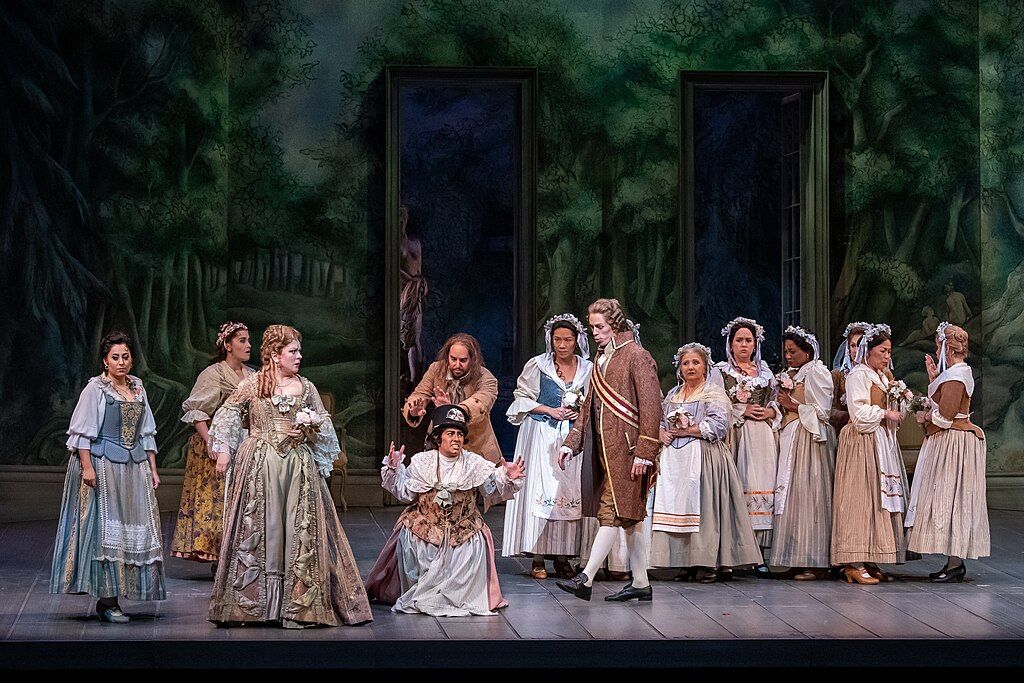
It picks up the characters from The Barber of Seville some years later, following one “day of madness” in the household of Count Almaviva. The servants Figaro and Susanna scheme to thwart the Count’s attempt to seduce Susanna on her wedding day, drawing in the Countess, the page Cherubino, and others for a cascade of disguises, mistaken identities, and witty intrigues. In the end, the humbled Count asks forgiveness and husband and wife are reconciled, concluding the opera’s whirlwind of “failed seductions, disguises, misunderstandings, and revelations” on a note of forgiveness[29][30].
Musically, Figaro is a tour de force: Mozart’s score brims with memorable arias and magnificent ensembles that deepen each character and drive the complex plot. From the bustling overture to the radiant Act II finale and the poignant arias (like the Countess’s “Dove sono” or Figaro’s “Se vuol ballare”), Mozart achieved a perfect blend of comedic energy and human warmth.
Mozart thoroughly enjoyed composing Figaro – he was inspired by Da Ponte’s clever libretto and the opportunity to create a new kind of ensemble-driven comic opera. He “bullied” and cajoled Da Ponte as needed to shape the drama to his musical needs (Mozart was known to insist on dramatically structured ensembles)[31]. The result was so satisfying that Figaro would become known as Mozart’s comic masterpiece, often cited as the pinnacle of opera buffa[30].
At its Viennese premiere, The Marriage of Figaro received a positive reception, though not an overwhelming one. The Emperor admired it enough to order special extra performances at his palace[32], but in Vienna the opera’s run was limited (nine performances in 1786) due in part to factional intrigues and perhaps the complexity of the score[33][34].
However, when Figaro traveled to Prague at the end of 1786, it caused a sensation. The Prague audience adored the opera – a newspaper there hailed it as “a masterpiece” and reported that “no piece has ever caused such a sensation”[35]. Mozart was thrilled; he wrote from Prague that “here they talk of nothing but Figaro,” and this enthusiastic response led directly to a commission for a new opera in Prague.
Today it is often considered Mozart’s greatest opera, lauded for its perfect mix of comédie and profound humanity[30]. Mozart, for his part, likely found composing Figaro deeply rewarding – a project where his talent met an ideal libretto, and one that would secure his legacy.
Don Giovanni (1787)
Mozart’s next opera was written to capitalize on Figaro’s Prague success. Don Giovanni, a dramma giocoso (blend of comic and serious) in two acts, premiered in Prague on 29 October 1787. Again partnering with Da Ponte, Mozart tackled the legendary tale of Don Juan – the charismatic nobleman who seduces and abandons women, and who ultimately meets a supernatural punishment.
Don Giovanni is often regarded as Mozart’s boldest opera, veering between comedy, melodrama, and the terrifying. In the opera, Don Giovanni’s outrageous exploits (from serenading peasant girls to killing the Commendatore, father of one of his conquests) are by turns amusing and shocking. His servant Leporello provides comic relief with the famous Catalogue Aria (listing Giovanni’s thousands of lovers), but the tone darkens as the vengeful ghost of the Commendatore – in the form of a stone statue – comes to life. In the climactic dinner scene, the Commendatore’s statue confronts Don Giovanni and drags him down to hell when he refuses to repent.
Mozart’s rich and animated score matches the drama’s intensity[36]. The opera’s variety is astounding: radiant love duets, sparkling comic ensembles, and the chillingly intense final scene with trombones heralding the Commendatore’s arrival. Mozart achieves a miraculous equilibrium of comedy and tragedy, as later commentators have noted[37][38]. In Don Giovanni, the witty ensemble writing of Figaro is combined with a new weight and darkness – the work can be interpreted as a morality play or as “harmless mischief,” and audiences to this day debate its tone[39][40].
Mozart found Don Giovanni challenging but invigorating. He was working under pressure (legend says he was still orchestrating the overture hours before the premiere), yet he rose to the occasion. The Prague premiere was a triumph – the city that loved Figaro embraced Don Giovanni as well, and the opera was warmly acclaimed.
However, when Mozart brought Don Giovanni to Vienna in 1788, the reception was more mixed. Viennese audiences, it seems, found the opera’s dark themes and lack of a clear moral resolution unusual. Emperor Joseph II purportedly remarked that Don Giovanni was perhaps “divine” music but “not the dish for the Viennese”.
Regardless, Don Giovanni’s stature grew quickly after Mozart’s death; within decades it was recognized as one of the supreme achievements in opera. Beethoven and other composers admired its profundity, and E.T.A. Hoffmann famously compared Mozart’s genius in Don Giovanni to Shakespeare’s[41].
From Mozart’s perspective, Don Giovanni was likely a gratifying composition – he was able to stretch himself dramatically and musically, writing an opera that merged his instinct for entertainment with a deeper, almost philosophical layer. Many scholars regard Don Giovanni as Mozart’s finest opera, and it consistently ranks among the greatest operas ever written for its “perfect proportions” and blend of the comic and the sublime[37][42].
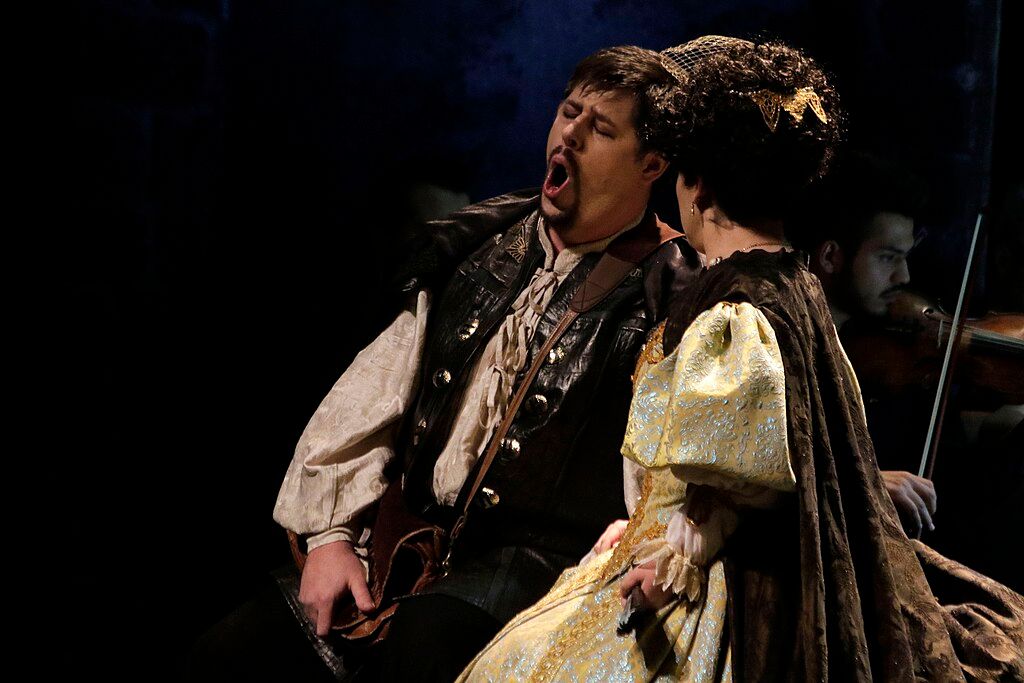
Così fan tutte (1790)
Mozart’s final collaboration with Da Ponte was Così fan tutte (“Thus Do All Women”), premiered in January 1790 at the Burgtheater.
This opera buffa is a cynical romantic comedy about two officers, Ferrando and Guglielmo, who wager that their fiancées (the sisters Dorabella and Fiordiligi) will remain faithful. The men disguise themselves and each attempts to seduce the other’s lover, guided by the sly philosopher Don Alfonso and aided by the maid Despina’s comic trickery. Over the course of the farce, both women do waver and fall for the “wrong” man, proving Alfonso’s premise that all women are fickle – but Mozart’s treatment is more humane than misogynistic, as the men are equally shown to be capricious. In the end, the charade is revealed and the couples presumably reconcile, though the opera leaves a bittersweet aftertaste about the fragility of trust.
Così fan tutte was daring for its time, with its somewhat risqué premise and an ironic, ambiguity-laced conclusion. Mozart, however, lavished some of his most exquisite music on this ostensibly light plot. The opera features a wealth of witty, intricate ensembles and arias that explore the emotional nuances of love and deception[43][44]. Notable are Fiordiligi’s virtuosic aria “Come scoglio” (protesting fidelity) and the melting trio “Soave sia il vento,” which is one of Mozart’s most sublime ensemble pieces.
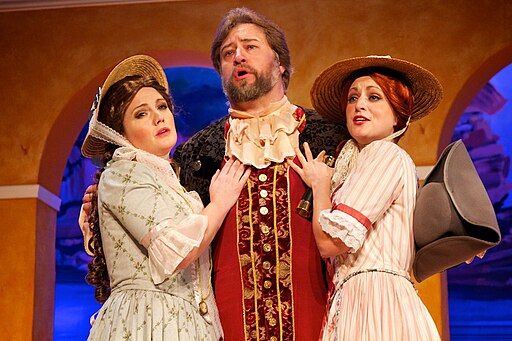
At the time of Così’s premiere, Mozart’s circumstances were difficult – war and economic instability in Vienna meant the public was less interested in new operas. Così fan tutte opened on 26 January 1790 and was initially received positively by those who saw it, but its run was cut short: after only five performances, the death of Emperor Joseph II in February 1790 plunged the court into mourning and closed theaters for a time[45][46]. As a result, Così did not have the opportunity to flourish during Mozart’s life, and subsequent revivals were sparse (19th-century moralists found the story trivial or indecent).
Only in the 20th century did Così fan tutte gain full recognition as a masterpiece of comic opera, appreciated for its sophisticated music and psychological insight. Today it is celebrated as Mozart and Da Ponte’s “final collaboration” par excellence, rounding out their trilogy with a work as musically rich as it is slyly humorous[43][44].
La clemenza di Tito (1791)
Mozart’s last year (1791) saw him astonishingly productive in the realm of opera. In the summer of 1791, he was commissioned to write a new opera seria for the coronation of Emperor Leopold II in Prague. The result was La clemenza di Tito (“The Clemency of Titus”), which premiered on 6 September 1791 in Prague’s Estates Theatre.
Adapting an old libretto by Metastasio (heavily abridged by court poet Caterino Mazzolà), Tito tells of the Roman Emperor Titus, renowned for his mercy, who faces a conspiracy against him. In the opera, Vitellia – angry at being spurned by Titus – persuades her admirer Sesto (a close friend of the Emperor) to set fire to Rome and attempt Titus’s assassination. When the plot fails and Sesto is caught, Titus ultimately forgives both Sesto and Vitellia, choosing clemency over revenge.
Mozart had to write this opera in great haste (reportedly in only 18 days) while simultaneously working on The Magic Flute. He even delegated the simpler recitative sections to his student Süssmayr, focusing himself on the arias and ensembles. Despite the rush, La clemenza di Tito contains moments of transcendent beauty – such as Sesto’s heartfelt aria “Parto, parto” with its famous clarinet obbligato, and the stunning Act I finale where the enraged Titus reacts to the Capitol burning. The opera’s serene emphasis on enlightenment virtues (forgiveness and benevolence) suited the occasion of a coronation.
Initial reception of La clemenza di Tito in Prague was respectful but lukewarm – the neo-classical seria style seemed old-fashioned coming right after Mozart’s lively comic works.
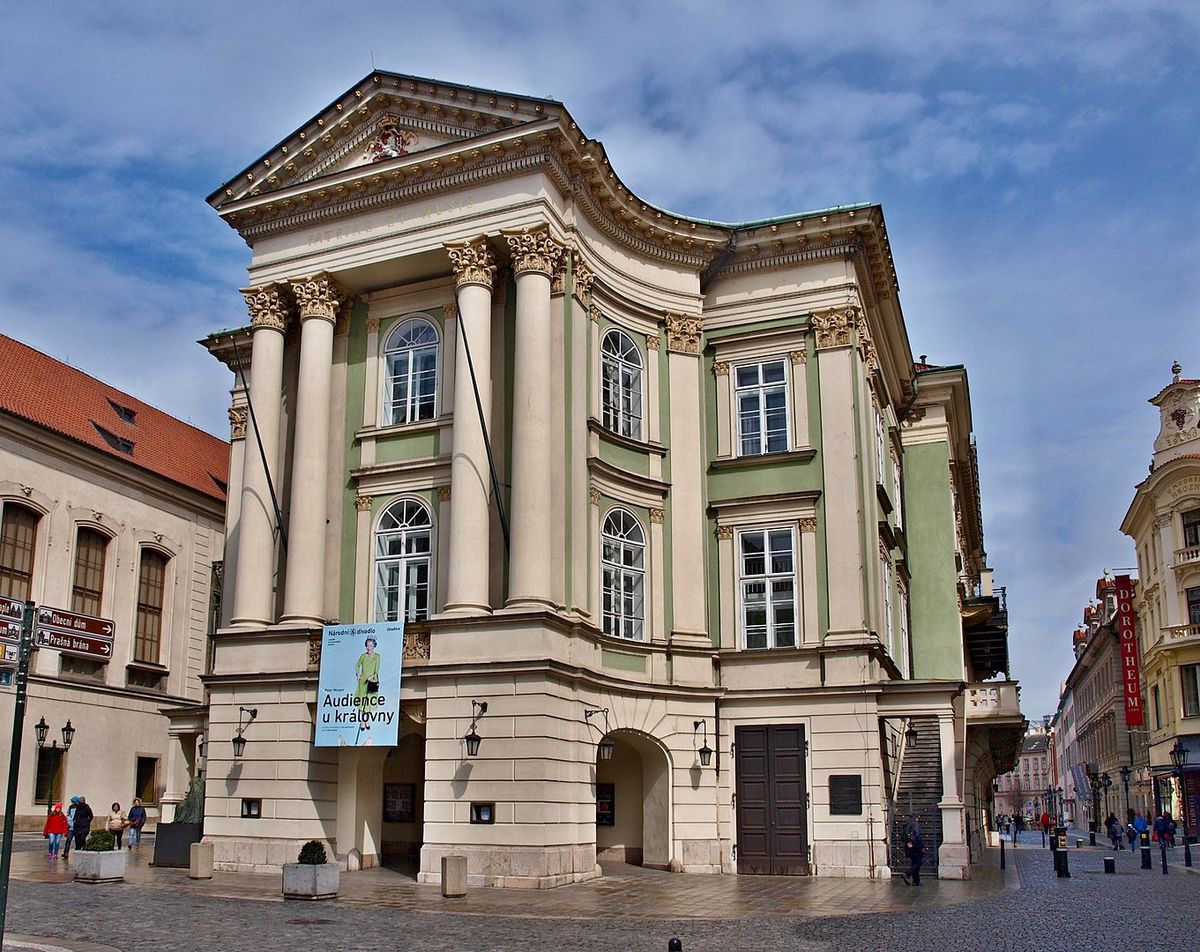
One countess in the audience infamously dismissed it as “porcheria tedesca” (“German rubbish”), though others admired its dignified simplicity. Nevertheless, Tito did find an audience in the 1790s: it was performed in several cities and remained in the repertory for a few decades[47]. In fact, it was Mozart’s first opera to reach London (produced there in 1806)[48][49].
By the mid-19th century Tito had fallen into neglect, but modern revivals have rehabilitated its reputation[47]. La clemenza di Tito today is valued for its classical elegance and the noble sentiments at its core, a late example of Mozart’s ability to elevate even conventional material with inspired music.
Die Zauberflöte (1791)
Just weeks after Tito, Mozart achieved one of his greatest popular successes with Die Zauberflöte (“The Magic Flute”), premiered 30 September 1791 at a suburban Viennese theater (Freihaus-Theater auf der Wieden).
Unlike the court-oriented Tito, The Magic Flute was a German Singspiel intended for a broad public audience. Mozart partnered with his friend Emanuel Schikaneder, who wrote the libretto and also starred in the premiere as Papageno.
The opera is a fantastical allegory that has delighted audiences of all ages for over two centuries.
Set in a mythical land, the story follows Prince Tamino and the bird-catcher Papageno on a quest to rescue Pamina (daughter of the fearsome Queen of the Night) from the supposedly evil high priest Sarastro. They undergo a series of trials of virtue and steadfastness. In a twist, it turns out Sarastro is benevolent and the Queen of the Night represents darkness and revenge. With the aid of a magic flute and magic bells – and guided by wisdom and love – Tamino and Pamina pass their trials, the villainous Queen is vanquished, and light triumphs over darkness. Interwoven is Papageno’s comic subplot as he searches for (and eventually finds) a Papagena to love, providing earthy humor alongside the opera’s spiritual Masonic symbolism.
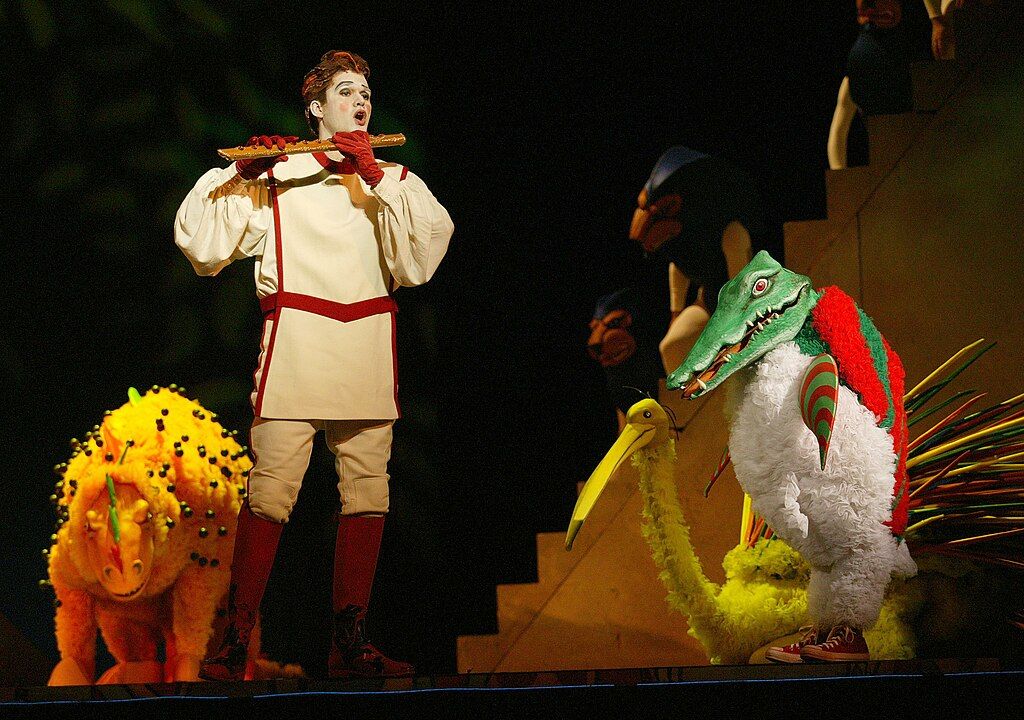
Mozart wrote The Magic Flute at a time when he was not getting many court commissions, and there’s a misconception that he took on this project reluctantly or as “lowbrow” work. In truth, Mozart had long been friendly with Schikaneder and was part of the same Masonic lodge; he embraced the chance to contribute to Vienna’s lively popular theater scene[50][51]. Far from being beneath him, The Magic Flute was a labor of love – Mozart poured his heart into its mixture of magical adventure, philosophical enlightenment ideas, and knockabout comedy.
The result was undoubtedly one of his very best operas[52], combining crowd-pleasing elements (folksy songs like Papageno’s chirpy arias, spectacular coloratura for the Queen of the Night) with sublime music of profound meaning (the solemn chorale of the priests, the duet of the two armored men).
Die Zauberflöte was an instant hit. Its premiere was an immediate success with audiences, and it “took Vienna by storm,” appealing to noble and commoner alike[53].
Mozart himself conducted the first performances and reportedly attended frequently, delighting in the public’s enjoyment – he would note which arias got laughs or applause.
The opera ran many times in late 1791; even Salieri (Mozart’s onetime rival) attended and is said to have praised The Magic Flute as an “operone” – a great opera.
Tragically, Mozart did not live to see just how far this success would go: he died on December 5, 1791, only two months after the premiere. But The Magic Flute’s popularity only grew – within weeks and months it was being performed elsewhere, and it soon spread across Europe[53].
It remains one of the most frequently performed operas worldwide[53], a testament to its universal appeal. For Mozart, The Magic Flute was a final triumph and by all accounts a source of joy. He had managed to create an opera that was at once a playful fairy tale and a profound statement of enlightenment values (the power of love, reason, and brotherhood triumphing over ignorance). Its ongoing success is perhaps the greatest monument to Mozart’s operatic legacy – a work that, like so many of his operas, speaks to both the heart and the mind across the centuries.
Sources
[31] List of operas by Mozart
https://en-academic.com/dic.nsf/enwiki/10361044
[15] [16] [17] [18] [29] [30] [36] [39] [40] [43] [44] [48] [49] [50] [51] [52] Best Mozart operas: his 11 greatest stage works, ranked | Classical Music
https://www.classical-music.com/features/works/best-mozart-operas
[14] [20] [47] Mozart Operas: 10 Of The Best - Classic FM
https://www.classicfm.com/composers/mozart/guides/mozart-operas-10-best/
[19] The Abduction from the Seraglio, or the Art of Synthesis - Opera Online
https://www.opera-online.com/en/articles/the-abduction-from-the-seraglio-or-the-art-of-synthesis
[21] [PDF] WRITTEN RESOURCE - Victorian Opera
[22] [23] [24] [25] [26] [27] L’oca del Cairo: The Partially Written Mozart Opera
https://interlude.hk/mozart-cairo-goose/
[28] [37] [38] [41] [42] 史上最高のオペラ20選 | Classical Music
https://www.classical-music.com/features/works/20-best-operas-all-time
[32] [33] [34] [35] フィガロの結婚 - ウィキペディア
https://en.wikipedia.org/wiki/The_Marriage_of_Figaro
[45] [PDF] コジ・ファン・トゥッテ - メトロポリタン歌劇場
[46] [PDF] コジ・ファン・トゥッテ 解説 | パシフィック・オペラ・ビクトリア
https://pacificopera.ca/wp-content/uploads/2023/04/Web-Keynotes_Cosi-fan-tutte.pdf
[53] 『魔笛』の概要
https://www.operanorth.co.uk/news/the-magic-flute-in-a-nutshell/