Wedding Plans
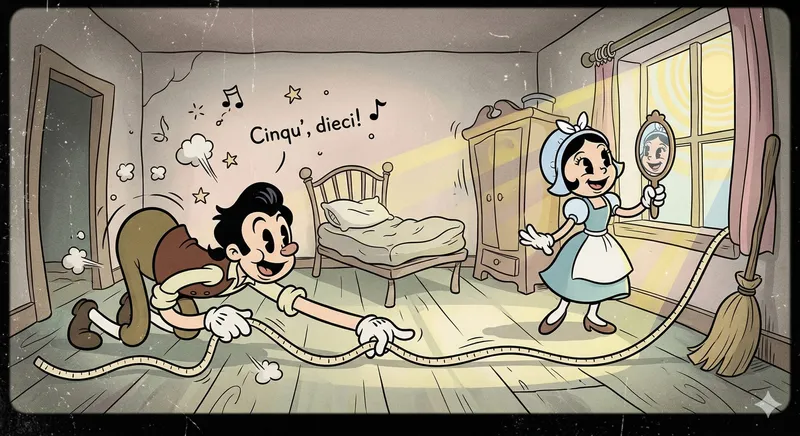
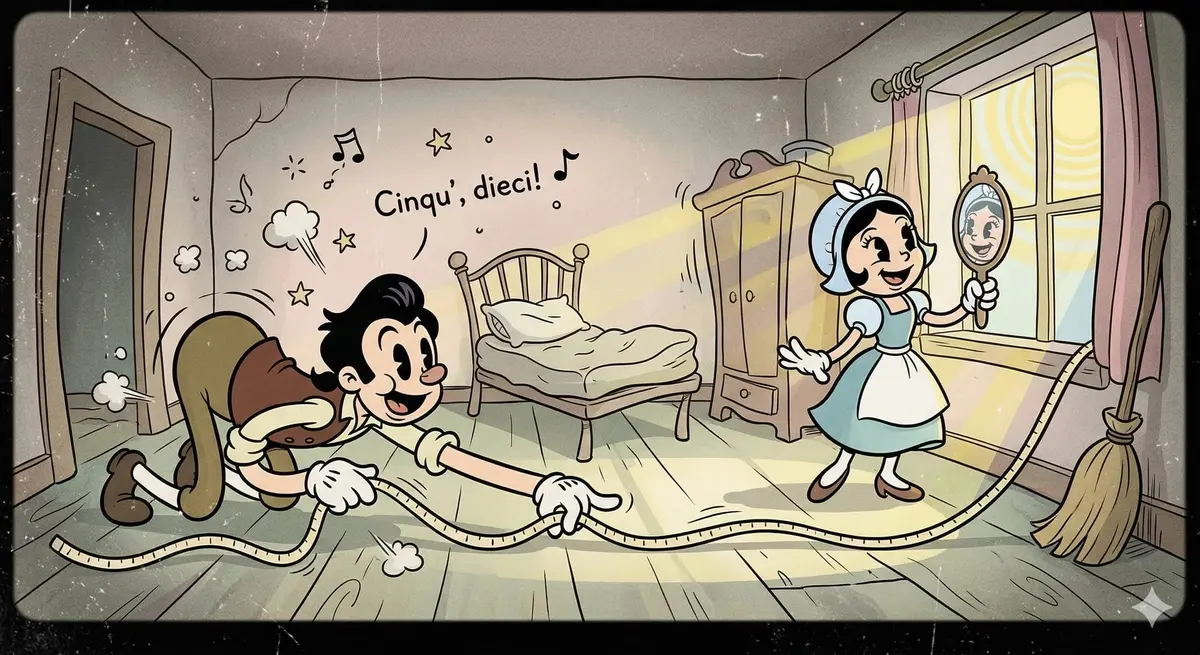
Figaro and Susanna are preparing their new bedroom on the morning of their wedding. Figaro cheerfully measures the floor, counting steps for where the bed will go, while Susanna admires her wedding bonnet in the mirror.
Their happiness darkens when Susanna reveals the Count’s true motive for giving them this room so close to his own — he intends to revive the feudal right of the lord and claim her on their wedding night.
Figaro’s delight turns to simmering anger. Together they begin plotting how to outwit the Count, their wit and affection shining through even as the stakes become clear.

Marcellina’s Scheme
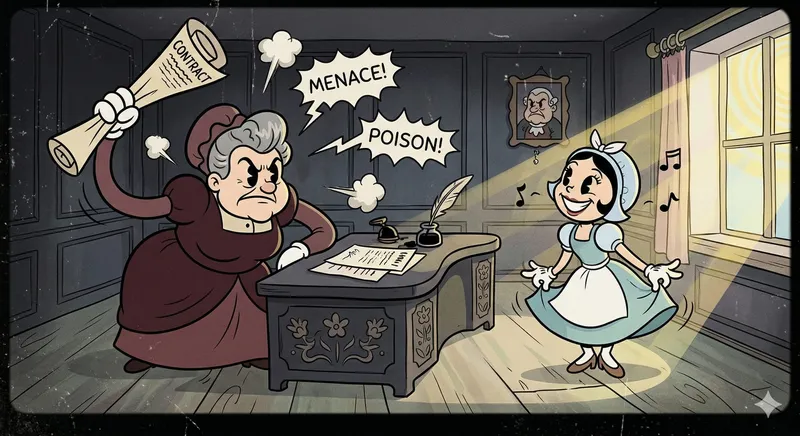
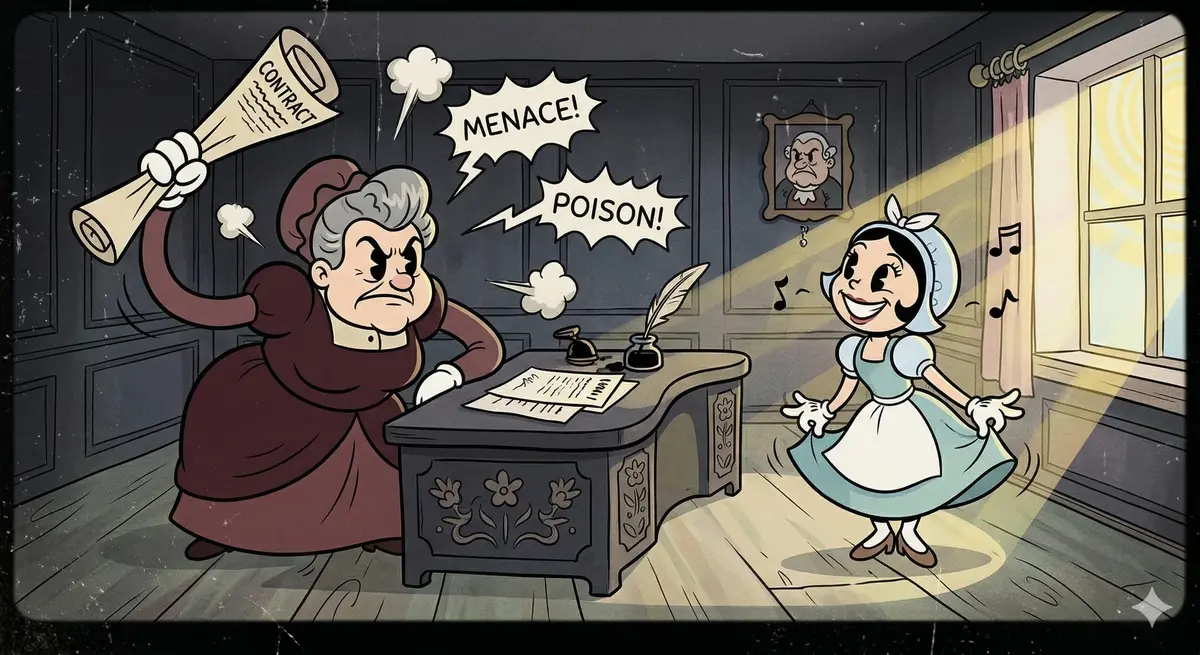
Elsewhere in the palace, Marcellina is fuming. She holds an old contract in which Figaro promised to marry her if he failed to repay a debt — and she intends to use it.
She conspires with Doctor Bartolo, who still bears a grudge against Figaro from an old defeat. Bartolo gleefully vows revenge.
When Susanna appears, she and Marcellina trade barbed politeness, their smiles sharp as knives. A second threat to the wedding now looms alongside the Count’s designs.

Cherubino’s Close Call
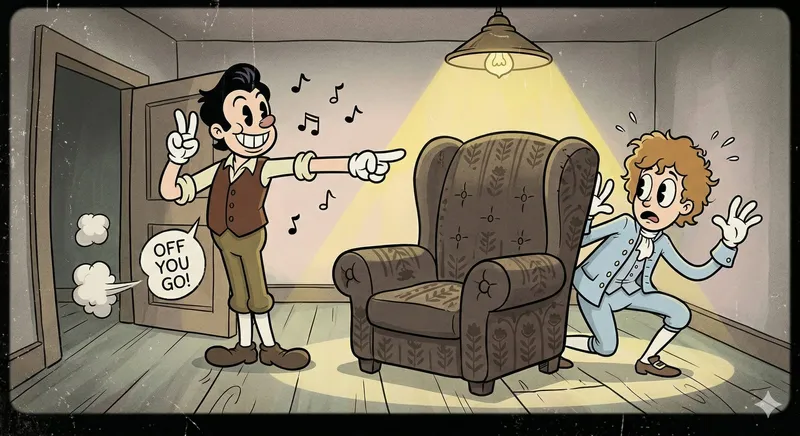
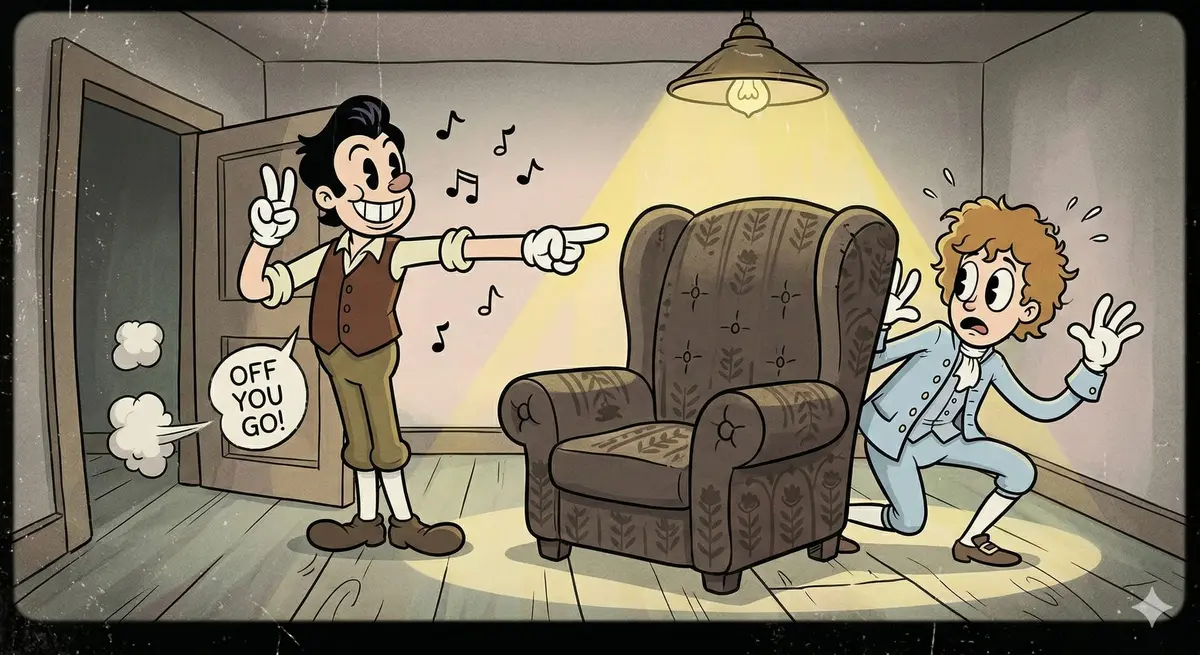
The young page Cherubino confesses his breathless infatuation with every woman in the household, especially the Countess. Their conversation is cut short when the Count arrives to pursue Susanna — forcing Cherubino to hide behind an armchair.
Things spiral further when Don Basilio arrives with gossip, causing the Count himself to hide, until a cascade of discoveries exposes Cherubino’s hiding place.
Furious, the Count banishes Cherubino to the army. Figaro sends him off with a mocking military song, painting a comic picture of the soldier’s life that awaits the lovesick boy.

The Countess’s Plan
The Countess is alone with her grief, lamenting her husband’s neglect in the tender aria “Porgi amor.” When Susanna and Figaro arrive, the three devise a bold scheme: Cherubino will be disguised as a woman to trap the Count in a compromising situation.
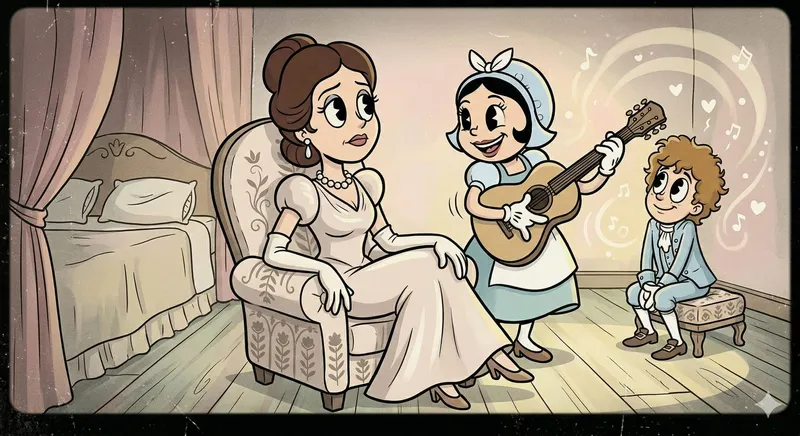
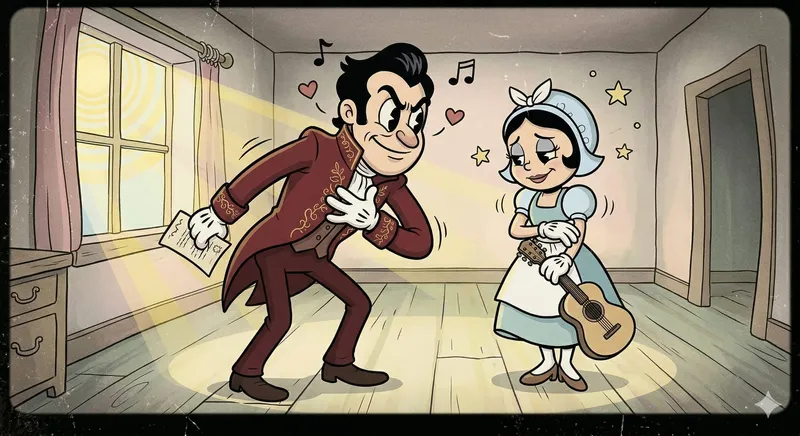
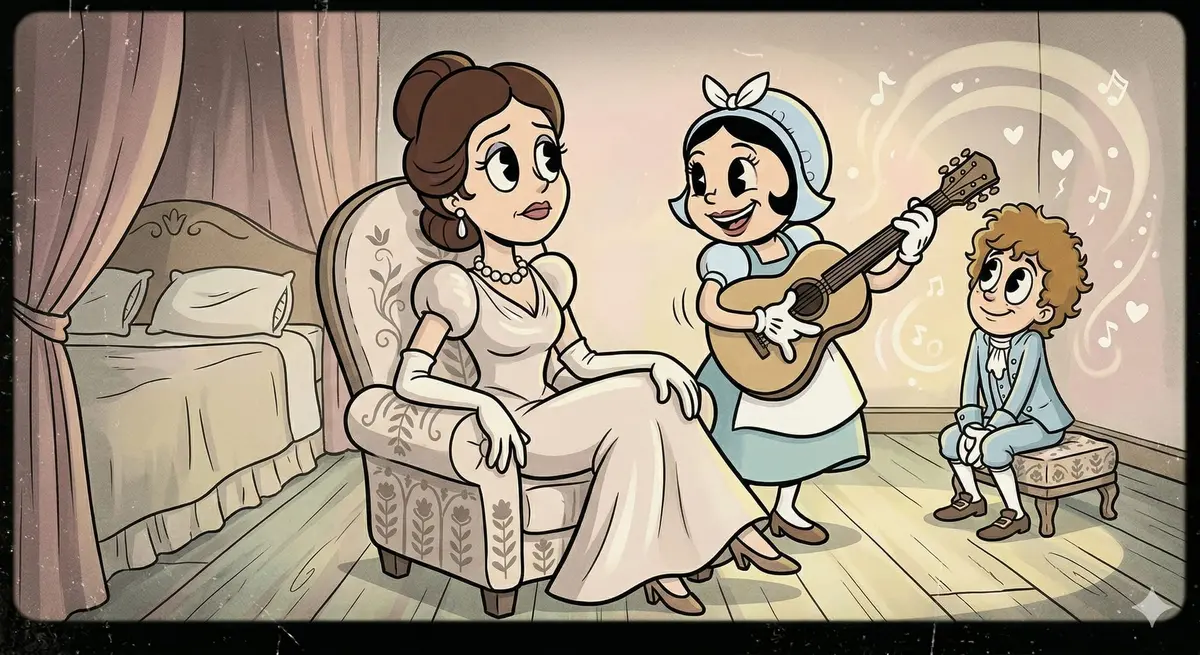
Before the plotting begins in earnest, Cherubino sings “Voi che sapete” to the Countess — a gentle, trembling declaration of adolescent longing — while Susanna accompanies on guitar.
Susanna then dresses Cherubino in women’s clothes, the Countess watching with a mixture of amusement and melancholy as the plan takes shape.

The Closet Confusion
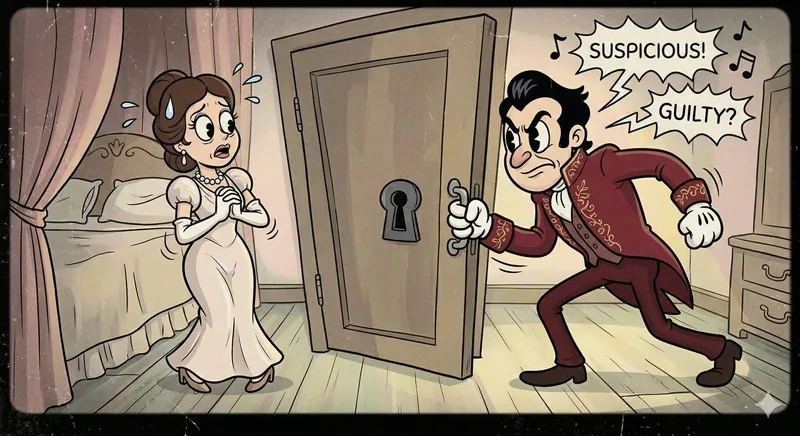
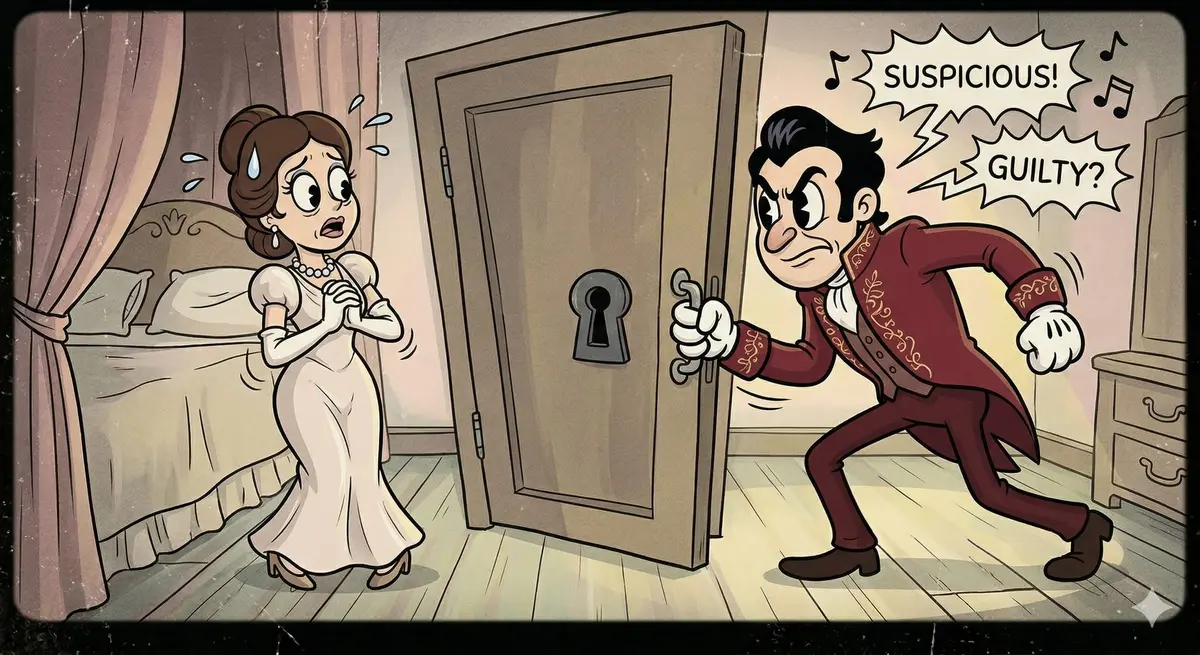
The Count returns unexpectedly, forcing Cherubino to dart into the closet. A suspicious noise puts the Count on alert and he demands the door be opened. The Countess insists it is only Susanna inside.
The Count drags the Countess away to fetch tools to break the door open. In his absence, Cherubino escapes through the window and Susanna slips into the closet in his place.
When the Count returns and flings the door open, Susanna steps out — composed and innocent. He is left stunned, and the Countess apparently vindicated.

Figaro’s Predicament
The Count is still suspicious. Antonio the gardener bursts in complaining that someone jumped from the Countess’s window and crushed his flowers. Cornered, Figaro claims it was himself — improvising wildly to cover Cherubino’s escape.
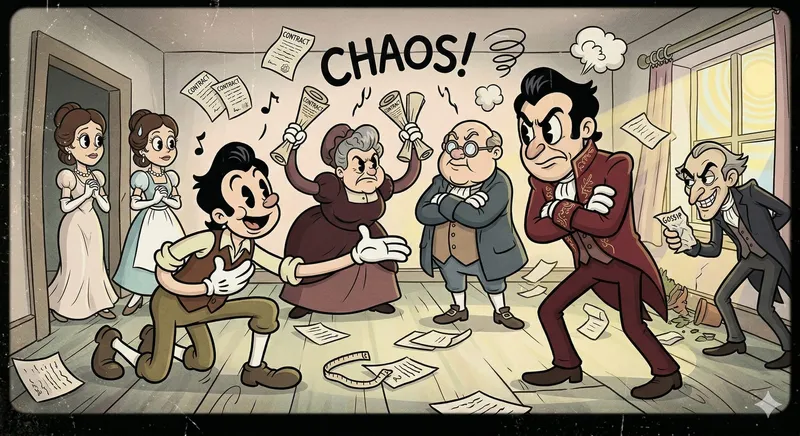
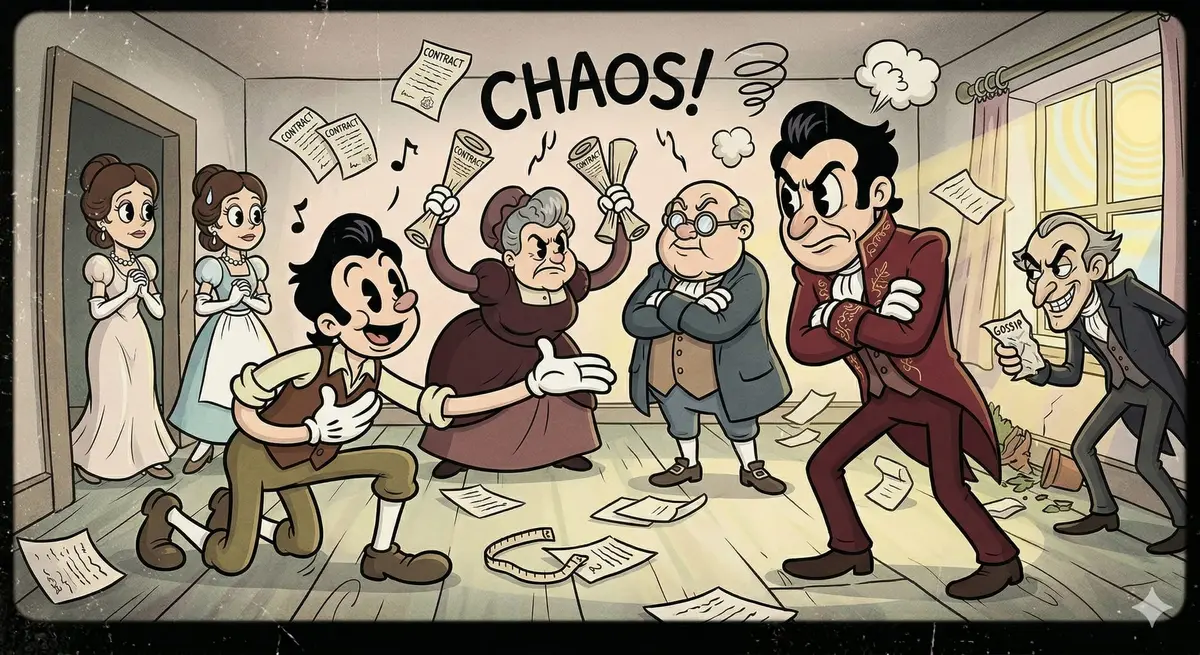
Before the confusion can settle, Marcellina arrives with Bartolo and Basilio, brandishing her legal contract and demanding Figaro either marry her or repay his debt.
Voices pile on voices. The Act 2 finale erupts into brilliant chaos, with no one able to fully explain themselves and the Count’s authority battered from every direction.

Susanna’s Ruse
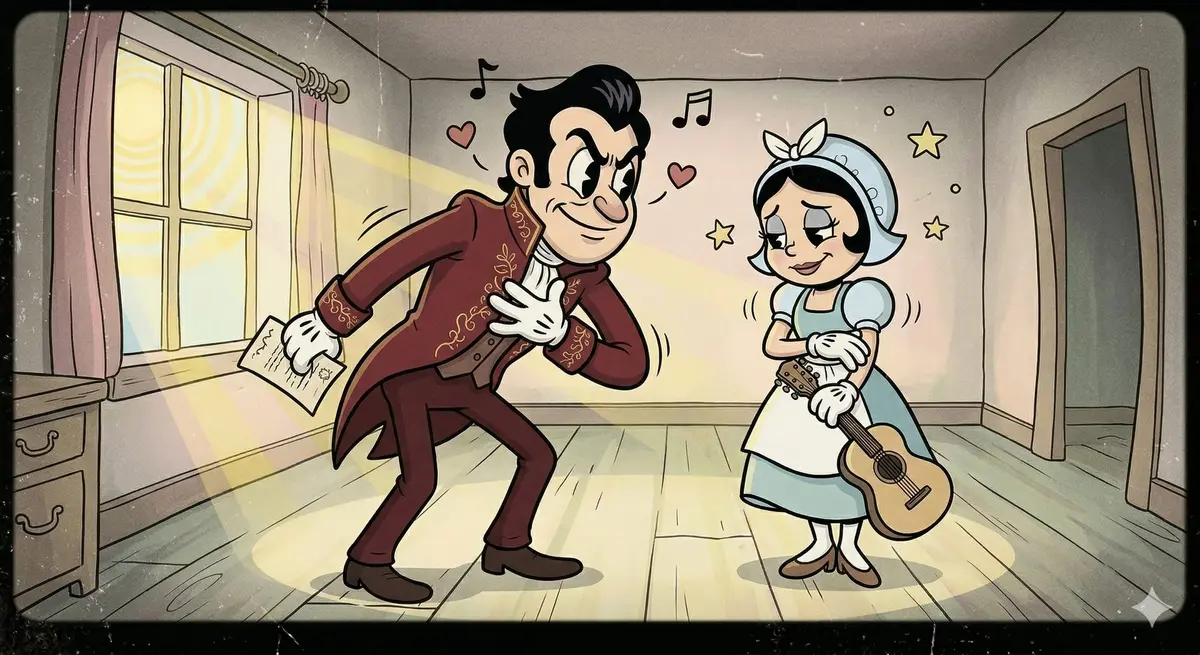
In Act 3, the Count corners Susanna and proposes a secret meeting in the garden that evening. Susanna plays along, letting him believe she is yielding — while privately planning to send the Countess in her place.
The trap seems set. But the Count overhears Susanna telling Figaro they have already won — and realises he is being deceived.
His pride wounded and his jealousy inflamed, he erupts in the furious aria “Vedrò mentr’io sospiro,” vowing to crush the servants’ scheme and reassert his power.

Family Reunion
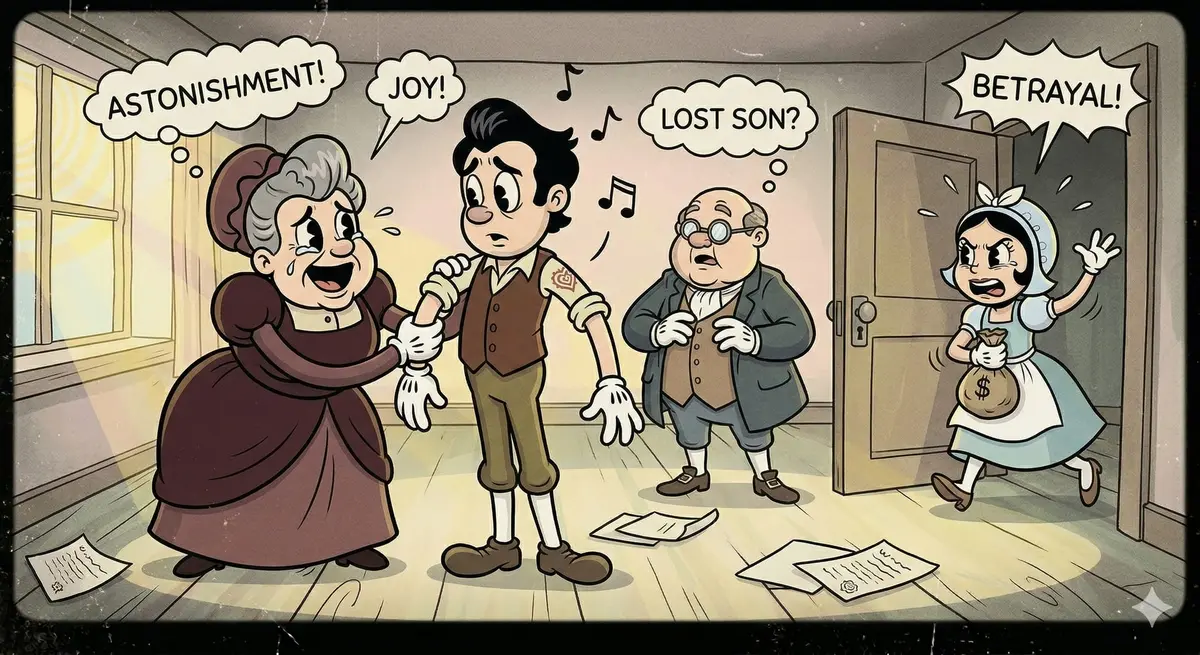
The trial reaches its verdict: Figaro must marry Marcellina or repay the debt. In desperation, Figaro reveals he was stolen as an infant by bandits and has never known his real parents.
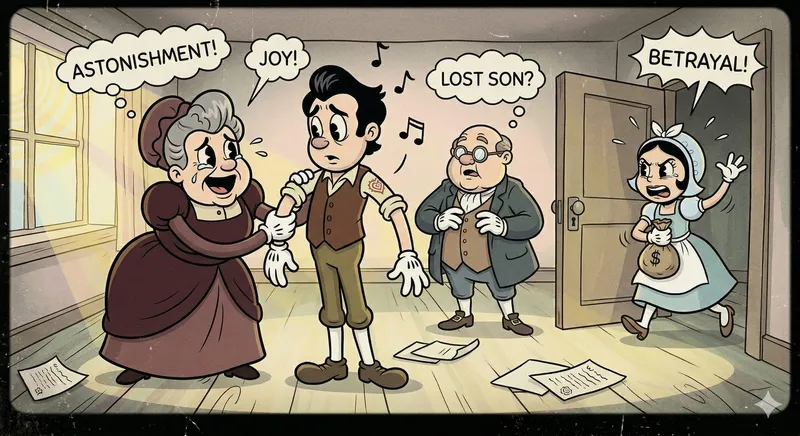
A birthmark on his arm triggers a sudden, astonishing recognition — Marcellina and Bartolo realise Figaro is their long-lost son. Old animosity dissolves instantly into tears and embraces.
Susanna arrives with the money to settle the debt, walks in on the emotional scene, and misreads it as a betrayal — slapping Figaro before the truth is explained. The former enemies are now family and allies.

The Countess’s Lament
Left alone, the Countess reflects on the happiness she once knew — tender early days of marriage now replaced by neglect and infidelity. Her sorrow quietly hardens into resolve.
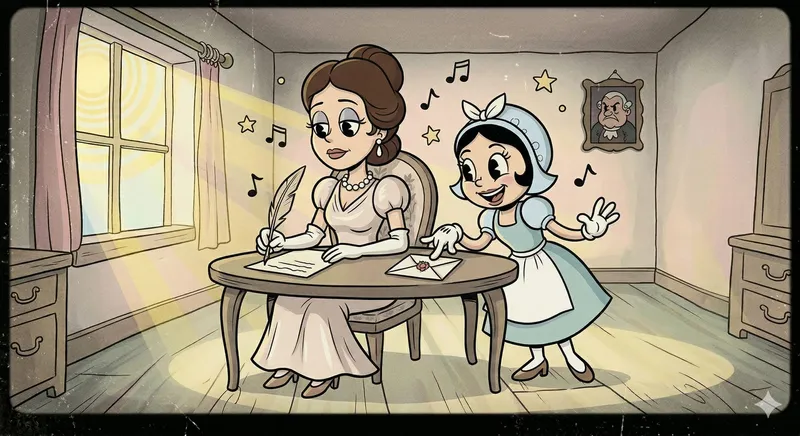
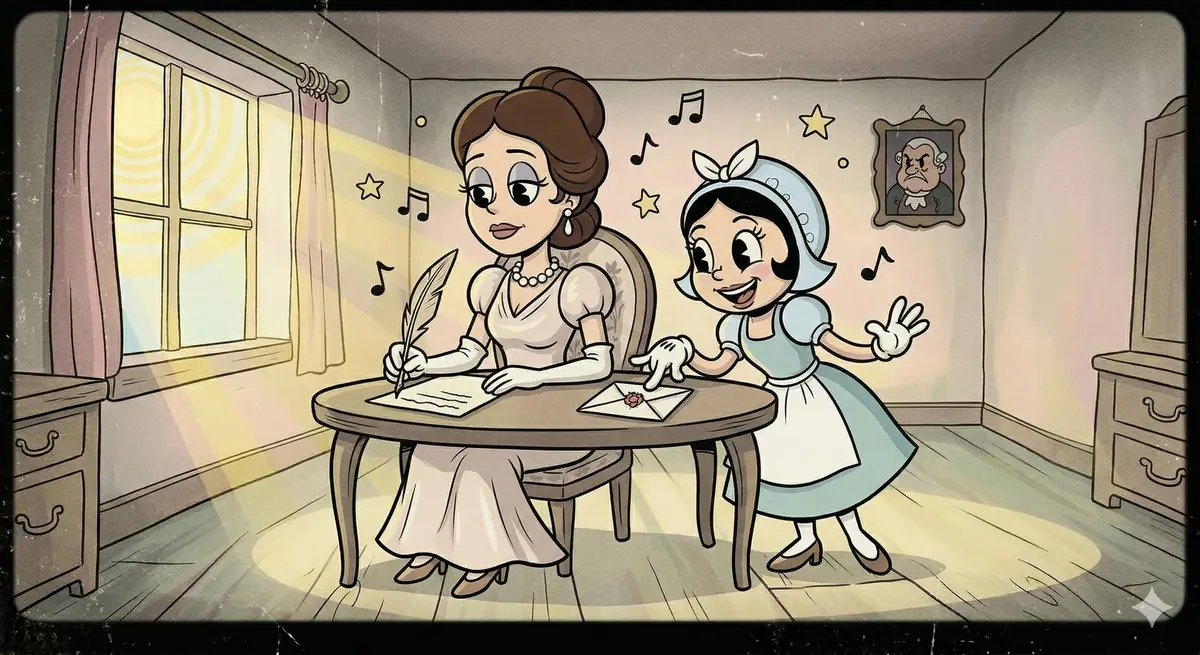
When Susanna arrives, the two women compose a letter together — the famous letter duet “Sull’aria” — inviting the Count to a secret meeting in the garden that night. A pin seals it, to be returned as proof he received it.
Their voices intertwine as they write, two women quietly seizing control of the game.

The Wedding and the Letter
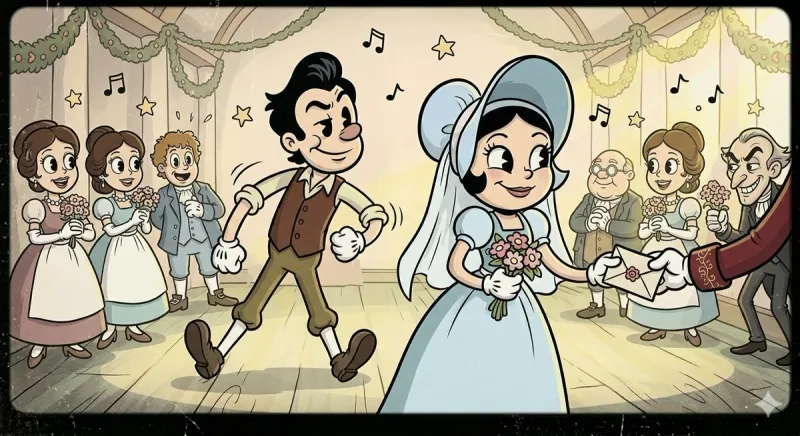
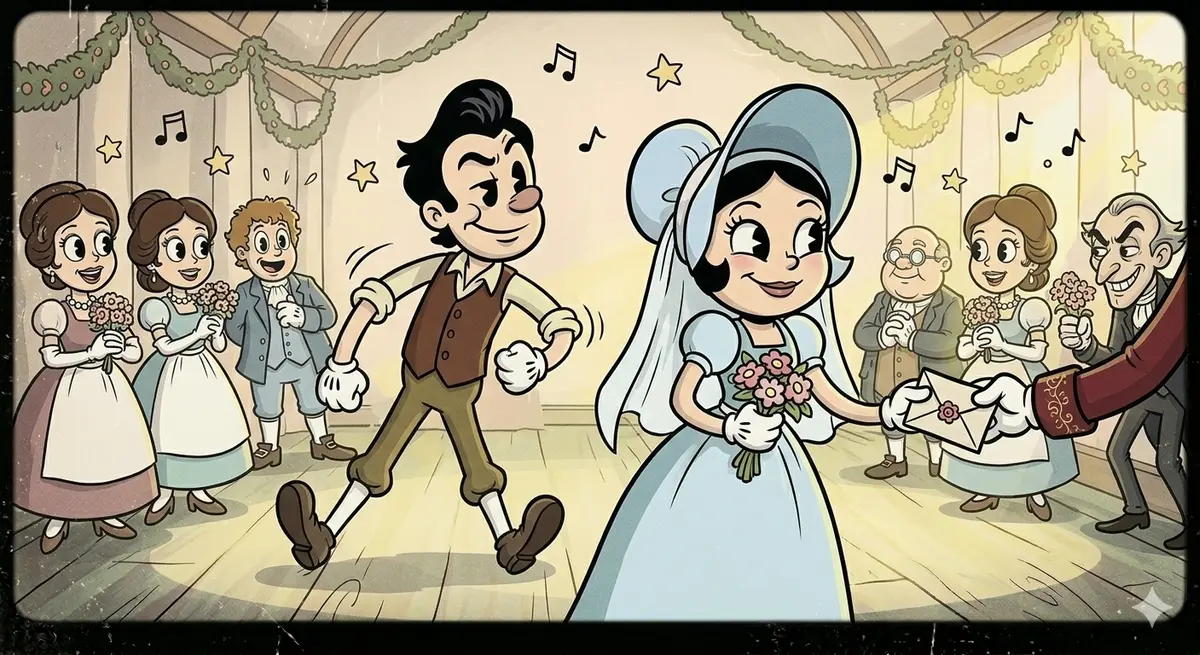
The Act 3 finale is a public celebration. Peasant girls present flowers to the Countess, and the wedding march finally begins — Figaro and Susanna’s marriage proceeding in full splendour.
Cherubino, disguised among the girls, is suddenly exposed by Antonio. The Count seethes but must swallow his anger in front of the assembled guests.
During the procession, Susanna slips the plotted letter into the Count’s hand. He pricks his finger on the hidden pin — and Figaro watches the moment with a knowing, sardonic smile. The celebration blazes on, hiding the intrigue beneath.

The Lost Pin
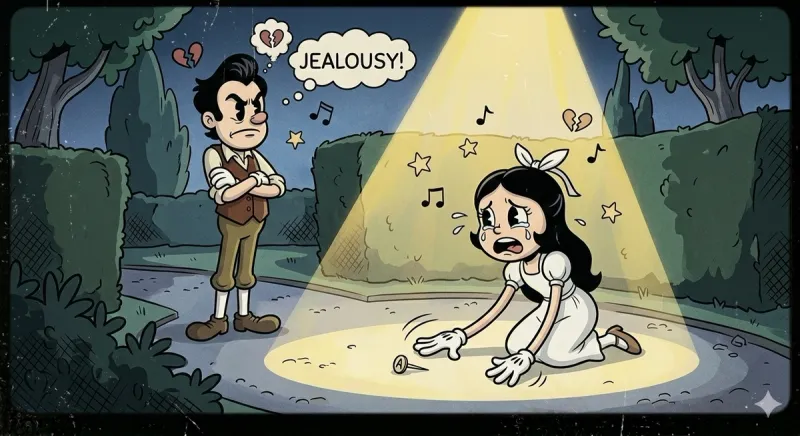
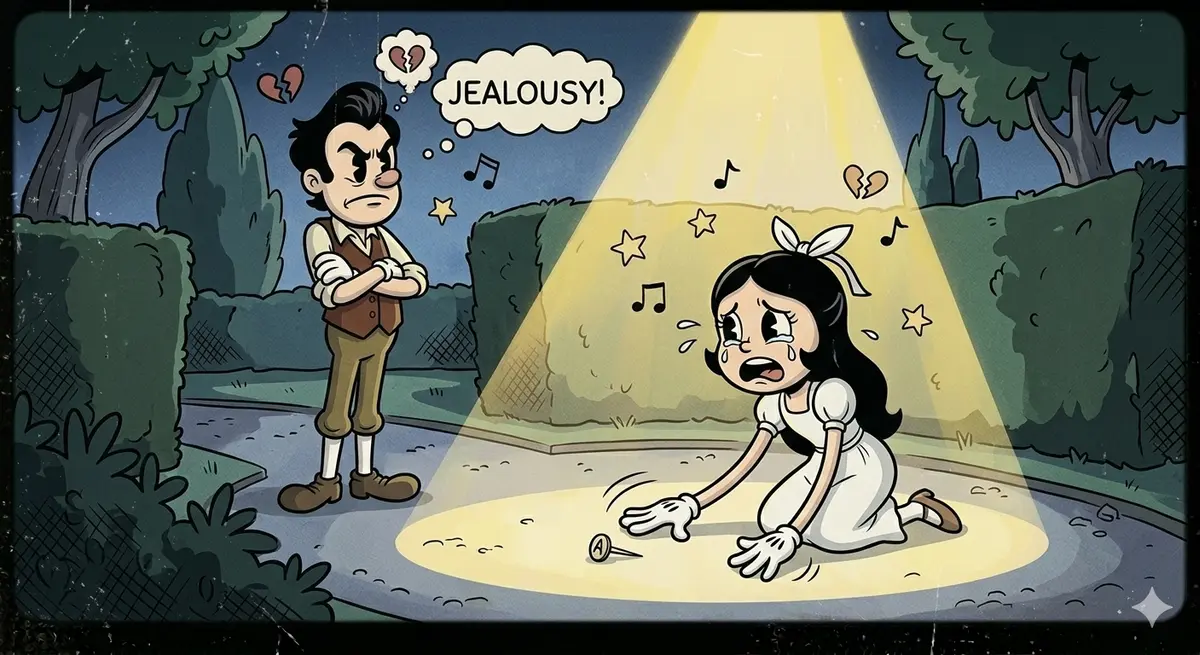
Night has fallen on the garden. Young Barbarina is on her knees searching the gravel path, weeping — she has lost the pin the Count gave her to return to Susanna as a signal.
Figaro and Marcellina come upon her. When Figaro learns what the pin means — that Susanna has arranged a secret meeting with the Count — jealousy floods through him.
He pours out his bitterness in the aria “Aprite un po’ quegli occhi,” raging against the faithlessness of women, even as Marcellina tries to calm him and urges him to trust Susanna.

Revelations in the Garden
In the moonlit garden, the Countess and Susanna have exchanged clothes. Susanna, dressed as the Countess, sings the tender “Deh vieni non tardar” — addressed to Figaro, though he thinks she is wooing the Count and burns with jealousy.
What follows is a whirlwind of mistaken identities: Cherubino flirts with the wrong woman, the Count courts his own wife without knowing it, and Figaro — once he catches on — plays along to teach Susanna a lesson.
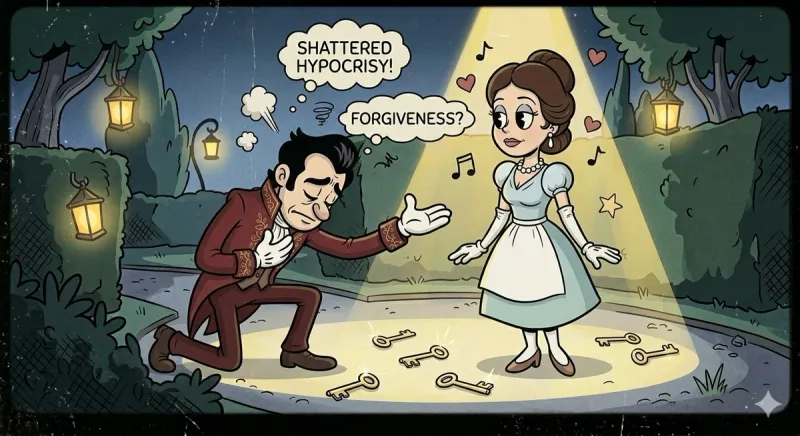
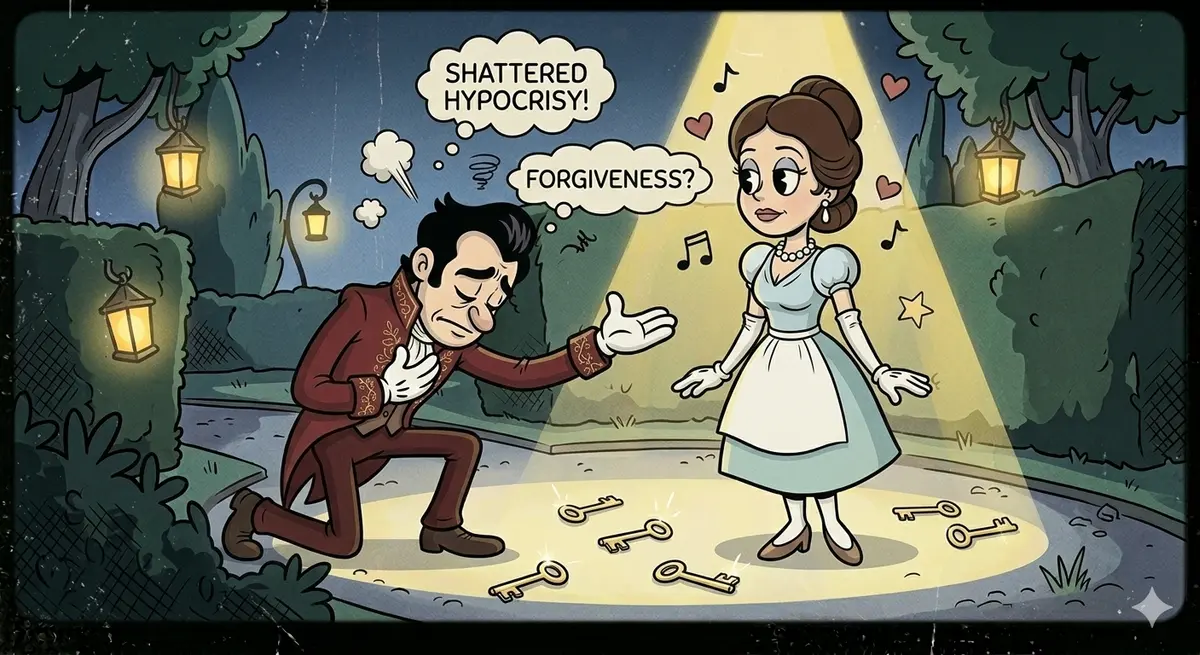
When the Count triumphantly believes he has caught Figaro with his wife, he calls everyone to witness — only for the real Countess to reveal herself. Shattered, he kneels and begs her forgiveness. She grants it with quiet grace, and the opera ends in reconciliation and celebration.