Imperial Rome
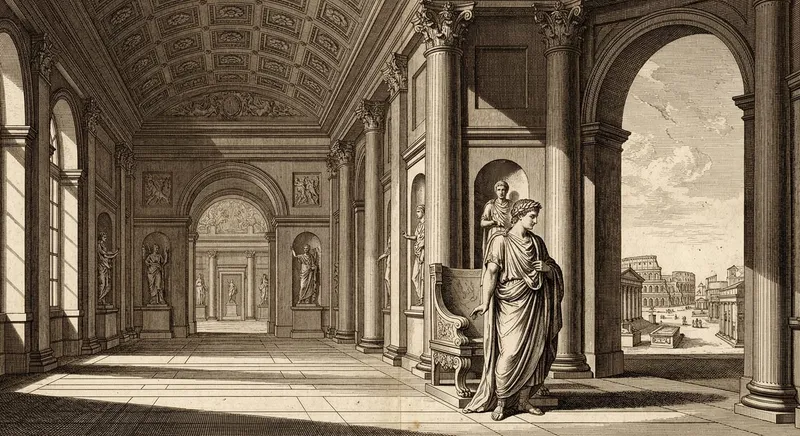
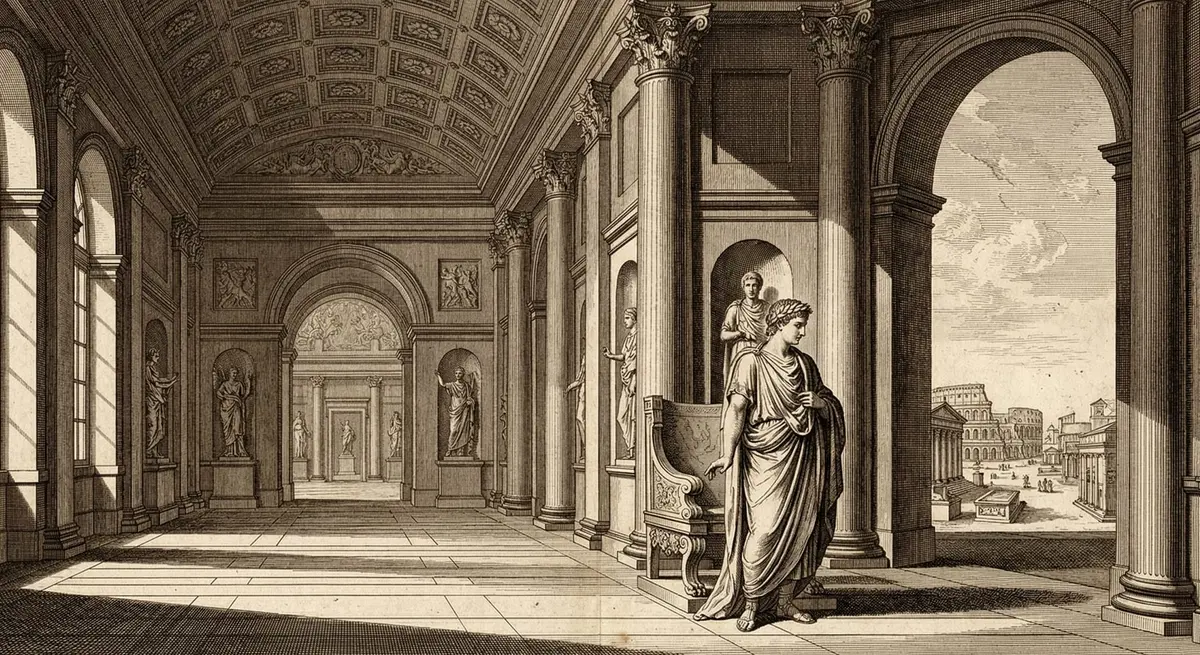
Rome at the height of its imperial splendor. The young Emperor Titus Vespasianus rules with a generosity that astonishes his court and irritates those who would exploit it. He has recently dismissed Berenice, the foreign queen he loved, because the Roman Senate would never accept her — duty over desire, a sacrifice that earns him the people's adoration but leaves a painful void in his heart. As the overture's bright fanfares give way to undercurrents of shadow, we sense that this emperor's goodness will soon be put to a far more dangerous test.

Vitellia's Fury
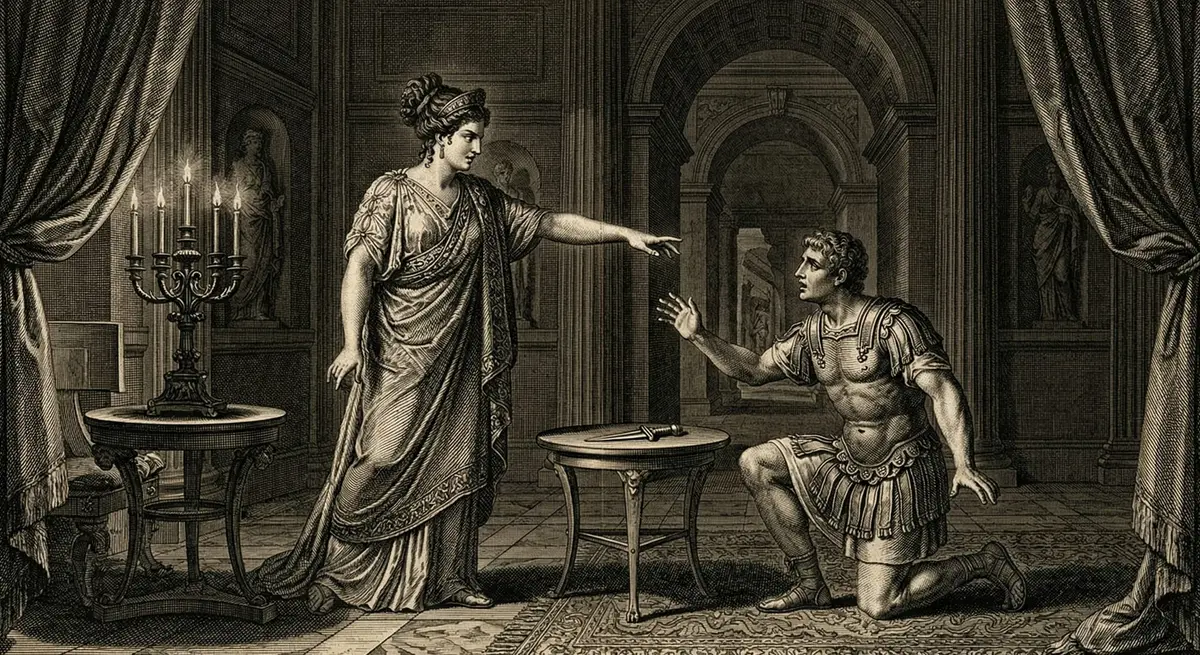
Vitellia, daughter of the deposed Emperor Vitellius, has been nursing a singular obsession: the throne that was stolen from her family. She expected Titus to marry her and restore her birthright, but instead he chose Berenice. Now, with Berenice gone, she learns that Titus is considering yet another bride — the Judaean princess has barely departed, and already another woman may take her place. Enraged and desperate, Vitellia turns to Sesto, the young nobleman who adores her blindly. In their opening duet 'Come ti piace, imponi' she demands proof of his love: he must join the conspiracy to murder Titus. Sesto, torn between his devotion to the emperor and his consuming passion for Vitellia, cannot refuse her. She sweetens the manipulation in 'Deh se piacer mi vuoi,' assuring him that if he truly wants to please her, he knows what he must do.

The Philosopher Emperor
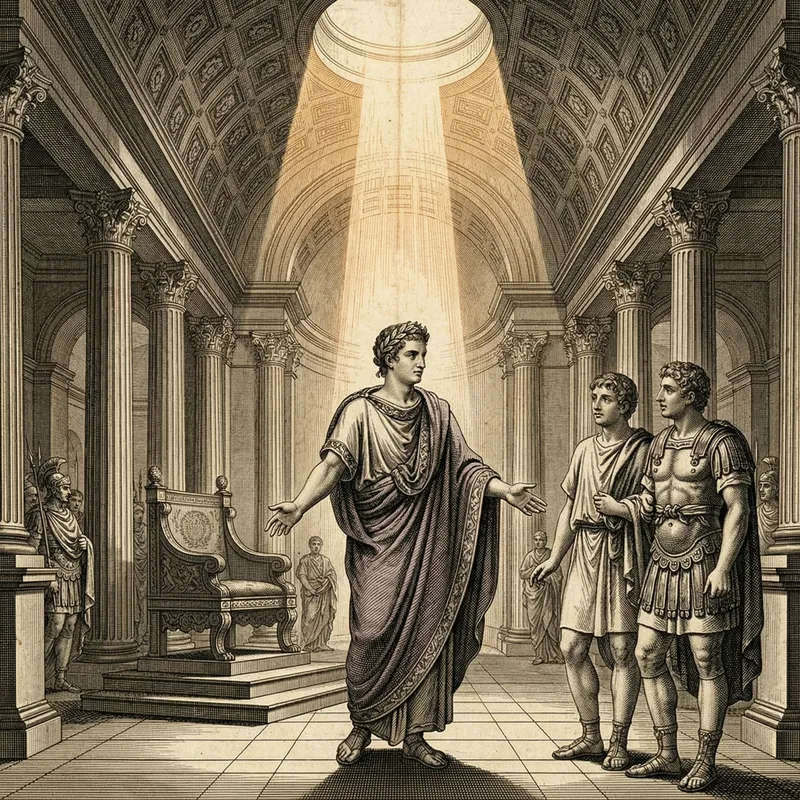
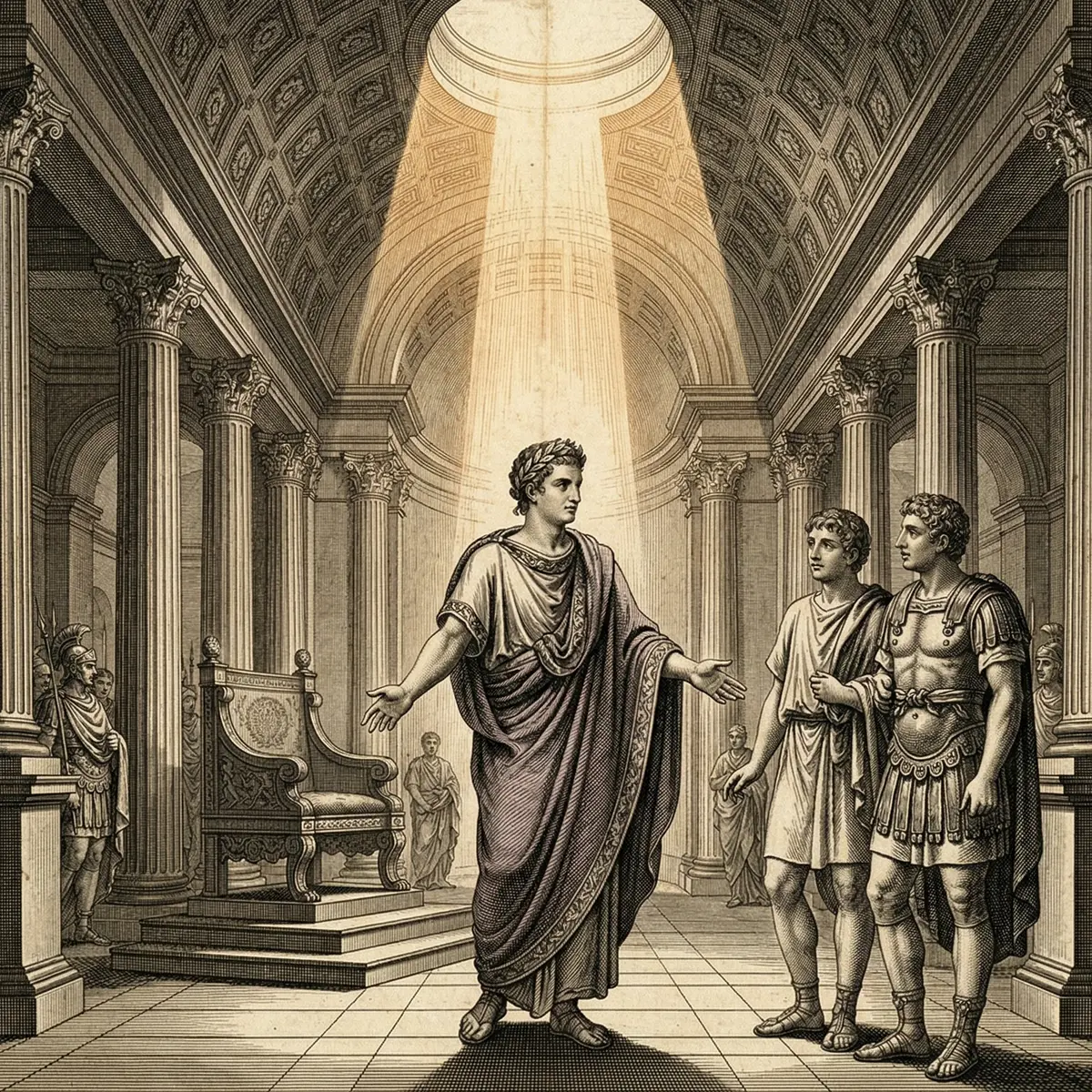
At court, the contrast could not be starker. Titus receives Annio and Sesto warmly, announcing his decision to choose a Roman wife instead. In 'Del più sublime soglio' he shares his governing philosophy: the only purpose of supreme power is the chance to do good. He tells Annio that he intends to marry Servilia — not realizing she is already Annio's beloved. Annio, loyal and selfless, cannot bring himself to object, but he and Sesto share a poignant embrace in 'Deh, prendi un dolce amplesso,' a moment of pure friendship that makes the coming betrayal all the more devastating.

Servilia's Honesty
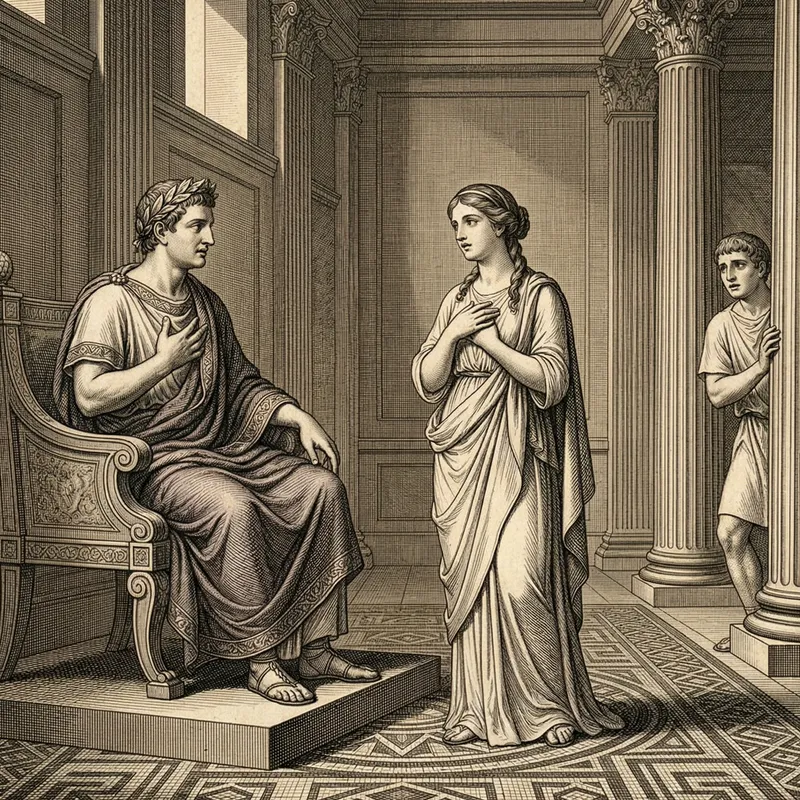
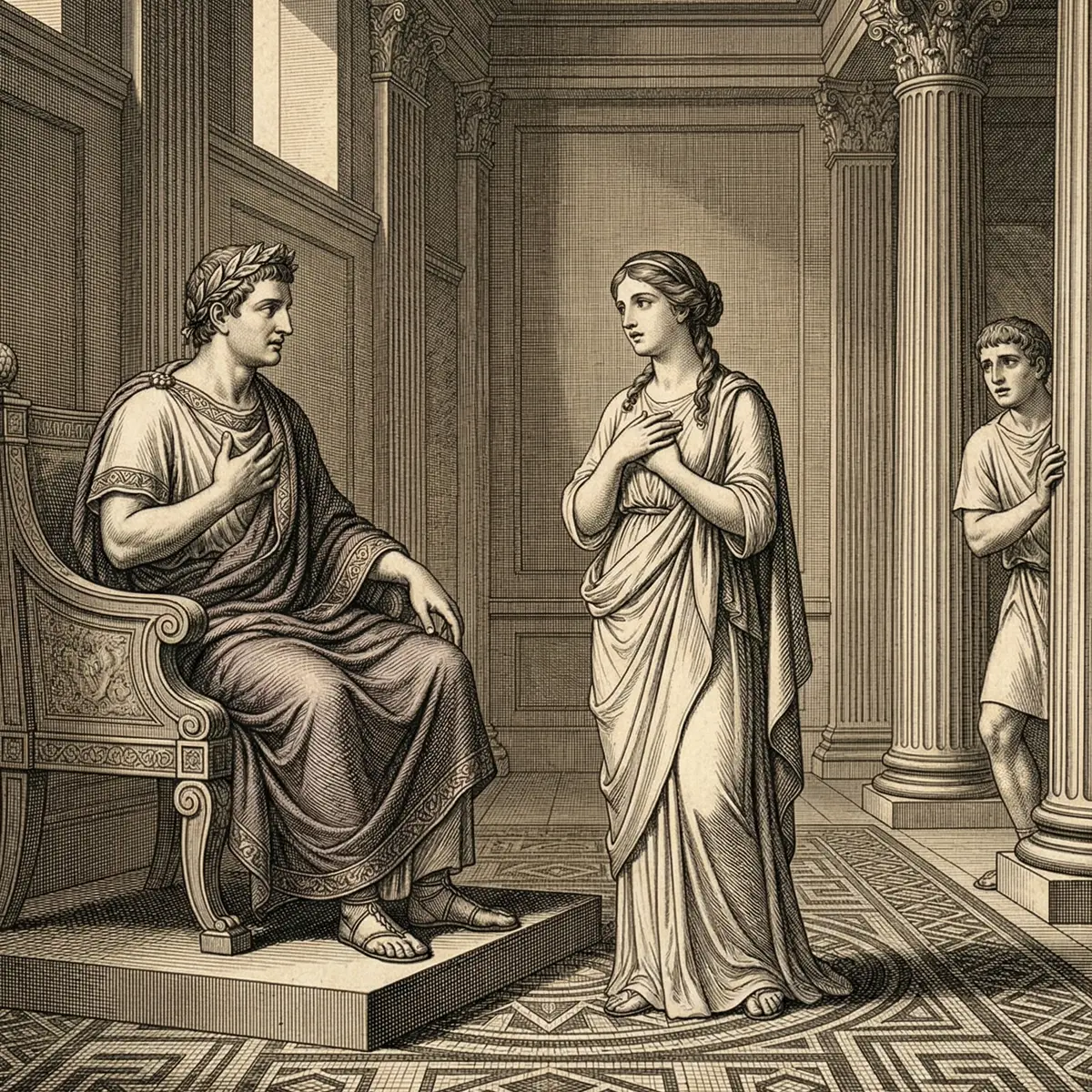
When Titus proposes marriage to Servilia, she does something no one else at court would dare: she tells the truth. She confesses that her heart already belongs to Annio, trusting the emperor's reputation for generosity rather than seizing the crown offered to her. In the tender duet 'Ah perdona al primo affetto,' she and Annio reaffirm their love, asking forgiveness for the awkward situation. Titus, far from being offended, is moved to admiration. In 'Ah, se fosse intorno al trono' he reflects wistfully that if every subject were this honest, governing would be effortless. He releases Servilia with grace — but her candor only deepens the irony, for he remains completely blind to the far more dangerous deception unfolding around him.

Sesto's Torment
With Servilia freed from the emperor's proposal, Vitellia becomes the obvious choice for empress — but she does not yet know this. Still burning with resentment, she presses Sesto to act now, before another rival can emerge. In the devastating aria 'Parto, parto, ma tu ben mio,' accompanied by an achingly beautiful clarinet obbligato, Sesto surrenders completely. He will go, he will carry out the terrible deed, but he begs Vitellia to at least look at him with kindness before he destroys himself. It is Mozart at his most psychologically penetrating: a man walking knowingly toward his own ruin, unable to stop because love has eclipsed every other instinct.

Too Late
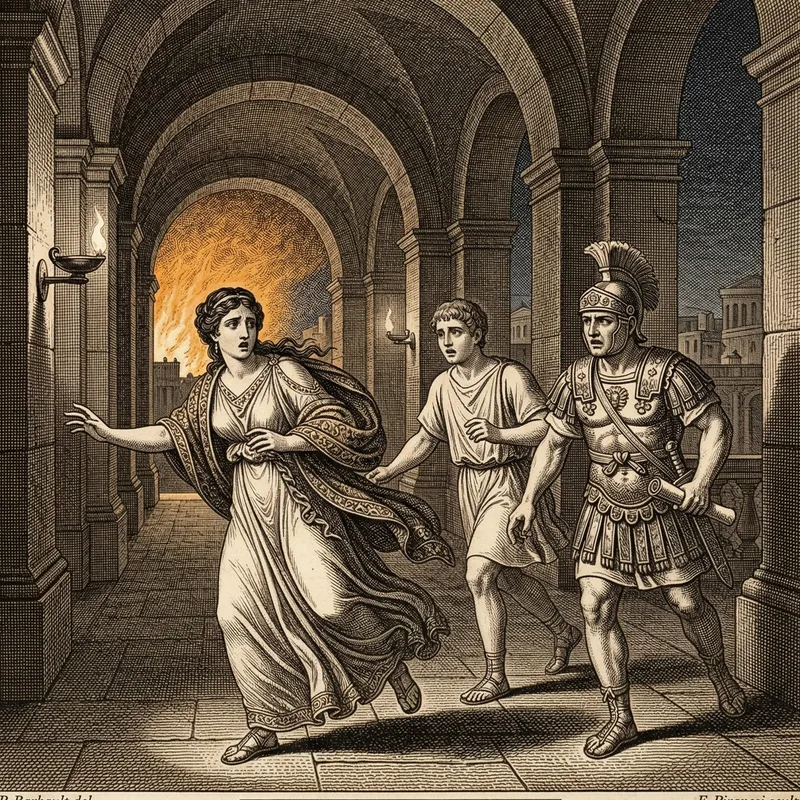
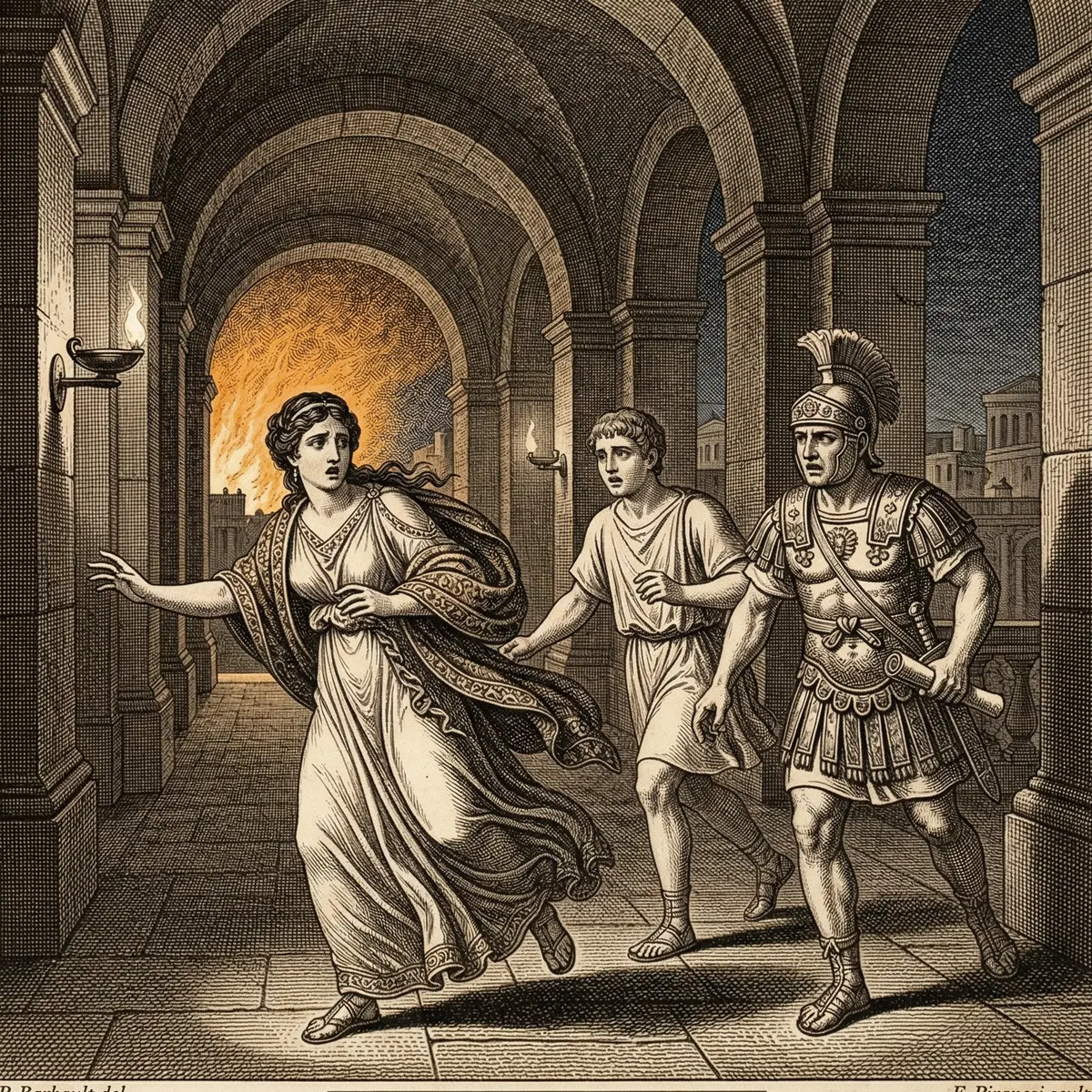
The cruelest twist: just as Sesto sets the conspiracy in motion, Annio and Publio arrive to tell Vitellia that Titus has finally chosen her as empress. Everything she wanted is suddenly within reach — through love, not murder. She desperately tries to send word to stop Sesto, but the plot is already underway. In the frantic trio 'Vengo... aspettate... Sesto!' she races against time, her panic rising as she realizes she may have destroyed the man she manipulated and the throne she coveted in a single catastrophic miscalculation.

The Capitol Burns
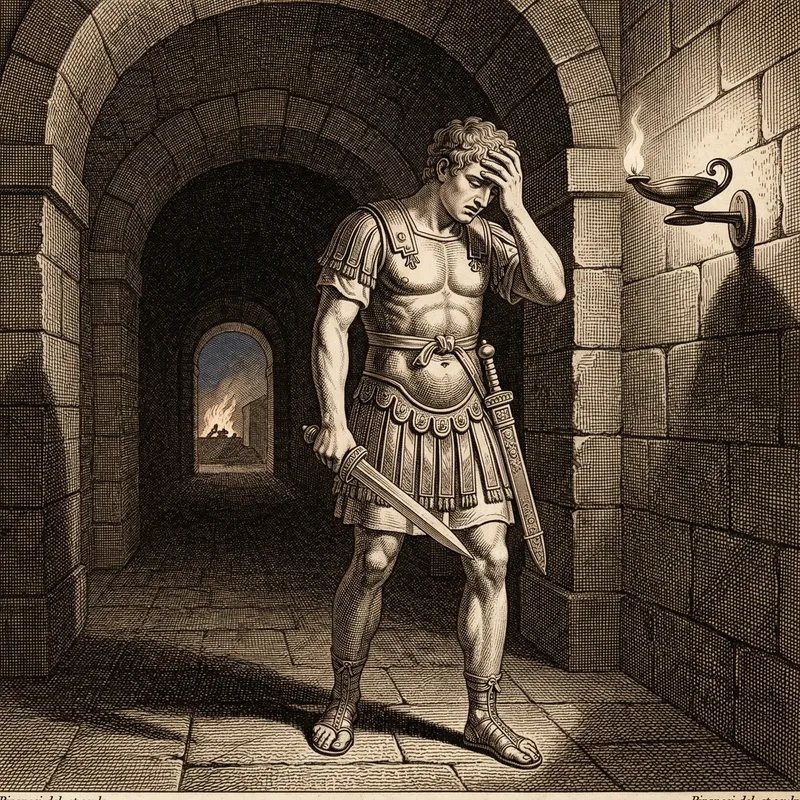
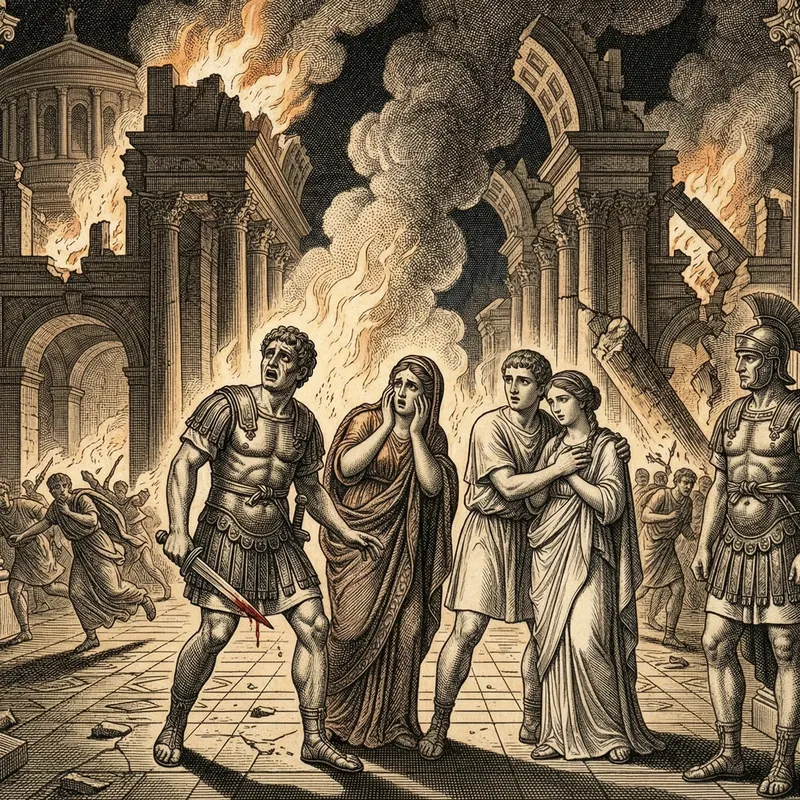
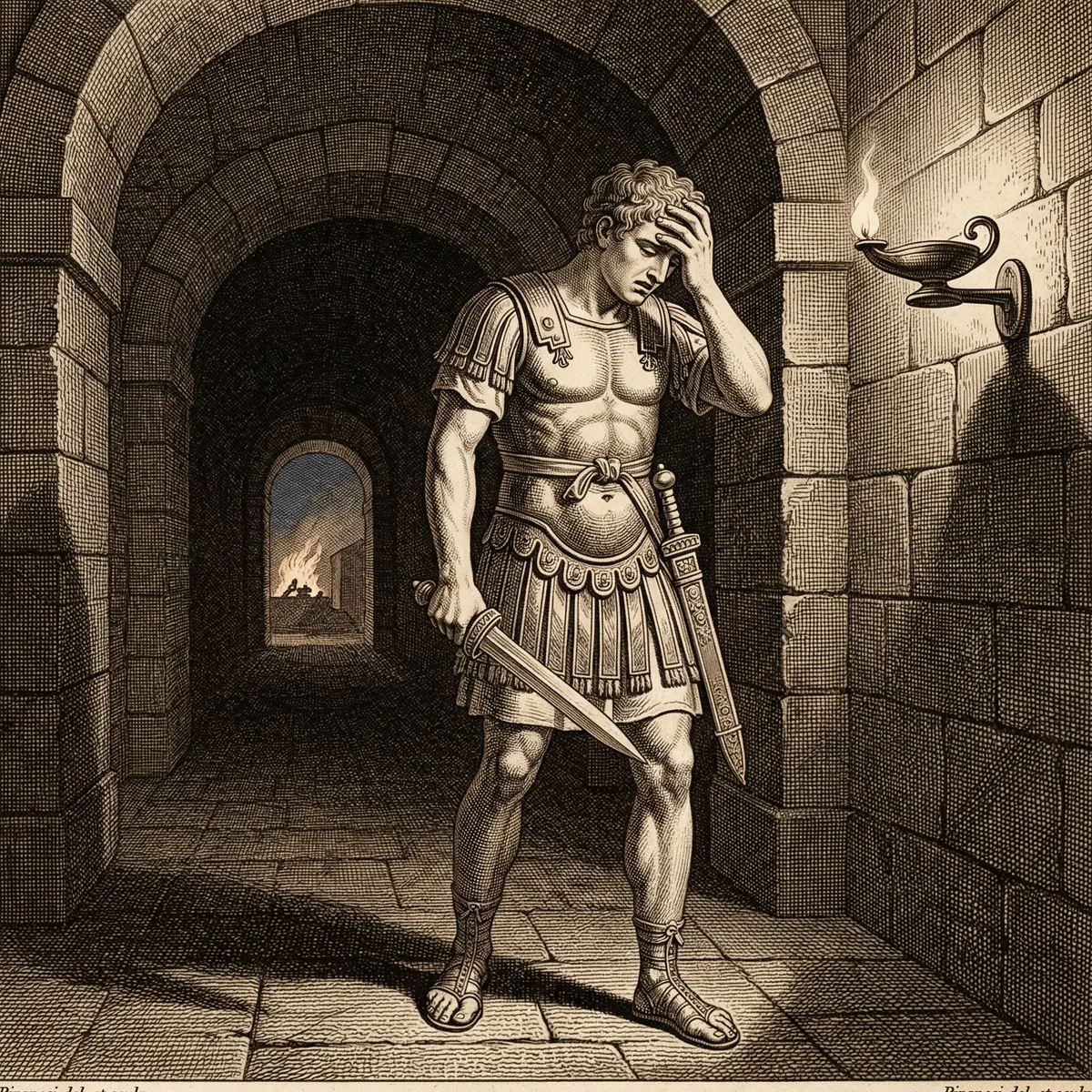
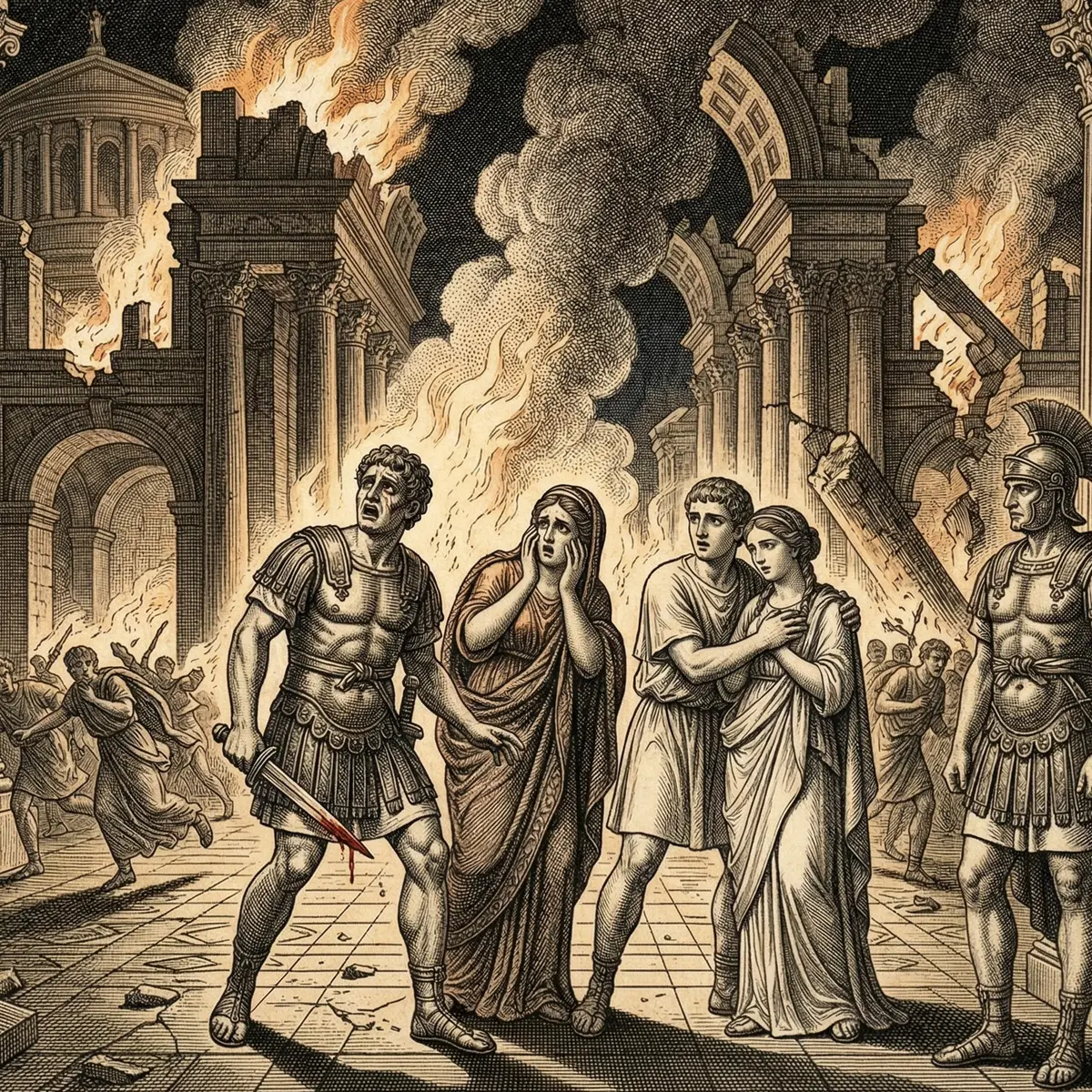
Chaos erupts as the conspirators set fire to the Capitol. Sesto, dagger in hand, has struck down a man he believes to be Titus, though in the smoke and confusion nothing is certain. The quintet 'Oh Dei, che smania è questa' captures the collective horror: Sesto is destroyed by guilt, Vitellia terrified of exposure, Annio and Servilia bewildered, Publio grim with duty. As Rome burns around them, the Act 1 finale becomes a collective prayer — 'Deh conservate, oh Dei' — the people and the conspirators alike begging the gods to spare their emperor. The act ends in devastating uncertainty: is Titus alive or dead?

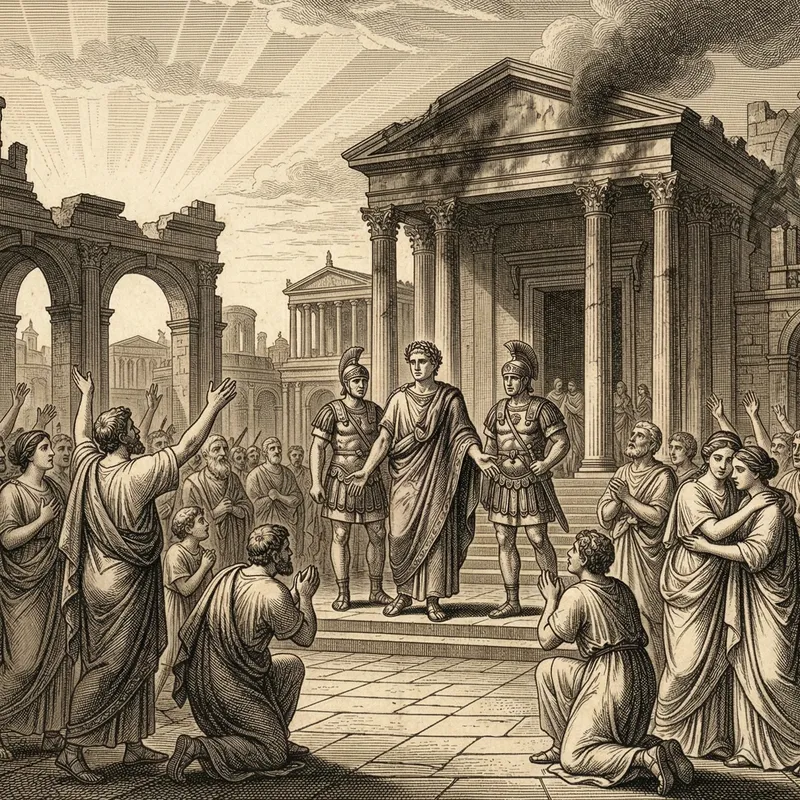
Titus Survives
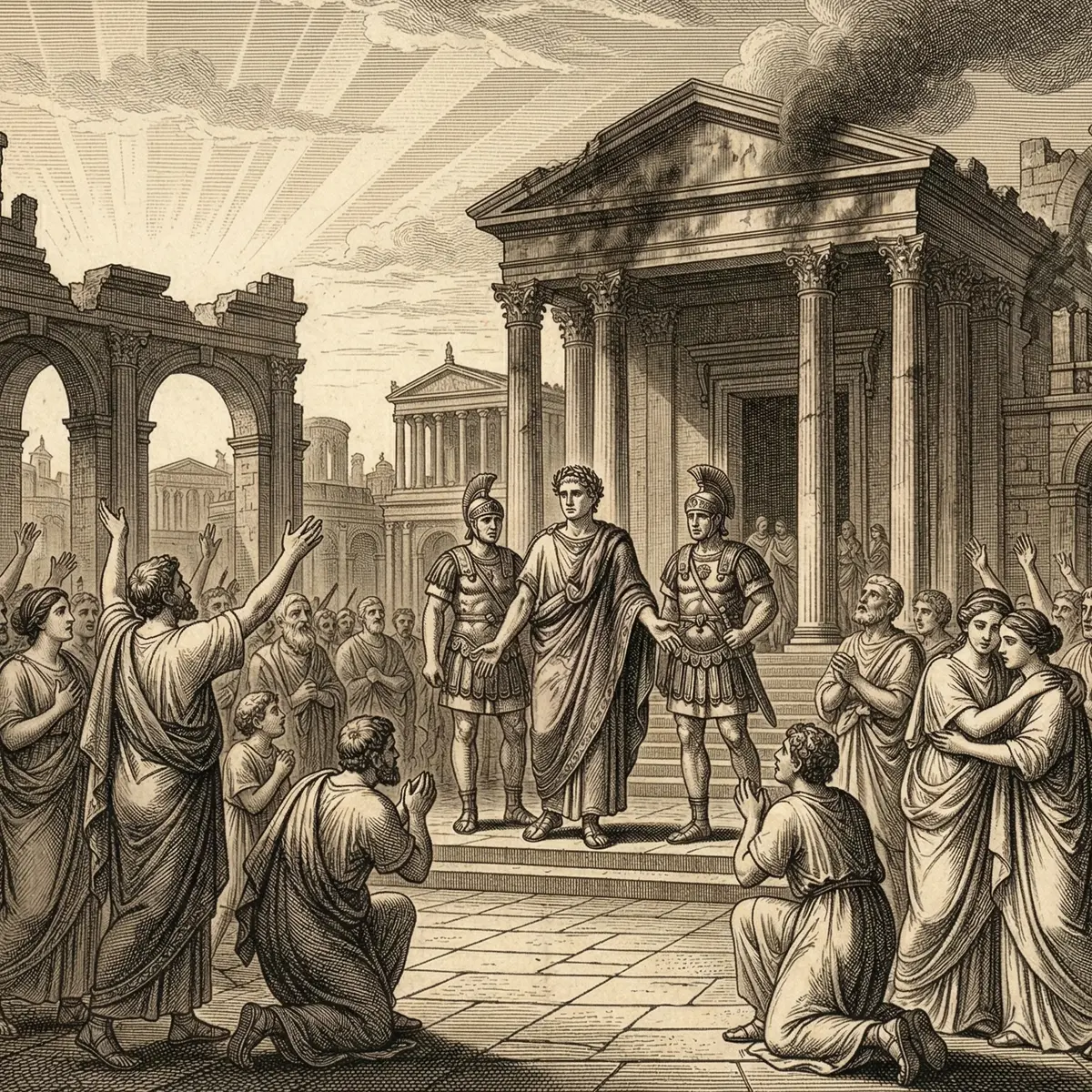
Dawn breaks on shattered nerves. Titus is alive — the man Sesto struck down was Lentulus, another conspirator, not the emperor. Rome erupts in thanksgiving, the chorus singing 'Ah grazie si rendano' with fervent relief. But for Sesto, survival brings no comfort; his treachery is known, and arrest is inevitable. Annio, ever the faithful friend, begs Sesto to go to Titus and confess before he is dragged there in chains. In the gentle aria 'Torna di Tito a lato,' Annio clings to the hope that their emperor's famous mercy might extend even to this.

Sesto's Arrest
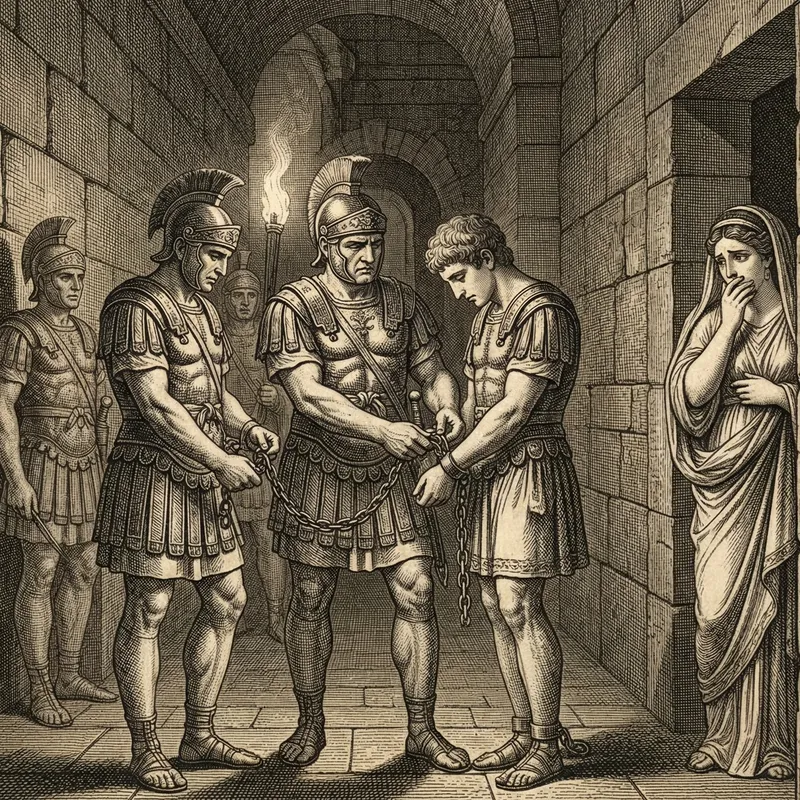
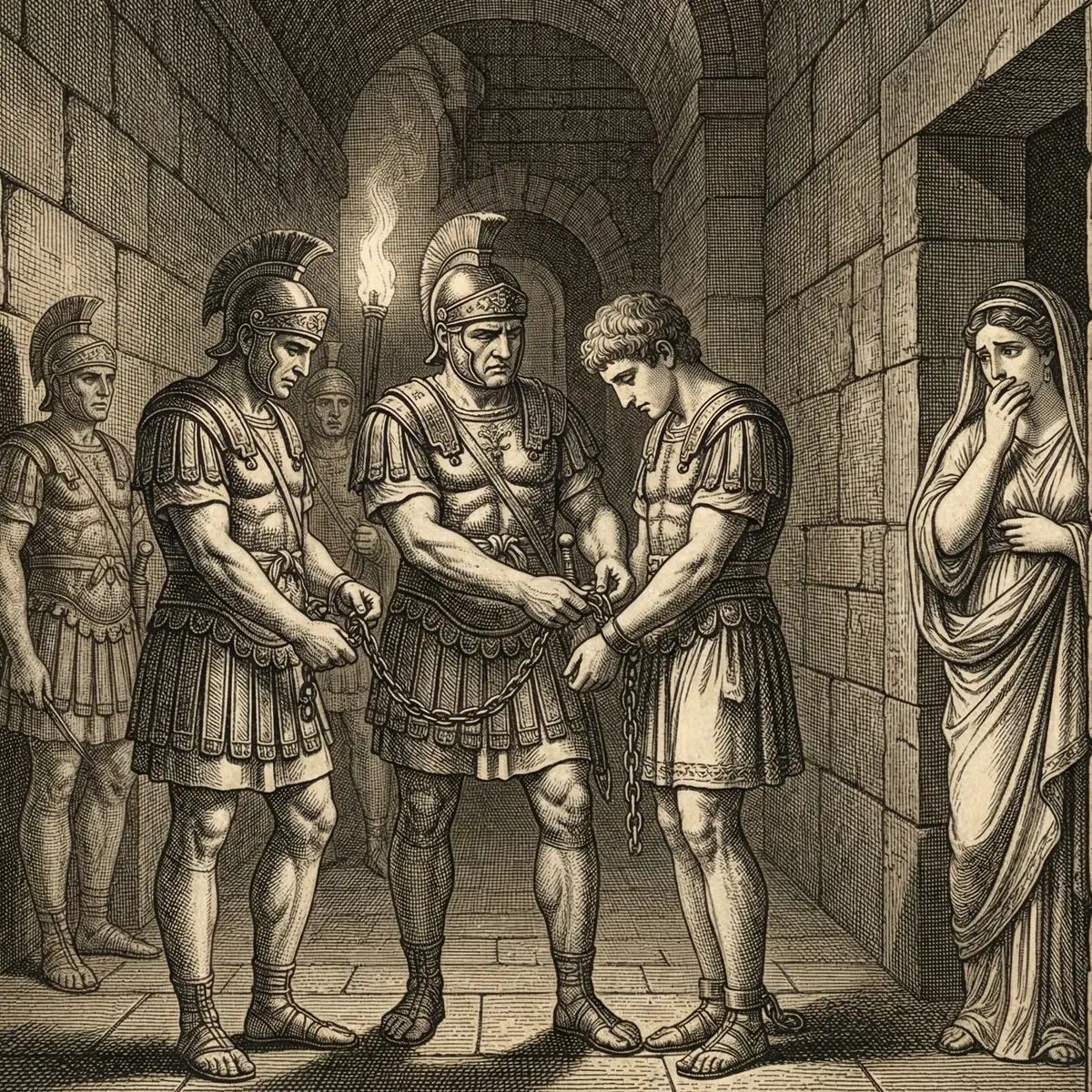
Publio arrives to arrest Sesto. In the tense trio 'Se al volto mai ti senti,' Vitellia silently begs Sesto not to betray her, while Sesto resolves to shoulder all the guilt alone, and Publio carries out his duty with quiet dread. As they lead him away, Publio reflects darkly in 'Tardi s'avvede' that those who sit on thrones discover too late who truly loves them and who merely flatters. It is a bleak observation from a soldier who has seen power corrode trust too many times.

Sesto's Confession
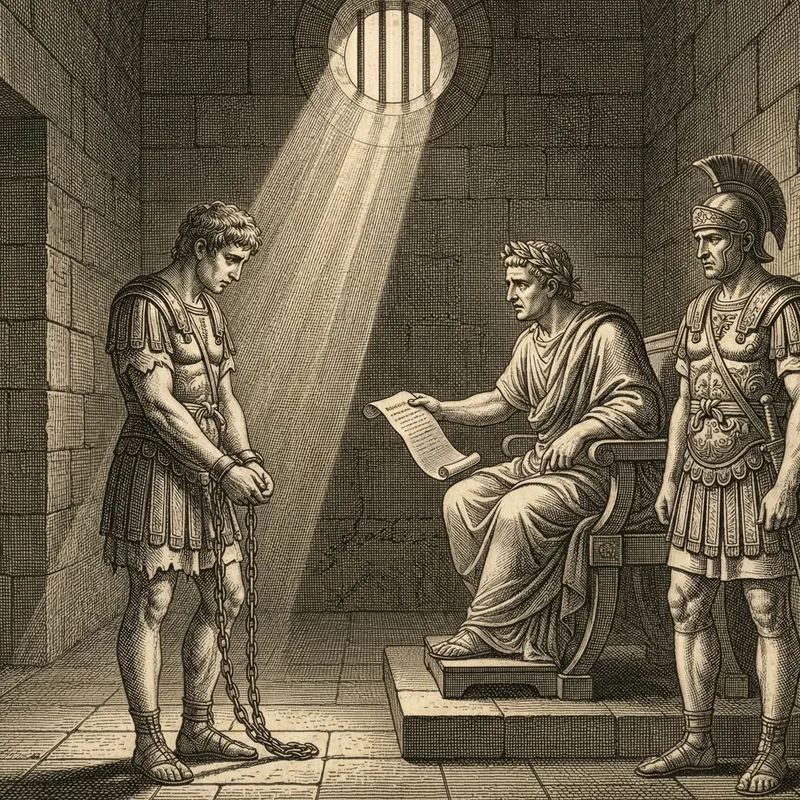
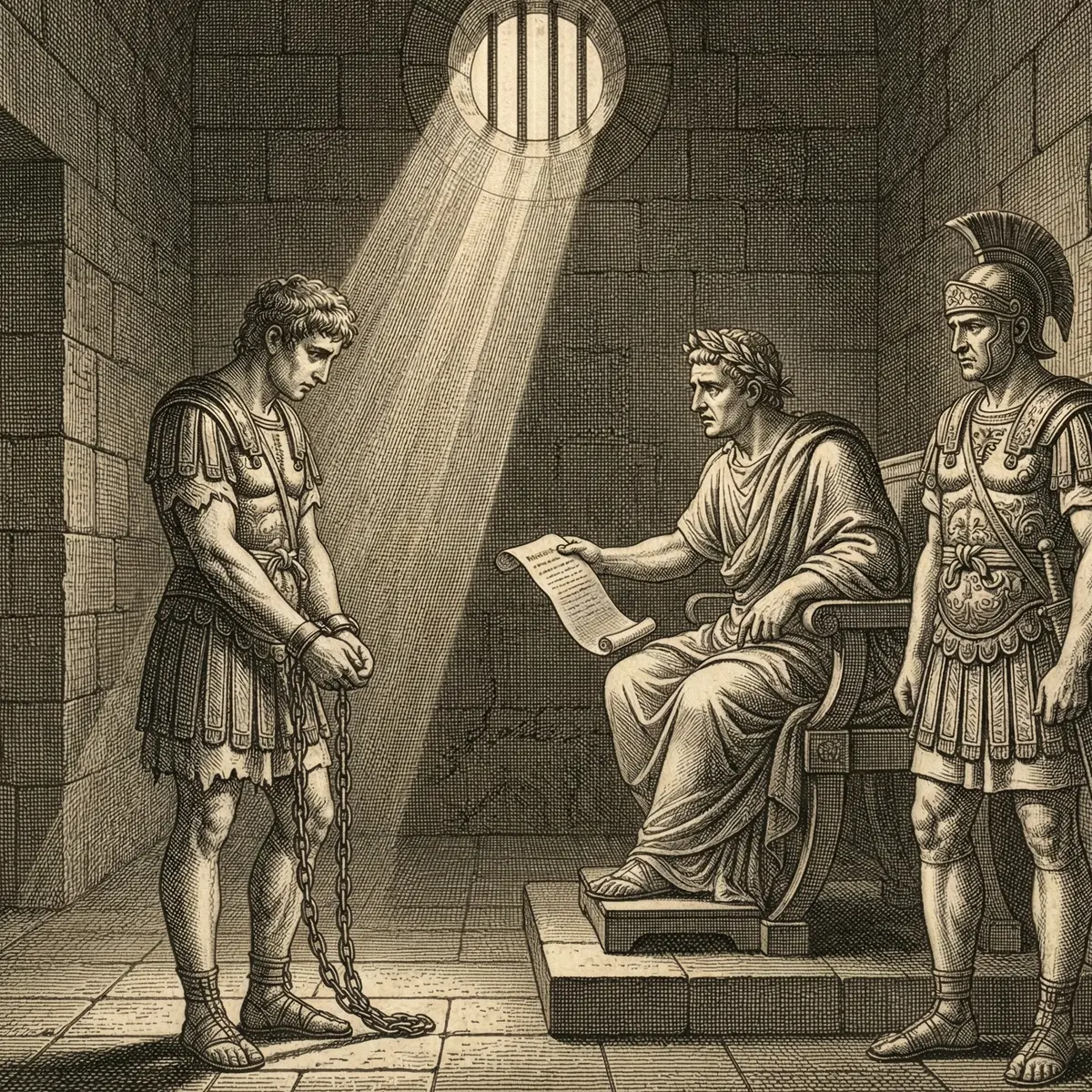
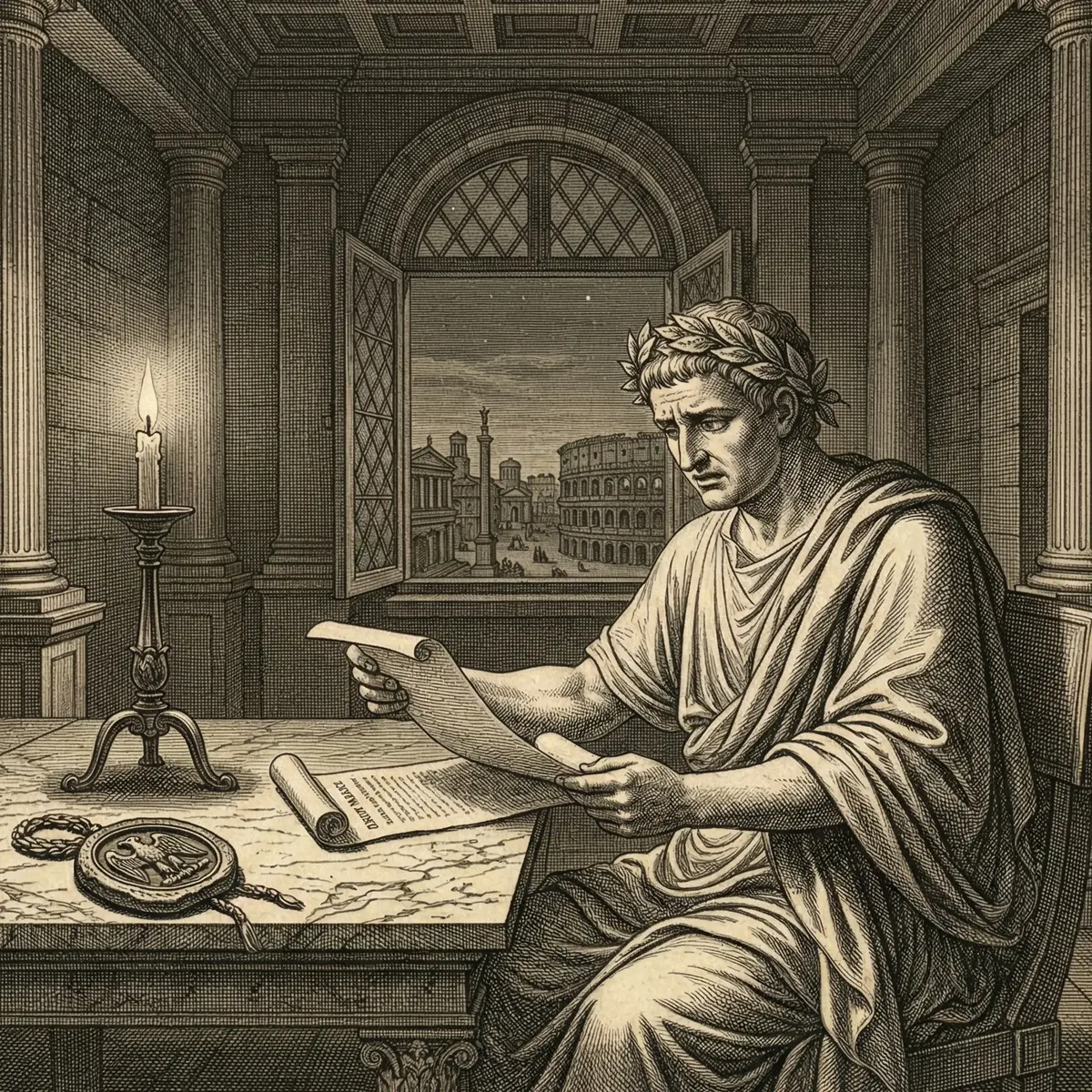
Annio makes one last appeal to Titus in the aria 'Tu fosti tradito,' acknowledging the betrayal but insisting that Sesto's past friendship was genuine, and begging the emperor to at least hear the confession in person. Sesto is brought before Titus in chains. The scene that follows is among the most emotionally searing Mozart ever composed. In 'Deh per questo istante solo,' Sesto does not beg for his life — he begs only that Titus remember their friendship as it was, before this terrible night. He refuses to name Vitellia as the conspiracy's architect, choosing death over betraying the woman he loves. In the trio 'Quello di Tito è il volto,' Titus searches Sesto's face for an explanation, Sesto cannot bear to meet his eyes, and Publio watches as the bond between emperor and friend fractures in real time. Titus is left holding the signed death sentence, unable to comprehend how the person he trusted most could have wanted him dead.

The Emperor's Dilemma
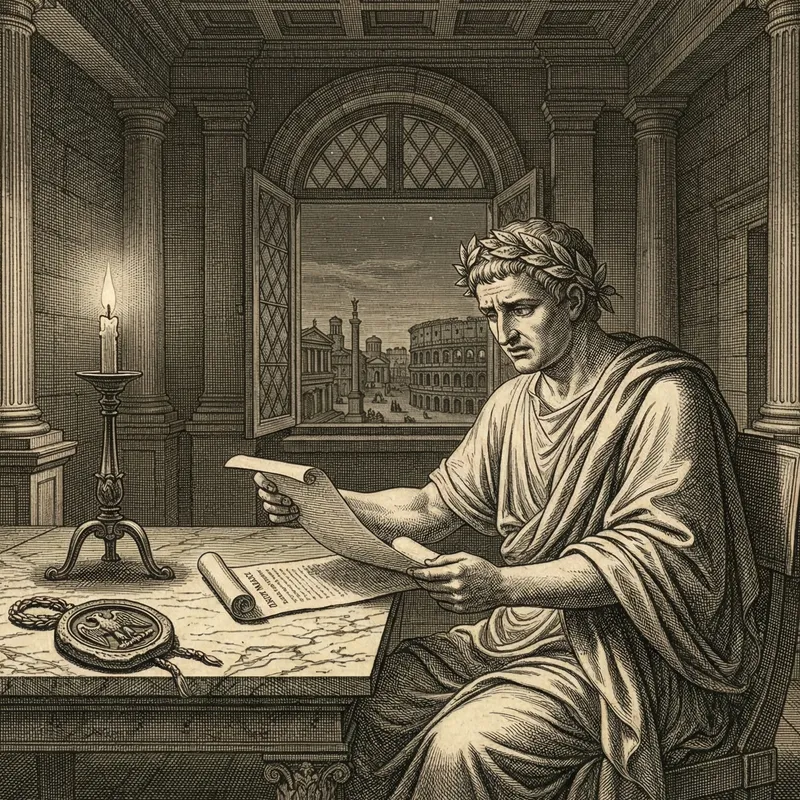
Alone in his chambers, Titus faces the central question of the opera — and arguably of all political philosophy: does mercy have a limit? In the magnificent aria 'Se all'impero, amici Dei,' he holds the death warrant and agonizes. Every instinct tells him to forgive, but the Senate demands justice, and his own heart demands answers Sesto will not give. If being emperor means becoming cruel, he declares, then let the gods take back the crown. Meanwhile, Servilia confronts Vitellia with the plain truth: tears will not save Sesto. In 'S'altro che lacrime,' she cuts through all of Vitellia's self-pity with devastating directness — only a confession can stop the execution now.

Vitellia's Confession
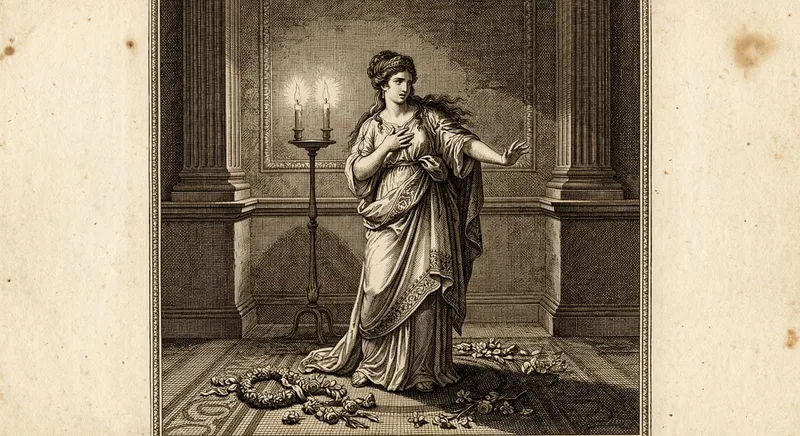
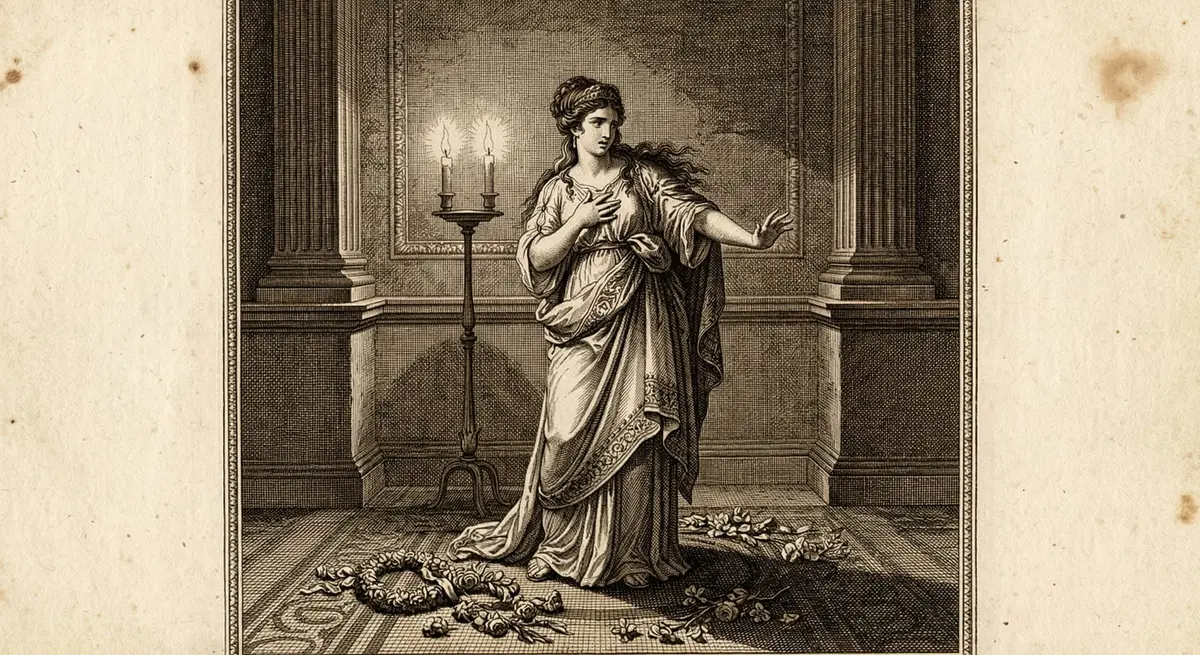
The moment of reckoning. Vitellia, who has spent the entire opera manipulating others to serve her ambition, finally confronts what it has cost. In the extraordinary rondò 'Non più di fiori vaghe catene,' accompanied by the dark, rich voice of the basset horn, she sees that the bridal flowers she craved will become her chains. The aria is a journey from despair through resolution to a terrifying acceptance: she will go to Titus and confess everything, knowing it means losing the throne, her freedom, and possibly her life. It is the moment where Vitellia becomes fully human, and Mozart gives her music of staggering beauty to mark the transformation.

The Clemency of Titus
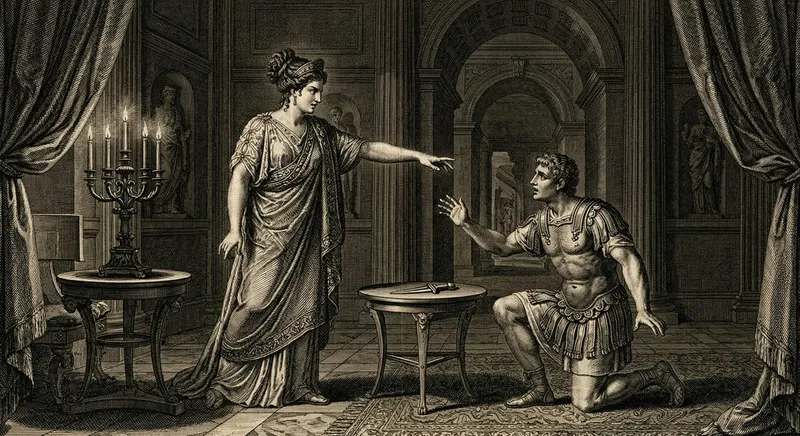
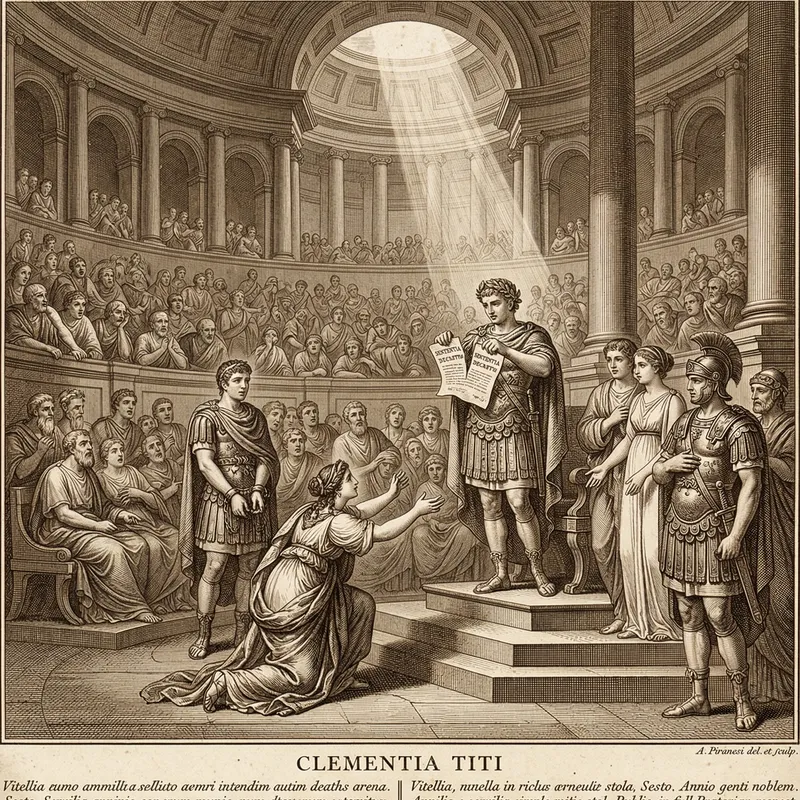
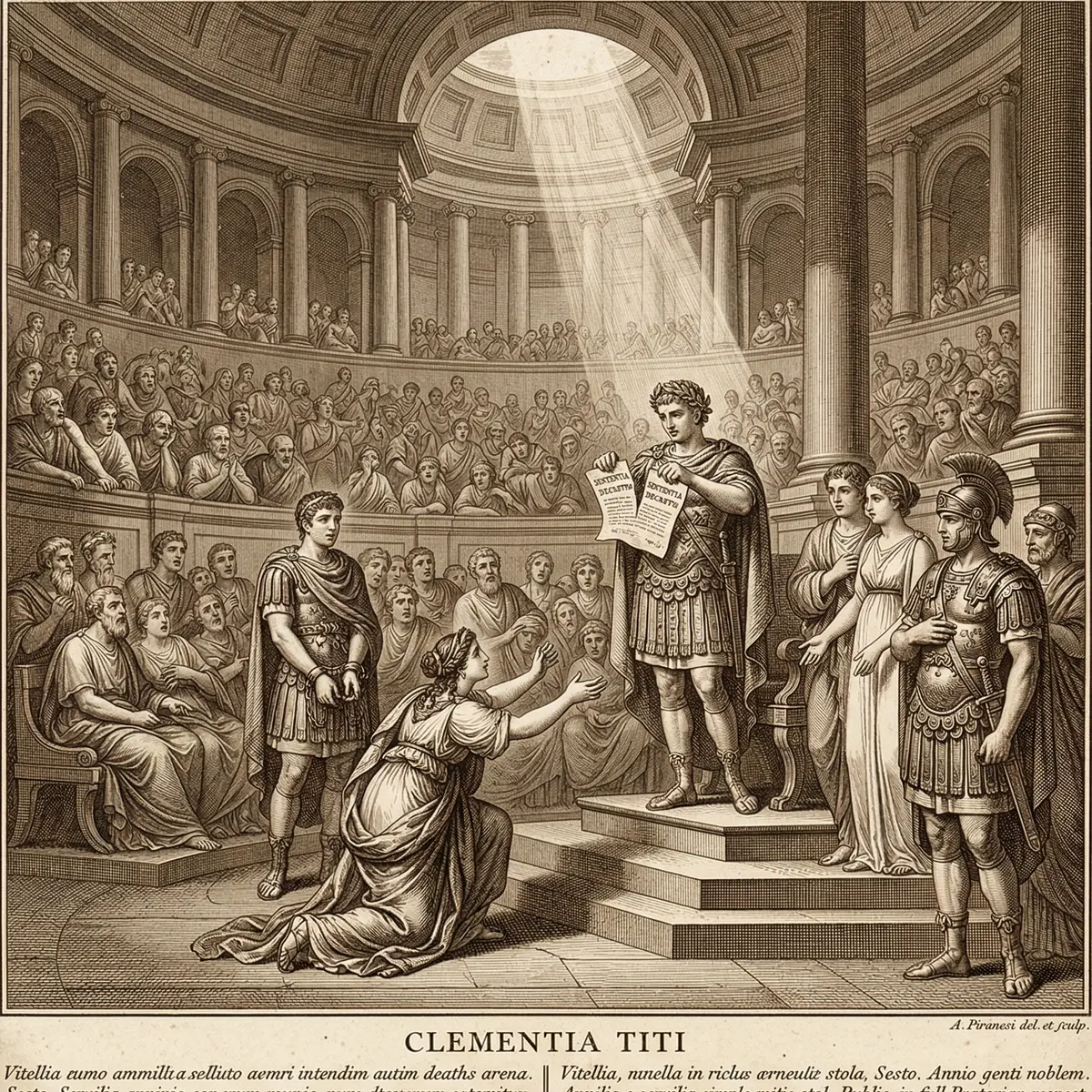
In the public arena where the conspirators are to be sentenced, Vitellia throws herself at Titus's feet and reveals the truth: she was the mastermind behind everything. Sesto, Annio, the entire court — all stand frozen. Titus, confronted with yet another betrayal from someone he was about to make empress, reaches the breaking point. The weight of every deception, every manipulation, every exploitation of his goodness bears down on him. And then — in a moment that gives the opera its name — he tears up the death sentence and pardons them all. 'If the stars demand a cruel emperor,' he declares, 'then let them either change my heart or take back the throne.' The final chorus blazes with gratitude and wonder, but Mozart's music carries an undertone of exhaustion and hard-won grace. This is not the easy mercy of a naïve ruler — it is the costly, deliberate choice of a man who has looked into the abyss and decided, against all reason, to remain human.