- 쾨헬 번호
- K9 620 | K6 620
- 장르
- 오페라 & 무대음악
- 형식
- 오페라 & 징슈필
- 조성
- E Flat Major
- 날짜
- 30 9월 1791
- 장소
- Vienna
- 나이
- 35
1791년 빈의 불안한 시대를 배경으로, 모차르트가 에마누엘 시카네더와 협업해 독일어 징슈필 Die Zauberflöte(The Magic Flute)를 완성·초연하기까지의 과정과 그 즉각적인 성공, 그리고 작곡가의 마지막 나날을 따라간다.
마술피리 – 모차르트의 마지막 오페라적 모험
1791년 빈: 격랑 속의 도시와 작곡가
1791년의 빈은 전쟁과 경제난의 상처를 추스르는 도시였다. 오스트리아-튀르크 전쟁(1788–1791)이 막 끝났지만, 식료품 가격은 치솟았고 귀족 후원자들은 지갑을 닫기 시작했다[[1]](https://operavision.eu/performance/magic-flute-1#:~:text=1%C2%B0%20Mozart%E2%80%99s%20Final%20Years). 모차르트를 포함한 많은 음악가들이 궁핍과 긴축 속에서 고전했다. 1790년 무렵 모차르트의 살림살이는 바닥을 쳤고, 그는 더 싼 거처로 옮기고 소지품을 처분해야 했으며, 미하엘 푸흐베르크 같은 친구들에게 여러 차례 돈을 빌려달라고 애원했다[[2]](https://human.libretexts.org/Bookshelves/Music/Ethnomusicology/Resonances_-_Engaging_Music_in_its_Cultural_Context_\(Morgan-Ellis_Ed.\)/02%3A_Music_for_Storytelling/04%3A_Sung_and_Danced_Drama/4.02%3A_Sung_Drama/4.2.03%3A_Wolfgang_Amadeus_Mozart_-_The_Magic_Flute#:~:text=In%20the%20final%20years%20of,premiere%20of%20his%20final%20opera). 한 필자는 “1790년은 성인기 중 가장 생산성이 낮았던 해”였고, “친구 푸흐베르크에게 돈을 빌려달라는 애처로운 탄원”으로 가득했다고 적는다[[3]](https://playbill.com/article/the-price-of-genius#:~:text=This%20flood%20of%20masterpieces%20is,in%20the%20amounts%20Mozart%20wanted)[[4]](https://playbill.com/article/the-price-of-genius#:~:text=out%20of%20one%20of%20his,in%20the%20amounts%20Mozart%20wanted). 그러나 1791년 평화가 돌아오자 희망의 조짐도 보였다. 부유한 후원자들이 조심스럽게 다시 예술을 지원하기 시작했고[[5]](https://operavision.eu/performance/magic-flute-1#:~:text=were%20riots%20over%20bread%2C%20and,most%20celebrated%20works%2C%20including%20his), 모차르트의 “불안이 가시고 작곡 의지를 되찾았다”[[5]](https://operavision.eu/performance/magic-flute-1#:~:text=were%20riots%20over%20bread%2C%20and,most%20celebrated%20works%2C%20including%20his).
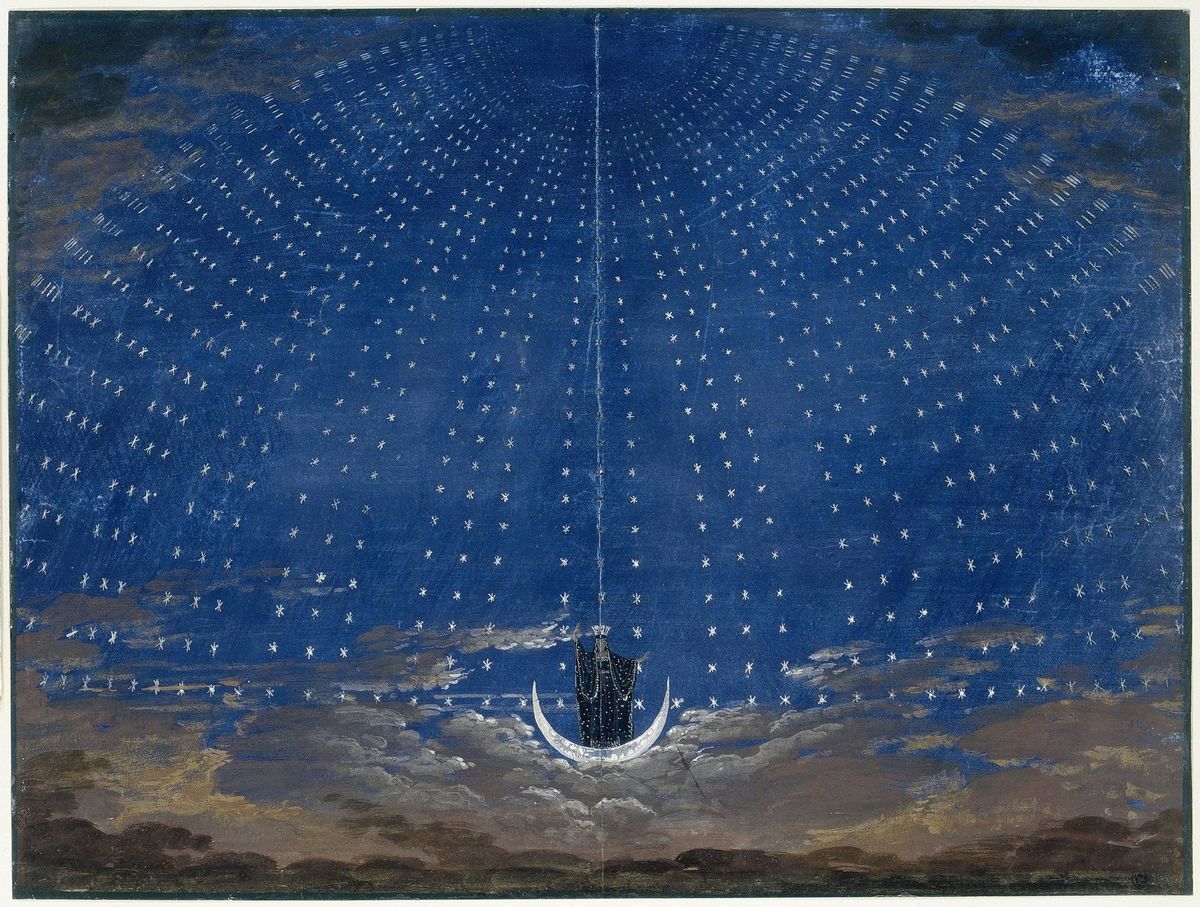
밤의 여왕의 등장. 1815년 공연을 위해 카를 프리드리히 싱켈이 제작한 무대 세트.
그해는 모차르트에게 유난히 분주하면서도 운명적인 한 해가 된다. 1791년 봄과 여름, 그는 갑자기 세 건의 대형 의뢰를 동시에 받았다[[6]](https://baroque.boston/mozart-magic-flute#:~:text=In%20the%20last%20months%20of,The%20Magic%20Flute):
- 독일어 징슈필: Die Zauberflöte (The Magic Flute). 대사가 포함된 희극 오페라로, 빈 외곽의 흥행사 에마누엘 시카네더 극장에서 의뢰했다[[6]](https://baroque.boston/mozart-magic-flute#:~:text=In%20the%20last%20months%20of,The%20Magic%20Flute).
- 이탈리아어 오페라 세리아: La clemenza di Tito. 9월 프라하에서 열릴 레오폴트 2세 황제의 대관식을 위해 요청된 작품이었다[[7]](https://baroque.boston/mozart-magic-flute#:~:text=In%20the%20last%20months%20of,The%20Magic%20Flute).
- 레퀴엠 미사: 익명의, 수수께끼 같은 의뢰(오늘날 우리가 알듯이 발세크 백작에게서)로, 한여름에 도착했다[[7]](https://baroque.boston/mozart-magic-flute#:~:text=In%20the%20last%20months%20of,The%20Magic%20Flute).
모차르트는 이 모든 프로젝트를 기꺼이 받아들이려 했다. 그는 수입이 절실했다. The Magic Flute 같은 오페라 한 편의 보수는 900굴덴 정도였을 수 있는데, 이는 그의 아파트 임대료 2년치를 낼 만한 금액이었다[[8]](https://playbill.com/article/the-price-of-genius#:~:text=If%20we%20stay%20strictly%20with,year%20for%20board%20and%20tuition). 돈만이 이유는 아니었다. 예술적으로도 그는 새로이 고무되어 있었다. 그는 The Abduction from the Seraglio(1782) 이후 독일어로 된 본격 오페라를 쓰지 못했고, “독일어 오페라를 더 쓰고 싶어 절박해했다”[[9]](https://medium.com/@rgreenbergmusic/music-history-monday-magic-478076137f4e#:~:text=Sometime%20in%20early%201791%2C%20Schikaneder,at%20the%20Imperial%20Opera%20Theater)[[10]](https://medium.com/@rgreenbergmusic/music-history-monday-magic-478076137f4e#:~:text=Desperate%20for%20the%20money%20and,libretto%20for%20The%20Magic%20Flute). 이제 시카네더의 제안은 모차르트가 “거절할 수 없는 기회”였다. 귀족 엘리트만이 아니라, 현지 언어로 ‘보통의 빈 시민’이 즐길 대중적 판타지 오페라를 만들 수 있었기 때문이다[[11]](https://medium.com/@rgreenbergmusic/music-history-monday-magic-478076137f4e#:~:text=The%20Magic%20Flute%20premiered%20on,much%20as%20the%20opera%20itself)[[12]](https://medium.com/@rgreenbergmusic/music-history-monday-magic-478076137f4e#:~:text=the%20opportunity%3A%20Schikaneder%E2%80%99s%20theater%20was,at%20the%20Imperial%20Opera%20Theater).
사적으로 1791년의 모차르트는 기쁨과 부담이 뒤섞인 시간을 보냈다. 아내 콘스탄체는 여섯 번째 아이(7월에 태어난 작은 프란츠 크사버)를 임신 중이었고, 초여름에는 요양과 휴식을 위해 온천 도시 바덴으로 가 ‘물을 맞는 치료’를 받았다[[13]](https://www.classicfm.com/composers/mozart/guides/mozarts-final-year-1791/#:~:text=May)[[14]](https://www.classicfm.com/composers/mozart/guides/mozarts-final-year-1791/#:~:text=By%20May%201791%20Constanze%20would,to%20arrange%20for%20her%20accommodation). 모차르트는 그녀가 몹시 그리웠다. 빈에 홀로 남아 그는 우울과 외로움을 토로하며 편지에 마음을 쏟아냈다. 7월 콘스탄체에게 그는 이렇게 썼다. “당신 없이 시간이 얼마나 길게 느껴지는지… 상상도 못 할 거요. 어떤 공허함—고통스러운—어떤 갈망이 있는데, 결코 채워지질 않소.”[[15]](https://www.classicfm.com/composers/mozart/guides/mozarts-final-year-1791/#:~:text=The%20letters%20also%20suggest%20that,beyond%20the%20normal%20lovers%E2%80%99%20talk) 그는 음악조차 그녀 없이는 즐겁지 않다고 털어놓는다. “일도 기쁘지 않소. 나는 틈틈이 멈춰 당신과 몇 마디를 나누는 데 익숙하오… 클라비어로 가서 오페라[The Magic Flute]에서 무언가를 노래하면, 멈춰야만 하오—감정이 너무 격해지기 때문이오.”[[16]](https://www.towntopics.com/2021/01/27/compatible-spirits-finding-mozart-and-chekhov-in-their-letters/#:~:text=Mozart%20writes%2C%20%E2%80%9CYou%20would%20never,%E2%80%9D)[[17]](https://www.towntopics.com/2021/01/27/compatible-spirits-finding-mozart-and-chekhov-in-their-letters/#:~:text=ImageThere%E2%80%99s%20a%20passage%20in%20a,weary%20hours%20I%20live%20through) 초연을 불과 몇 달 앞두고 적힌 이 진솔한 문장들은, 오페라 작곡을 밀어붙이던 모차르트의 불안정한 상태를 보여준다.
그럼에도 외로움 속에서 모차르트는 유머와 창의성을 잃지 않았다. 1791년 6월, 그는 짧은 휴가를 위해 바덴에서 콘스탄체와 합류했고, 한 친구에게 “지겨워서 오늘 내 오페라를 위한 아리아를 하나 썼네”라고 편지했다[[18]](https://www.classicfm.com/composers/mozart/guides/mozarts-final-year-1791/#:~:text=In%20the%20end%2C%20despite%20the,that%20he%20had%20been%20composing). 그가 말한 오페라는 The Magic Flute였다. 실제로 모차르트는 1791년 봄과 초여름 내내 이 작품에 매달렸다. 7월이 되자 그는 개인 작품 목록에 Die Zauberflöte를 기입했는데, 이는 악보의 대부분이 완성되었음을 시사한다[[19]](https://mozarteum.at/static/3032079dbafe3ccc28199c9f6967dfba/ISM_ZF_Sponsoringbroschuere_EN_WEB.pdf#:~:text=the%20impresario%E2%80%99s%20travelling%20theatre%20and,September%201791%20as%20part%20of)[[20]](https://mozarteum.at/static/3032079dbafe3ccc28199c9f6967dfba/ISM_ZF_Sponsoringbroschuere_EN_WEB.pdf#:~:text=Magic%20Flute%20during%20the%20summer,re%02turned%20to%20Vienna%20that%20he). (그는 몇 곡—특히 2막의 “Priests’ March”와 서곡—을 마지막으로 남겨두었다가 개막을 며칠 앞두고 마무리했다[[20]](https://mozarteum.at/static/3032079dbafe3ccc28199c9f6967dfba/ISM_ZF_Sponsoringbroschuere_EN_WEB.pdf#:~:text=Magic%20Flute%20during%20the%20summer,re%02turned%20to%20Vienna%20that%20he)[[21]](https://interlude.hk/on-this-day-30-september-mozarts-magic-flute-was-premiered/#:~:text=Mozart%20composed%20the%20music%20of,regular%20leader%20Johann%20Baptist%20Henneberg).) 놀랍게도 그는 이 애정 어린 작업을, 프라하를 위한 La clemenza di Tito를 마감하고 새로 의뢰된 레퀴엠의 일부를 스케치하는 일과 동시에 해내고 있었다[[22]](https://www.classicfm.com/composers/mozart/guides/mozarts-final-year-1791/#:~:text=Mozart%20had%20been%20working%20on,a%20requiem%20for%20his%20master)[[23]](https://www.classicfm.com/composers/mozart/guides/mozarts-final-year-1791/#:~:text=masons%2C%20incorporating%20many%20masonic%20symbols,a%20requiem%20for%20his%20master). 아마도 그는 자신에게 남은 시간이 고작 몇 달뿐임을 모른 채, 생애 가장 창조적으로 격렬한 시기—마지막 생산성의 폭발—를 보내고 있었던 셈이다.
프리메이슨의 동화: 시카네더와 Die Zauberflöte의 탄생
The Magic Flute의 기원은 모차르트가 에마누엘 시카네더—기질이 다채로운 극장 경영자이자 배우, 가수이며 동료 프리메이슨—와 맺은 우정과 협업에 있다. 두 사람은 1780년 잘츠부르크에서 처음 만났는데, 시카네더의 유랑 극단이 그곳을 지나던 때였다[[24]](https://medium.com/@rgreenbergmusic/music-history-monday-magic-478076137f4e#:~:text=Between%201778%20and%201780%2C%20Schikaneder%E2%80%99s,substantial%20amount%20of%20spoken%20dialogue)[[25]](https://medium.com/@rgreenbergmusic/music-history-monday-magic-478076137f4e#:~:text=During%20the%20months%20of%20September,what%20he%20deemed%20%E2%80%9Cmoral%20cause%E2%80%9D). 두 사람은 곧 친구가 되었고, 연극에 대한 사랑을 나누며 어쩌면 언젠가 빈에서 함께 공연을 만들 꿈을 품었을지도 모른다[[26]](https://medium.com/@rgreenbergmusic/music-history-monday-magic-478076137f4e#:~:text=For%20Mozart%2C%20the%20presence%20of,wouldn%E2%80%99t%20that%20be%20just%20grand). 시카네더는 모차르트보다 다섯 살 연상이었고, 1789년까지 빈 비덴 지구의 800석 규모 극장 ‘프라이하우스-테아터 “auf der Wieden”’의 매니저로 자리 잡았다[[27]](https://medium.com/@rgreenbergmusic/music-history-monday-magic-478076137f4e#:~:text=In%20July%20of%201789%2C%20Schikaneder,for%20the%20next%2012%20years). 이곳은 궁정 극장과는 거리가 먼 대중적 공연장으로, 중산층 관객을 겨냥했다. 시카네더는 관객을 사로잡는 Zauberoper, 즉 ‘마술 오페라’에 능했다. 정교한 무대 효과, 희극적 인물, 여러 작곡가가 쓴 음악 번호를 섞어 동화 같은 스펙터클을 만들어내는 장르였다[[28]](https://baroque.boston/mozart-magic-flute#:~:text=Hamlet%2C%20but%20he%20was%20also,tales%20by%20Wieland%20and%20others)[[29]](https://baroque.boston/mozart-magic-flute#:~:text=Mozart%20had%20met%20Emanuel%20Schikaneder%2C,tales%20by%20Wieland%20and%20others). The Magic Flute 이전에도 그는 크리스토프 비엘란트 같은 작가의 요정담과 유사-동방풍 우화를 바탕으로 최소 세 편의 마법적 징슈필을 올렸다[[28]](https://baroque.boston/mozart-magic-flute#:~:text=Hamlet%2C%20but%20he%20was%20also,tales%20by%20Wieland%20and%20others). (실제로 모차르트 연구자들은 시카네더의 이전 작품 Der Stein der Weisen—The Philosopher’s Stone(1790)—에 “The Magic Flute와 놀라울 만큼 닮은 점”이 있고, 모차르트가 몇 곡을 보탰다는 소문까지 있었다고 지적한다[[30]](https://baroque.boston/mozart-magic-flute#:~:text=Among%20Boston%20Baroque%27s%20discography%20are,ideas%20but%20also%20in%20teaching).)
1791년, 시카네더는 극장을 살릴 새 히트작이 필요했다. 그는 그해 어느 때 모차르트에게 제안했다. 자신의 극단을 위해 새로운 독일어 오페라를 작곡해 줄 수 있겠느냐고. 모차르트에게 이는 바로 기다리던 기회였다[[31]](https://medium.com/@rgreenbergmusic/music-history-monday-magic-478076137f4e#:~:text=composing%20for%20at%20the%20Imperial,Opera%20Theater)[[10]](https://medium.com/@rgreenbergmusic/music-history-monday-magic-478076137f4e#:~:text=Desperate%20for%20the%20money%20and,libretto%20for%20The%20Magic%20Flute). 두 사람은 예술적 목표뿐 아니라 프리메이슨의 이상도 공유했다. 둘 다 빈의 프리메이슨 단원으로, 이 단체는 이성, 형제애, 관용이라는 계몽주의 가치를 내세웠다[[32]](https://human.libretexts.org/Bookshelves/Music/Ethnomusicology/Resonances_-_Engaging_Music_in_its_Cultural_Context_\(Morgan-Ellis_Ed.\)/02%3A_Music_for_Storytelling/04%3A_Sung_and_Danced_Drama/4.02%3A_Sung_Drama/4.2.03%3A_Wolfgang_Amadeus_Mozart_-_The_Magic_Flute#:~:text=Enlightenment%20values%2C%20celebrating%20the%20triumph,initiation%20ritual%20into%20his%20overture)[[33]](https://human.libretexts.org/Bookshelves/Music/Ethnomusicology/Resonances_-_Engaging_Music_in_its_Cultural_Context_\(Morgan-Ellis_Ed.\)/02%3A_Music_for_Storytelling/04%3A_Sung_and_Danced_Drama/4.02%3A_Sung_Drama/4.2.03%3A_Wolfgang_Amadeus_Mozart_-_The_Magic_Flute#:~:text=contains%20multiple%20references%20to%20Freemasonry%2C,and%20the%20tale%E2%80%99s%20setting%20in). 그들은 동화 오페라에 이런 주제를 영리하게 ‘가면’ 씌워 넣기로 했다. 시카네더(어쩌면 공동 집필자가 있었을지도 모른다)는 왕자와 새잡이가 모험을 떠나는 환상적인 대본을 꾸몄다. 공주, 마법사, 신비한 악기까지 등장하지만, 표면 아래에는 프리메이슨의 입문 의식과 계몽주의 철학의 상징이 깔려 있었다[[34]](https://human.libretexts.org/Bookshelves/Music/Ethnomusicology/Resonances_-_Engaging_Music_in_its_Cultural_Context_\(Morgan-Ellis_Ed.\)/02%3A_Music_for_Storytelling/04%3A_Sung_and_Danced_Drama/4.02%3A_Sung_Drama/4.2.03%3A_Wolfgang_Amadeus_Mozart_-_The_Magic_Flute#:~:text=Although%20The%20Magic%20Flute%20can,and%20the%20tale%E2%80%99s%20setting%20in)[[35]](https://human.libretexts.org/Bookshelves/Music/Ethnomusicology/Resonances_-_Engaging_Music_in_its_Cultural_Context_\(Morgan-Ellis_Ed.\)/02%3A_Music_for_Storytelling/04%3A_Sung_and_Danced_Drama/4.02%3A_Sung_Drama/4.2.03%3A_Wolfgang_Amadeus_Mozart_-_The_Magic_Flute#:~:text=contains%20multiple%20references%20to%20Freemasonry%2C,initiation%20ritual%20into%20his%20overture). 고대 이집트의 신성한 신비에 대한 언급, 세라는 숫자의 반복(세 명의 시녀, 세 명의 소년, 세 번의 시련), 불과 물로 치르는 의례적 시험 장면은 모두 프리메이슨의 의식과 전승을 암시했다[[36]](https://baroque.boston/mozart-magic-flute#:~:text=Beyond%20drawing%20on%20fairy%20tale,is%20not%20necessarily%20the%20same)[[37]](https://baroque.boston/mozart-magic-flute#:~:text=literature%20and%20ideas%2C%20and%20it,is%20often%20pointed%20out%20that). 모차르트와 시카네더는, 관객석의 프리메이슨 동료들이 이런 요소를 알아보고 ‘피식’ 웃을 것을 알면서도, 일반 관객들이 순수한 판타지로 즐기도록 했다. (전해지는 이야기에 따르면, 보수적인 프리메이슨 일부가 나중에 The Magic Flute가 비밀 상징을 너무 많이 드러냈다고 투덜댔다고도 하지만, 모차르트가 그린 프리메이슨의 이상은 결국 폭로가 아니라 애정 어린 알레고리였다[[38]](https://operavision.eu/performance/magic-flute-1#:~:text=5%20things%20to%20know%20about,The%20Magic%20Flute)[[39]](https://operavision.eu/performance/magic-flute-1#:~:text=Egyptians%E2%80%99,support%20the%20composer%E2%80%99s%20widow%2C%20Constanze).)
무엇보다도 Die Zauberflöte는 ‘민중을 위한’ 오페라로 구상되었다. 이전의 궁정 오페라(이탈리아어, 귀족 취향에 맞춤)와 달리, 이번 작품은 독일어 구어로 쓰이며 고상한 사상과 희극적·민속적 매력을 섞어낸다. 시카네더는 토속적이고 유머러스한 대사와 가사를 직접 썼다(물론 최고 수준의 시어는 아니어서, 어떤 평론가는 이 텍스트를 “연극적 상투어와 하찮은 농담이 뒤섞인 우스꽝스러운 혼합물”이라 불렀다[[40]](https://interlude.hk/on-this-day-30-september-mozarts-magic-flute-was-premiered/#:~:text=Scholars%20are%20quick%20to%20assert,%E2%80%9D)[[41]](https://interlude.hk/on-this-day-30-september-mozarts-magic-flute-was-premiered/#:~:text=two,%E2%80%9D)). 하지만 이런 생활감 있는 어조는 의도적이었다. 한 연구자의 말대로 시카네더는 “즉각적인 성공”을 노리며, 서로 이질적인 장면들을 “황급히… 대중의 즉각적 성공을 위해” 이어 붙였다[[42]](https://interlude.hk/on-this-day-30-september-mozarts-magic-flute-was-premiered/#:~:text=The%20libretto%20is%20a%20bewildering,attempted%20to%20write%20a%20sequel)[[43]](https://interlude.hk/on-this-day-30-september-mozarts-magic-flute-was-premiered/#:~:text=disparate%20scenes%20and%20motives%2C%20%E2%80%9Chastily,attempted%20to%20write%20a%20sequel). 모차르트의 임무는, 이런 누더기 대본을 영감 넘치는 음악으로 들어 올려 “크고 멍청한 난장판”을 넘어서는 작품으로 만들고, 관객을 기쁨으로 하나로 묶는 일이었다[[44]](https://medium.com/@rgreenbergmusic/music-history-monday-magic-478076137f4e#:~:text=If%20The%20Magic%20Flute%20is,the%20weaknesses%20of%20its%20libretto)[[45]](https://medium.com/@rgreenbergmusic/music-history-monday-magic-478076137f4e#:~:text=libretto%2C%20as%20Mozart%20did%20in,might%20have%20been%20a%20big). 모든 기록이 말하듯 그는 놀랍게 성공했다. 협업은 상호 보완적이었다. 시카네더는 극장 감각을 제공했고—심지어 극단의 강점에 맞춘 음악적 아이디어를 제안하기도 했으며[[46]](https://human.libretexts.org/Bookshelves/Music/Ethnomusicology/Resonances_-_Engaging_Music_in_its_Cultural_Context_\(Morgan-Ellis_Ed.\)/02%3A_Music_for_Storytelling/04%3A_Sung_and_Danced_Drama/4.02%3A_Sung_Drama/4.2.03%3A_Wolfgang_Amadeus_Mozart_-_The_Magic_Flute#:~:text=located%20in%20the%20Wieden%20district,were%20incorporated%20into%20the%20score)—모차르트는 선율, 인물, 극적 호흡에 대한 천재성을 쏟아부었다. 그해 여름 리허설에서 모차르트는 연주자들을 가까이서 파악했고(대부분 시카네더 극단의 상임 단원들이었다), 각 배역의 음악을 그들의 역량에 맞춰 썼다. 시카네더 자신의 희극적 바리톤에 맞춘 파파게노의 흙내 나는 민속풍 선율부터, 모차르트의 처제 요제파 호퍼를 위해 쓴 밤의 여왕의 초고음 콜로라투라 불꽃(놀라운 high F까지 치솟는다)까지[[47]](https://baroque.boston/mozart-magic-flute#:~:text=Among%20the%20female%20roles%2C%20Josepha,old%20Anna%20Gottlieb%20sang%20Pamina)[[48]](https://baroque.boston/mozart-magic-flute#:~:text=The%20premiere%20of%20The%20Magic,his%20wife%20in%20a%20letter).
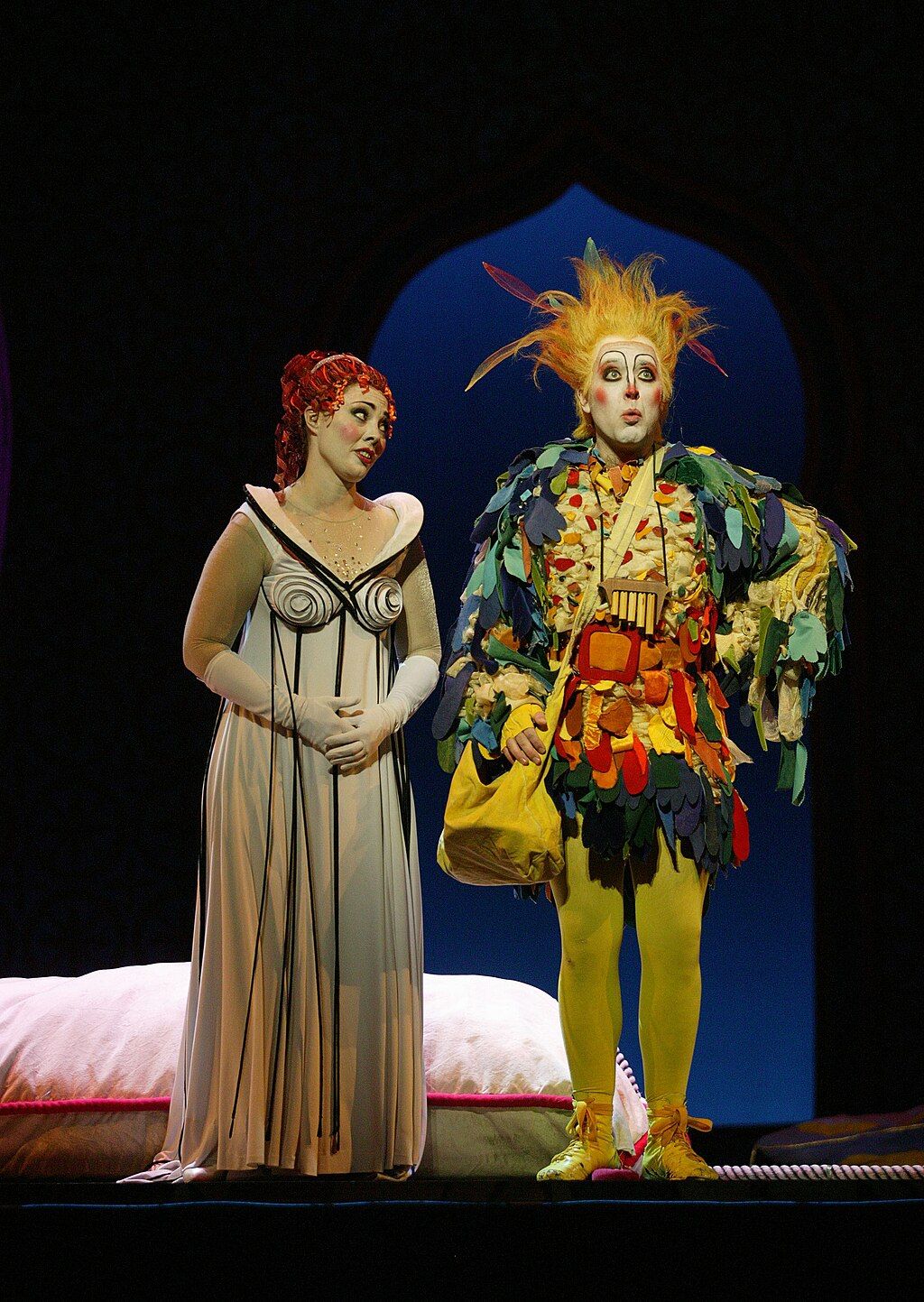
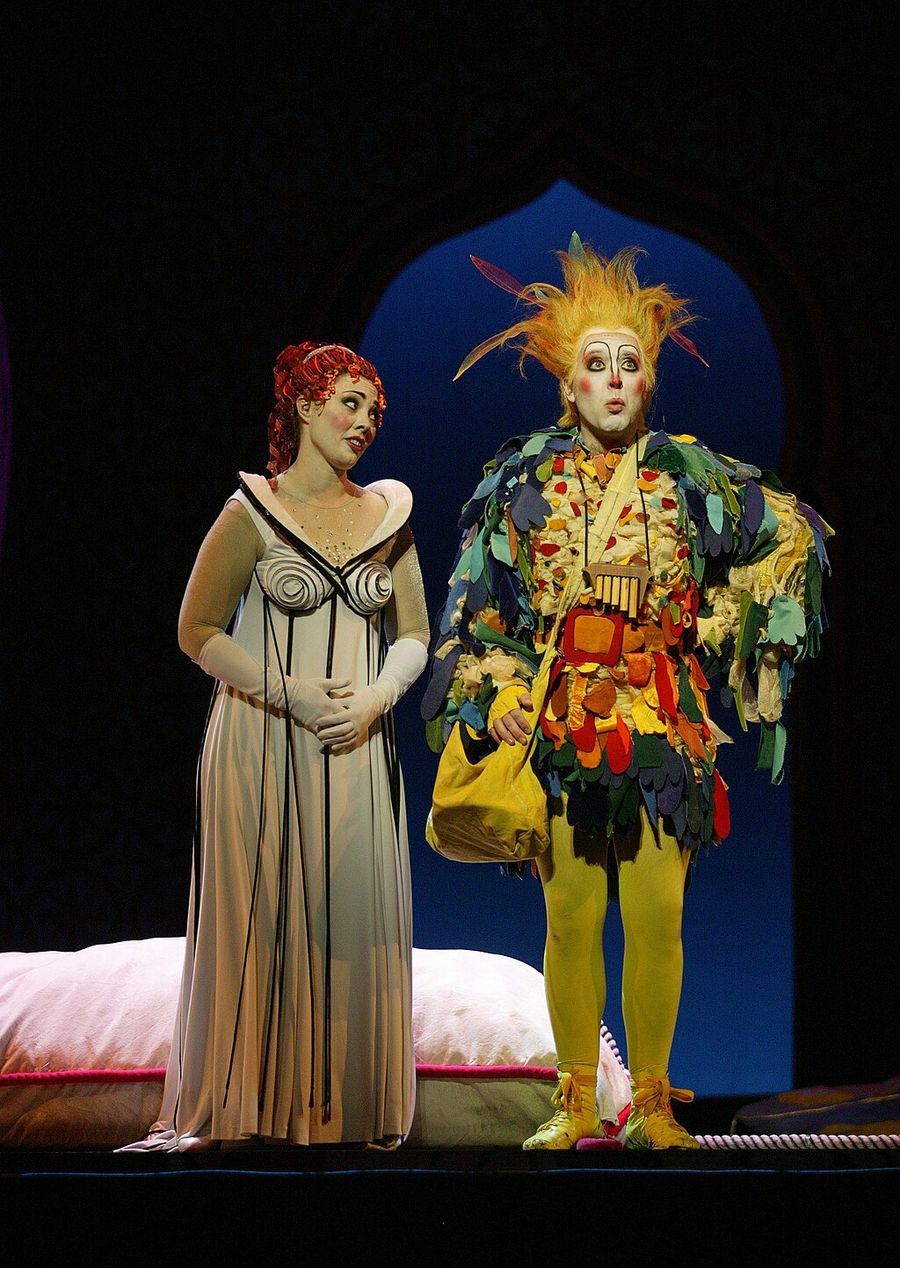
2006년 New Zealand Opera 프로덕션에서 파미나(티파니 스파이트)와 파파게노(리처드 버크하르트)가 “Bei Männern, welche Liebe fühlen”을 부르는 장면
1791년 여름: 혼돈 속의 작곡
모차르트는 1791년 봄과 여름 내내 The Magic Flute를 붙들고, 다른 일정들 사이에 그 작업을 끼워 넣었다. 편지와 일화는 이 시기를 생생하게 보여준다. 6월, 그는 진행 중이던 오페라에서 잠시 떨어져 바덴으로 가 콘스탄체와 재회했다. 그곳에서도 창작력은 넘쳤다. 6월 6일 그는 콘스탄체에게 그날 The Magic Flute를 위해 “지겨워서” 새로운 아리아를 썼다고 적었다[[18]](https://www.classicfm.com/composers/mozart/guides/mozarts-final-year-1791/#:~:text=In%20the%20end%2C%20despite%20the,that%20he%20had%20been%20composing). (학자들은 그가 어떤 아리아를 뜻했는지 확신하지 못한다. 파파게노의 유쾌한 “Ein Mädchen oder Weibchen”일 수도, 파미나의 노래 가운데 하나일 수도 있다. 다만 그 늦은 시점까지도 악보를 다듬고 있었다는 점을 보여준다.) 그는 또 바덴에서 친구의 교회 합창단을 위해 모테트 Ave verum corpus도 작곡했는데[[49]](https://www.classicfm.com/composers/mozart/guides/mozarts-final-year-1791/#:~:text=Once%20out%20in%20Baden%20with,loved%20works), 여러 프로젝트가 그의 일정에서 어떻게 겹쳐 돌아갔는지 잘 드러낸다.
7월이 되자 모차르트는 빈으로 돌아왔고, 결정적으로 9월까지 프라하에 제출해야 하는 La clemenza di Tito로 관심을 돌려야 했다. 그는 7월 말 무렵 이미 The Magic Flute의 대부분을 완성해 두었다. 실제로 그는 개인 테마 목록에 날짜를 “July 1791”로 적어 이 오페라를 기입했다. 시카네더는 원래 여름에 개막하기를 바랐지만[[19]](https://mozarteum.at/static/3032079dbafe3ccc28199c9f6967dfba/ISM_ZF_Sponsoringbroschuere_EN_WEB.pdf#:~:text=the%20impresario%E2%80%99s%20travelling%20theatre%20and,September%201791%20as%20part%20of)[[20]](https://mozarteum.at/static/3032079dbafe3ccc28199c9f6967dfba/ISM_ZF_Sponsoringbroschuere_EN_WEB.pdf#:~:text=Magic%20Flute%20during%20the%20summer,re%02turned%20to%20Vienna%20that%20he), 프라하 의뢰가 그 계획을 뒤흔들었다. 모차르트는 황제의 대관식을 위한 작곡이라는 명예를 거절할 수 없었기에[[50]](https://mozarteum.at/static/3032079dbafe3ccc28199c9f6967dfba/ISM_ZF_Sponsoringbroschuere_EN_WEB.pdf#:~:text=under%20the%20date%20%E2%80%9CJuly%E2%80%9D,Overture%20to%20the%20whole%20work), The Magic Flute를 잠시 뒷전으로 미뤘다. 한 보고서는 “모차르트는… 프라하를 위한 축전 오페라를 써 달라는 초청을 받았고… 너무나 권위 있는 요청이라 거절할 수 없었다… 빈으로 돌아온 뒤에야 Die Zauberflöte를 위한 ‘Priests’ March’와 서곡을 썼다”고 전한다[[50]](https://mozarteum.at/static/3032079dbafe3ccc28199c9f6967dfba/ISM_ZF_Sponsoringbroschuere_EN_WEB.pdf#:~:text=under%20the%20date%20%E2%80%9CJuly%E2%80%9D,Overture%20to%20the%20whole%20work)[[51]](https://mozarteum.at/static/3032079dbafe3ccc28199c9f6967dfba/ISM_ZF_Sponsoringbroschuere_EN_WEB.pdf#:~:text=Prague%2C%20La%20clemenza%20di%20Tito%2C,Overture%20to%20the%20whole%20work). 실제로 모차르트는 마지막 곡들을 벼락치기로 써냈다. 자필 악보에 따르면 그는 장엄한 “Priests’ March”와 눈부신 서곡을 1791년 9월 28일, 즉 초연 이틀 전에 작곡했다[[21]](https://interlude.hk/on-this-day-30-september-mozarts-magic-flute-was-premiered/#:~:text=Mozart%20composed%20the%20music%20of,regular%20leader%20Johann%20Baptist%20Henneberg)! 9월 6일 프라하에서 Tito가 초연된 뒤 빈으로 돌아온 모차르트가 The Magic Flute 개막을 위해 분주히 준비하는 모습이 눈앞에 그려진다. 다행히 그는 압박 속에서 오히려 빛났다. 프리메이슨적 화음으로 시작해 생기 넘치는 푸가로 이어지는 서곡은, 막판에 쓰였다는 사실이 믿기지 않을 만큼, 그가 남긴 가장 사랑받는 작품 가운데 하나가 된다.
이 숨 가쁜 몇 주 동안 모차르트의 기운은 이 프로젝트 덕분에 살아났다. 훗날 친구들은 그가 극장에서 들떠 있고 생기 넘치는 모습을 보았다고 회상했다. 특히 9월 초, 최종 리허설 동안 모차르트가 콘스탄체에게 보낸 편지에 나오는 일화는 매력적이다. 그는 한 리허설에서 시카네더에게 장난을 치고 싶은 충동을 참지 못했다고 말한다. 파파게노가 마법의 방울(글로켄슈필)과 함께 부르는 아리아에서, 시카네더는 실제로는 연주하지 않는 척만 하고 있었는데, 모차르트가 무대 뒤에 숨어 있다가 “어떤 충동이… 나 자신이 직접 치고 싶게” 되어 건반 글로켄슈필로 연주해 버렸다는 것이다[[52]](https://baroque.boston/mozart-magic-flute#:~:text=During%20Papageno%27s%20aria%20with%20the,not%20play%20the%20instrument%20himself). “장난삼아, 시카네더가 쉬는 부분에서 아르페지오를 쳤지,”라고 모차르트는 썼다. 놀란 시카네더는 하마터면 배역에서 벗어날 뻔했고, “그가 깜짝 놀라 날개 뒤를 보고 나를 발견”했다. 그리고 다음 쉼에서 모차르트가 일부러 연주를 멈추자, 시카네더는 아예 노래를 끊고 숨어 있는 모차르트에게 “조용히 해!”라고 외쳤다고 한다[[52]](https://baroque.boston/mozart-magic-flute#:~:text=During%20Papageno%27s%20aria%20with%20the,not%20play%20the%20instrument%20himself). 모차르트는 “그러자 모두가 웃었다”고 즐겁게 보고했다[[53]](https://baroque.boston/mozart-magic-flute#:~:text=where%20Schikaneder%20has%20a%20pause%2C,not%20play%20the%20instrument%20himself). 그날 관객도 파파게노가 실제로 악기를 연주하지 않는다는 걸 알아차렸고, 장난기 많은 작곡가는 친구에게 늘 긴장하라는 ‘교훈’을 준 셈이다. 이 무대 뒤의 한 장면은, 그가 숨 가쁘게 일하면서도 간직했던 기쁨과 유머를 보여준다.
모차르트는 또한 오페라의 주제에 정서적으로 깊이 몰입해 있었다. 프리메이슨이었던 그는 The Magic Flute의 계몽주의 메시지를 대단히 진지하게 받아들였다. 편지에서 그는 이 작품의 영적 요소를 자랑스럽게 언급했다. 한 역사가는 “모차르트의 편지에는 [오페라의] 프리메이슨 상징에 대한 기쁨이 표현되어 있다”고 말한다[[54]](https://mbopera.ca/wp-content/uploads/2018/10/The-Magic-Flute-Study-Guide-2011.pdf#:~:text=%5BPDF%5D%20The,Schikaneder%20was%20not%20trying). 그는 빛이 어둠을, 지식이 무지를 이긴다는 이상을 진심으로 믿었다. 계몽주의의 공기(이웃 프랑스혁명의 격변까지)가 감돌던 유럽에서 이 주제는 더욱 울림이 컸다. 이러한 열정이야말로 Die Zauberflöte에 담긴 음악의 놀라운 깊이와 다양성을 설명해 준다. 대중 관객을 위한 희극적 징슈필을 쓰면서도, 모차르트는 아낌없이 자신의 천재성을 쏟아부었다. 음악학자 마틴 펄먼은 “모차르트의 The Magic Flute 음악은 여러 면에서 그의 다른 어떤 작품과도 다르다. 그중 많은 부분은 민요 같은 단순함을 지녔다… 저급한 희극이 고도의 드라마와 결합되고… 단순한 음악이 더 정교한 아리아와 함께… 한 작품 안에 공존한다”고 말한다[[55]](https://baroque.boston/mozart-magic-flute#:~:text=The%20music)[[56]](https://baroque.boston/mozart-magic-flute#:~:text=Mozart%27s%20music%20for%20The%20Magic,those%20same%20actors%20sang). 그는 모차르트와 시카네더가 의도한 대로, 고급 예술과 대중 오락 사이의 다리를 놓고 있었다.
초연의 밤: 프라이하우스-테아터에 감돈 마법
1791년 9월 30일, 빈의 시카네더 극장 프라이하우스-테아터 auf der Wieden에서 열린 Die Zauberflöte 초연의 원본 플레이빌이 남아 있어, 누가 출연했고 어떤 방식으로 광고되었는지 정확히 알려준다. 이 작품은 “두 막으로 된 대오페라”라는 뜻의 “eine grosse Oper in 2 Akten”로, “zum erstenmal”(초연)이라 소개되었다. 대본은 에마누엘 시카네더, 음악은 “Herr Wolfgang Amadé Mozart, Kapellmeister und k.k. Kammerkompositeur.”라고 표기되어 있다. 즉 모차르트는 황실-왕실 궁정 작곡가라는 공식 직함으로 소개된 것이다[[57]](https://commons.wikimedia.org/wiki/File:Zauberfl%C3%B6te-Theaterzettel1791.jpg#:~:text=Deutsch%3A%20%20Die%20Zauberfl%C3%B6te%20%E2%80%93,auf%20der%20Wieden%20in%20Wien)[[58]](https://commons.wikimedia.org/wiki/File:Zauberfl%C3%B6te-Theaterzettel1791.jpg#:~:text=English%3A%20%20The%20Magic%20Flute,auf%20der%20Wieden%20in%20Vienna). 포스터에는 배역과 가수가 나열된다. 시카네더 자신이 사랑스러운 새잡이 파파게노로 출연했고, 또한 관객을 달구기 위한 소박한 구어 프롤로그를 했을 가능성이 크다(그의 습관이었다)[[59]](https://mozarteum.at/static/3032079dbafe3ccc28199c9f6967dfba/ISM_ZF_Sponsoringbroschuere_EN_WEB.pdf#:~:text=As%20was%20customary%20at%20that,performances%20in%20the%20company%20of)[[60]](https://mozarteum.at/static/3032079dbafe3ccc28199c9f6967dfba/ISM_ZF_Sponsoringbroschuere_EN_WEB.pdf#:~:text=His%20sister,He%20departed%20this). 왕자 타미노는 베네딕트 샤크가 노래했다. 그는 모차르트의 가까운 친구였고, 뛰어난 플루트 연주자였기에 타미노 장면에서는 무대에서 플루트 솔로를 직접 불기도 했다[[61]](https://baroque.boston/mozart-magic-flute#:~:text=The%20premiere%20of%20The%20Magic,his%20wife%20in%20a%20letter)[[62]](https://baroque.boston/mozart-magic-flute#:~:text=Mozart%20conducted%20the%20first%20performances,glockenspiel%2C%20as%20Mozart%20amusingly%20tells). 파미나는 17세의 안나 고틀리프가 맡았는데(그는 12세 때 The Marriage of Figaro에서 바르바리나를 불렀던 신동 출신이었다)[[63]](https://mozarteum.at/static/3032079dbafe3ccc28199c9f6967dfba/ISM_ZF_Sponsoringbroschuere_EN_WEB.pdf#:~:text=Night%2C%20while%20Schikaneder%20was%20the,life%20on%205%20December%201791)[[64]](https://mozarteum.at/static/3032079dbafe3ccc28199c9f6967dfba/ISM_ZF_Sponsoringbroschuere_EN_WEB.pdf#:~:text=of%20them%20were%20the%20same,performances%20in%20the%20company%20of). 모차르트의 처제 요제파 호퍼는 밤의 여왕으로 군림하며 모차르트가 그녀를 위해 써 준 무시무시한 고음을 거뜬히 소화했다[[65]](https://baroque.boston/mozart-magic-flute#:~:text=Among%20the%20female%20roles%2C%20Josepha,old%20Anna%20Gottlieb%20sang%20Pamina). 악역 모노스타토스는 프란츠 크사버 게를, 현자 자라스트로는 프란츠 홀레셰크가 맡았는데, 이들 또한 극단의 많은 이들과 마찬가지로 모차르트의 프리메이슨 형제들이었다.
모차르트는 초연에서 직접 오케스트라를 지휘했으며, 피트의 건반 악기(포르테피아노 또는 첼레스타-글로켄슈필)에 앉았다[[66]](https://mozarteum.at/static/3032079dbafe3ccc28199c9f6967dfba/ISM_ZF_Sponsoringbroschuere_EN_WEB.pdf#:~:text=as%20king%20of%20Bohemia,The%20Pamina%20was%20Anna%20Gottlieb)[[67]](https://interlude.hk/on-this-day-30-september-mozarts-magic-flute-was-premiered/#:~:text=September%201791%2C%20a%20mere%20two,regular%20leader%20Johann%20Baptist%20Henneberg). 이는 당시로서는 관례였고, 모차르트는 첫 몇 회 공연을 이끈 뒤, 극장의 악장 요한 헤네베르크에게 지휘를 넘겼다[[67]](https://interlude.hk/on-this-day-30-september-mozarts-magic-flute-was-premiered/#:~:text=September%201791%2C%20a%20mere%20two,regular%20leader%20Johann%20Baptist%20Henneberg). 1791년 9월 30일 금요일 밤의 초연은 그야말로 대성공이었다. 그날 밤의 신문 평은 남아 있지 않지만, 관객이 처음부터 끝까지 매혹되었다는 소문이 퍼졌다[[68]](https://interlude.hk/on-this-day-30-september-mozarts-magic-flute-was-premiered/#:~:text=Baptist%20Henneberg)[[69]](https://interlude.hk/on-this-day-30-september-mozarts-magic-flute-was-premiered/#:~:text=There%20are%20no%20reviews%20of,%E2%80%9D). ‘프라이하우스’로 알려진 대형 아파트 단지의 일부였던 이 극장은 800석이 만석이었고[[70]](https://mozarteum.at/static/3032079dbafe3ccc28199c9f6967dfba/ISM_ZF_Sponsoringbroschuere_EN_WEB.pdf#:~:text=The%20Magic%20Flute%20was%20first,where%20this%20work%20was%20premiered)[[71]](https://mozarteum.at/static/3032079dbafe3ccc28199c9f6967dfba/ISM_ZF_Sponsoringbroschuere_EN_WEB.pdf#:~:text=was%20part%20of%20a%20complex,summer%20of%201791%2C%20Mozart%20having), 관객은 평범한 빈 시민과 호기심 많은 애호가들이 뒤섞인 구성이었다. 모차르트는 훗날 자부심을 담아, 저명한 궁정 작곡가이자 Kapellmeister였던 안토니오 살리에리(소문 속에서 모차르트의 경쟁자로 그려지곤 한다)가 초반 공연에 참석해 열렬히 박수쳤다고 썼다[[72]](https://www.californiasymphony.org/composer/mozart/mozarts-requiem-mass-and-movie-myths/#:~:text=1786%2C%20the%20two%20even%20collaborated,toward%20Mozart%20might%20turn%20murderous)[[73]](https://www.californiasymphony.org/composer/mozart/mozarts-requiem-mass-and-movie-myths/#:~:text=musicologists,to%20suggest%20Salieri%E2%80%99s%20intentions%20toward). 모차르트는 콘스탄체에게 보낸 편지에서, 10월 13일 살리에리와 그의 동행(소프라노 카테리나 카발리에리)을 데리고 Die Zauberflöte를 보러 갔는데 “살리에리는 온 신경을 집중해 듣고 보았고, 서곡부터 마지막 합창까지 ‘Bravo!’나 ‘Bello!’를 끌어내지 못한 번호가 단 하나도 없었다”고 회상했다[[72]](https://www.californiasymphony.org/composer/mozart/mozarts-requiem-mass-and-movie-myths/#:~:text=1786%2C%20the%20two%20even%20collaborated,toward%20Mozart%20might%20turn%20murderous). 살리에리는 심지어 이 작품을 “degno di essere rappresentato davanti ai più grandi monarchi”—“가장 위대한 군주들 앞에서, 가장 장엄한 기회에 올릴 만한 작품”이라고 선언했다[[74]](https://medium.com/@rgreenbergmusic/music-history-monday-magic-478076137f4e#:~:text=On%20October%2013%2C%20two%20weeks,publicly%20stating%20that%20it%20was)[[75]](https://medium.com/@rgreenbergmusic/music-history-monday-magic-478076137f4e#:~:text=Salieri%20and%20Salieri%E2%80%99s%20mistress%2C%20Catarina,publicly%20stating%20that%20it%20was). 모차르트는 이 반응에 흥분을 감추지 못했다[[76]](https://medium.com/@rgreenbergmusic/music-history-monday-magic-478076137f4e#:~:text=Mozart%20was%20thrilled%20by%20Kapellmeister,Salieri%E2%80%99s%20compliment). 초라한 공연장이라는 조건에도 불구하고 기존의 음악 엘리트조차 이 오페라의 가치를 인정했다는 신호였기 때문이다.
일반 관객들도 The Magic Flute를 똑같이 사랑했다. Wiener Zeitung은 며칠 뒤 “가장 유명한 작품들에나 허락되던 종류의 박수와 앙코르로 이 오페라가 استقبال되었다”고 보도했다[[77]](https://www.towntopics.com/2021/01/27/compatible-spirits-finding-mozart-and-chekhov-in-their-letters/#:~:text=,lively%2C%20typically%20performative%20message). 실제로 몇몇 귀에 착 감기는 번호는 즉시 히트했다. 관객들은 파파게노의 유쾌한 노래들과 희극적 2중창의 앙코르를 요구했고—그 정도가 심해 모차르트는 매일 밤 반복을 위한 시간을 따로 잡아야 했다[[78]](https://www.mozartsocietyofamerica.org/meeting/msa-session-at-mostly-mozart-festival-lincoln-center/#:~:text=In%20writing%20to%20his%20wife,to%20the%20co%C3%ABxistence%20of%20the). 모차르트는 10월 초 흥분된 편지에서 “방금 오페라에서 돌아왔는데, 언제나처럼 만원이었고—앙코르해야 했던 번호를 들었다”고 썼다[[69]](https://interlude.hk/on-this-day-30-september-mozarts-magic-flute-was-premiered/#:~:text=There%20are%20no%20reviews%20of,%E2%80%9D)[[79]](https://interlude.hk/on-this-day-30-september-mozarts-magic-flute-was-premiered/#:~:text=immense%20crowds%2C%20and%20over%20100,%E2%80%9D). 그러나 그를 더 기쁘게 한 것은 고요한 집중의 순간들이었다. 그는 10월 7일 콘스탄체에게 “나를 가장 기쁘게 하는 것은 침묵 속의 승인”이라며 “이 오페라가 점점 더 대중적이 되어 가는 것이 분명히 보인다… 그 침묵의 승인은 더 깊이 감상되고(존중받고) 있다는 표시”라고 말했다[[80]](https://www.mozartsocietyofamerica.org/meeting/msa-session-at-mostly-mozart-festival-lincoln-center/#:~:text=%E2%80%9C%E2%80%A6but%20what%20pleased%20me%20the,8%20October%201791)[[78]](https://www.mozartsocietyofamerica.org/meeting/msa-session-at-mostly-mozart-festival-lincoln-center/#:~:text=In%20writing%20to%20his%20wife,to%20the%20co%C3%ABxistence%20of%20the). 즉 관객은 박수치고 흥얼거리기만 한 것이 아니라, 더 진지하고 아름다운 대목을 집중해 듣고 있었다. 이 개막 초기 몇 주 동안 모차르트는 거의 매일 밤 극장에 가서 관객의 반응을 지켜보았고, 친구와 가족을 데려와 함께 즐기곤 했다[[81]](https://medium.com/@rgreenbergmusic/music-history-monday-magic-478076137f4e#:~:text=handedly%2C%20Mozart%20had%20raised%20the,much%20as%20the%20opera%20itself)[[82]](https://medium.com/@rgreenbergmusic/music-history-monday-magic-478076137f4e#:~:text=adored%20his%20creation%2C%20and%20went,much%20as%20the%20opera%20itself). 10월 14일에는 일곱 살 아들 카를을 공연에 데려가기도 했는데(아마 어린 카를의 첫 오페라였을 것이다), 모차르트는 그 아이가 “작지 않은 기쁨”을 느꼈다고 콘스탄체에게 썼다[[83]](http://jackgibbons.blogspot.com/2022/01/a-mozart-pilgrimage.html#:~:text=A%20Mozart%20pilgrimage%20,Franz%20Xaver%20was).
파파게노이자 제작자였던 시카네더는 공연의 매력을 더하기 위해 즉흥적인 코믹 대사와 관객과의 상호작용을 덧붙였다. 공연마다 완전히 같을 수는 없었다. 시카네더는 매일 밤 농담을 조금씩 바꾸며 신선함을 유지했다[[59]](https://mozarteum.at/static/3032079dbafe3ccc28199c9f6967dfba/ISM_ZF_Sponsoringbroschuere_EN_WEB.pdf#:~:text=As%20was%20customary%20at%20that,performances%20in%20the%20company%20of)[[84]](https://mozarteum.at/static/3032079dbafe3ccc28199c9f6967dfba/ISM_ZF_Sponsoringbroschuere_EN_WEB.pdf#:~:text=His%20sister,The%20Pamina%20was%20Anna%20Gottlieb). 시각적 스펙터클도 관객을 즐겁게 했다. 초연 연출에는 사자들이 끄는 전차를 타고 등장하는 자라스트로 같은 환상적 장면(무대 기계장치가 탄성을 자아냈을 법한)이 포함되어 있었다[[85]](https://interlude.hk/on-this-day-30-september-mozarts-magic-flute-was-premiered/#:~:text=The%20Premiere). 이 모든 요소가 모차르트의 숭고한 음악과 결합해 문화적 센세이션을 만들어냈다.
승리와 비극: 즉각적 영향과 모차르트의 마지막 나날
Die Zauberflöte는 빈에서 즉각적인 성공을 거두었다. 오페라는 프라이하우스-테아터에서 몇 주 동안 계속 상연되었다. 놀랍게도 1791년 10월 한 달에만 20회 공연이 있었다[[86]](https://interlude.hk/on-this-day-30-september-mozarts-magic-flute-was-premiered/#:~:text=Mozart%20wrote%20to%20Constanze%20on,Prague%2C%20Warsaw%2C%20and%20St%20Petersburg)—사실상 이틀에 한 번꼴로 매진 공연이었던 셈이다. 11월에는 악보의 첫 인쇄 발췌본이 이미 출판되었는데, 극장 밖에서도 그 음악에 대한 수요가 컸음을 보여준다[[86]](https://interlude.hk/on-this-day-30-september-mozarts-magic-flute-was-premiered/#:~:text=Mozart%20wrote%20to%20Constanze%20on,Prague%2C%20Warsaw%2C%20and%20St%20Petersburg). 1791년 말 한 관찰자는 “어느 누구도 자신이 이 작품을 보지 않았다고 인정하려 하지 않는다… 이곳에서 이런 광경은 전례가 없다”고 감탄했다[[87]](https://baroque.boston/mozart-magic-flute#:~:text=of%2035,such%20a%20spectacle%20here%20before)[[88]](https://baroque.boston/mozart-magic-flute#:~:text=decade,such%20a%20spectacle%20here%20before). 유명한 시인 괴테(이 오페라의 열렬한 애호가) 또한 전례 없는 인기를 언급했고, 속편을 구상하며 초안을 쓰기 시작했다는 보고도 있다(끝내 완성되지는 않았다)[[87]](https://baroque.boston/mozart-magic-flute#:~:text=of%2035,such%20a%20spectacle%20here%20before)[[88]](https://baroque.boston/mozart-magic-flute#:~:text=decade,such%20a%20spectacle%20here%20before). 첫해에만 The Magic Flute는 100회가 넘는 공연을 기록했고—당시 기준으로는 기록을 산산이 깬 장기 공연이었다[[89]](https://baroque.boston/mozart-magic-flute#:~:text=The%20opera%20was%20a%20triumph,No%20man%20will)[[69]](https://interlude.hk/on-this-day-30-september-mozarts-magic-flute-was-premiered/#:~:text=There%20are%20no%20reviews%20of,%E2%80%9D). 총합으로는 시카네더가 운영하는 동안 그 극장에서 223회나 상연되었다[[69]](https://interlude.hk/on-this-day-30-september-mozarts-magic-flute-was-premiered/#:~:text=There%20are%20no%20reviews%20of,%E2%80%9D). 게다가 작품은 빠르게 다른 도시로 퍼져 1~2년 안에 프라하, 바르샤바, 심지어 먼 상트페테르부르크에도 도달했다[[86]](https://interlude.hk/on-this-day-30-september-mozarts-magic-flute-was-premiered/#:~:text=Mozart%20wrote%20to%20Constanze%20on,Prague%2C%20Warsaw%2C%20and%20St%20Petersburg)[[90]](https://interlude.hk/on-this-day-30-september-mozarts-magic-flute-was-premiered/#:~:text=esteemed,Prague%2C%20Warsaw%2C%20and%20St%20Petersburg).
모차르트 개인에게 The Magic Flute의 성공은 환희이자 씁쓸함이었다. 몇 년의 불운 끝에 그는 마침내 대중적 명성과, 히트작이 가져다주는 안정적인 수입을 함께 얻었다. 역사학자 로버트 그린버그는 “The Magic Flute 덕분에, 1791년 10월 초 무렵 모차르트의… 붕괴 직전이던 재정적 안정이 다시 궤도에 올랐다”고 썼다[[91]](https://medium.com/@rgreenbergmusic/music-history-monday-magic-478076137f4e#:~:text=Thanks%20to%20The%20Magic%20Flute%2C,the%20spa%20in%20nearby%20Baden)[[92]](https://medium.com/@rgreenbergmusic/music-history-monday-magic-478076137f4e#:~:text=career%20and%20with%20it%2C%20his,the%20spa%20in%20nearby%20Baden). 빈에서는 관객들이 그를 축배로 맞이하고, 동시에 La clemenza di Tito는 프라하에서 찬사를 받고 있었다[[93]](https://medium.com/@rgreenbergmusic/music-history-monday-magic-478076137f4e#:~:text=Vienna%2C%20Mozart%E2%80%99s%20opera%20The%20Mercy,the%20spa%20in%20nearby%20Baden). 모차르트는 마침내, 오래도록 갈망해 온 빈 시민들 사이의 ‘진짜 유명인’으로서의 순간을 누리고 있었다.
비극적으로도 그는 그 순간을 오래 누리지 못했다. 1791년 11월 중순, The Magic Flute가 여전히 도시 최고의 표였던 때, 모차르트는 중병을 앓기 시작했다(현대 의학자들은 급성 감염 또는 류마티스열이었을 가능성을 든다). 그는 레퀴엠 작업을 열심히 이어가며 Magic Flute 공연에도 참석하고 있었지만, 11월 20일 무렵 고열과 부종으로 결국 병상에 눕게 되었다[[94]](https://www.californiasymphony.org/composer/mozart/mozarts-requiem-mass-and-movie-myths/#:~:text=Mozart%E2%80%99s%20illness%20came%20at%20the,to%20work%20on%20the%20Requiem)[[95]](https://www.californiasymphony.org/composer/mozart/mozarts-requiem-mass-and-movie-myths/#:~:text=Requiem,to%20work%20on%20the%20Requiem). 1791년 12월 5일, Die Zauberflöte 초연 9주 뒤, 볼프강 아마데우스 모차르트는 35세로 세상을 떠났다. 빈은 천재의 죽음을 애도했다. 프라이하우스-테아터에서 시카네더와 극단은 큰 충격을 받았다. 모차르트 사후 처음 올려진 The Magic Flute 공연에서 오케스트라가 말없이 경의를 표했고, 관객들 중 많은 이들이 눈물을 흘렸다고 전해진다. 시카네더는 이후 모차르트의 미망인 콘스탄체를 돕기 위해 Die Zauberflöte의 특별 자선 공연을 마련했다[[96]](https://operavision.eu/performance/magic-flute-1#:~:text=German%20translations%20of%20the%20medieval,support%20the%20composer%E2%80%99s%20widow%2C%20Constanze)[[39]](https://operavision.eu/performance/magic-flute-1#:~:text=Egyptians%E2%80%99,support%20the%20composer%E2%80%99s%20widow%2C%20Constanze).
모차르트의 죽음은 오히려 The Magic Flute의 전설을 더욱 부추긴 듯하다. 오페라는 밤마다 계속 상연되며 그의 영혼을 떠올리게 하는 상징이 되었다. 감동적인 일화 하나에 따르면, 모차르트가 의식을 유지한 마지막 날, 그는 The Magic Flute에 나오는 파파게노의 유쾌한 아리아 “Das klinget so herrlich”의 선율을 흥얼거렸고, 침상 곁의 친구가 피아노로 그 곡을 연주하자 미소를 지었다고 한다[[97]](https://www.towntopics.com/2021/01/27/compatible-spirits-finding-mozart-and-chekhov-in-their-letters/#:~:text=Mozart%E2%80%99s%20Canary). 마지막 오페라의 이 단순한 선율이, 세상을 떠나는 순간에도 그에게 위안을 주었던 듯하다.
더 큰 역사적 맥락에서 The Magic Flute는 계몽주의 시대의 독특한 창조물로 남는다. 민속적 유머와 고양된 이상을 결합한 ‘징슈필’이었던 이 작품은, 프리메이슨 상징과 무대 위 마법적 판타지를 사랑했던 빈 대중의 취향을 동시에 반영하는 산물이었다[[36]](https://baroque.boston/mozart-magic-flute#:~:text=Beyond%20drawing%20on%20fairy%20tale,is%20not%20necessarily%20the%20same)[[98]](https://baroque.boston/mozart-magic-flute#:~:text=literature%20and%20ideas%2C%20and%20it,wider%20world%20of%20the%20European). 그러나 동시에 그것은 틀을 깨뜨렸다. 모차르트는 독일어 희극 오페라 장르를 전례 없는 높이로 끌어올려, 모국어로 된 음악도 어떤 이탈리아 오페라 못지않게 세련될 수 있음을 증명했다. 한 논평가의 말처럼, “모차르트는 혼자 힘으로 대중 장르인 징슈필을 이탈리아 오페라와 동등한 수준의 오페라 예술로 끌어올렸다”[[11]](https://medium.com/@rgreenbergmusic/music-history-monday-magic-478076137f4e#:~:text=The%20Magic%20Flute%20premiered%20on,much%20as%20the%20opera%20itself)[[81]](https://medium.com/@rgreenbergmusic/music-history-monday-magic-478076137f4e#:~:text=handedly%2C%20Mozart%20had%20raised%20the,much%20as%20the%20opera%20itself). 즉각적인 반응은, 새로운 종류의 걸작이 도착했음을 확인해 주었다. 배운 이와 배우지 못한 이 모두에게 말을 거는 작품이었다.
그 뒤 몇 년 사이 Die Zauberflöte의 영향력은 유럽 전역으로 퍼져 나갔다. 이 오페라가 찬미하는 이성, 사랑, 형제애는 18세기 말의 변화하는 사회 분위기 속에서 강하게 울려 퍼졌다(왕정이 흔들리고 새로운 사상이 뿌리내리던 때였다). 줄거리의 일부는 동시대인들에게도 혼란스럽거나 “어리둥절한” 것으로 보였을지 모르지만[[42]](https://interlude.hk/on-this-day-30-september-mozarts-magic-flute-was-premiered/#:~:text=The%20libretto%20is%20a%20bewildering,attempted%20to%20write%20a%20sequel), 모차르트 음악의 압도적 아름다움과 정서적 힘은 대본의 결함을 무의미하게 만들었다. 스탕달은 유명하게도 모차르트가 “가장 저속한 상상력이 만들어낸 값싼 공상조차도 고귀한 우아함과 천재의 구상으로 바꾸어 놓는 비밀”을 지녔다고 말했다[[99]](https://interlude.hk/on-this-day-30-september-mozarts-magic-flute-was-premiered/#:~:text=The%20French%20novelist%20Stendhal%20writes%2C,%E2%80%9D)[[100]](https://interlude.hk/on-this-day-30-september-mozarts-magic-flute-was-premiered/#:~:text=French%20writer%20in%20search%20of,%E2%80%9D).
교외의 한 극장에서, 유쾌한 배우·가수들이 올린 모차르트의 The Magic Flute는 이렇게 역사의 한가운데로 들어섰다. 역경을 이겨낸 예술의 승리였다. 그것은 필요의 교차점에서 탄생했다—모차르트에게는 돈과 새로운 관객이 필요했고, 시카네더에게는 흥행작이 필요했다—그리고 계몽주의의 이상과 협업의 기쁨이 그 필요를 영감으로 바꾸어 놓았다. 실제 창작 환경은 오페라의 이야기만큼 극적이다. 무일푼에 가까운 작곡가의 마지막 몇 달, 열정적인 흥행사 친구, 막판까지 이어진 광란의 집필, 개막 밤의 무대 뒤 장난, 그리고 대중적 열광의 물결. 결국 Die Zauberflöte는 모차르트가 세상에 남긴 작별의 선물이었다—그와 시카네더가 의도했듯 즐겁게 하면서도 깨우치는 오페라. 200년이 훌쩍 지난 오늘날에도 그 선율은 여전히 울린다. 가장 어두운 시간 속에서도 모차르트는 마법을 길어 올릴 수 있었다는 증거로. 1791년 10월, 또 한 번 만석 공연 뒤에 그가 남긴 말 그대로: “이 오페라가 점점 더 대중적이 되어 가는 것이 분명히 보인다….”[[80]](https://www.mozartsocietyofamerica.org/meeting/msa-session-at-mostly-mozart-festival-lincoln-center/#:~:text=%E2%80%9C%E2%80%A6but%20what%20pleased%20me%20the,8%20October%201791)[[78]](https://www.mozartsocietyofamerica.org/meeting/msa-session-at-mostly-mozart-festival-lincoln-center/#:~:text=In%20writing%20to%20his%20wife,to%20the%20co%C3%ABxistence%20of%20the)
//
출처:
악보
Virtual Sheet Music®에서 마술피리 – 모차르트의 마지막 오페라 악보 다운로드 및 인쇄
출처
Historical details have been drawn from contemporary letters, Mozart biographies and modern scholarship. All quotations are sourced from Mozart’s letters or reputable historians as cited above[52][80][93][69], ensuring an accurate account of The Magic Flute’s creation and early reception.
- [1][5][38][39][96] The Magic Flute | Operavision
- [2][32][33][34][35][46] 4.2.3: Wolfgang Amadeus Mozart - The Magic Flute - Humanities LibreTexts
- [3][4][8] The Price of Genius | Playbill
- [6][7][28][29][30][36][37][47][48][52][53][55][56][61][62][65][87][88][89][98] Mozart's Die Zauberflöte — Boston Baroque
- [9][10][11][12][24][25][26][27][31][44][45][74][75][76][81][82][91][92][93] Music History Monday: Magic. It was on September 30, 1791–228 years… | by Robert Greenberg | Medium
- [13][14][15][18][22][23][49] Mozart's final year and death - 1791 - Classic FM
- [16][17][77][97] Compatible Spirits: Finding Mozart and Chekhov in Their Letters – Town Topics
- [19][20][50][51][59][60][63][64][66][70][71][84] mozarteum.at
- [21][40][41][42][43][67][68][69][79][85][86][90][99][100] Wolfgang Amadeus Mozart: The Magic Flute | History & Recordings
- [54] [PDF] The-Magic-Flute-Study-Guide-2011.pdf - Manitoba Opera
- [57][58] File:Zauberflöte-Theaterzettel1791.jpg - Wikimedia Commons
- [72][73][94][95]Mozart Movie Myths - The California Symphony
- [78][80] “Mozart’s Magic Flute: In His Time and Ours” – Mozart Society of America
- [83] A Mozart pilgrimage - Jack Gibbons Blog