- 쾨헬 번호
- K9 1,01 | K6 1e
- 장르
- 피아노 음악
- 형식
- 피아노 소품
- 조성
- G Major
- 날짜
- 1764
- 장소
- London
- 나이
- 8
모차르트의 G장조 미뉴에트 K. 1,01은 오랫동안 ‘최초의 작품’으로 알려졌지만, 오늘날에는 1764년 런던 시기의 성과로 재평가되며 초기 작곡가로서의 성숙을 보여주는 이정표로 여겨진다.
신동, 길을 나서다: 런던, 1764년
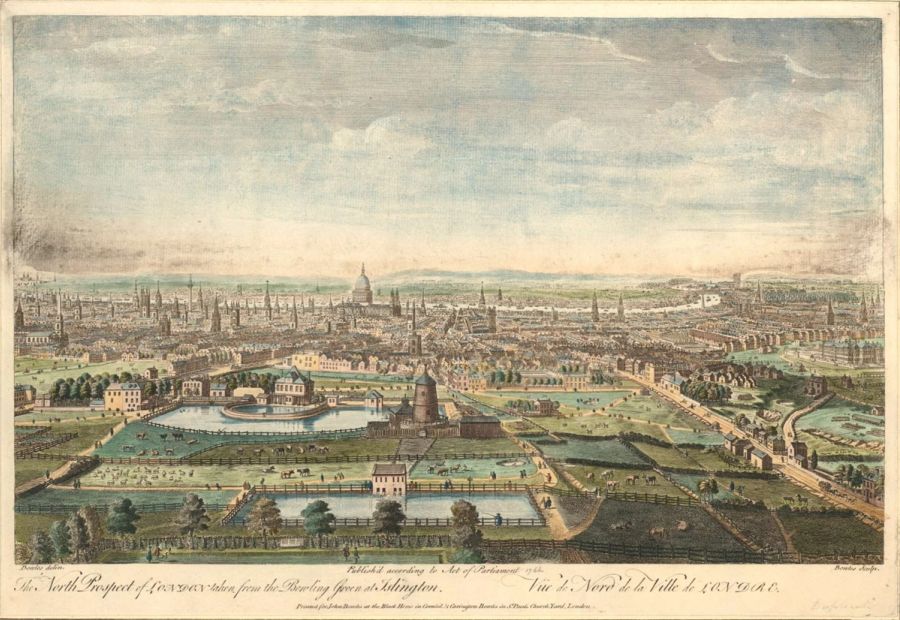
1764년 4월, 모차르트 가족은 대규모 유럽 순회 연주의 일환으로 런던에 도착했다. 여덟 살의 볼프강 아마데우스 모차르트는 이미 유럽 전역에서 청중을 매료시킨 신동이었고, 당대 최대의 음악 수도였던 런던은 그의 비범한 재능이 오를 다음 무대였다. 모차르트 가족은 소호의 숙소에 자리를 잡았고, 어린 볼프강은 곧 도시의 활기찬 음악 현장을 흡수해 나갔다. 몇 주 만에 그는 조지 3세 국왕 앞에서 연주했고, 요한 크리스티안 바흐(“런던의 바흐”) 같은 영향력 있는 작곡가들을 만났으며, 런던에 머무는 동안 첫 교향곡까지 작곡했다. 이런 국제도시적 경험은 싹트는 작곡가의 양식을 깊이 빚어 놓았다.
잘츠부르크에 있던 시절, 볼프강은 아버지 레오폴트의 지도 아래 유아기부터 작곡을 시작했다. 그의 아주 초기의 짧은 소품들은 다섯 살이던 1761년에 누이 난네를의 음악 노트에 적혔다. 그러나 세 해 뒤 번잡한 런던에서 볼프강의 창작 목소리는 한 단계 도약한다. 이 런던 시기의 작품 가운데 G장조 미뉴에트 한 곡은 중요한 이정표로 두드러진다. 오늘날 이 곡은 Köchel 1,01(구 목록에서는 K. 1e)로 알려져 있으며, 다섯 살 무렵 잘츠부르크에서 쓴 곡이 아니라 1764년 전후 런던에서 작곡되었을 가능성이 큰, 모차르트의 첫 성숙한 미뉴에트를 대표한다.
모차르트의 ‘첫’ 작품을 둘러싼 미스터리
여러 세대에 걸쳐, C장조 트리오가 함께 딸린 이 사랑스러운 G장조 미뉴에트는 모차르트의 진정한 첫 작품으로 선전되어 왔다. 즉, 그가 다섯 살이던 1761년에 작곡했다는 이야기다. 고전음악의 전설은 종종 장면을 잘츠부르크의 모차르트 집으로 설정하곤 했다. 레오폴트가 자랑스레 지켜보는 가운데, 작은 볼프강이 촛불 아래에서 궁정 무도곡을 빚어냈다는 식이다. 지금도 몇몇 대중적 자료는 그 이야기를 되풀이하며 미뉴에트의 연대를 1761–62년으로 잡고, 다섯 살짜리 아이가 만들었다는 사실에 감탄한다. 쾨헬 목록의 구판에서는 이 곡을 “K. 1e”로 표기하고, 볼프강의 1761년 잘츠부르크 작품들 K. 1a–d와 함께 묶어 놓아, 더 이른 연대를 더욱 굳혀 보이게 했다.
그러나 현대 연구는 흥미로운 반전을 밝혀냈다. G장조 미뉴에트는 그 첫 네 곡과 함께 쓰인 것이 아니었다—더 뒤에 나온 작품이었다. 모차르트 초기 작품이 담긴 난네를의 노텐부흐(Nannerl’s Notenbuch)의 종이와 연대기를 검토한 전문가들은, 이 G장조 미뉴에트와 트리오(구 K. 1e, K. 1f)가 1764년에 노트에 추가되었다는 결론에 도달했다. 즉 모차르트는 이 곡을 유아가 아니라, 더 경험이 쌓인 여덟 살 무렵에 작곡한 것이다. 최신 쾨헬 목록 개정판은 이를 반영해 이 곡을 K. 1,01로 재번호화(모차르트 연대기에서의 더 뒤 위치를 반영)했다.
이 연대 혼동은 왜 이 미뉴에트가 모차르트의 다른 ‘첫’ 작품들보다 조금 더 다듬어진 듯 들리는지를 설명해 준다. 또한 레오폴트 모차르트의 기록 습관이 어떻게 작동했는지도 보여준다. 그는 잘츠부르크를 떠난 뒤에도 수년 동안 난네를의 노트를 계속 사용해 볼프강의 작품을 적어 두었다. 그 결과 G장조 미뉴에트는 1761년의 연습곡들과 같은 작은 책에 들어가 버렸고, 이것이 초기 연구자들을 오도했다. 오늘날 우리는 더 정확히 안다. 하지만 다섯 살 모차르트가 완벽한 미뉴에트를 썼다는 발상은 너무도 매혹적이어서, 증거가 다른 방향을 가리킨 뒤에도 전설로 오래 살아남았다.
런던에서 태어난 미뉴에트
그렇다면 모차르트의 G장조 미뉴에트 K. 1,01에 얽힌 진짜 이야기는 무엇일까? 1764년에 작곡된 이 곡(정확한 날짜와 장소는 기록되지 않았지만 런던이 유력하다)은 전환기에 선 젊은 작곡가의 모습을 포착한다. 볼프강은 더 이상 유아용 소곡을 치는 아기가 아니었다. 그는 귀족들 앞에서 연주했고, 최신 음악을 공부했으며, 자신의 재능을 궁금해하는 과학자들 앞에서 즉흥연주까지 했다. J. C. 바흐의 멘토링과 런던의 갈랑 양식에 대한 노출 아래, 모차르트의 작법은 꽃피었다. 레오폴트는 순회 중에도 볼프강의 일상 레슨을 이어 갔지만, 이제 소년의 상상력에는 새로운 연료가 더해졌다. 당시 런던과 파리의 동시대 음악이 지닌 우아하고 균형 잡힌 울림이 그것이었다.
레오폴트 모차르트는 필요할 때 여전히 아들의 서기 역할을 했지만, 이 무렵이면 볼프강은 스스로 악보를 적을 수 있었다. 실제로 난네를의 노트에 남아 있는 페이지를 보면, 이 미뉴에트는 볼프강 자신의 필체로 베껴 적힌 것으로 나타난다. 여덟 살에게는 놀라운 일이다. 물론 레오폴트가 곁에서 지도했을 테지만, 음악 자체는 아버지의 받아쓰기 이상을 보여 주는 형식 감각의 확신을 담고 있다. 모차르트의 더 이른 단편들에서 보이던 머뭇거리는 바로크적 장식과 기이한 쉼표는 사라졌다. 대신 G장조 미뉴에트는 해외에서 들은 갈랑 양식의 세련된 단순미를 흡수해 가는 어린 작곡가의 모습을 드러낸다.
특기할 점은, 이 미뉴에트가 짧은 C장조 트리오(목록: K. 1,02, 구 K. 1f)와 짝을 이룬다는 것이다. 고전주의 시대 관례에 따라, 트리오는 다른 조성(C장조, G의 하위딸림조)으로 잠시 대비를 만든 뒤 미뉴에트가 돌아오게 한다. 레오폴트는 제대로 된 미뉴에트 세트에는 이런 대조적 중간부가 포함된다는 점을 볼프강에게 익히게 했을 가능성이 크다. 미뉴에트와 트리오를 모두 썼다는 것은, 어린 모차르트가 궁정에서 들을 법한 완성된 무도곡 한 세트를 사실상 구성해 냈다는 뜻이다. 작은 성취이지만, 그의 작곡 수업에서 중요한 진전이었다.
G장조 미뉴에트 들여다보기: 놀라운 균형감
음악적으로 G장조 미뉴에트는 밝고 균형 잡혀 있으며, 아이가 떠올렸다고 하기엔 놀랄 만큼 침착한 태도를 지닌다. 빠른 ¾ allegro 템포로 쓰였는데, 위엄 있는 궁정 미뉴에트라기보다 더 경쾌하고 발랄하여 명랑한 탄력을 준다. 구조는 단순하지만 탄탄하다. 미뉴에트 본곡은 각각 8마디의 두 부분이 반복되며, 이어 8마디 트리오(이 또한 반복) 뒤에 미뉴에트가 다시 돌아온다. 모차르트는 미뉴에트-트리오의 틀을 분명히 이해했고, 이를 깔끔하게 구현했다.
가장 매력적인 특징 중 하나는 동기적 통일성이다. 미뉴에트의 모든 2마디 악구는 똑같은 방식으로 시작한다. 완전5도 하행 도약 뒤에, 네 개의 화음음으로 응답하는 패턴이다. 이 작은 동기는 음악적 서명처럼 끊임없이 제시되고 답을 받는다. 볼프강은 본질적으로 이 동기에 자신을 제한하고, 그 “제약 속에서 구축”한다. 흐름이 끊기지 않도록 필요한 만큼만 반복하고 변형하는 것이다. 그 결과는 균형과 명료함이다—기묘한 우회 없이, 악구들이 자연스럽게 맞물리는 단정한 진행이 이어진다. 각 부분은 G장조로 올바르게 종지하며 끝나는데, 이는 여덟 살의 모차르트가 한 음악적 생각을 적절한 조성에서 시작하고 마무리하는 법을 알고 있었음을 보여 준다.
레오폴트가 1762년에 적어 둔 더 이른 F장조 미뉴에트(K. 1d)와 비교하면, 이 G장조 미뉴에트는 바로크적 색채가 덜하고 더 동시대적으로 느껴진다. 앞선 작품(K. 1d)에는 더 구식의 장식과 끊겼다 이어지는 악구가 있어 레오폴트의 영향과 어린아이의 조심스러운 발상이 드러난다. 반면 K. 1,01은 가벼운 터치의 선율-반주 텍스처를 곧게 유지하며, 18세기 중엽 galant 양식에 아주 가깝다. 왼손에는 Alberti bass를 연상시키는 분산화음도 몇 군데 나타나, 모차르트가 새로운 음악을 들으며 체득한 경향을 암시한다. 요컨대 이 미뉴에트는 기술적으로는 단순하다(2성부 화성, 제한된 음역). 그러나 1764년의 기준에서 양식적으로는 최신이다. 당대의 점잖은 살롱 무도 선율처럼 들리지, 연습곡처럼 들리지 않는다—바로 그것이 이 곡의 마력 중 하나다.
함께 딸린 C장조 트리오는 더 기본적이지만 제 역할을 충실히 한다. C장조로의 전환은 G장조 미뉴에트에 햇살 같은 대비를 제공한다. 트리오의 선율 또한 2마디 단위의 반복을 활용해, 작품 전체의 주제적 응집력을 유지한다. 빠른 8마디가 지나면 음악은 G장조로 돌아와 미뉴에트를 마지막으로 다시 연주한다. 전부 합쳐도 미뉴에트–트리오–미뉴에트는 연주 시간 1분 남짓이다. 하지만 그 1분 안에서 우리는, 나이와 어울리지 않을 만큼 우아한 형식을 길어 올리는 어린 모차르트를 목격한다.
다가올 미래의 한 조각
모차르트가 이 곡을 쓸 당시, 그는 나이에 비해 이미 노련한 연주자였다는 점을 기억할 필요가 있다—그리고 그 사실은 음악에 드러난다. 1764년 런던에서 볼프강을 들은 동시대인들은 그의 연주와 즉흥이 얼마나 “다듬어졌고” 아이답지 않은지에 놀랐다. 이 작은 G장조 미뉴에트는 그런 조숙한 세련미를 그대로 품고 있다. 여기에 혁명적 무언가가 있는 것은 아니다(그 시대의 관습적 어법을 쓴다). 그러나 어린아이가 그 어법을 내면화해, 일관되고 달콤하게 들리는 무도곡을 만들어 낼 수 있었다는 사실 자체가 경이롭다. 소박한 방식으로 이 작품은 모차르트의 천재성—훗날 걸작들에서 만개할 명료함과 매력의 감각—을 예고한다.
오늘날 G장조 미뉴에트 K. 1,01은 모차르트 작품 목록에서 특별한 자리를 차지한다. 음악을 배우는 학생들은 종종 이 곡을 입문용 고전으로 접한다. 유난히 재능 있는 초심자가 쓴, ‘초심자용 모차르트’로서 더없이 적합하기 때문이다. 누군가가 피아노로 이 미뉴에트의 첫 화음을 더듬어 연주하는 모습을 듣는 순간, 우리는 사실상 역사를 재현하고 있는 셈이다. 모차르트 자신도 작은 소년으로서, 선율과 형식의 경계를 시험하고 있었다.
//
Sources:
악보
Virtual Sheet Music®에서 G장조 미뉴에트(K. 1,01) 악보 다운로드 및 인쇄
출처
The London Bach finally gets his London revival | Classical music | The Guardian
Nannerl Notenbuch - Wikipedia
Listen to the first piece that Mozart ever wrote… when he was FIVE years old - Classic FM