L'Ouverture
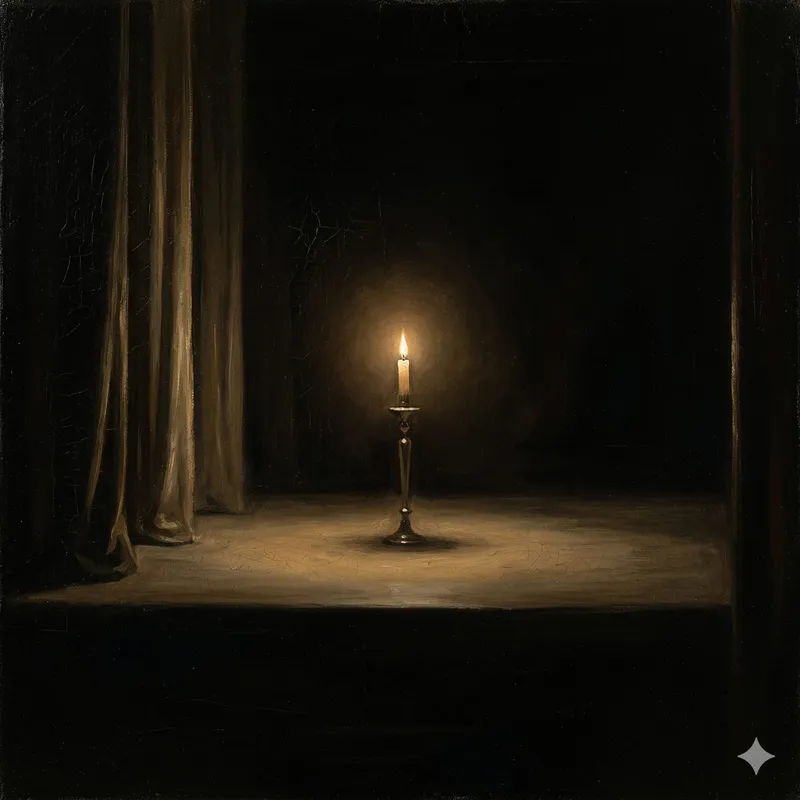
L'opéra commence par un avertissement orchestral tonitruant : deux accords massifs en ré mineur et un passage de solennité spectrale qui appartient au monde de la mort et du jugement. Puis, sans pause, la musique éclate en un brillant allegro à toute allure, toute énergie pétillante et élan audacieux. C'est le monde de Don Giovanni en miniature — terreur surnaturelle et vitalité irrésistible liées ensemble dès la première mesure.
Une rencontre fatale
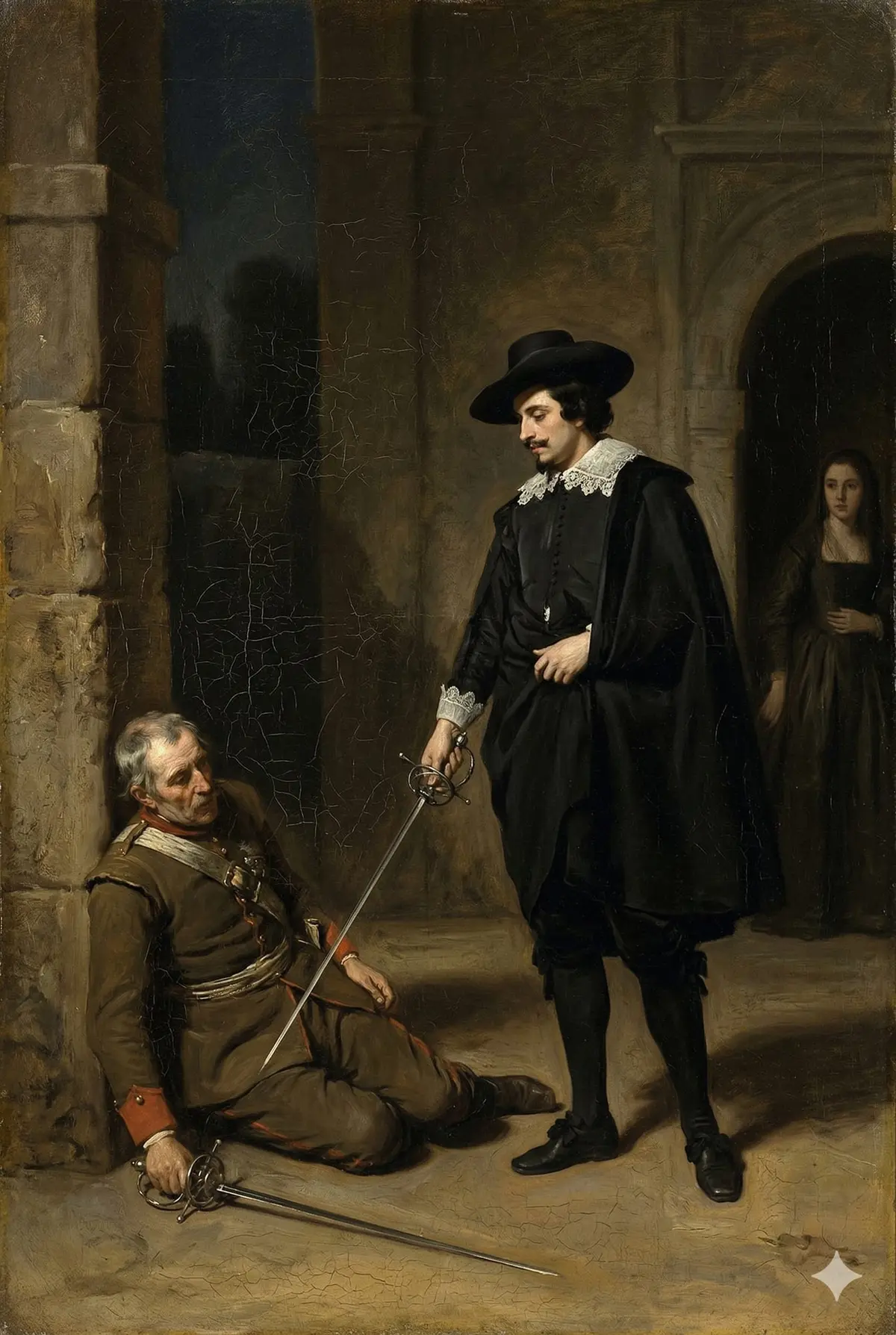
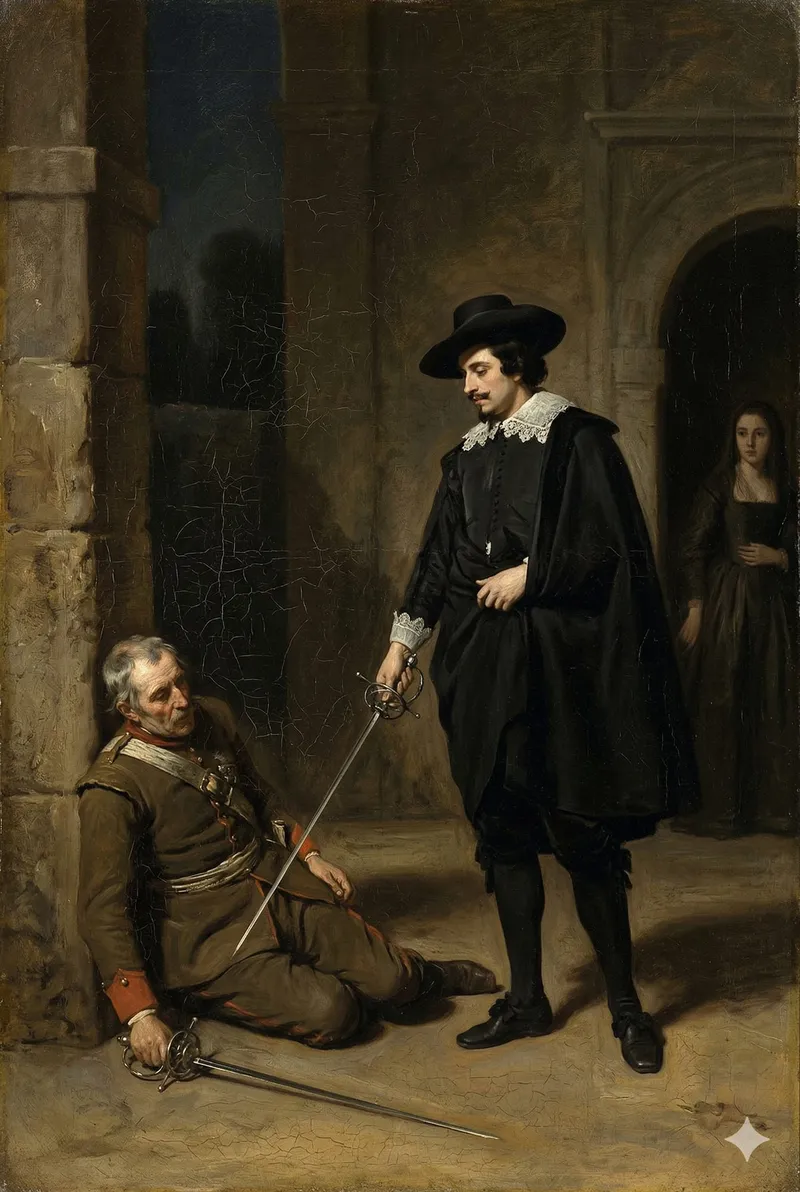
Devant le palais du Commendatore à Séville, Leporello fait les cent pas dans l'obscurité, grommelant sur sa vie ingrate de serviteur dans "Notte e giorno faticar." Soudain, son maître Don Giovanni jaillit de la maison, luttant avec Donna Anna, qui essaie désespérément de démasquer son agresseur. Son père, le Commendatore, sort en courant, épée à la main, pour défendre son honneur. Don Giovanni tire sa propre lame et, dans un bref et terrible duel, transperce le vieil homme. Alors que le Commendatore meurt, la musique passe d'une action furieuse à un trio silencieux d'un pathos extraordinaire. Donna Anna revient pour trouver le corps de son père et, dans le duo déchirant "Ma qual mai s'offre, oh Dei," fait jurer à Don Ottavio un serment sacré de vengeance.
La colère d'Elvira et le catalogue
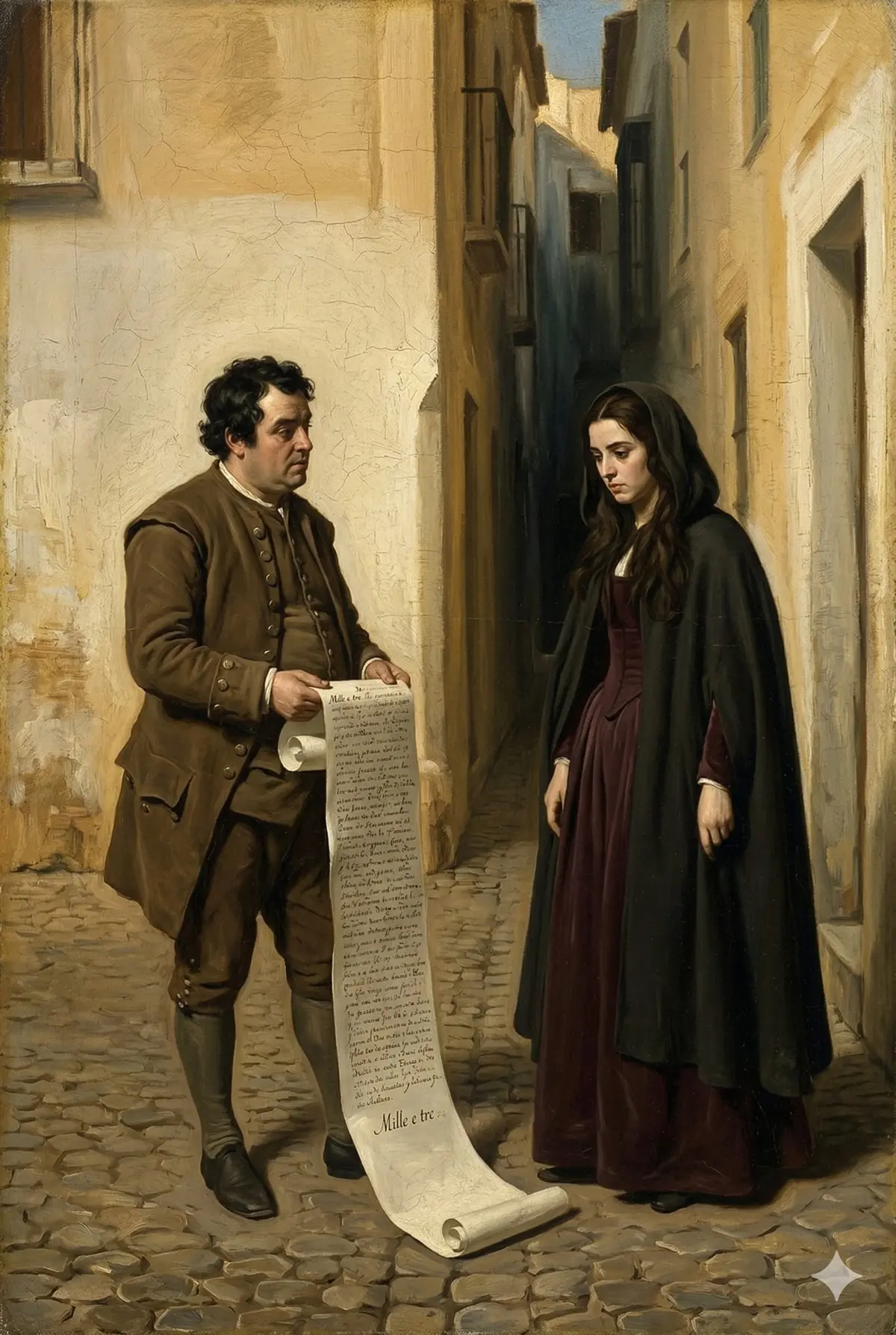
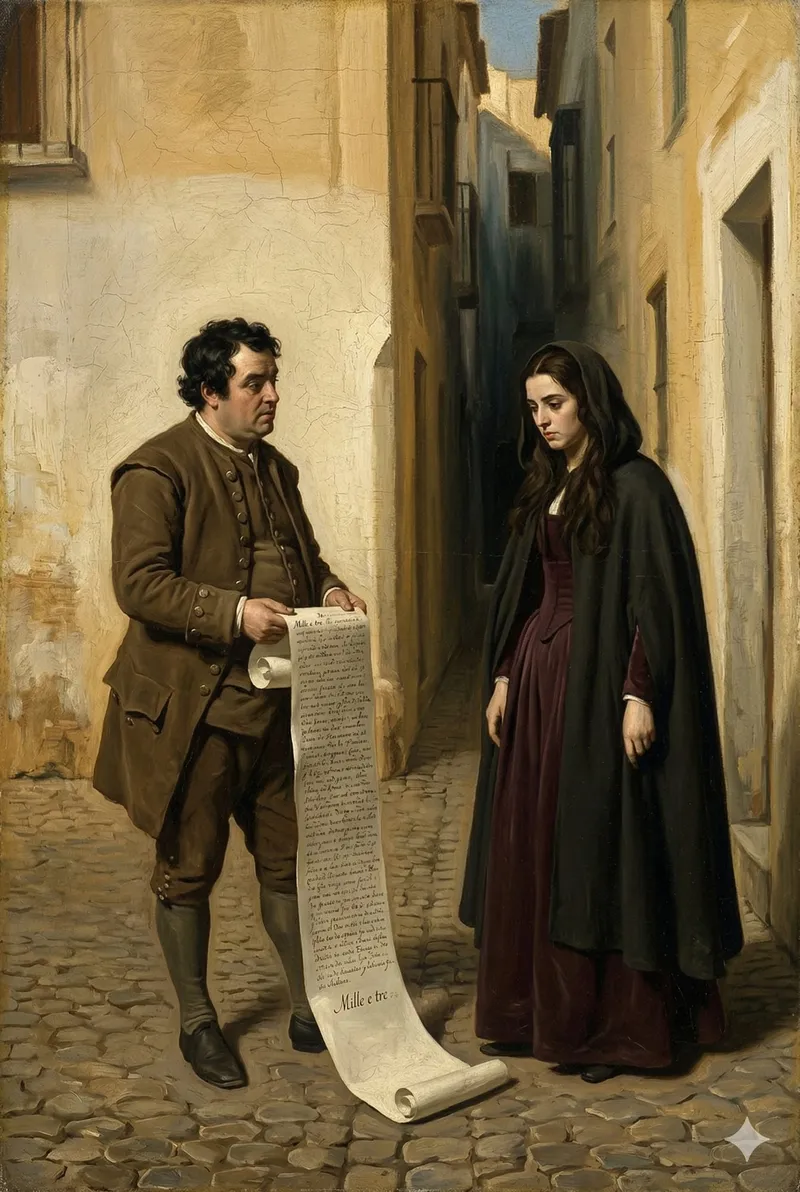
L'aube vient à peine de se lever lorsque Donna Elvira fait irruption sur scène, une femme méprisée et enflammée par l'air "Ah chi mi dice mai," jurant de déchirer le cœur de Don Giovanni. Par une cruelle coïncidence, Don Giovanni lui-même est à proximité et s'approche de l'étrangère séduisante — seulement pour réaliser que c'est la même femme qu'il a séduite et abandonnée à Burgos. Il s'éclipse, laissant Leporello livrer le dévastateur "Catalogue Aria," "Madamina, il catalogo è questo." Avec une précision de faux érudit, Leporello dresse le bilan des conquêtes de son maître à travers l'Europe — blondes, brunes, les grandes, les petites, les vieilles, les jeunes — réduisant Elvira de la fureur à l'humiliation sans voix. Le numéro est à la fois hilarant et horrifiant, un chef-d'œuvre comique qui révèle toute l'étendue de la nature prédatrice de Don Giovanni.
La Séduction de Zerlina
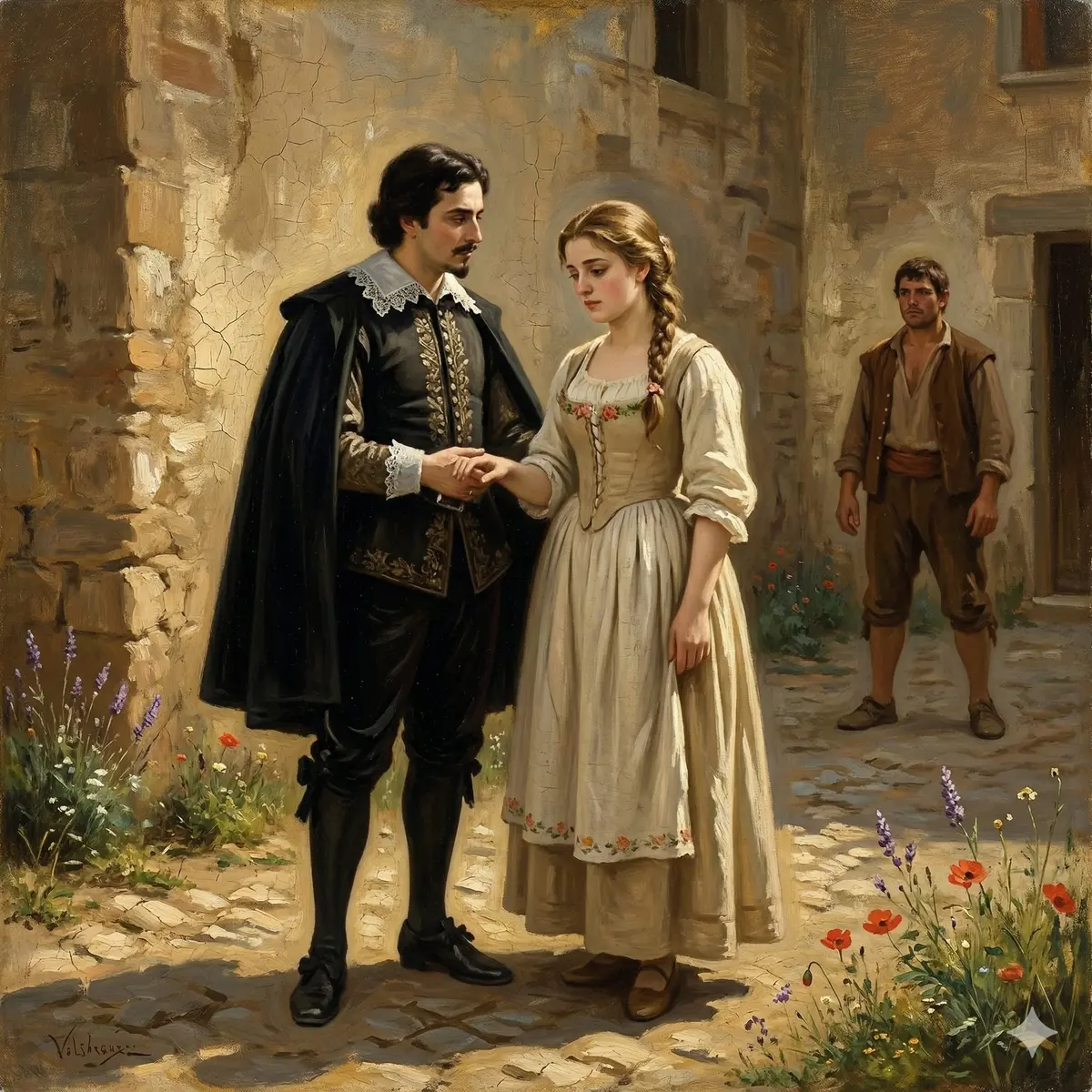
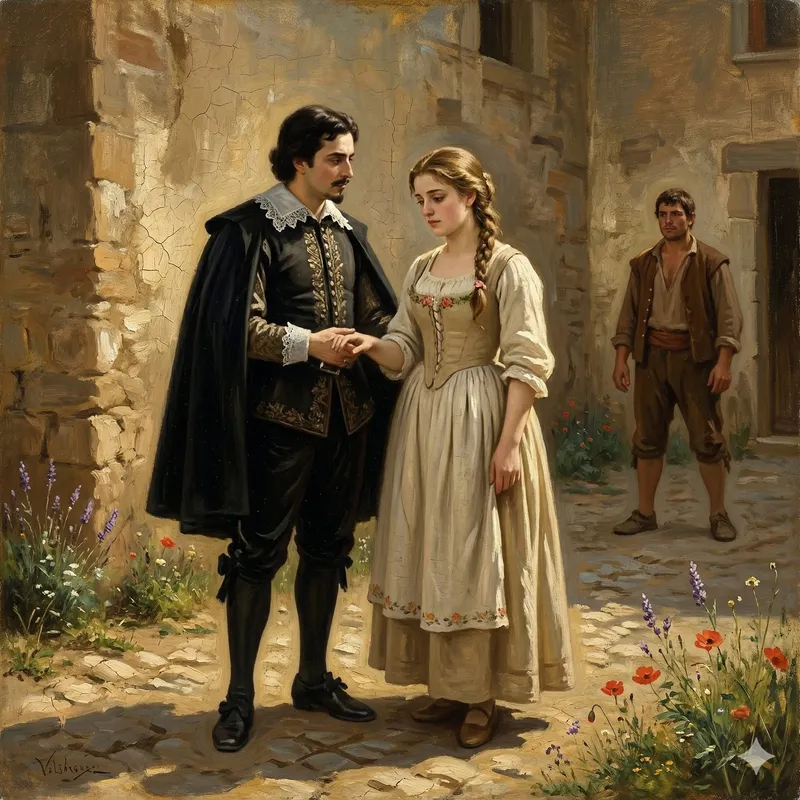
Don Giovanni interrompt une célébration de mariage paysan, captivé instantanément par la mariée Zerlina. Il envoie Leporello distraire Masetto et les autres invités, puis déploie tout son charme sur la jeune femme dans le duo irrésistible "Là ci darem la mano." Leurs voix s'entrelacent alors qu'il lui promet une vie de noble, et elle — flattée, tentée, à moitié consentante — commence à céder. Juste au moment où Zerlina est sur le point de se rendre, Donna Elvira surgit comme un ange vengeur avec "Ah fuggi il traditor," avertissant la fille de fuir ce trompeur. Zerlina est emportée, et Don Giovanni se retrouve les mains vides, sa séduction contrecarrée pour le moment.
La Reconnaissance d'Anna
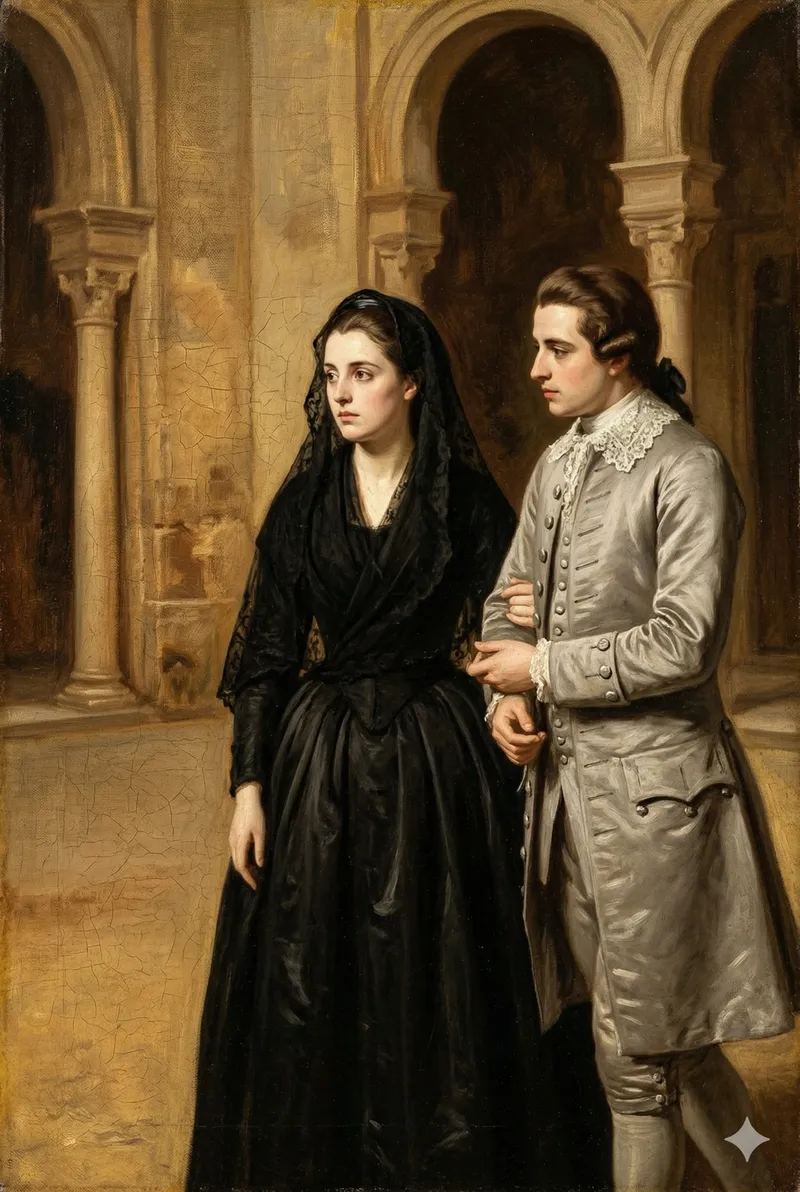
Donna Anna et Don Ottavio rencontrent Don Giovanni, qui offre habilement son assistance. Mais lorsque Donna Elvira réapparaît pour le dénoncer, quelque chose se déclenche dans la mémoire de Donna Anna. Après le départ de Don Giovanni, elle se tourne vers Ottavio dans un état de choc : elle a reconnu sa voix comme celle de l'intrus masqué qui l'a attaquée et a tué son père. Dans la magnifique aria "Or sai chi l'onore," elle ordonne à Ottavio de venger l'honneur de sa famille, sa ligne vocale flamboyant de fureur et de chagrin. Resté seul, le doux Ottavio répond avec "Dalla sua pace," une aria tendre déclarant que son bonheur entier dépend du sien — un vœu silencieux de loyauté qui équilibre sa demande ardente avec une dévotion inébranlable.
The Champagne Aria
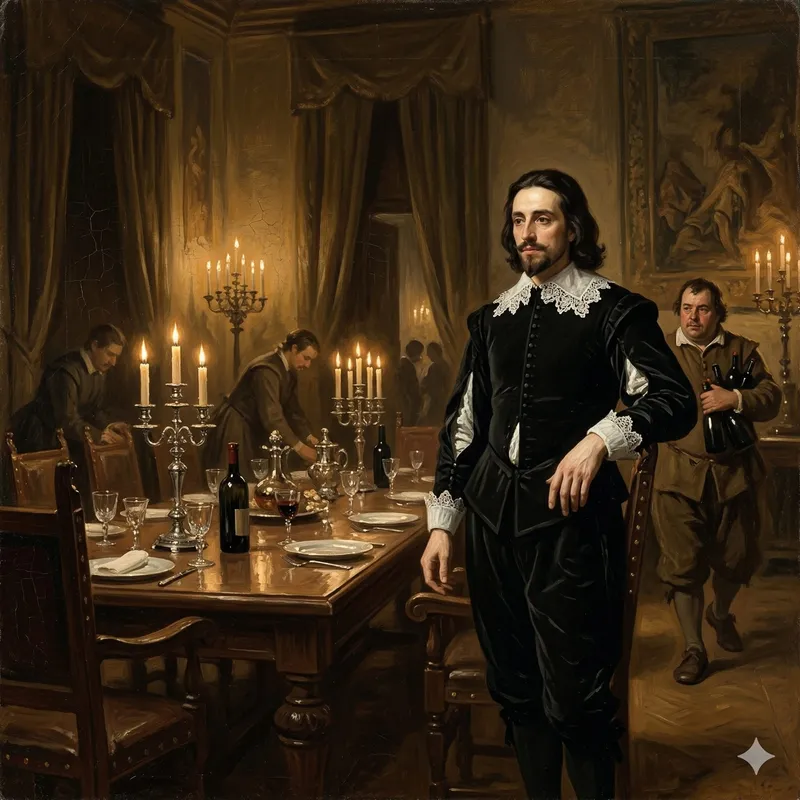
Imperturbable face aux forces qui se rassemblent contre lui, Don Giovanni se lance dans la planification d'une fête magnifique. Dans l'électrisant "Fin ch'han dal vino" — la célèbre Aria du Champagne — il donne des instructions à Leporello à une vitesse vertigineuse : prépare le vin, invite toutes les jolies filles du quartier, laisse-les danser le menuet, la follia, l'allemande, et au matin, dix noms de plus seront ajoutés au catalogue. L'aria dure à peine une minute mais crépite d'énergie maniaque, capturant l'appétit défiant et inarrêtable de Don Giovanni pour le plaisir dans toute sa gloire téméraire.
Zerlina apaise Masetto
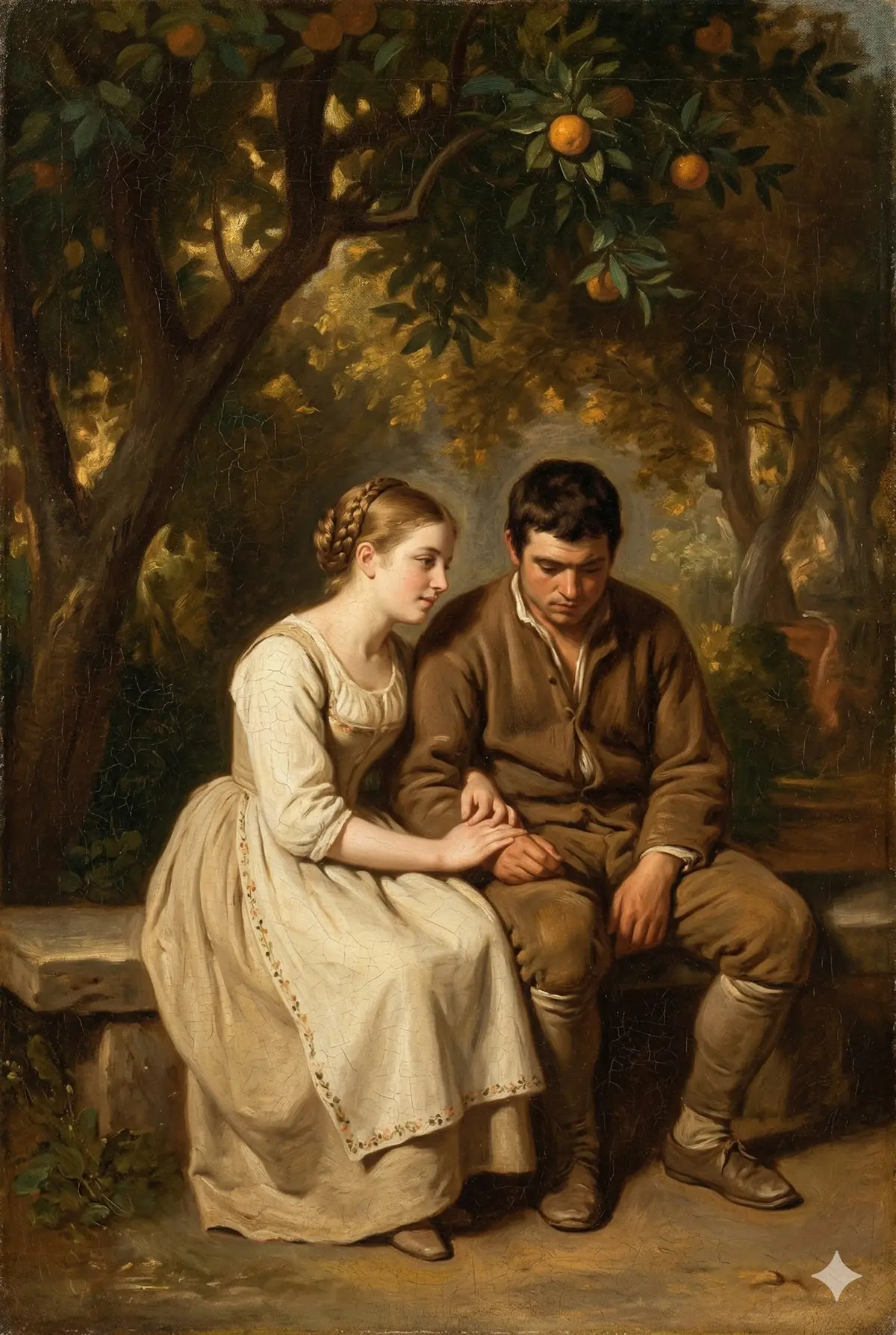
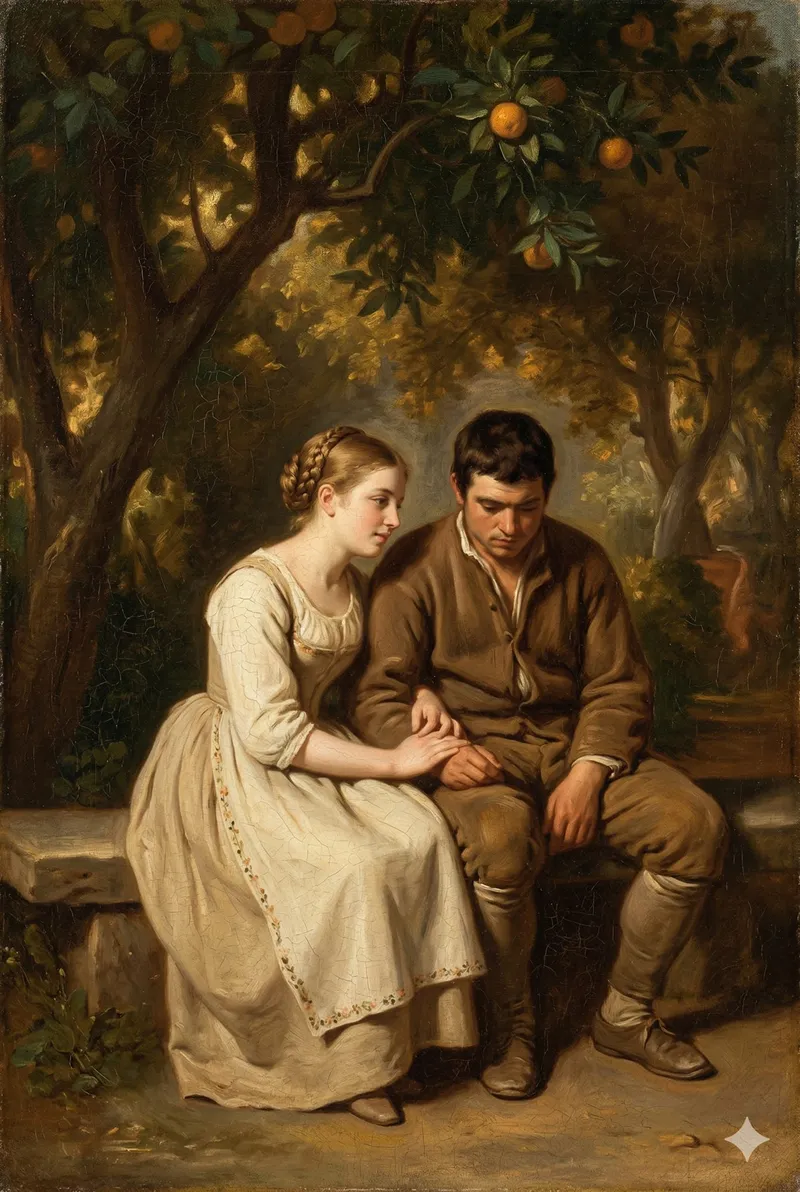
Avant le bal, Zerlina doit faire face à la colère de son fiancé jaloux. Dans l'air coquet "Batti, batti, o bel Masetto," elle l'invite à la frapper, à la griffer, à lui tirer les cheveux — elle supportera tout comme un agneau. La mélodie est si douce et la performance si désarmante que la colère de Masetto fond complètement. C'est un petit bijou comique qui révèle la compréhension astucieuse de Zerlina sur la manière de gérer son mari colérique, transformant une querelle domestique en une affirmation de leur lien.
Le Bal masqué
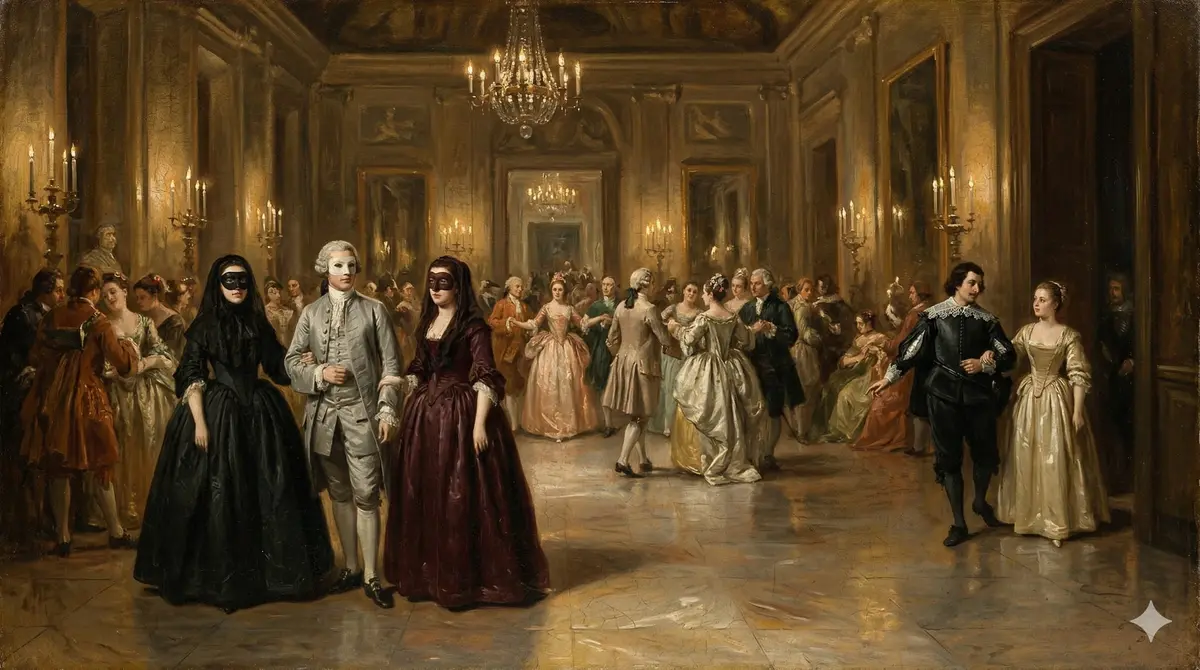
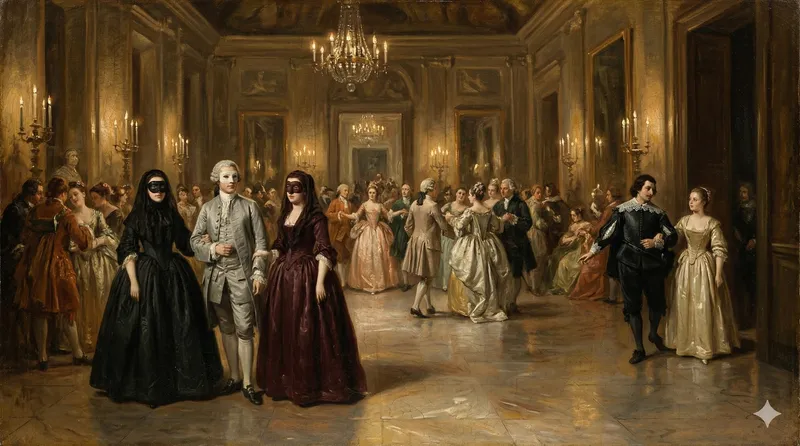
Le palais de Don Giovanni brille de lumière et de musique alors que les invités affluent pour le grand bal. Donna Anna, Don Ottavio et Donna Elvira arrivent masqués, s'arrêtant au seuil pour prier pour la protection du ciel dans le trio solennel "Protegga il giusto cielo." À l'intérieur, Mozart réalise l'un des coups de maître théâtraux suprêmes de l'opéra : trois orchestres sur scène jouent simultanément — un menuet solennel pour les nobles, une contredanse pour la bourgeoisie, et une danse allemande tourbillonnante pour les paysans — tous dans des signatures temporelles différentes, superposées avec une maîtrise contrapuntique à couper le souffle. Sous le couvert des danses tourbillonnantes, Don Giovanni attire Zerlina dans une pièce adjacente. Son cri perçant perce la musique. Le trio masqué déchire ses déguisements et confronte le méchant. Don Giovanni essaie effrontément de blâmer Leporello, puis tire son épée et se bat pour sortir dans la nuit, l'acte se terminant dans un tumulte magnifique et chaotique.
La Déguisement et la Sérénade
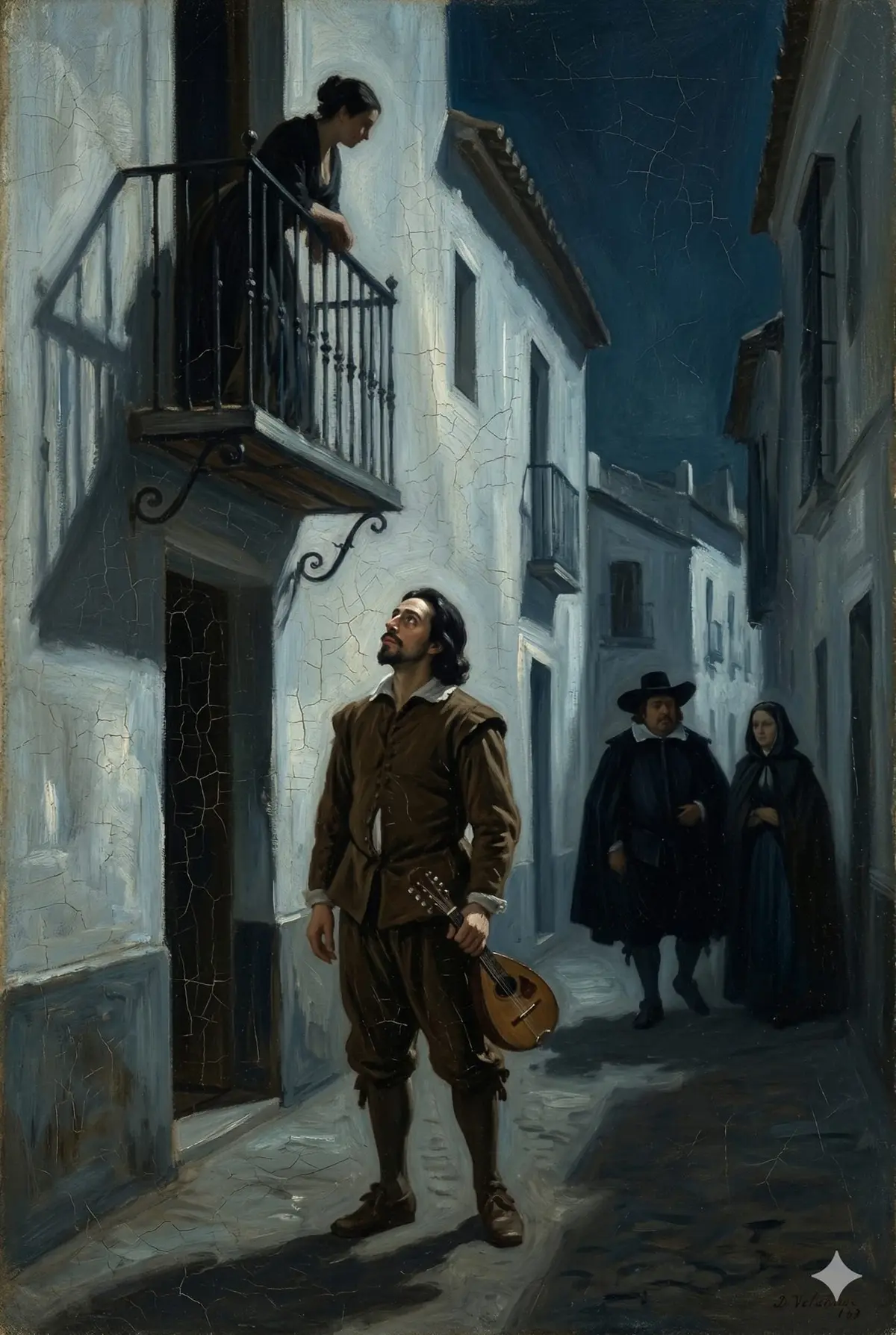
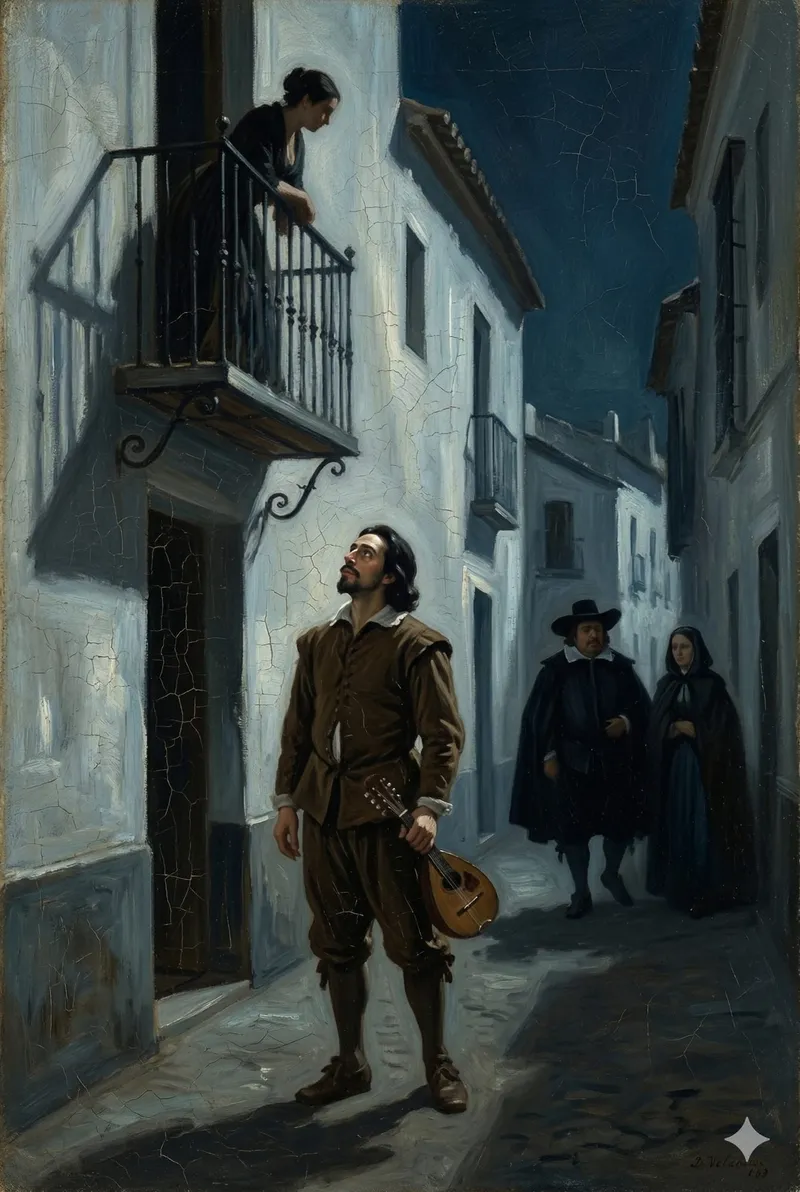
L'Acte 2 s'ouvre sur une rue la nuit. Don Giovanni persuade le réticent Leporello d'échanger ses manteaux avec lui dans le duo "Eh via, buffone," en soudoyant et en intimidant le serviteur pour qu'il se conforme. Le plan : Leporello, déguisé en maître, attirera Donna Elvira de son balcon pendant que Don Giovanni, en tenue de serviteur, chante une sérénade à sa femme de chambre. Le stratagème fonctionne parfaitement. Elvira, toujours irrésistiblement attirée par Giovanni, descend pour rencontrer le déguisé Leporello. Seul sous la fenêtre, Don Giovanni prend sa mandoline et chante "Deh, vieni alla finestra," une canzonetta d'une beauté exquise et mielleuse — la voix d'un homme qui peut faire en sorte que même la tromperie semble être le plus pur des amours.
La Fessée de Masetto
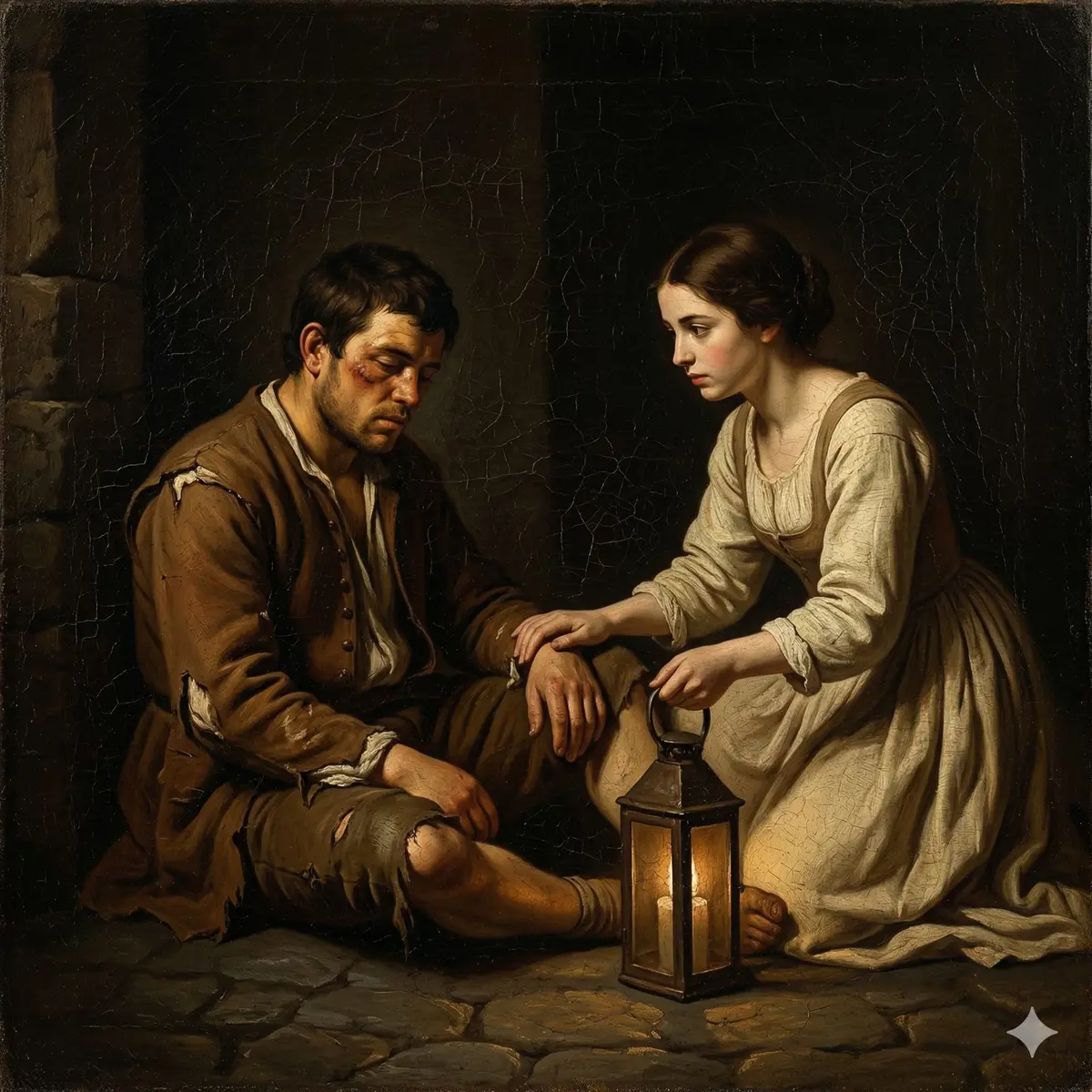
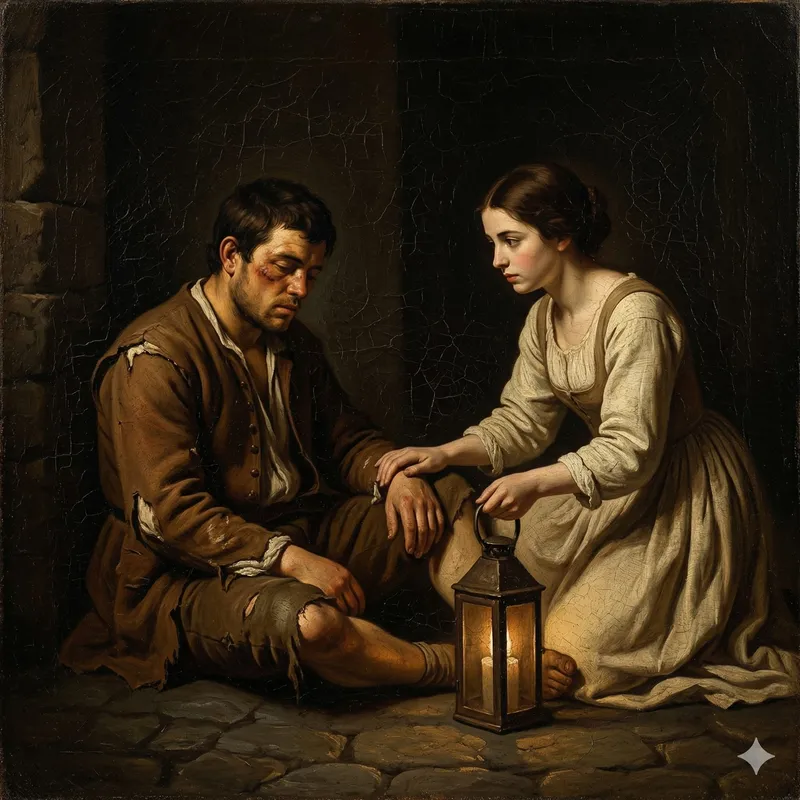
Masetto arrive avec un groupe de paysans armés à la recherche de Don Giovanni. Toujours déguisé en Leporello, Don Giovanni fait semblant d'aider, donnant des instructions détaillées dans "Metà di voi qua vadano" pour diviser le groupe et les envoyer dans de mauvaises directions. Une fois Masetto isolé, Don Giovanni le bat à plate couture et disparaît dans l'obscurité. Le marié meurtri est trouvé par Zerlina, qui s'occupe de ses contusions avec l'aria douloureusement tendre "Vedrai, carino," pressant sa main contre son cœur battant et promettant que son propre remède naturel le guérira. C'est un moment de chaleur authentique au milieu de la cruauté de la nuit.
Le démasquage de Leporello
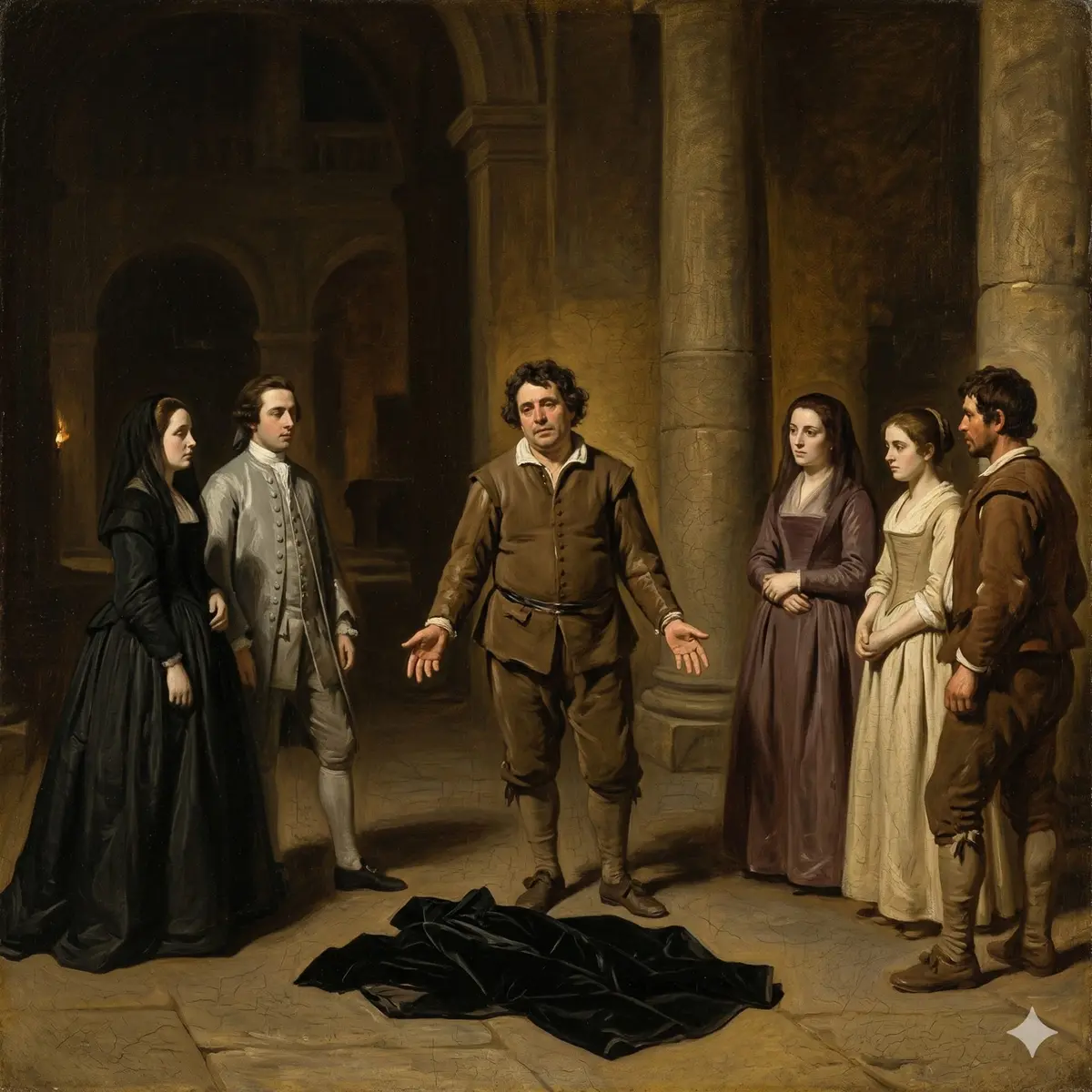
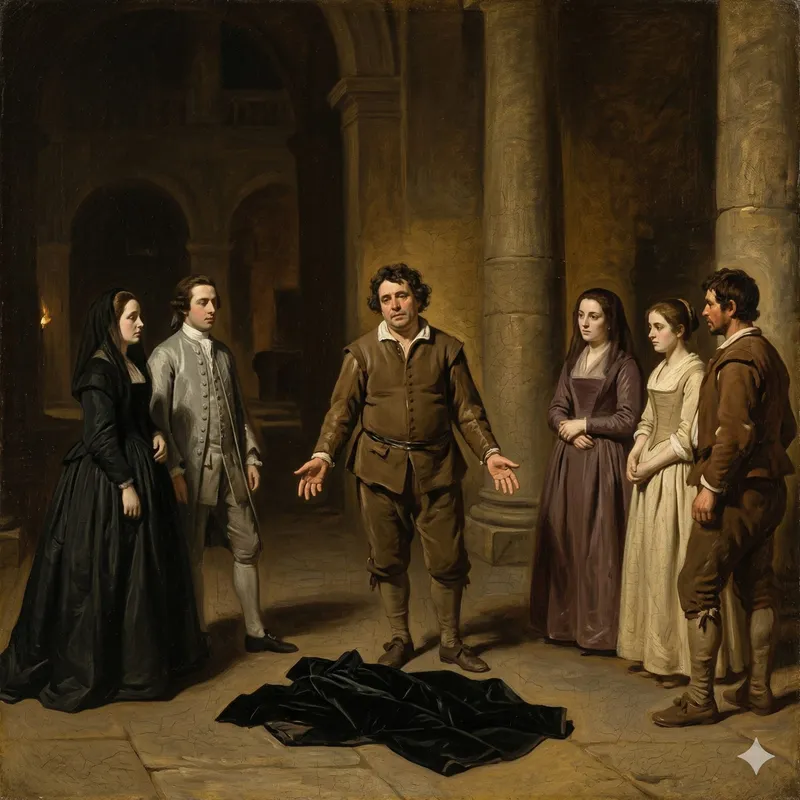
Les fils de la confusion convergent dans une cour assombrie. Donna Elvira s'accroche à l'homme qu'elle croit être Don Giovanni — en réalité Leporello dans le manteau de son maître. Un par un, Donna Anna, Don Ottavio, Zerlina et Masetto arrivent, tous en quête de vengeance. Dans le grand sextuor "Sola, sola in buio loco," les personnages se rapprochent, et Leporello révèle frénétiquement sa véritable identité, se débarrassant du déguisement et suppliant pour sa clémence. L'étonnement parcourt l'ensemble alors que chaque personnage traite la tromperie différemment. Don Ottavio résout d'amener le véritable Don Giovanni devant la justice dans le sublime "Il mio tesoro intanto," tandis que Donna Elvira, laissée seule, exprime son ambivalence torturée dans "Mi tradì quell'alma ingrata" — trahie, mais incapable d'éteindre son amour pour l'homme qui l'a ruinée.
Le Cimetière
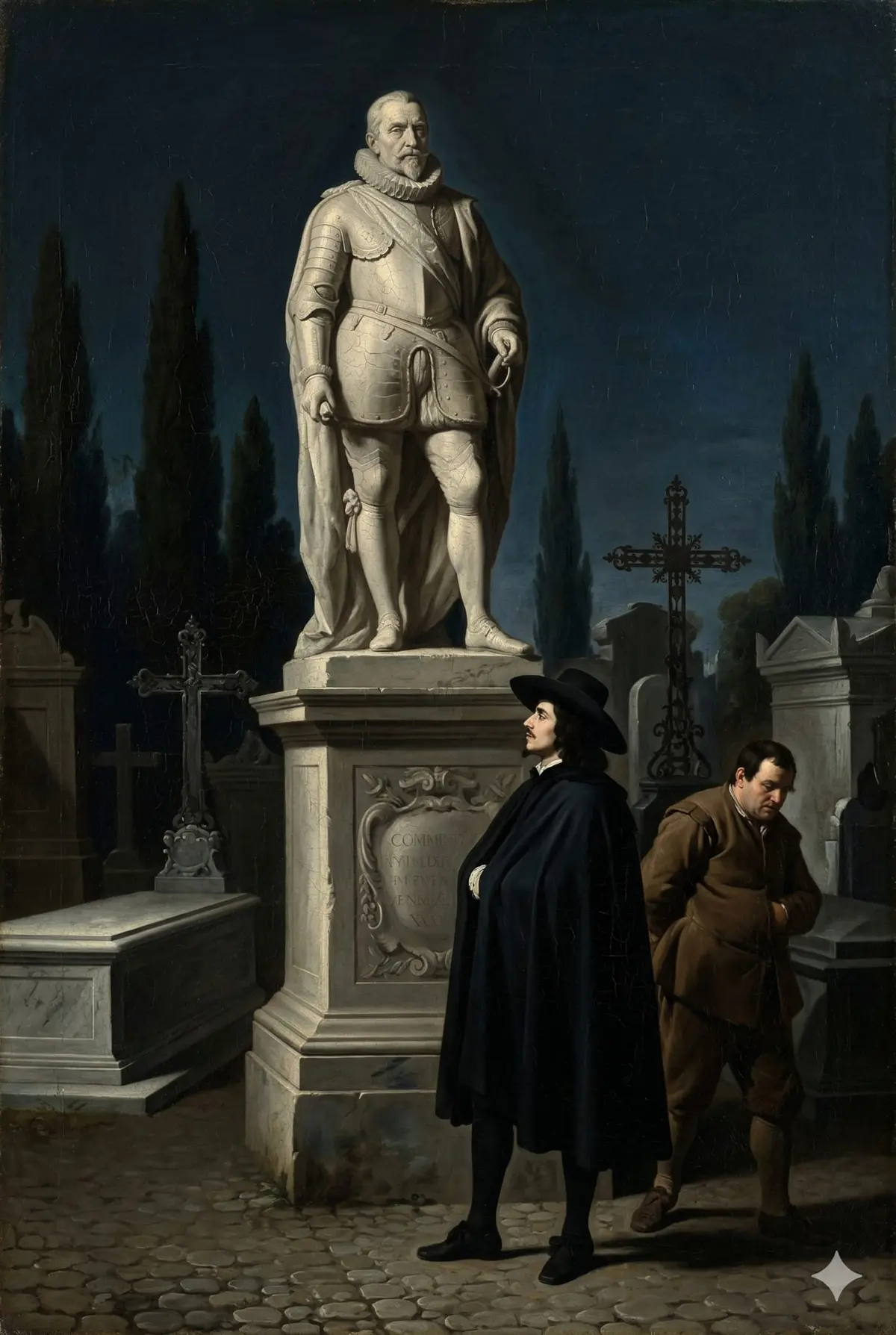
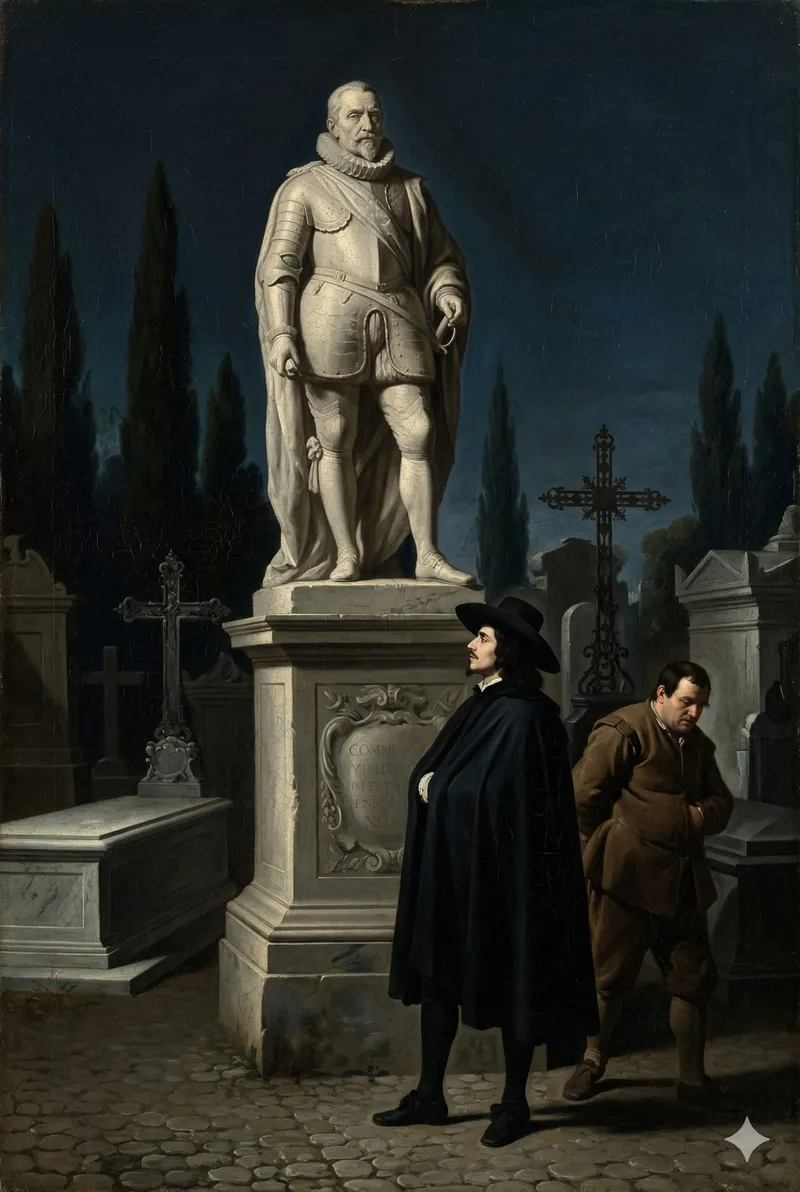
Don Giovanni, exalté par les aventures de la nuit, grimpe par-dessus un mur de cimetière et rencontre la statue de pierre du Commendatore. Leporello, tremblant de peur, lit l'inscription sur la tombe : "Ici j'attends la vengeance sur le misérable qui m'a tué." Don Giovanni rit et, sur un défi imprudent, ordonne à son serviteur d'inviter la statue à souper. Dans le duo "O statua gentilissima," le terrifié Leporello balbutie l'invitation — et la statue hoche la tête en marbre. Don Giovanni est ravi plutôt qu'effrayé, accueillant le surnaturel avec le même bravado intrépide qu'il apporte à tout le reste. Pour Leporello, le hochement de tête confirme que quelque chose au-delà de la justice humaine est désormais en jeu.
L'Appel d'Anna
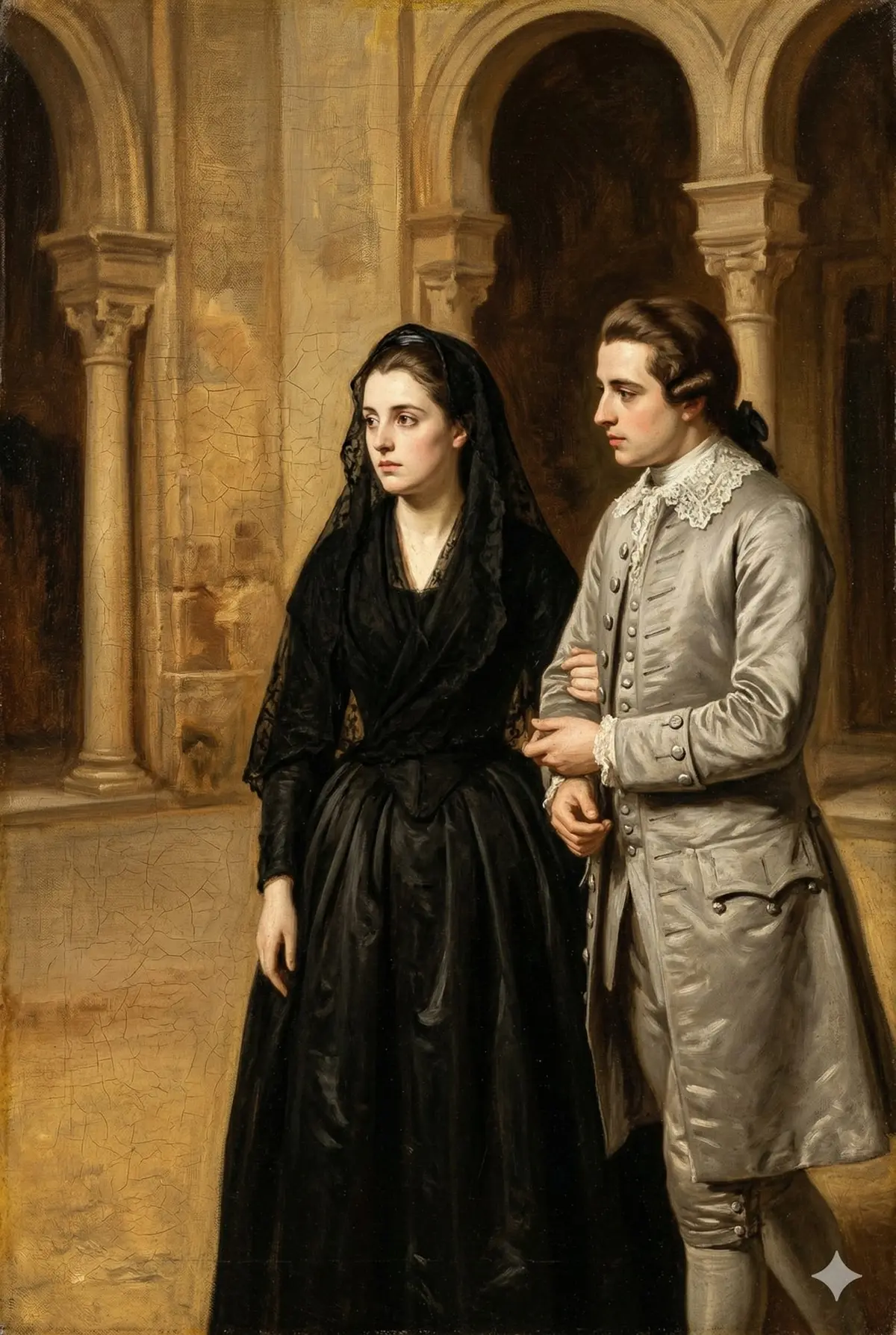
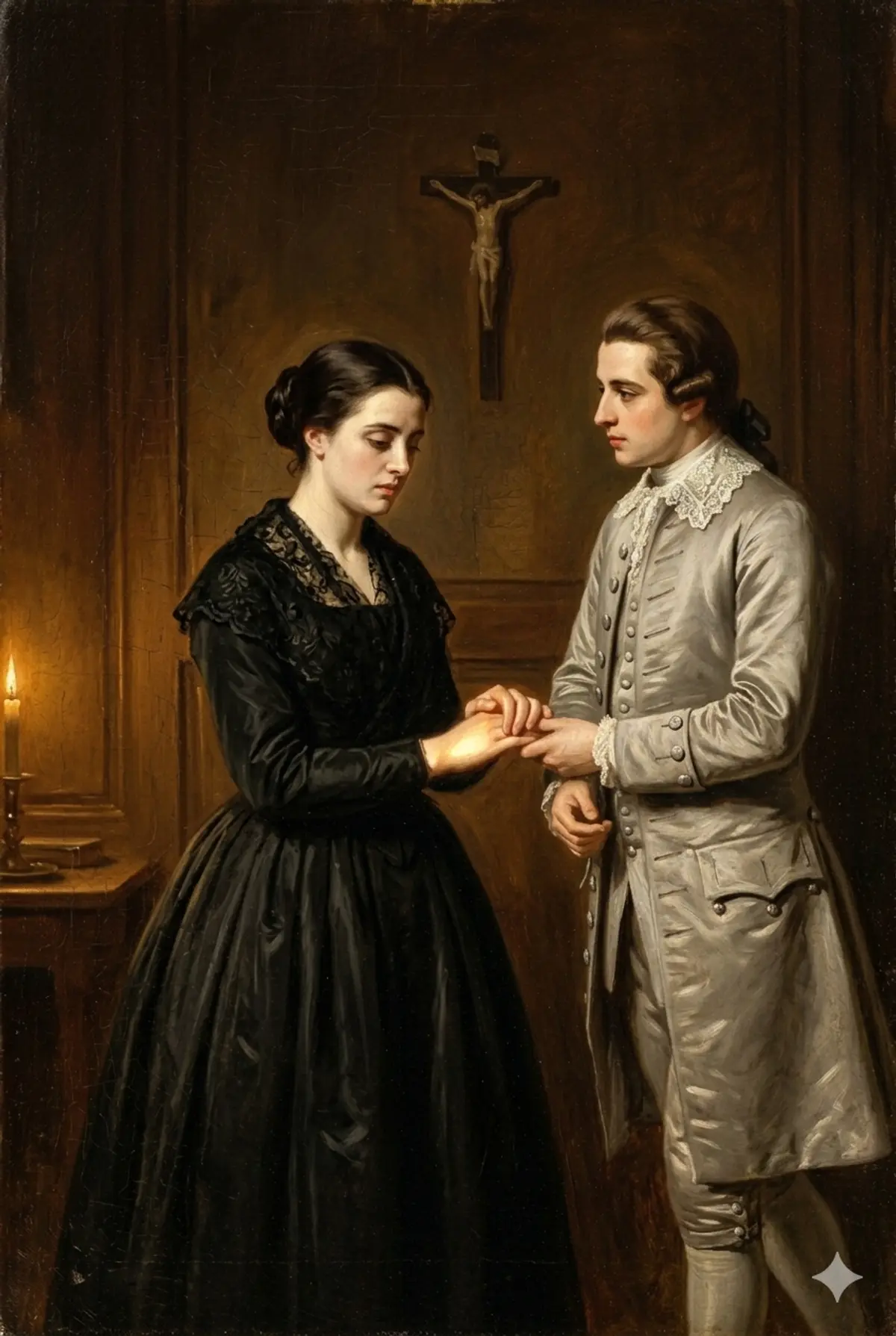
Donna Anna, toujours consumée par le chagrin et le poids de tout ce qui s'est passé, demande à Don Ottavio de ne pas l'appeler cruelle pour avoir reporté leur mariage. Dans l'aria profondément ressentie "Non mi dir, bell'idol mio," elle lui assure son amour mais insiste sur le fait que le ciel exige qu'elle attende. Les longues lignes ornées de l'aria révèlent une femme luttant pour concilier devoir, amour et traumatisme non guéri. Ottavio accepte sa décision avec une tristesse silencieuse, et nous sentons que pour Donna Anna, la justice pour son père doit passer avant le bonheur personnel.
Le Festin de Pierre
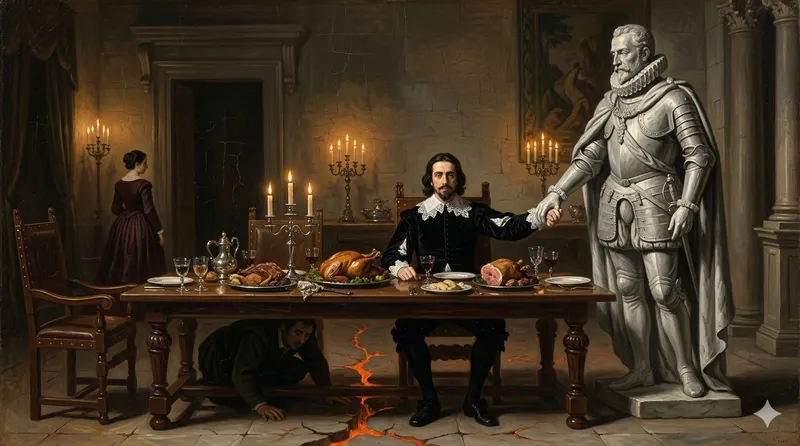
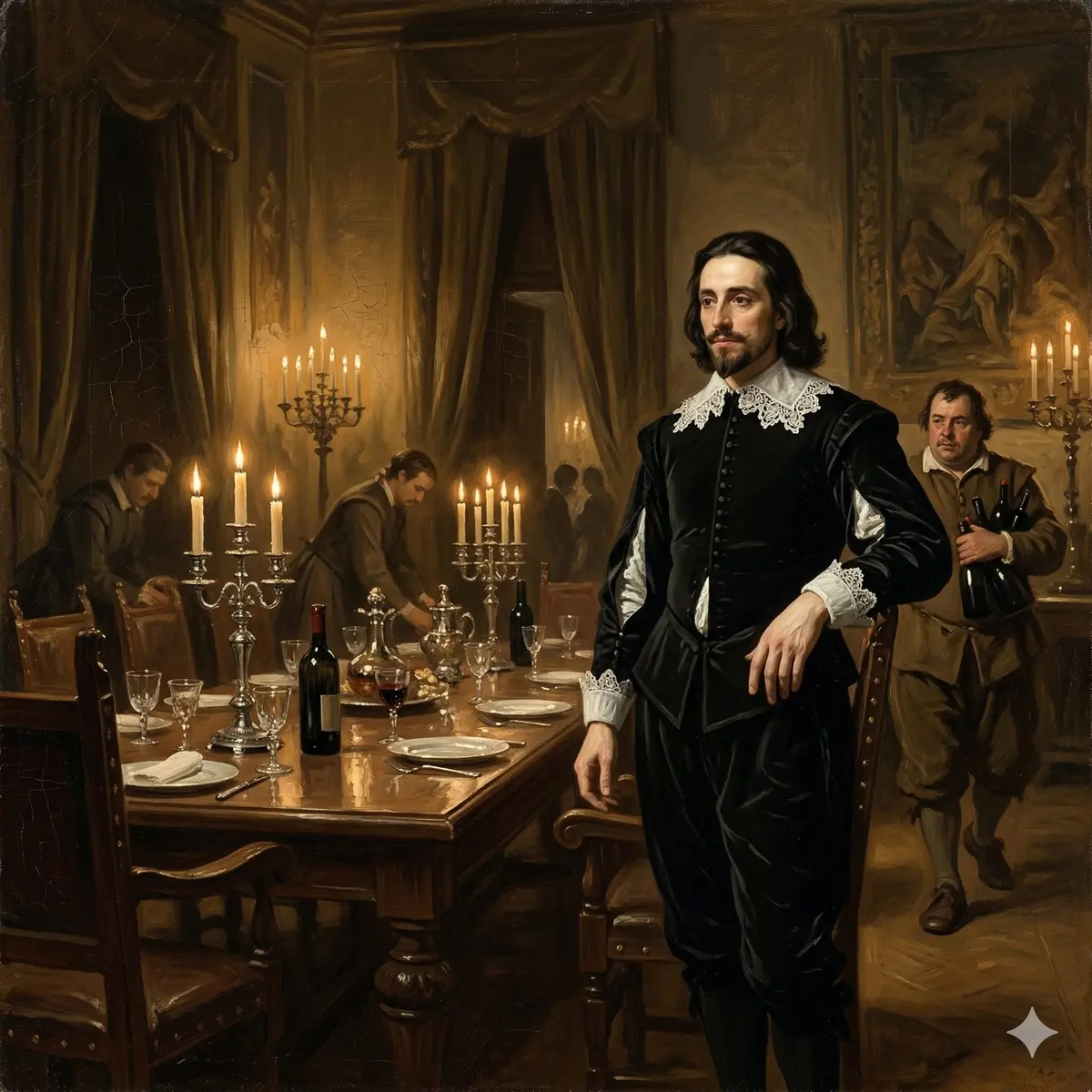
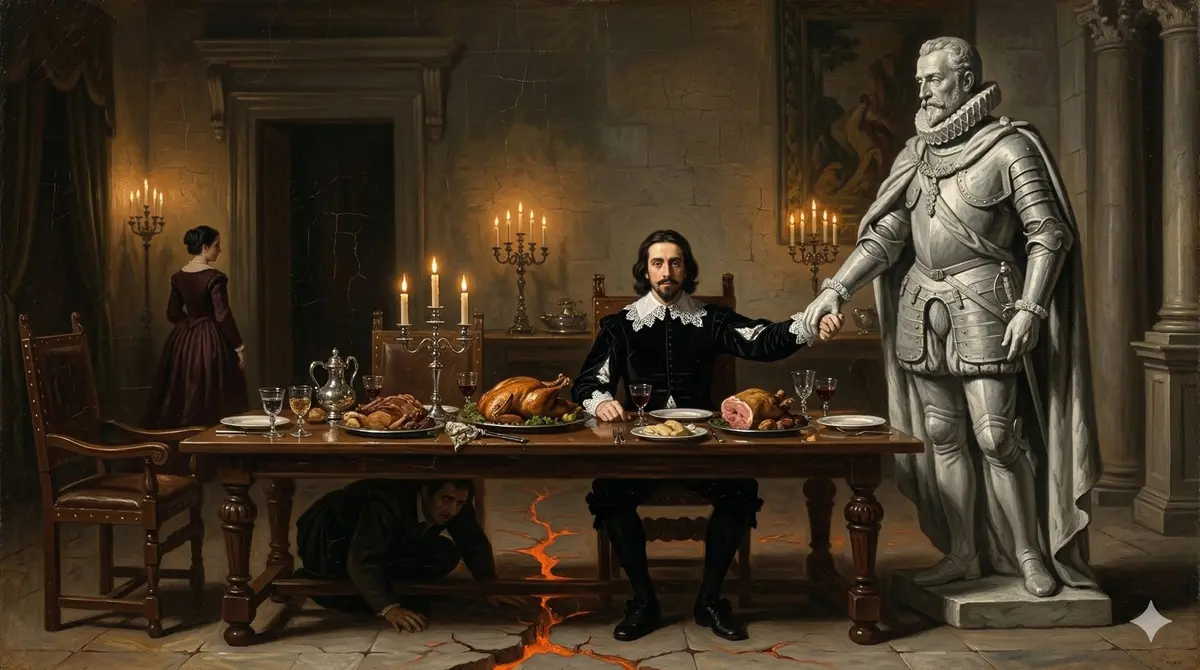
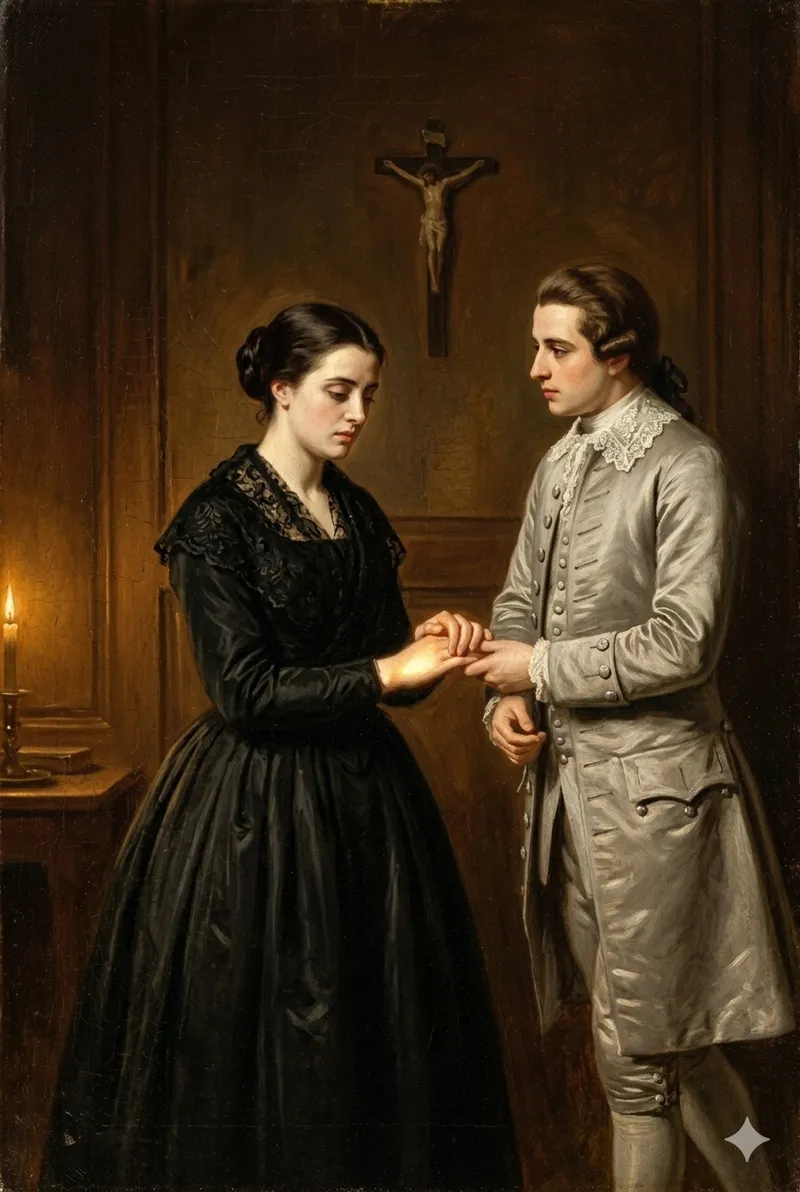
Don Giovanni s'assoit à un somptueux souper, servi par le fidèle Leporello, tandis qu'un orchestre de vent privé joue des extraits d'opéras populaires — y compris, dans une sournoise auto-référence, un air de l'opéra de Mozart 'Le nozze di Figaro.' Donna Elvira fait irruption pour un dernier appel désespéré, le suppliant de changer de vie. Il se moque d'elle et porte un toast au vin et aux femmes. Elle s'enfuit vers la porte, crie et revient en courant, terrifiée. Puis viennent les pas de pierre — lourds, inexorables, secouant le palais. La statue du Commendatore entre dans la salle à manger sur la musique des accords d'ouverture de l'ouverture, désormais terriblement accomplie. Elle saisit la main de Don Giovanni dans une prise glaciale et exige qu'il se repente. Trois fois la statue demande ; trois fois Don Giovanni refuse, sa défiance étant absolue même alors qu'un froid surnaturel parcourt son corps. Des flammes éclatent, un chœur de démons hurle d'en bas, et Don Giovanni est traîné en hurlant dans l'abîme. Les personnages survivants se rassemblent pour prononcer la morale dans un dernier ensemble : "Questo è il fin di chi fa mal" — tel est la fin du malfaiteur.