La cautividad de Ilia
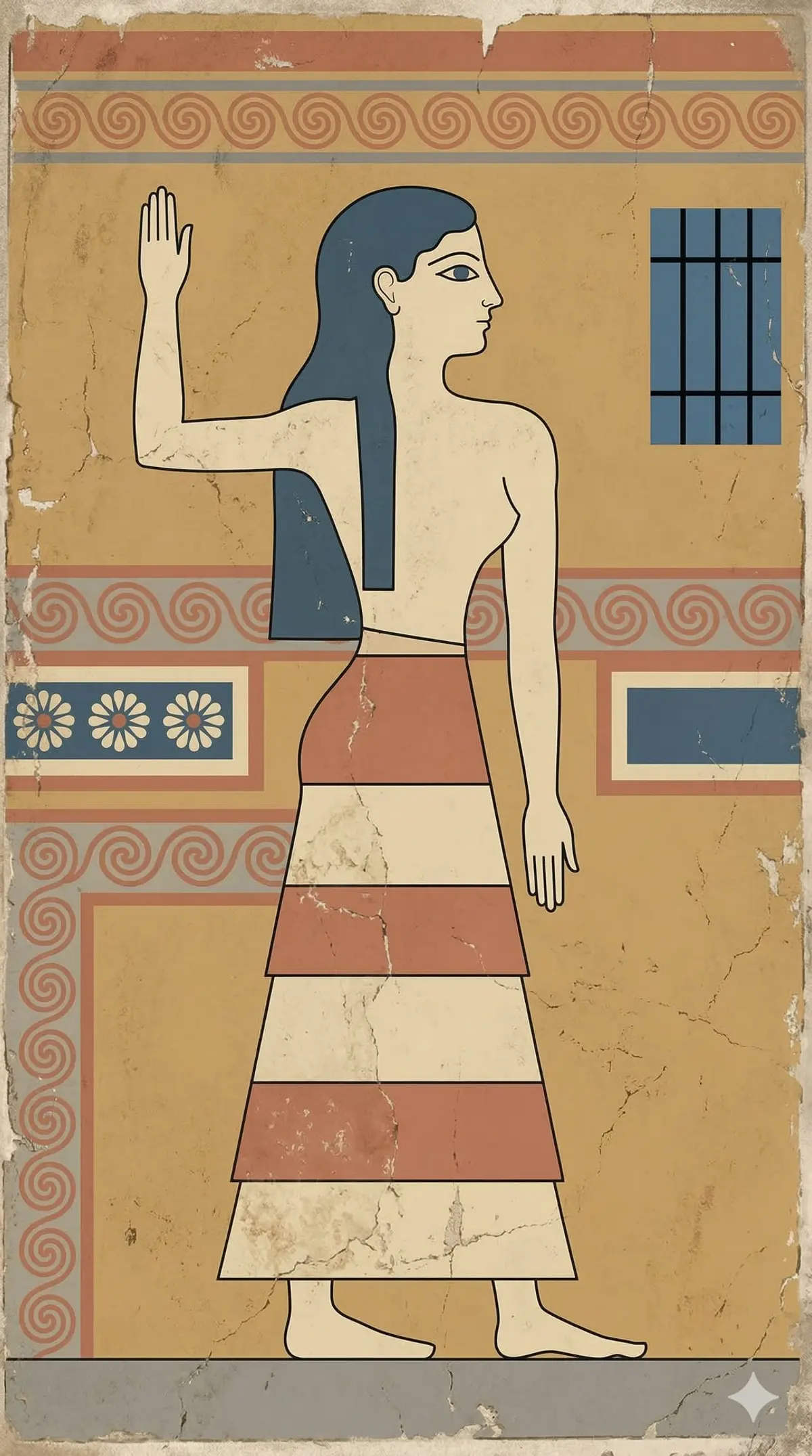
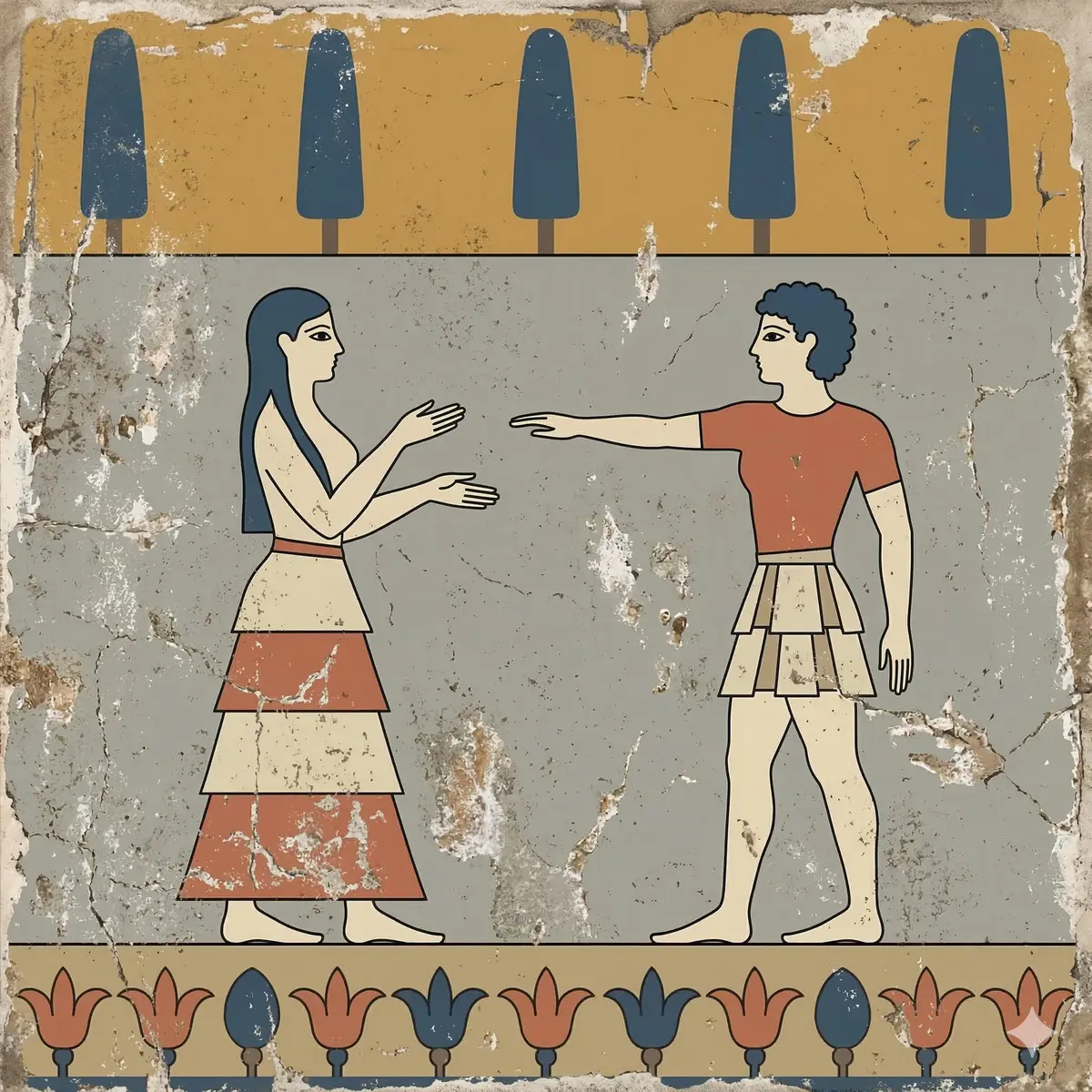
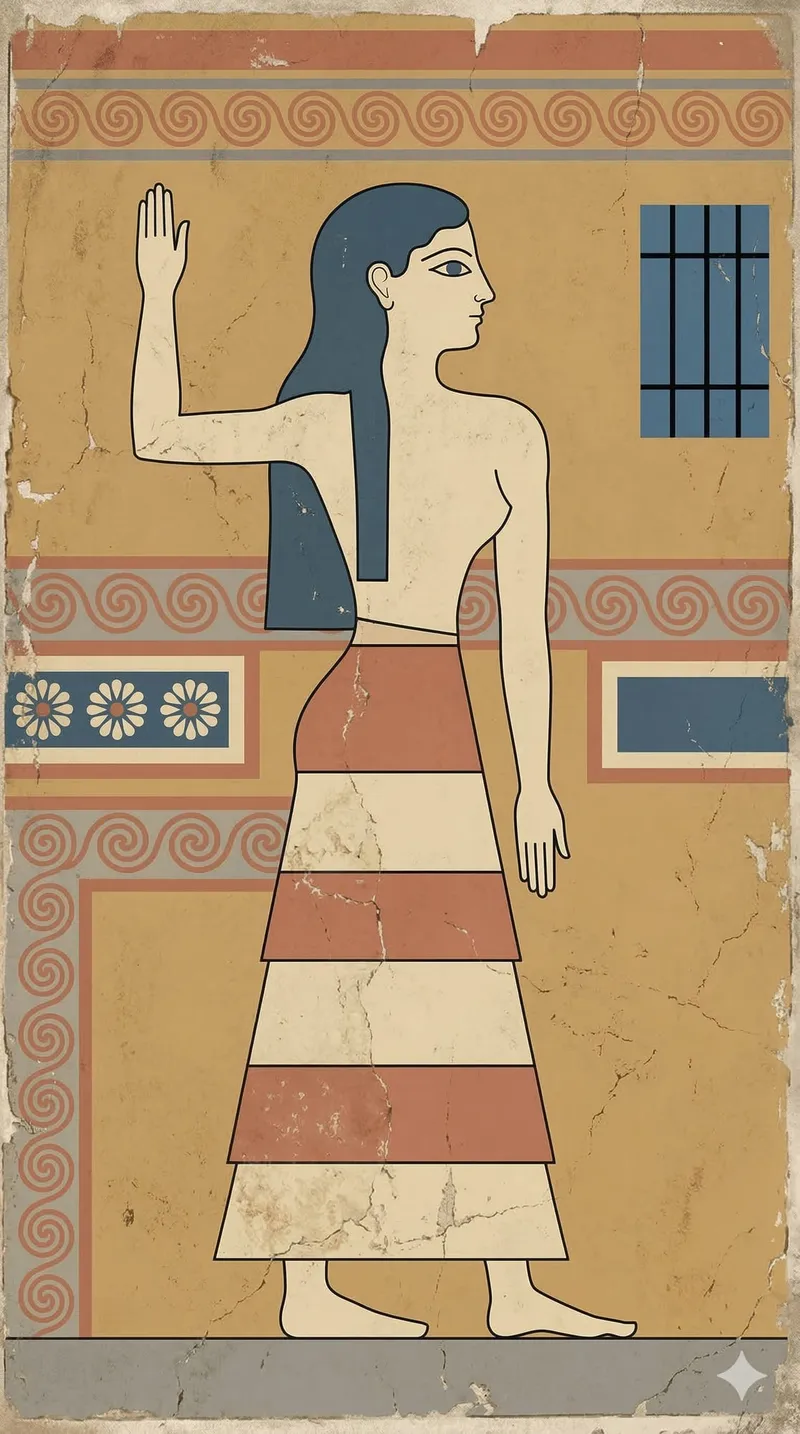
En la isla de Creta, la Guerra de Troya ha terminado, pero sus heridas no han sanado. La princesa Ilia, llevada a Creta como prisionera tras la caída de Troya, está sola con su dolor. Ha perdido a su padre, el rey Príamo, a sus hermanos y a su patria — todo destruido por los griegos. Sin embargo, no puede llevarse a sí misma a odiar a sus captores, porque Idamante, el joven príncipe de Creta, la ha tratado con amabilidad y respeto. Peor aún, se está enamorando de él. Dividida entre la lealtad a su familia muerta y sus crecientes sentimientos por el hijo del enemigo, Ilia confía su angustia a la habitación vacía.
Idamante libera a los troyanos
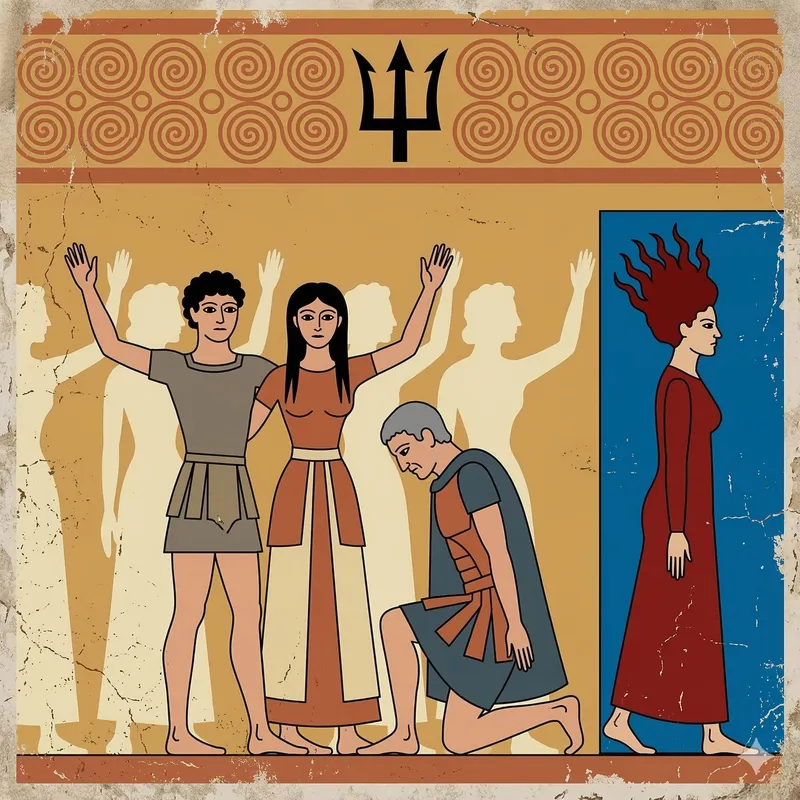
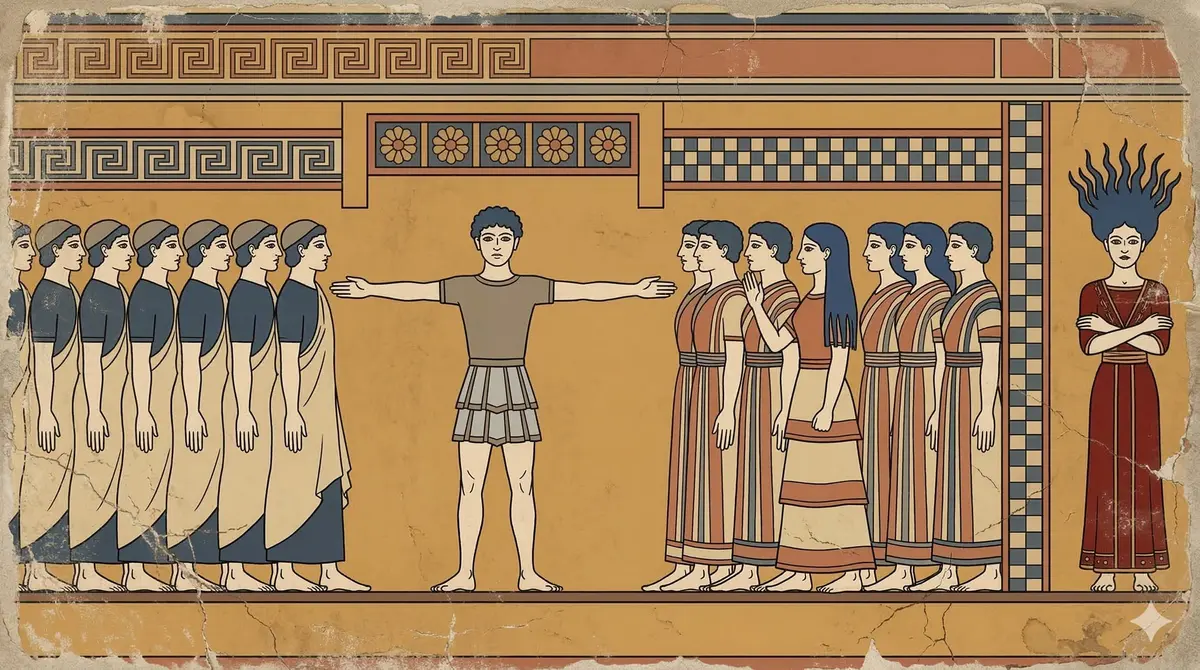
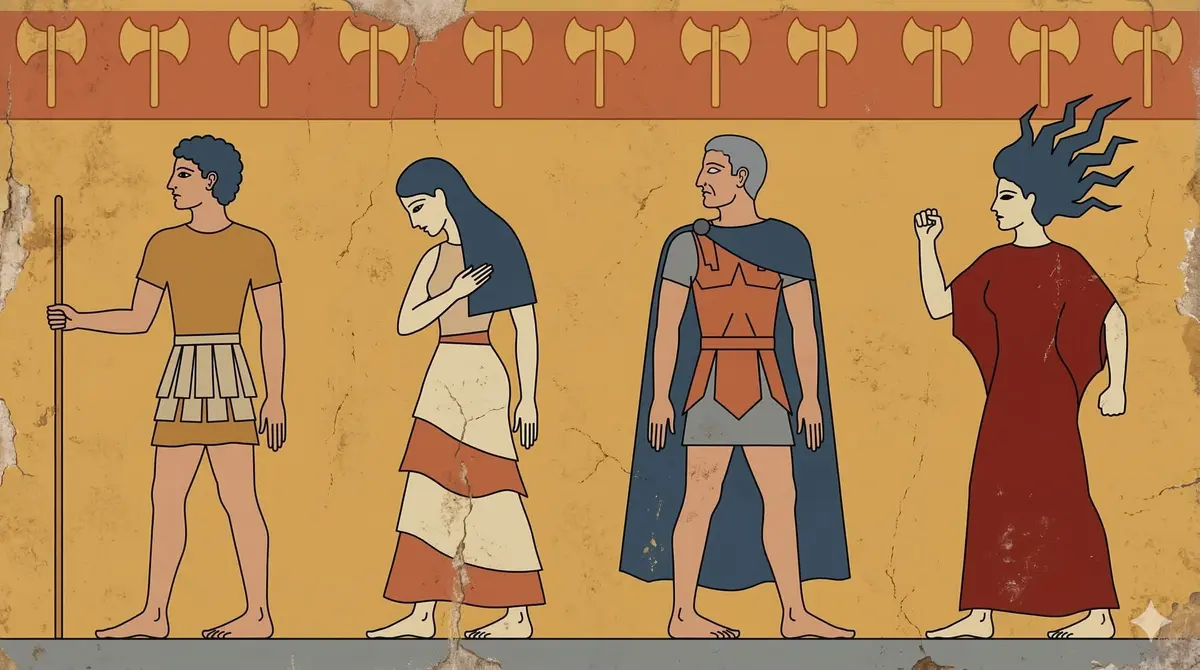
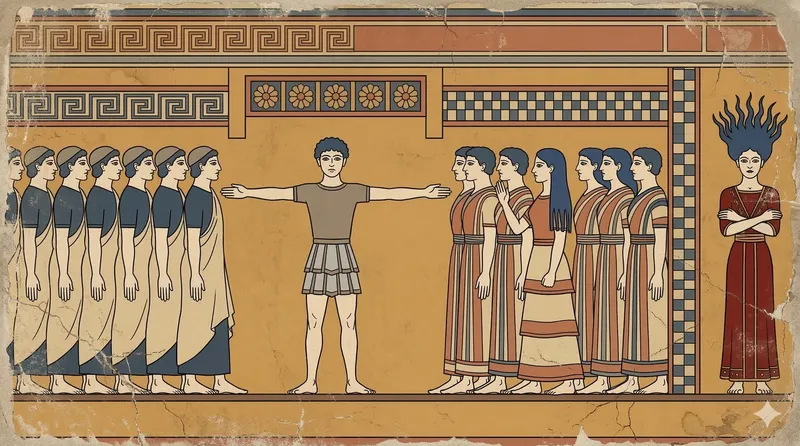
El príncipe Idamante, creyendo que su padre Idomeneo se había perdido en el mar, ha estado gobernando Creta en su ausencia. Su primer acto es uno de extraordinaria generosidad — ordena la liberación de todos los prisioneros de guerra troyanos. Es un gesto destinado a poner fin al ciclo de odio, y le gana la gratitud y el creciente afecto de Ilia. Los cretenses y troyanos celebran juntos. Pero no todos están contentos: Elettra, princesa de Argos, que ha estado viviendo en Creta y está consumida por el amor hacia Idamante, observa su creciente cercanía con Ilia con creciente furia.
La furia de Elettra
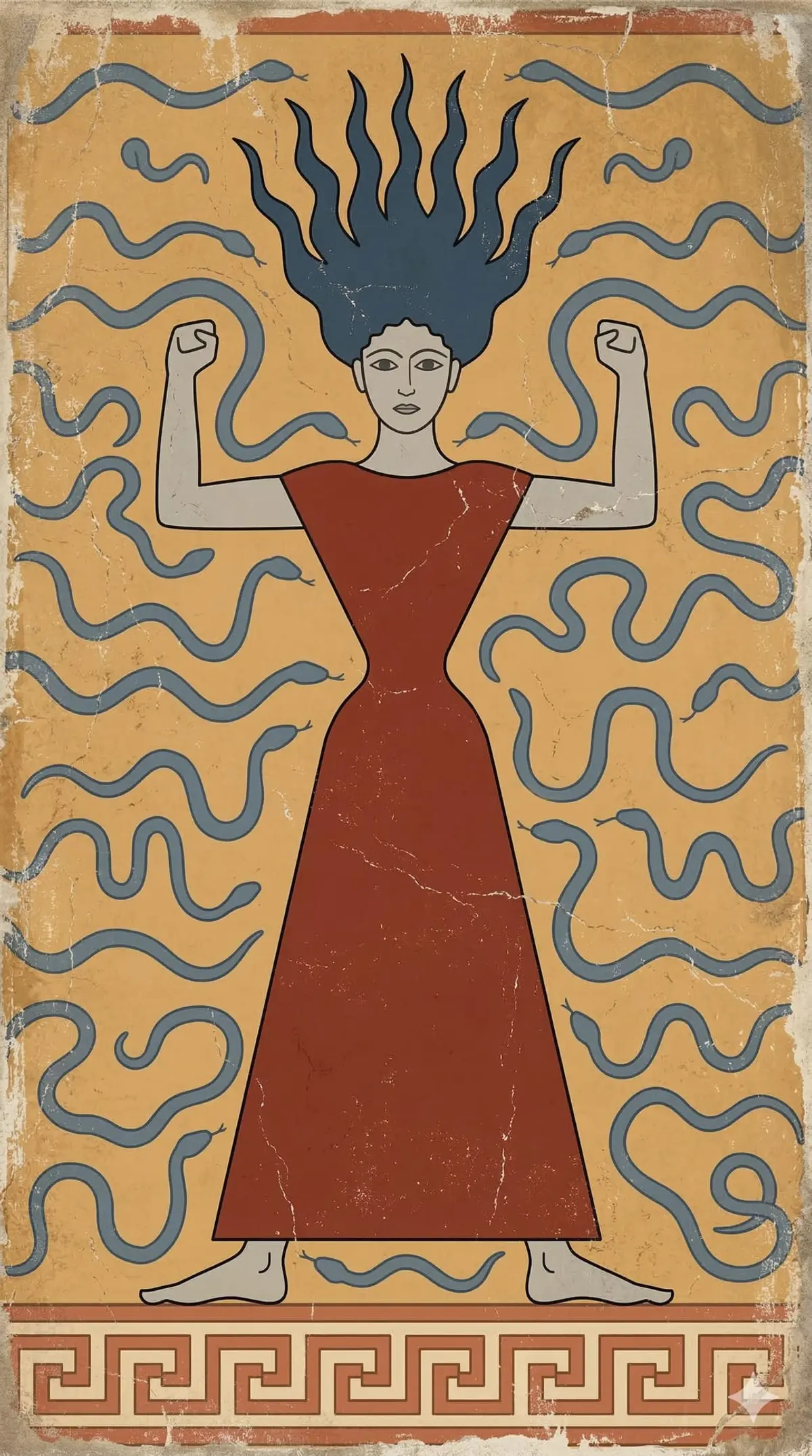
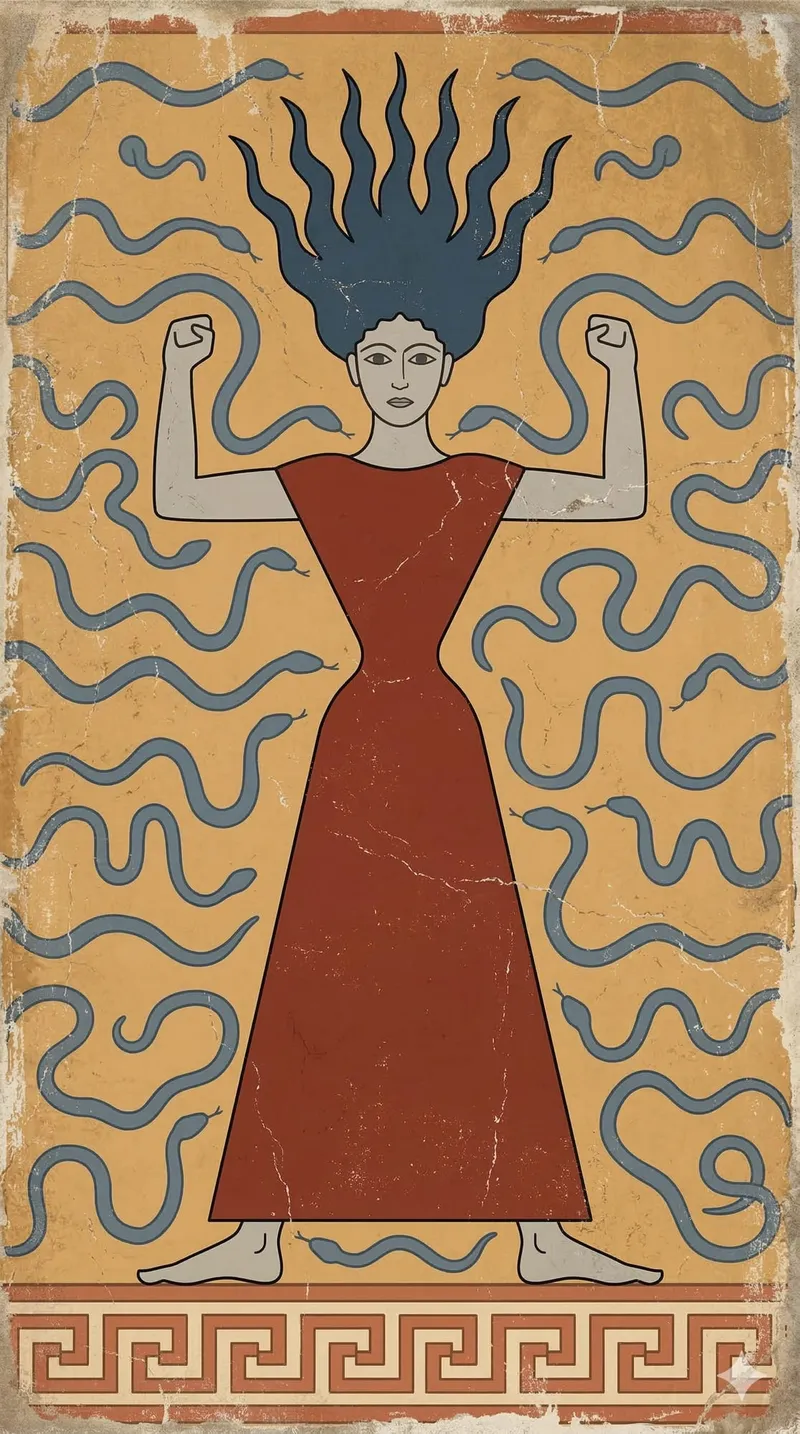
Elettra — hija de Agamemnón, hermana de Orestes, una mujer ya marcada por una historia familiar de asesinato y locura — no puede soportar la vista del amor de Idamante por Ilia. Ella estalla en un aterrador aria de celos y rabia, invocando a las Furias mismas. Elettra no es simplemente celosa; es una fuerza de la naturaleza, y su furia insinúa la peligrosa inestabilidad que recorre su maldita línea de sangre. No se detendrá ante nada para reclamar a Idamante para sí misma.
La Tormenta y el Voto
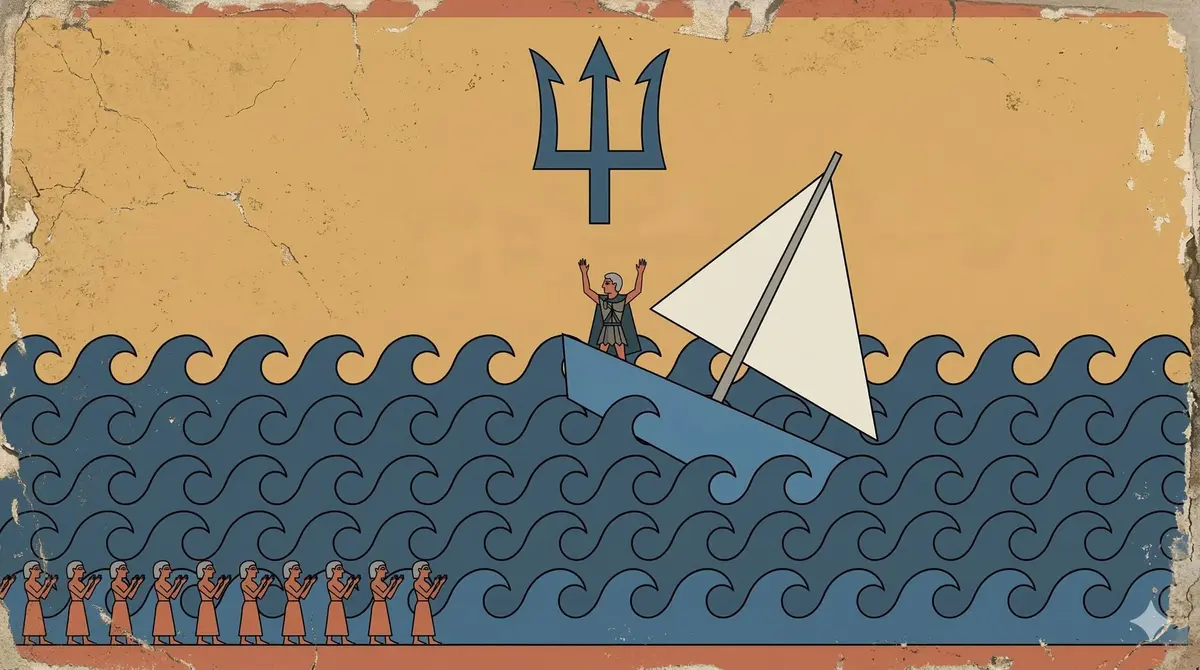
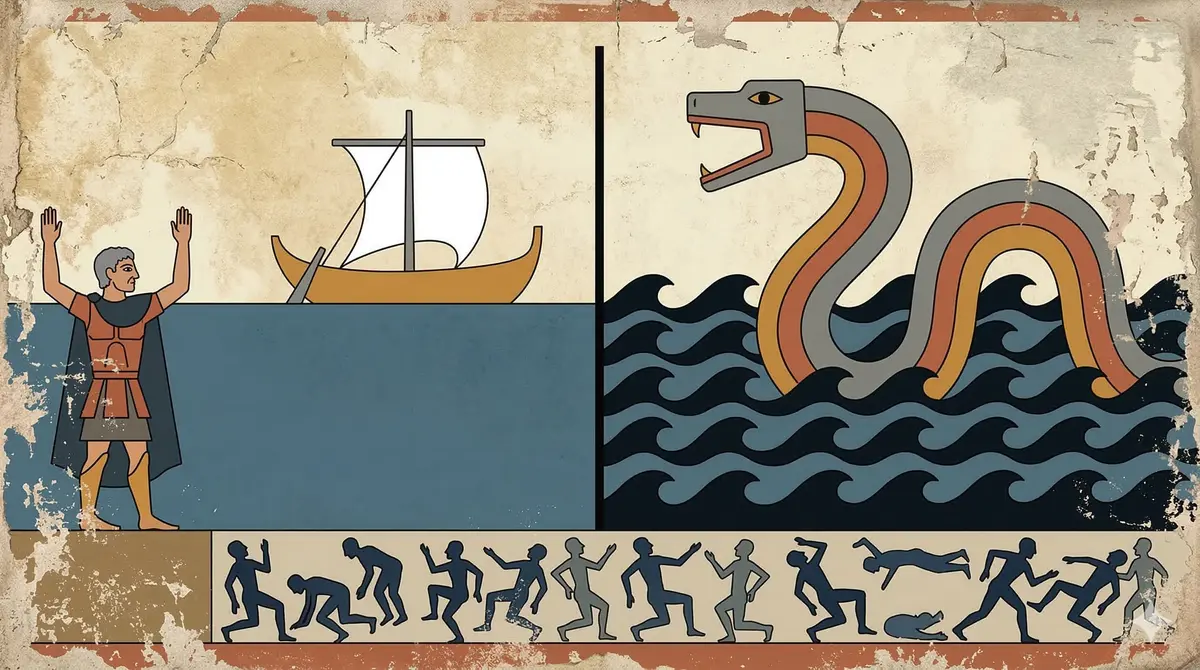
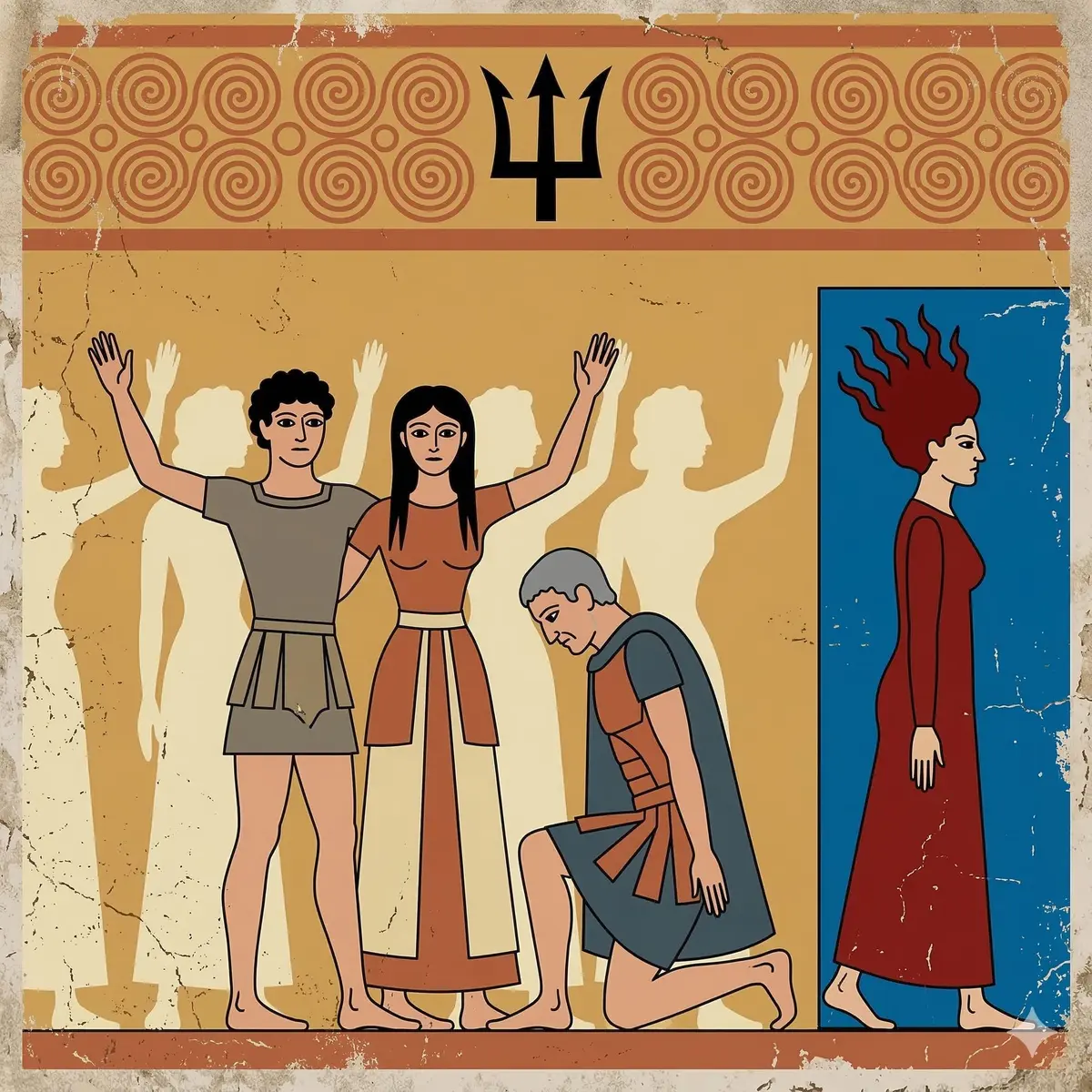
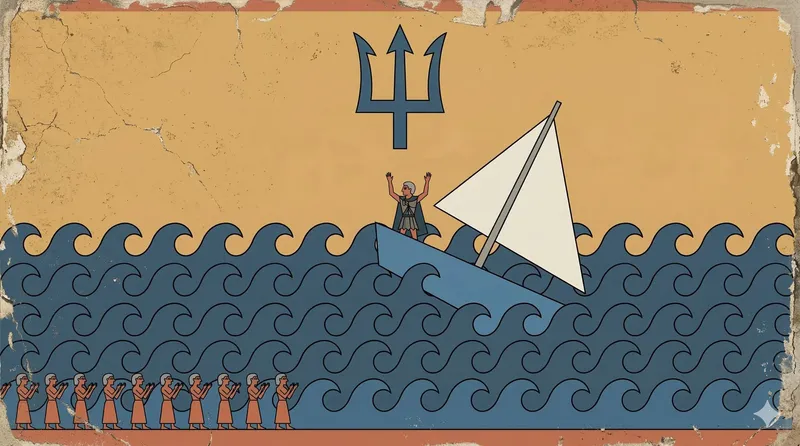
Una terrible tormenta golpea la flota de Idomeneo mientras regresa de Troya. El pueblo cretense observa con horror desde la orilla, orando por la vida de los marineros. En el mar, Idomeneo hace un desesperado pacto con Neptuno: si el dios calma la tormenta y le perdona la vida, Idomeneo sacrificará a la primera persona viva que encuentre en la orilla. Neptuno acepta el trato. La tormenta cesa. La gente se regocija y honra al dios del mar con una gran ceremonia — sin saber el precio que su rey acaba de acordar pagar.
Padre e Hijo
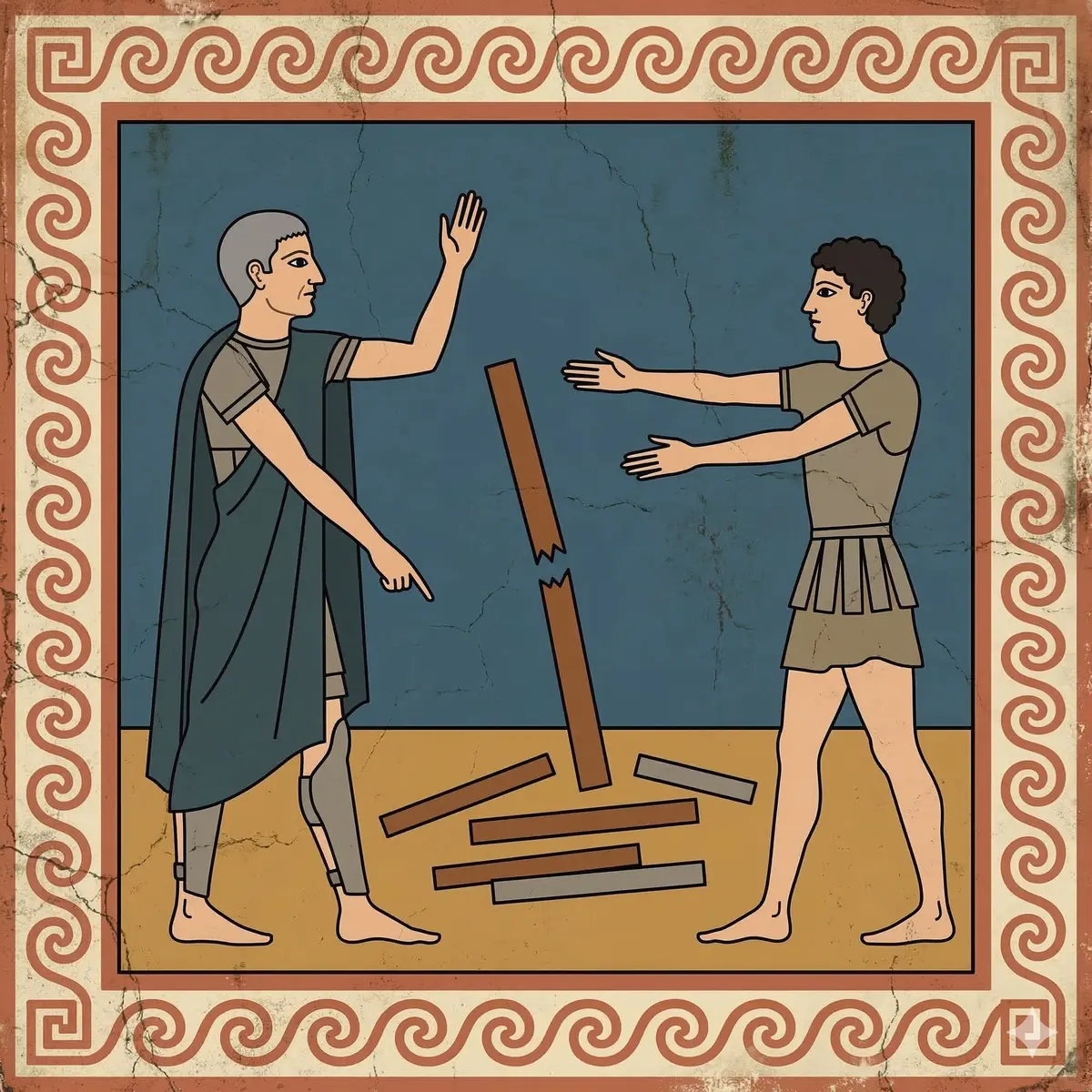
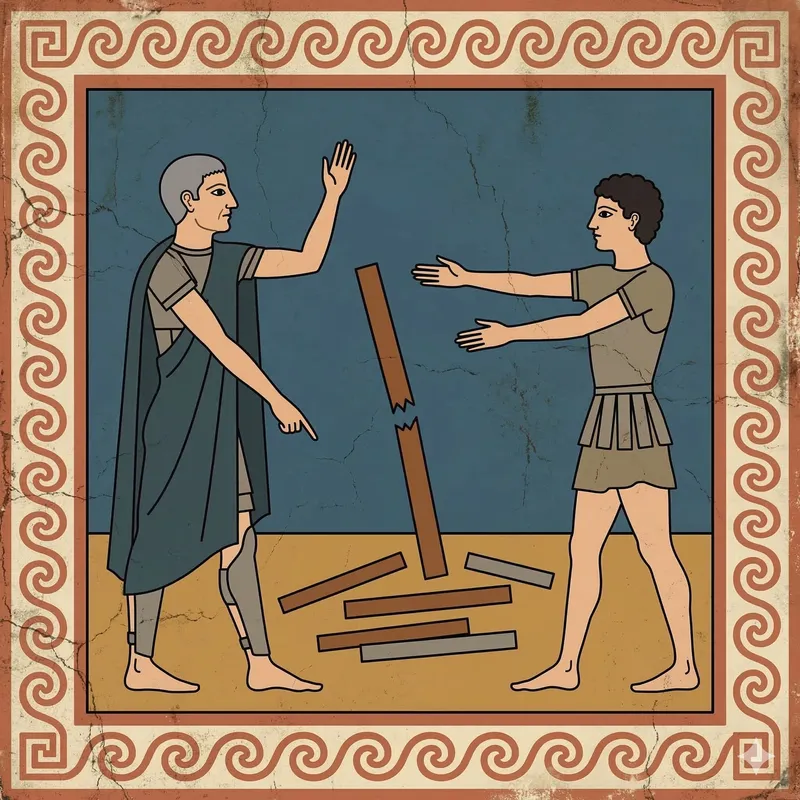
Idomeneo llega a la orilla, vivo pero atormentado. Imagina el fantasma de su futura víctima persiguiéndolo en las sombras. Luego, la primera persona que encuentra en la playa aparece —y es Idamante, su propio hijo, que ha venido a buscar entre los escombros a los sobrevivientes. El chico no reconoce a su padre al principio, pero cuando lo hace, su alegría es infinita. El horror de Idomeneo es absoluto. Empuja al desconcertado Idamante y huye. Idamante está devastado: ha encontrado a su amado padre vivo, solo para ser rechazado inexplicablemente.
La angustia de Idomeneo
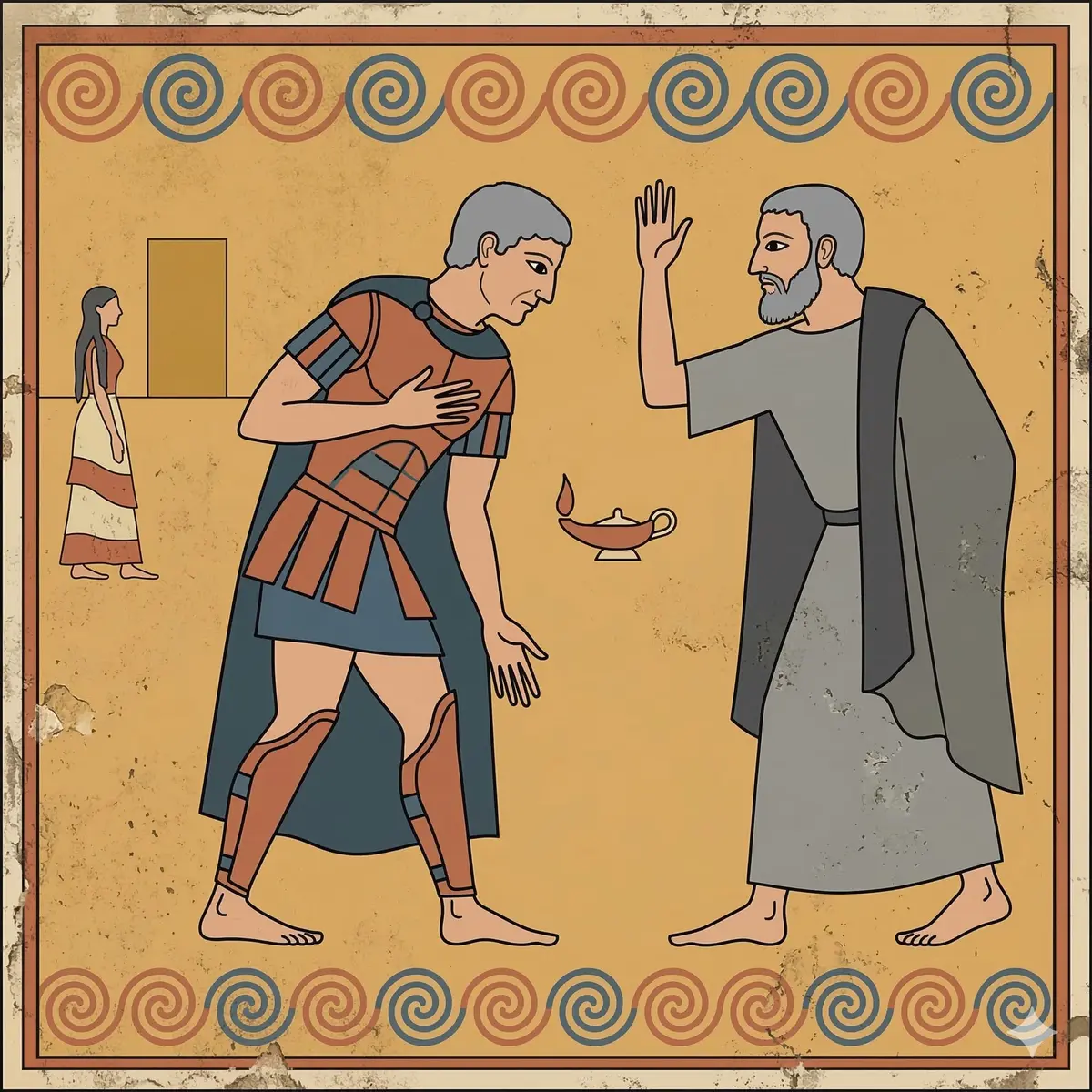
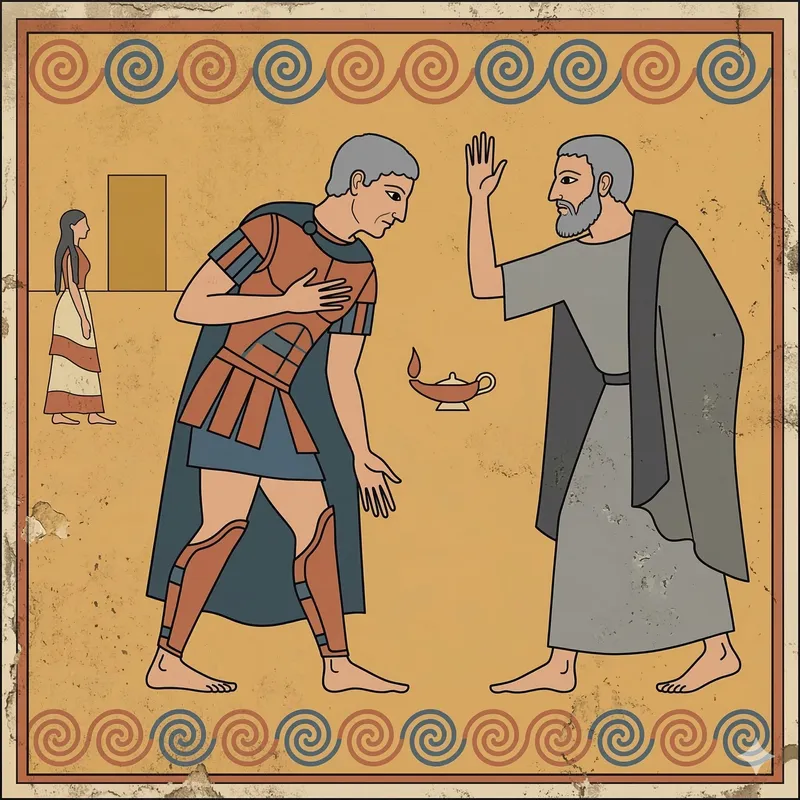
Idomeneo confía su terrible secreto a Arbace, su consejero más confiable. Juntos idean un plan: si Idamante deja Creta, quizás se pueda evadir el voto. Arbace sugiere que el príncipe acompañe a Elettra de regreso a su tierra natal en Argos — alejándolo del peligro y satisfaciendo el deseo de Elettra de viajar con él. Pero Ilia hace que el plan sea aún más difícil de soportar: le dice con ternura a Idomeneo que se ha convertido en un segundo padre para ella. El rey está atormentado por la culpa. Solo, compara su tormenta interna con el mar mismo en un aria virtuosa de extraordinarias demandas emocionales y vocales.
El plan para enviar a Idamante lejos
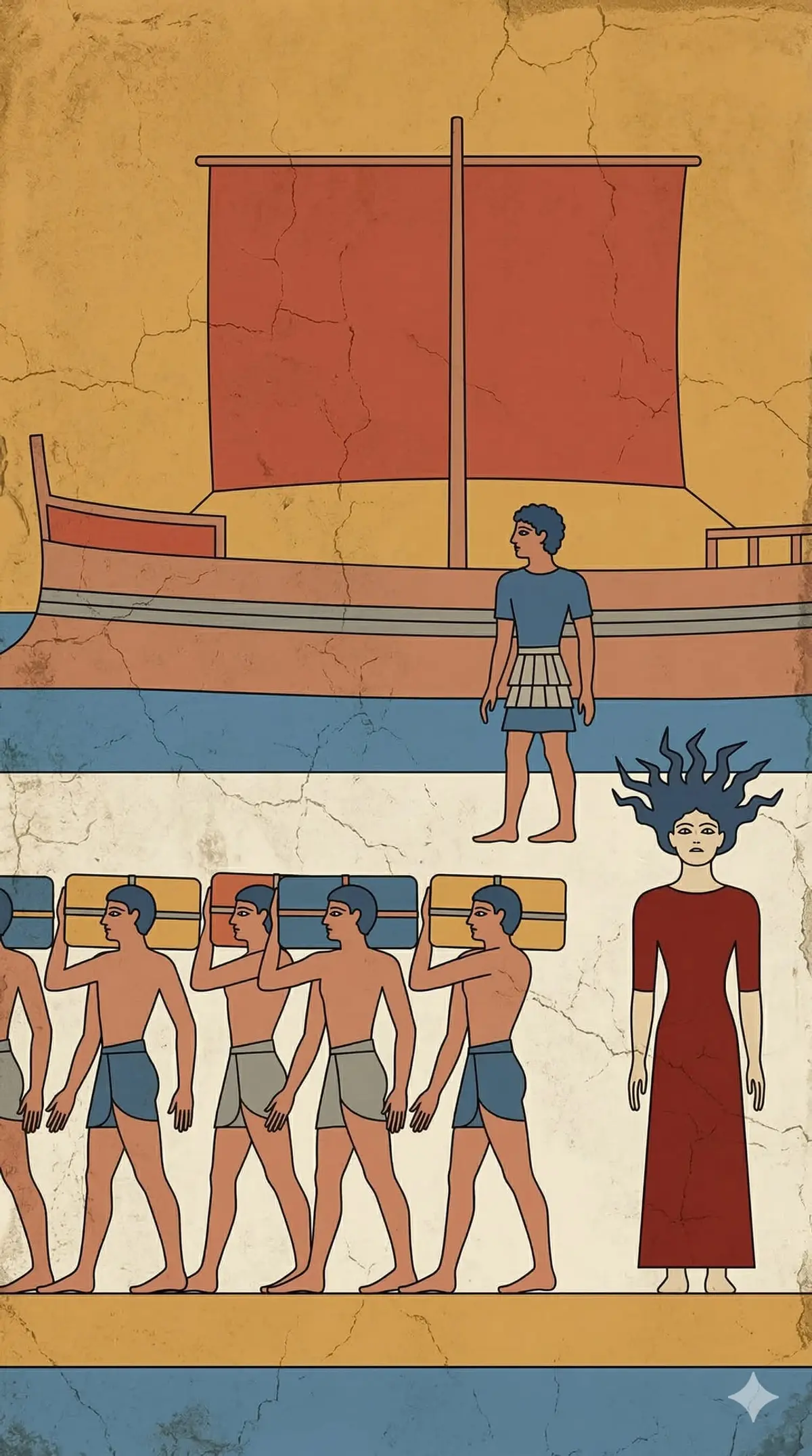
Elettra está encantada — Idamante la acompañará a Argos, y ella imagina ganar su amor en el viaje. Se permite un raro momento de ternura, soñando con un futuro con el príncipe que adora. El barco está preparado, y todo parece listo para una partida pacífica que salvará la vida de Idamante sin que nadie aprenda la verdad sobre el voto.
La partida interrumpida
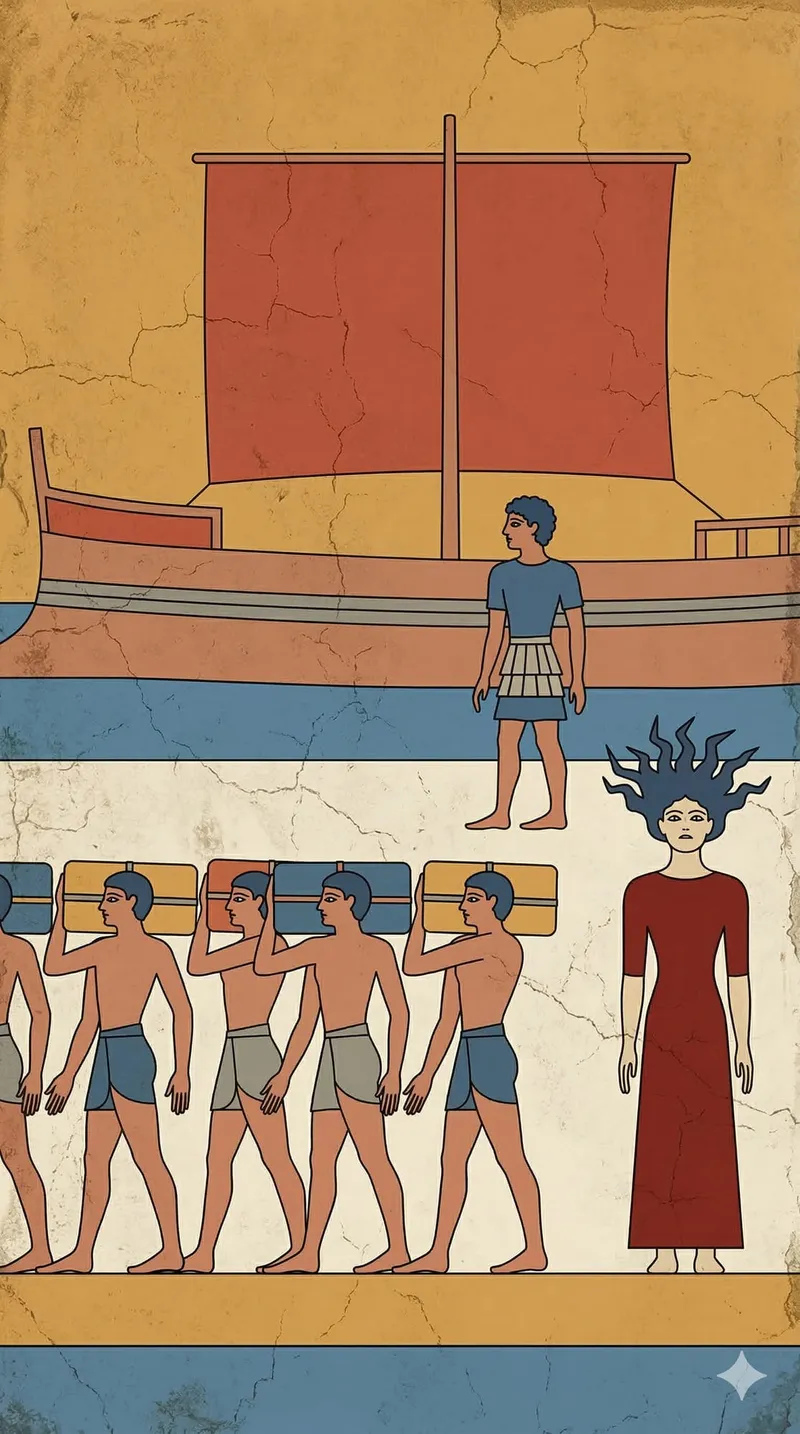
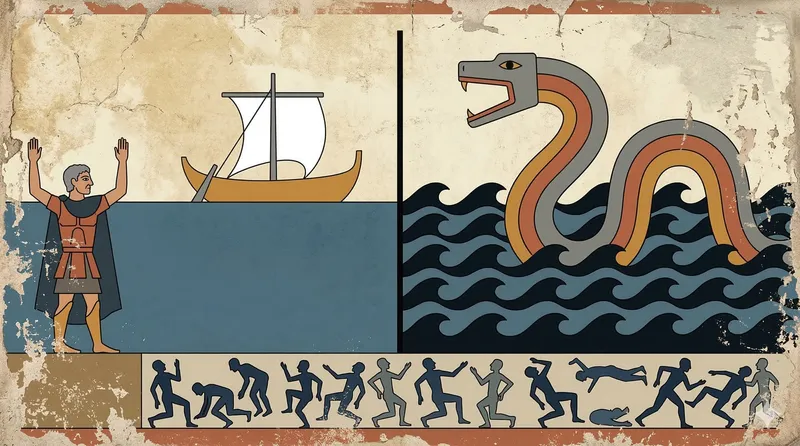
El mar está en calma, el barco está listo, y Elettra canta con éxtasis sobre el buen tiempo. Pero en el mismo momento de la partida, se desarrolla un trío agonizante: Idamante no puede entender por qué su padre lo está enviando lejos, Elettra está desesperada por irse, e Idomeneo apenas puede despedirse. Entonces, la catástrofe golpea. Una monstruosa tormenta irrumpe del mar, y una terrible serpiente marina enviada por Neptuno emerge de las olas para atacar la costa. La gente huye aterrorizada. Idomeneo grita que él es el culpable — que Neptuno lo castigue a él, no a sus inocentes súbditos. Pero el dios es implacable. El acto termina en caos y devastación.
Ilia y Idamante
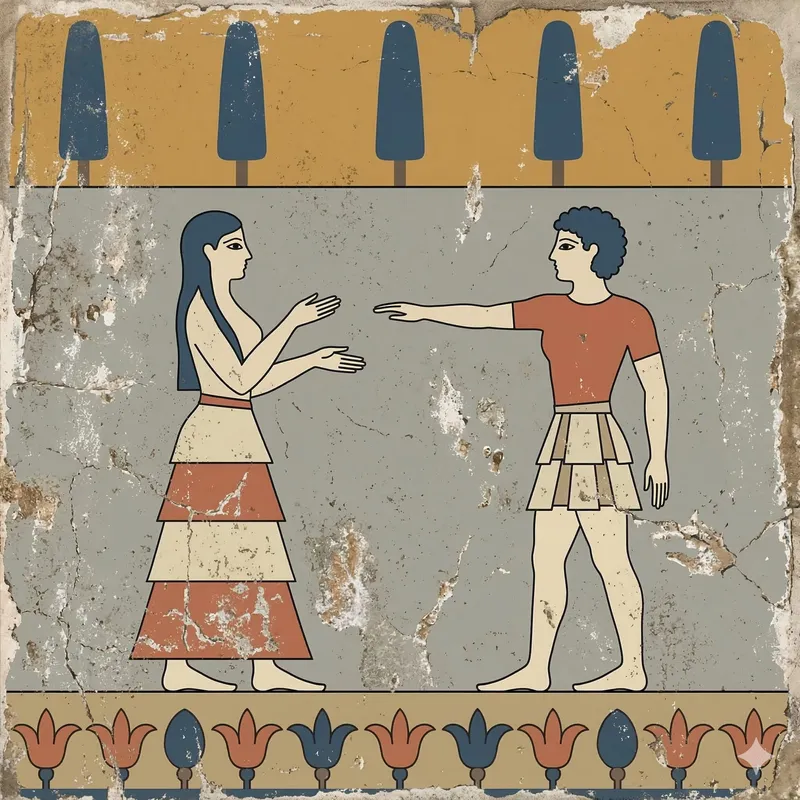
En el jardín real, Ilia canta a las brisas, pidiéndoles que lleven su amor a Idamante. Cuando Idamante aparece, le dice que va a luchar contra el monstruo marino — preferiría morir en batalla que vivir rechazado por su padre. Ilia, incapaz de contenerse más, declara su amor por él. Su dúo es un momento de pura y radiante felicidad — la única escena de amor inequívoca en la ópera. Pero está ensombrecido por el conocimiento de que Idamante puede no sobrevivir a lo que se avecina.
El Gran Cuarteto
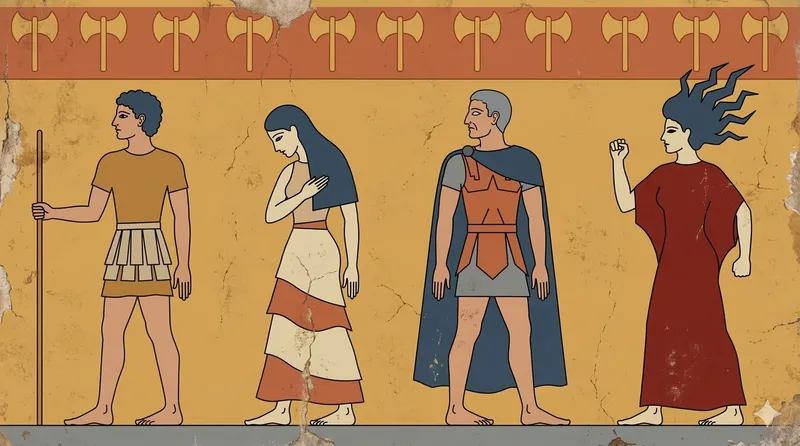
Idomeneo y Elettra interrumpen a los amantes. Idamante anuncia que dejará Creta para siempre, buscando la muerte en batalla contra el monstruo. Lo que sigue es el conjunto más celebrado de todas las óperas de Mozart: un cuarteto en el que cuatro personas expresan cuatro emociones completamente diferentes a la vez. Idamante canta sobre la soledad errante. Ilia llora porque lo perderá. Idomeneo está consumido por la culpa de haber causado todo este sufrimiento. Elettra se enfurece ante la injusticia del destino. Las cuatro voces se entrelazan en una música de abrumadora belleza y complejidad — cuatro tipos diferentes de dolor tejidos en un solo y devastador tapiz de sonido.
El Sacrificio
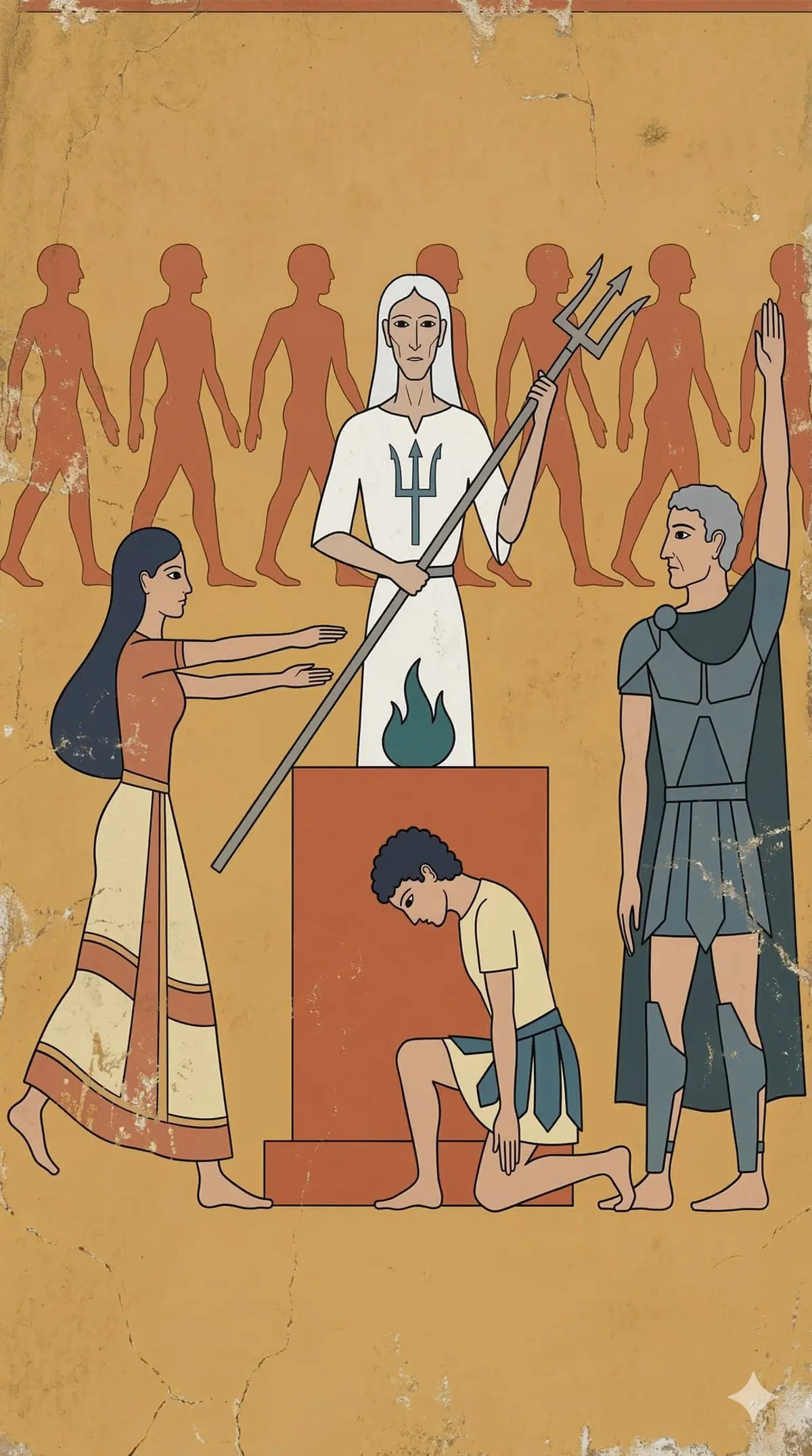
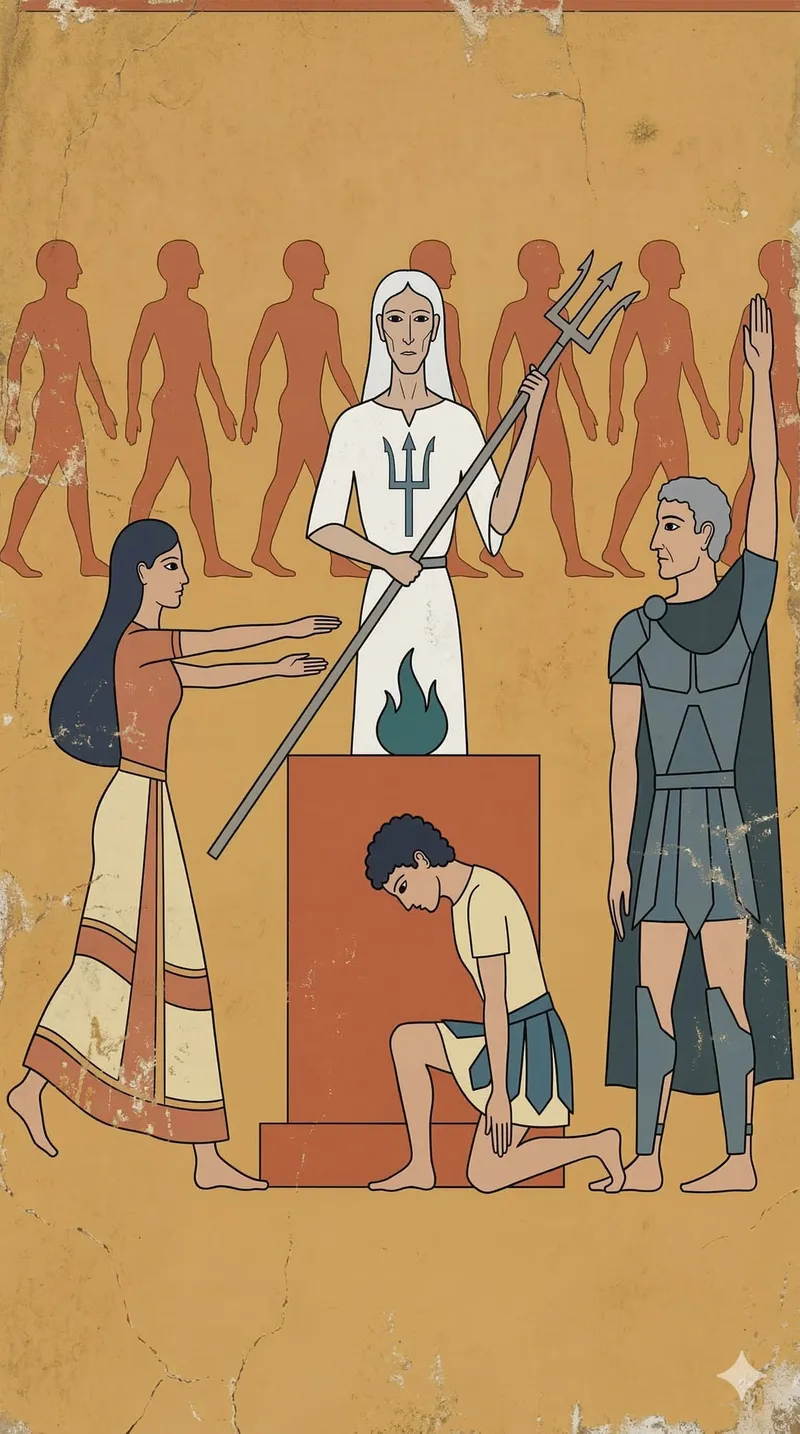
El Sumo Sacerdote de Neptuno confronta a Idomeneo públicamente: el dios exige su sacrificio. El rey no puede retrasar más. En el templo, reza a Neptuno para que acepte la ofrenda y salve a Creta. La gente llora de horror al enterarse de que la víctima será Idamante. Pero entonces aparece el propio Idamante — ha matado al monstruo marino y regresa victorioso. Al enterarse por fin de la verdad sobre el voto de su padre, no titubea. Ofrece su vida de buena gana, arrodillándose ante el altar. Ilia se lanza hacia adelante, suplicando morir en su lugar.
El Juicio de Neptuno
En el momento en que la espada está a punto de caer, una voz atronadora sacude el templo — el propio Neptuno habla. El dios declara que el amor ha conquistado: Idomeneo debe abdicar del trono, y Idamante e Ilia gobernarán Creta juntos como rey y reina. El voto se disuelve. Idomeneo, abrumado por el alivio y la gratitud, canta una última aria de paz restaurada. Elettra, la única que no gana nada, es consumida por la desesperación y la furia — se enfurece contra los dioses y sale del escenario, quizás hacia la locura. La ópera termina con un coro jubiloso que celebra el amor, la misericordia y el nuevo reinado.