“Or che il dover – Tali e cotanti sono” (K. 36): Recitative and Aria in D major
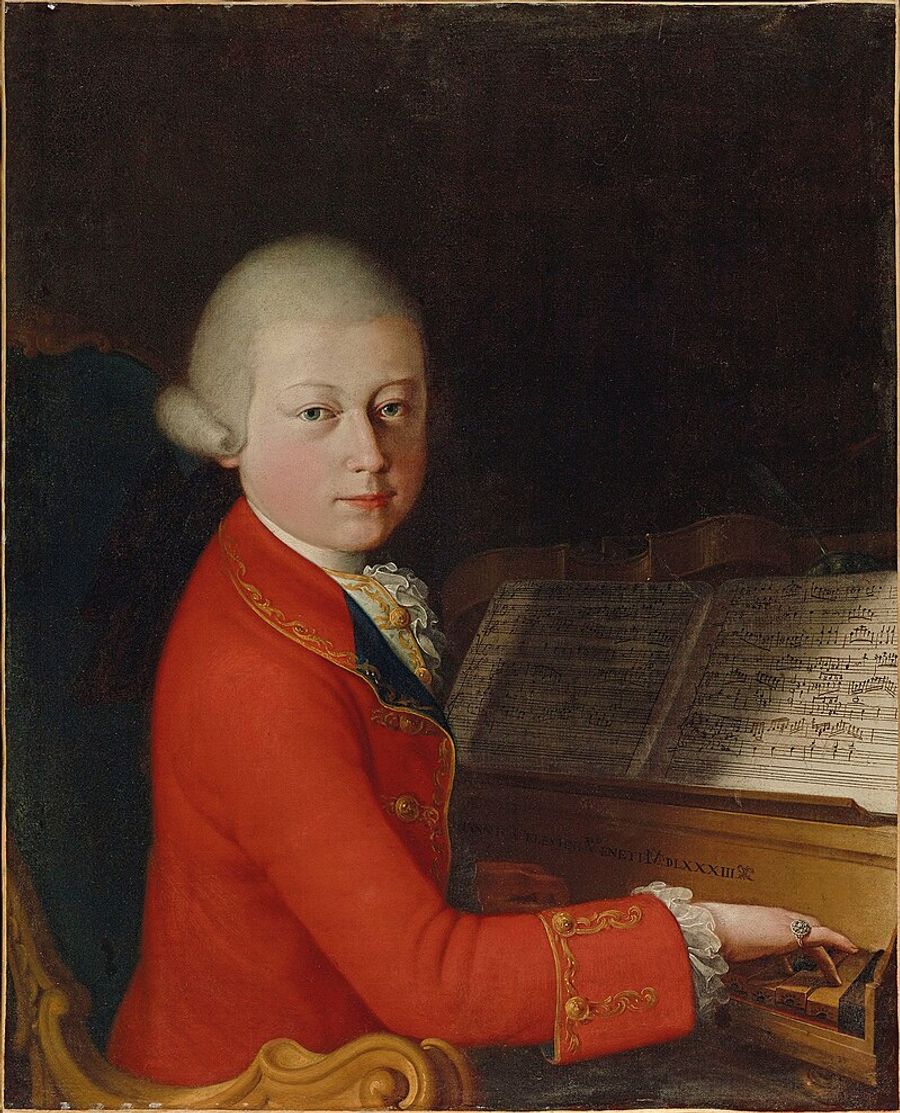
- Köchel Number
- K9 36 | K6 33i
- Genre
- Opera & Stage Music
- Form
- Arias, Scenes, Ensembles & Choirs
- Key
- D Major
- Date
- December 1766
- Place
- Salzburg
- Age
- 10
Mozart’s recitative and aria for tenor and orchestra Or che il dover – Tali e cotanti sono (K. 36), composed in Salzburg in December 1766, is a ceremonial licenza—music of homage written when the composer was only ten. Festive in scoring and public in tone, it stands among the earliest works to show his instinct for theatrical declamation on a large orchestral canvas.[1]
Mozart’s Life at the Time
In late 1766 Wolfgang Amadeus Mozart (1756–1791) was back in Salzburg after the family’s long European tour, and quickly returned to composing for the local court milieu.[1] The scena was likely intended for a court entertainment on 21 December 1766, marking the anniversary of Archbishop Sigismund von Schrattenbach’s installation—an occasion that called for overtly loyal, public rhetoric.[1]
Musical Character
The work unfolds as an accompanied recitative (Or che il dover) leading to a jubilant aria (Tali e cotanti sono) in D major.[1] Its orchestration is conspicuously celebratory—tenor with winds (2 oboes, 2 bassoons), brass (2 horns in D, 2 trumpets in D), percussion (timpani), and strings—and is often noted as Mozart’s first use of trumpets and drums.[1] The text (author unknown) is a formal address of gratitude to an “excellent prince,” and Mozart responds with bright, fanfare-friendly sonorities and a forward, declamatory vocal line that already treats Italian recitative as energized drama rather than mere connective tissue.[1]
Sources
[1] Wikipedia — “Or che il dover – Tali e cotanti sono” (background, date, occasion, instrumentation).