- Köchel Number
- K9 262 | K6 246a
- Genre
- Sacred Music
- Form
- Masses & Requiem
- Key
- C Major
- Date
- 1776
- Place
- Salzburg
- Age
- 19
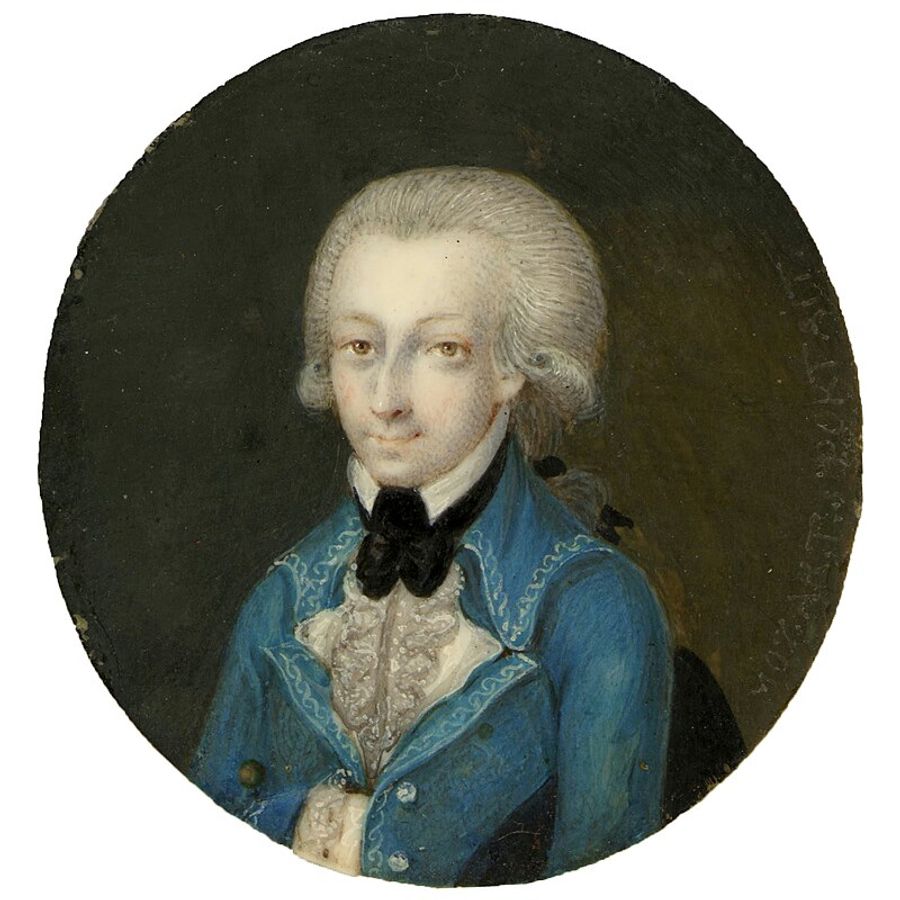
Mozart’s Missa longa in C major, K. 262 is a festive Salzburg setting of the Ordinary, composed in 1775–1776 when the composer was 19. Longer and more expansive than the typical local missa brevis, it shows Mozart balancing ceremonial brilliance with the practical constraints of Catholic worship in an archiepiscopal court.
Background and Context
In the mid-1770s Wolfgang Amadeus Mozart (1756–1791) was employed in Salzburg, supplying music for a city whose church life was both musically ambitious and administratively controlled. Under Prince-Archbishop Hieronymus Colloredo, the general trend in liturgical music favored clarity and concision—an ideal that often pushed composers toward compact “short masses” (missae breves). Yet Salzburg also maintained a parallel appetite for ceremonial splendor on higher feasts, when trumpets, drums, and trombones could underline the public, processional character of worship.
Mozart’s Missa longa sits tellingly inside this tension. The work is “long” not because it indulges in operatic solo display, but because it opens space for a more articulated musical architecture—choral paragraphs that breathe, internal tempo contrasts, and a more deliberate sense of arrival and release. Its appeal today is precisely this: it offers the festive profile many listeners associate with Mozart’s later Salzburg masses, while still speaking with the lean, practical idiom of a 19-year-old court musician writing for real services.[1]
Composition and Liturgical Function
The Missa longa is securely transmitted and regarded as authentic; the Internationale Stiftung Mozarteum dates it broadly to Salzburg, 1775–1776.[1] (Some reference literature has proposed narrower months and even a 1776 completion; in any case, the work belongs to this specific Salzburg moment rather than to Mozart’s later Viennese church style.)[2]
Its intended occasion is not definitively known. Modern summaries typically treat Salzburg Cathedral and/or St Peter’s as plausible early venues, while noting the basic historical puzzle: Colloredo’s stated preference for brevity makes a genuinely expansive mass harder to explain as a routine commission.[2] That ambiguity, however, is part of the work’s historical interest—evidence that Salzburg practice could accommodate both reforming restraint and festive display.
Instrumentation (Salzburg “church orchestra”):[1]
- Winds: 2 oboes
- Brass: 2 horns (in C), 2 clarini/trumpets (in C)
- Percussion: timpani (C–G)
- Strings: violins I & II (no independent viola part, typical of Salzburg scoring)
- Voices: SATB choir (with SATB soloists customary in performance)
- Continuo: bass and organ
- Trombones: 3 (alto, tenor, bass), often colla parte with the choral lines
Musical Structure
Like Mozart’s other Salzburg masses, K. 262 sets the six principal divisions of the Ordinary (Kyrie, Gloria, Credo, Sanctus, Benedictus, Agnus Dei), but it is internally articulated into multiple subsections—especially in the Gloria and Credo—creating a large-scale, continuous drama of contrasting affects.[2]
A useful way to hear the piece is as “festive C major rhetoric” (trumpets and timpani, bright choral declamation) repeatedly interrupted by moments of devotional intimacy. The darker turn at “Qui tollis” (traditionally the penitential heart of the Gloria) provides one of the central expressive contrasts, after which the music re-collects itself into a more assertive concluding affirmation.[2]
The Credo, always the longest textual span in a mass, is treated as a sequence of clearly demarcated panels: proclamation, Incarnation, Resurrection, and the concluding eschatological affirmation. This sectional thinking is one reason the mass feels “long” in a positive sense—listeners can track a theological narrative through successive musical frames rather than experiencing a single compressed sweep.
What makes K. 262 distinctive within Mozart’s Salzburg output is its choral focus. Even when soloists emerge, the work’s backbone remains public, architectural choral writing supported by a practical continuo and reinforced (in many performances) by trombones doubling the voices. In other words: it achieves breadth through choral architecture and tonal planning, not by importing the operatic aria wholesale.
Reception and Legacy
The Missa longa has never displaced Mozart’s most famous sacred works (the unfinished Great Mass in C minor, K. 427 or the Requiem, K. 626) in the popular imagination, but it has remained a living option for choirs precisely because it offers a compelling midpoint between the compact Salzburg “service mass” and the later, more monumental concert-liturgical tradition.
For modern performers, K. 262 is attractive on practical grounds—its scoring aligns well with the forces many church and semi-professional ensembles can field—yet it still delivers unmistakable Salzburg ceremony through trumpets and timpani.[1] For listeners, it rewards attention as a portrait of Mozart at 19: already fluent in the public language of ecclesiastical celebration, but increasingly sensitive to pacing, contrast, and large-scale design—the very skills that would later fuel his operatic and symphonic maturity.