- Köchel Number
- K9 167 | K6 167
- Genre
- Sacred Music
- Form
- Masses & Requiem
- Key
- C Major
- Date
- June 1773
- Place
- Salzburg
- Age
- 17
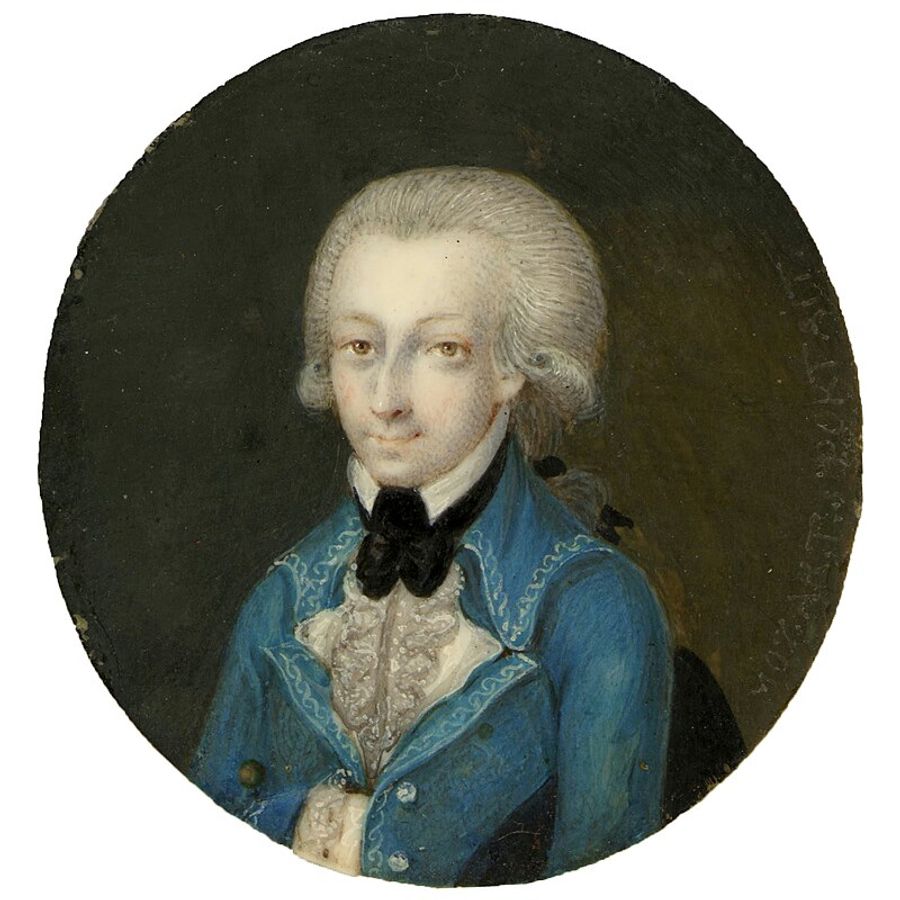
Mozart’s Missa in C major, “Missa in honorem Sanctissimae Trinitatis” (K. 167) was completed in Salzburg in June 1773, when the composer was 17. Written for a particularly festive celebration yet shaped by Salzburg’s practical liturgical constraints, it is a compact, bright-toned Mass that concentrates its effect through choral writing, trumpets, and timpani rather than operatic solo display.
Background and Context
In the early 1770s Wolfgang Amadeus Mozart (1756–1791) was back in Salzburg, composing church music as part of a busy routine of court and ecclesiastical duties. The city’s Catholic institutions demanded a steady supply of settings of the Mass Ordinary, but they also imposed real-world limits: music had to serve the liturgy, fit local taste, and—under the reform-minded Archbishop Hieronymus Colloredo—avoid sprawling “concert” proportions. K. 167 belongs to this intensely productive Salzburg sacred period, a workshop in which Mozart continually tested how much contrapuntal craft, orchestral color, and expressive contrast could be achieved within relatively concise forms.[1]
Composition and Liturgical Function
The work’s full title, Missa in honorem Sanctissimae Trinitatis, points directly to its likely destination: a Trinity celebration in Salzburg. Mozart dated the score to June 1773, aligning neatly with Trinitytide in the church calendar.[2] Modern reference sources also connect the nickname “Trinitatis” with Salzburg’s Dreifaltigkeitskirche (Holy Trinity Church), suggesting a specific local liturgical use rather than a generic “festival” Mass.[2]
One practical decision is especially striking: K. 167 is a wholly choral Mass—Mozart omits the usual separate solo quartet movements found in many Salzburg settings.[2] Whether this was motivated by time, available singers, Colloredo’s preference for brevity, or a compositional challenge, the result is distinctive: the choir must supply both grandeur and intimacy.
Instrumentation (typical scoring)[2]
- Voices: SATB choir
- Winds: 2 oboes
- Brass: 2 clarini (high trumpets), 2 trumpets
- Percussion: timpani
- Strings: violins I & II
- Continuo: basso continuo (organ implied in Salzburg practice)
Musical Structure
Mozart sets the Ordinary in six movements (Kyrie, Gloria, Credo, Sanctus, Benedictus, Agnus Dei), but within those headings he articulates the text through clear internal divisions—especially in the Credo—so that theological “turns” (Incarnation, Resurrection, the final confession of faith) register as musical events, not merely words passing by.[2]
Several features make the Trinitatis Mass worth closer attention.
- A festive sonority without operatic soloism. Trumpets and timpani lend ceremonial brilliance, yet Mozart keeps the spotlight on the chorus. This creates a public, architectural profile—less like an excerpted opera scene, more like a unified liturgical fresco.
- Text-driven contrasts inside a compact frame. The Credo’s shifts of tempo and character (for example, the broadening for Et incarnatus est and the renewed energy for Et resurrexit) show Mozart’s instinct for rhetorical pacing: changes arrive quickly, but they still feel motivated by the words.[2]
- Choral writing as the main expressive engine. With no independent solo numbers, Mozart varies texture—homophony for declarative moments, livelier contrapuntal interplay for propulsion—so that the choir can be both messenger and protagonist.
In short, K. 167 offers an instructive snapshot of the 17-year-old Mozart balancing Salzburg’s demand for functional church music with an increasingly confident sense of large-scale continuity.
Reception and Legacy
K. 167 has never rivaled Mozart’s later “headline” Masses in general popularity, but it has remained firmly in the performing repertoire, valued by choirs for its bright C-major ceremonial sound, its manageable length, and its effective choral-centric design.[3] Today it also rewards listeners interested in Mozart’s apprenticeship in sacred style: one hears a composer learning to make liturgical efficiency feel like an artistic choice—achieving splendor through economy, and drama through disciplined pacing rather than solo virtuosity.
Sources
[1] Internationale Stiftung Mozarteum, Köchel-Verzeichnis entry for KV 167 (dating, classification, authenticity).
[2] Wikipedia overview of Mass in C major, K. 167: June 1773 dating, Salzburg/Trinity context, choral-only design, instrumentation, and movement layout.
[3] IMSLP work page for Mass in C major, K. 167: reference details and access to scores/parts used in modern performance.