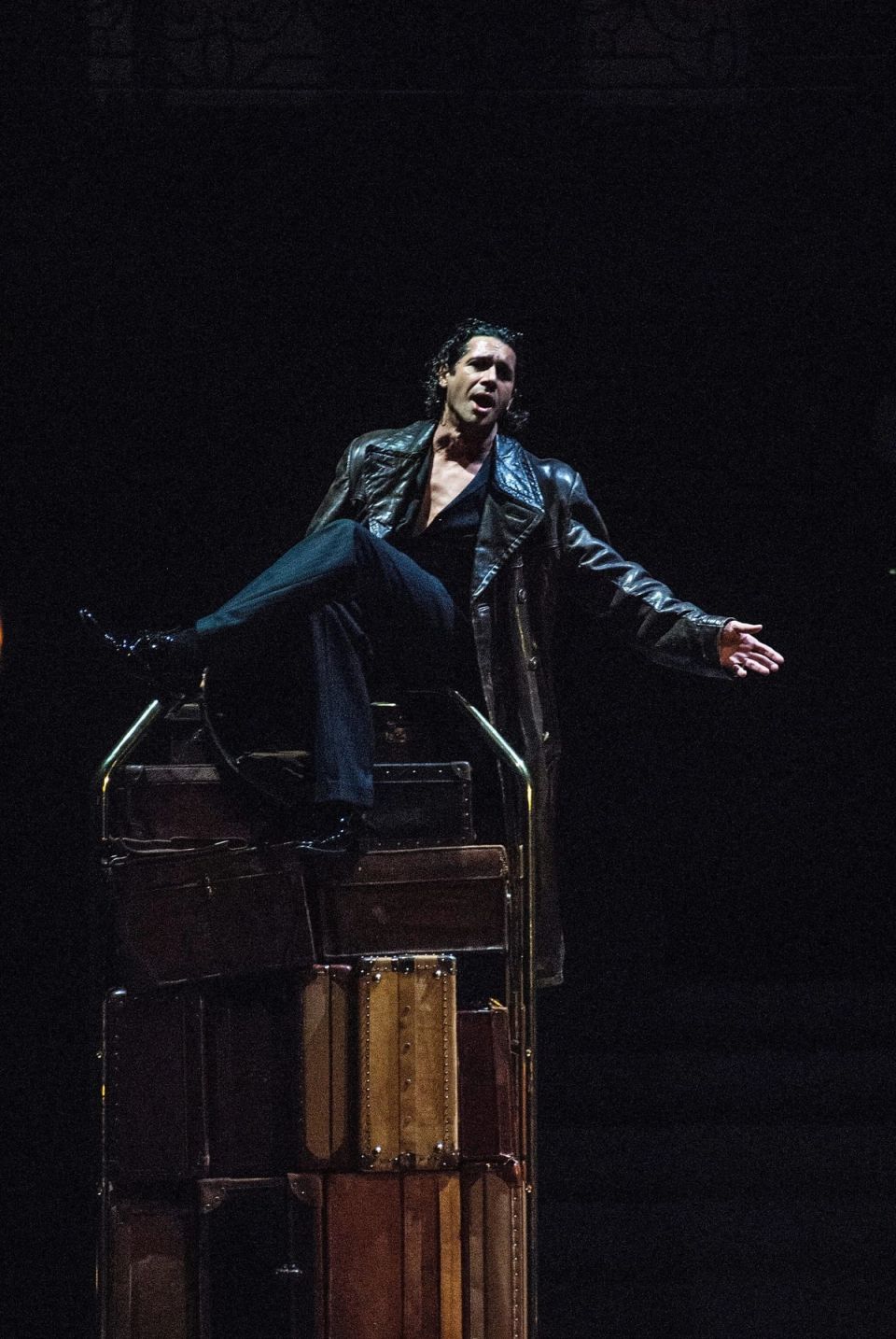
This article surveys Mozart’s major operas from 1781 to 1791, moving from Idomeneo to Die Zauberflöte. It outlines why each stage work was written and its dramatic setting, while also noting incomplete ventures such as L’oca del Cairo and Lo sposo deluso.
Introduction
Wolfgang Amadeus Mozart (1756–1791) composed 22 operas across an astonishing range of styles—from the sacred and mythological dramas of his childhood to the dazzling masterpieces of his final decade. While his early works reveal a precocious fascination with theatrical expression, it was in his mature operas that Mozart fully transformed the art form.
Between 1781 and his death in 1791, he created a series of full-length stage works that redefined musical drama through psychological depth, melodic richness, and a seamless blend of music and text.
These “major operas,” written during his years in Vienna and beyond, include heroic tragedies like Idomeneo, biting social comedies such as Le nozze di Figaro and Don Giovanni, and the timeless fusion of fantasy and philosophy in Die Zauberflöte. In them, Mozart elevated the opera from courtly entertainment to universal human storytelling—each character rendered with empathy, wit, and emotional truth.
This article surveys Mozart’s great operas from Idomeneo (1781) to Die Zauberflöte (1791), tracing how the composer’s final decade shaped the modern operatic tradition. We explore when and why each work was written, and their dramatic contexts.
Idomeneo, re di Creta (1781)
In 1781, Mozart’s career entered a new phase. Chafing under the patronage system in Salzburg, the 25-year-old composer broke away from his provincial position and moved to Vienna to pursue greater opportunities. Just before this move, he completed Idomeneo, re di Creta (“Idomeneus, King of Crete”), which premiered in Munich in January 1781.
Idomeneo was a commission from the Bavarian court, and it stands as Mozart’s first great mature opera.
A dramatic opera seria in three acts, it tells the story of King Idomeneo who, after surviving a storm at sea, vows to sacrifice the first person he meets – tragically, this is his own son, Idamante.
The opera’s themes of sacrifice, destiny, and clemency play out in an emotionally rich score; ultimately Idomeneo cannot carry out the sacrifice, and through divine intervention and his own abdication, Idamante is spared and united with his beloved Ilia.
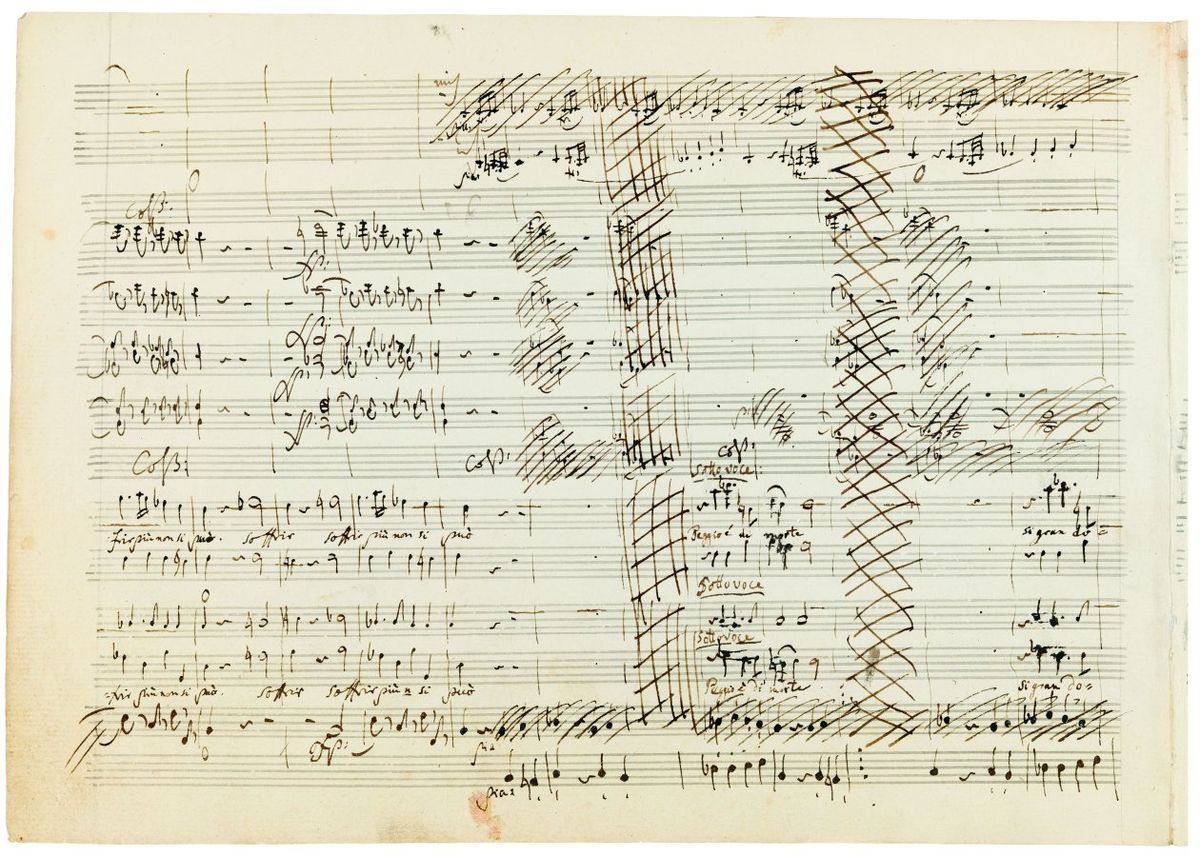
Mozart poured tremendous care into Idomeneo, expanding the chorus and orchestra and crafting vivid accompanied recitatives and ensembles.
He did, however, encounter difficulties with the cast: the aging tenor playing Idomeneo (Anton Raaff) was stiff and unexpressive, which frustrated Mozart (he complained that Raaff was “like a statue” on stage[14]).
Despite such challenges, Mozart took pride in this opera.
Idomeneo was innovative in its blending of French and Italian styles and its rich use of ensembles[15][16].
It was well received in Munich’s court – a breakthrough work that showed Mozart pushing beyond the old opera seria formulas into more human, expressive territory. Modern critics often count Idomeneo among Mozart’s finest operas for its noble music and dramatic depth[17][18].
Die Entführung aus dem Serail (1782)
Settling in Vienna in 1781–82, Mozart turned his attention to the German Singspiel style. Emperor Joseph II was promoting German-language opera, and Mozart answered the call with Die Entführung aus dem Serail(“The Abduction from the Seraglio”), premiered at Vienna’s Burgtheater in July 1782.
This comic Singspiel – featuring spoken dialogue alongside arias – is set in a Turkish harem, capitalizing on the contemporary vogue for “Turkish” exoticism. The plot follows the Spanish nobleman Belmonte and his servant Pedrillo as they attempt to rescue Belmonte’s fiancée Konstanze and her maid Blonde from the palace of Pasha Selim.
Mozart imbued the score with “janissary” percussion and oriental color to evoke the Turkish setting, but also with deeply felt arias: Konstanze’s virtuoso aria “Martern aller Arten” is fiendishly difficult, and the opera balances farcical moments (the buffoonish Osmin guarding the harem) with themes of love and forgiveness.
In the end, the enlightened Pasha Selim, rather than taking revenge on the captured Europeans, magnanimously forgives and frees them – a dramatic resolution that amazed audiences with its moral seriousness in a comic framework.
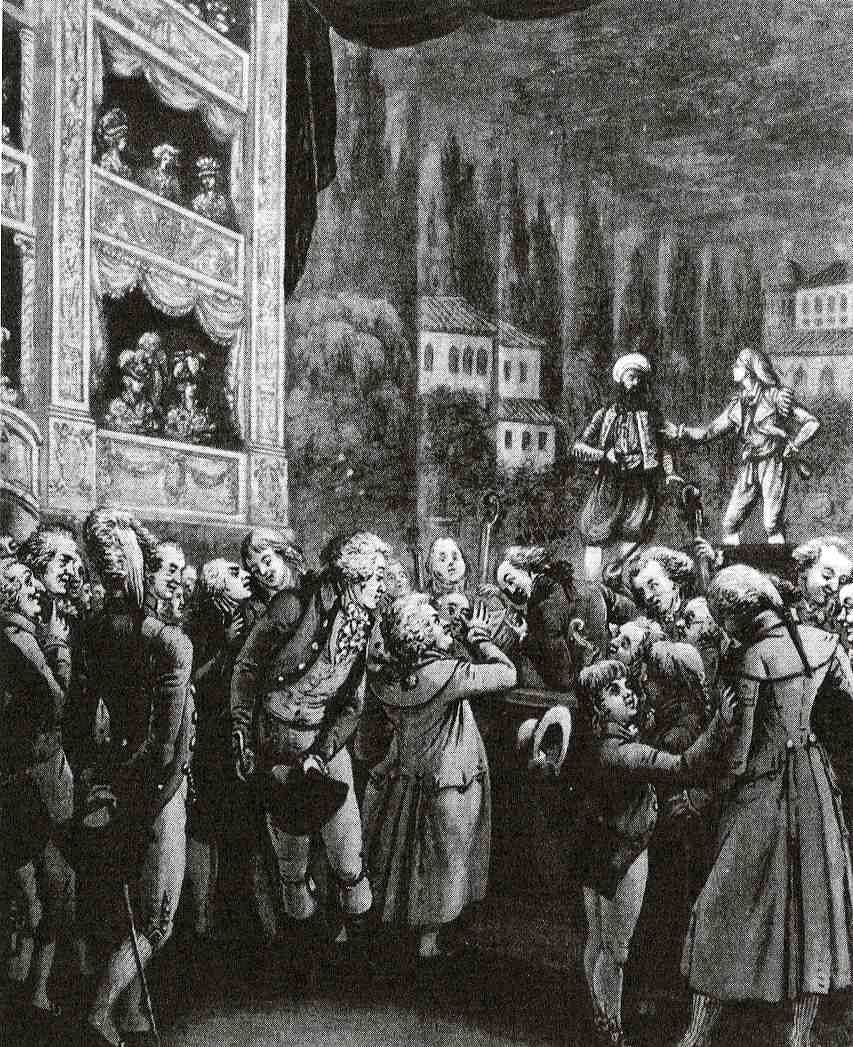
Die Entführung was a triumph from its opening night, quickly becoming Mozart’s most popular opera during his lifetime[19]. Viennese audiences were delighted by its mix of thrilling vocal fireworks and comic romance, and even the Emperor (who allegedly quipped “Too many notes, my dear Mozart!” after the premiere) recognized the opera’s brilliance[20].
The Abduction from the Seraglio had an extended run in Vienna and was produced in cities across Europe; it firmly established Mozart’s reputation as a master of German opera[19][21]. Mozart himself was proud of this success – he had shown that German opera could rival Italian, and in doing so had won the public’s acclaim.
L’oca del Cairo (1783)
Flush with the success of Entführung, Mozart was eager to write more operas, but the next few years were bumpy.
In 1783, Mozart began L’oca del Cairo (“The Goose of Cairo”), an Italian comic opera, working again with Giambattista Varesco, the librettist of Idomeneo. [Mozarteum]
The farcical plot – involving a giant mechanical goose used to help lovers escape from a tower – proved too inane for Mozart’s taste. He initially liked some of Varesco’s draft text “quite well”[22] and composed several pieces (by end of 1783 he had written most of Act I[23]). However, as the work progressed, Mozart grew dissatisfied with the libretto’s weaknesses. He realized, for example, that the two principal heroines didn’t appear onstage until the finale, a structural problem he feared would doom the opera[24]. Mozart urged revisions, writing to his father with mounting frustration that the story needed “drastic alterations” and that he didn’t want his good music “to be spoiled” by a bad plot[24][25].
Despite extensive correspondence and attempts to fix the libretto, Mozart eventually abandoned L’oca del Cairo as a hopeless project[26][25]. In a letter, he even implied that Abbé Varesco lacked “the slightest knowledge of the theatre”[26].
Lo sposo deluso (1784)
Similarly, in 1784 Mozart began another Italian comic opera, Lo sposo deluso (“The Deluded Bridegroom”), but this too was left incomplete after only a couple of numbers. It seems he could not find a satisfying libretto or perhaps lost his singers; in any case, no production materialized and Mozart shelved the project.
These false starts show Mozart’s high standards – he would not pour his efforts into an opera buffa libretto he found silly or unworkable. He described himself as “working hard enough in this short time” on these operas only to realize the effort might be in vain[27]. One can sense his irritation at the wasted work on L’oca and Lo sposo, which he likely found more tedious than fun.
Le nozze di Figaro (1786)
Mozart’s fortunes rebounded in 1786. That year, he received a commission that would result in one of his greatest achievements: Le nozze di Figaro (“The Marriage of Figaro”).
This Italian opera buffa in four acts marked Mozart’s first collaboration with the poet-librettist Lorenzo Da Ponte. Mozart himself had proposed Beaumarchais’s controversial play The Marriage of Figaro as an opera subject[28], and Da Ponte fashioned a libretto (carefully toning down the play’s political subtext to satisfy the censors). The opera, premiered on 1 May 1786 in Vienna, is a marvel of ensemble comedy and social satire.
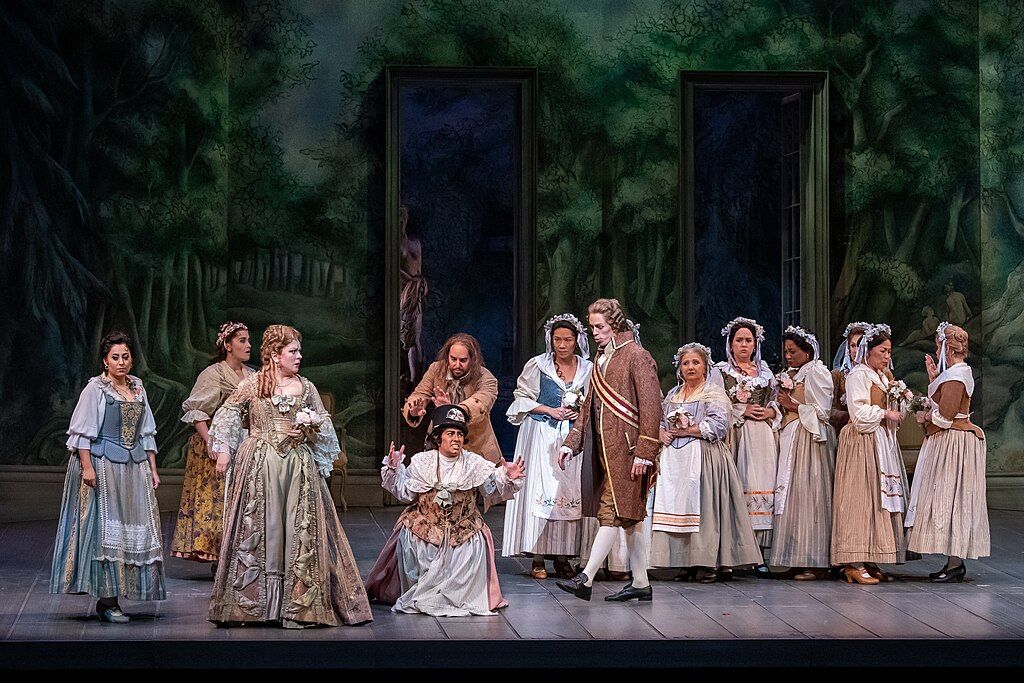
It picks up the characters from The Barber of Seville some years later, following one “day of madness” in the household of Count Almaviva. The servants Figaro and Susanna scheme to thwart the Count’s attempt to seduce Susanna on her wedding day, drawing in the Countess, the page Cherubino, and others for a cascade of disguises, mistaken identities, and witty intrigues. In the end, the humbled Count asks forgiveness and husband and wife are reconciled, concluding the opera’s whirlwind of “failed seductions, disguises, misunderstandings, and revelations” on a note of forgiveness[29][30].
Musically, Figaro is a tour de force: Mozart’s score brims with memorable arias and magnificent ensembles that deepen each character and drive the complex plot. From the bustling overture to the radiant Act II finale and the poignant arias (like the Countess’s “Dove sono” or Figaro’s “Se vuol ballare”), Mozart achieved a perfect blend of comedic energy and human warmth.
Mozart thoroughly enjoyed composing Figaro – he was inspired by Da Ponte’s clever libretto and the opportunity to create a new kind of ensemble-driven comic opera. He “bullied” and cajoled Da Ponte as needed to shape the drama to his musical needs (Mozart was known to insist on dramatically structured ensembles)[31]. The result was so satisfying that Figaro would become known as Mozart’s comic masterpiece, often cited as the pinnacle of opera buffa[30].
At its Viennese premiere, The Marriage of Figaro received a positive reception, though not an overwhelming one. The Emperor admired it enough to order special extra performances at his palace[32], but in Vienna the opera’s run was limited (nine performances in 1786) due in part to factional intrigues and perhaps the complexity of the score[33][34].
However, when Figaro traveled to Prague at the end of 1786, it caused a sensation. The Prague audience adored the opera – a newspaper there hailed it as “a masterpiece” and reported that “no piece has ever caused such a sensation”[35]. Mozart was thrilled; he wrote from Prague that “here they talk of nothing but Figaro,” and this enthusiastic response led directly to a commission for a new opera in Prague.
Today it is often considered Mozart’s greatest opera, lauded for its perfect mix of comédie and profound humanity[30]. Mozart, for his part, likely found composing Figaro deeply rewarding – a project where his talent met an ideal libretto, and one that would secure his legacy.
Don Giovanni (1787)
Mozart’s next opera was written to capitalize on Figaro’s Prague success. Don Giovanni, a dramma giocoso (blend of comic and serious) in two acts, premiered in Prague on 29 October 1787. Again partnering with Da Ponte, Mozart tackled the legendary tale of Don Juan – the charismatic nobleman who seduces and abandons women, and who ultimately meets a supernatural punishment.
Don Giovanni is often regarded as Mozart’s boldest opera, veering between comedy, melodrama, and the terrifying. In the opera, Don Giovanni’s outrageous exploits (from serenading peasant girls to killing the Commendatore, father of one of his conquests) are by turns amusing and shocking. His servant Leporello provides comic relief with the famous Catalogue Aria (listing Giovanni’s thousands of lovers), but the tone darkens as the vengeful ghost of the Commendatore – in the form of a stone statue – comes to life. In the climactic dinner scene, the Commendatore’s statue confronts Don Giovanni and drags him down to hell when he refuses to repent.
Mozart’s rich and animated score matches the drama’s intensity[36]. The opera’s variety is astounding: radiant love duets, sparkling comic ensembles, and the chillingly intense final scene with trombones heralding the Commendatore’s arrival. Mozart achieves a miraculous equilibrium of comedy and tragedy, as later commentators have noted[37][38]. In Don Giovanni, the witty ensemble writing of Figaro is combined with a new weight and darkness – the work can be interpreted as a morality play or as “harmless mischief,” and audiences to this day debate its tone[39][40].
Mozart found Don Giovanni challenging but invigorating. He was working under pressure (legend says he was still orchestrating the overture hours before the premiere), yet he rose to the occasion. The Prague premiere was a triumph – the city that loved Figaro embraced Don Giovanni as well, and the opera was warmly acclaimed.
However, when Mozart brought Don Giovanni to Vienna in 1788, the reception was more mixed. Viennese audiences, it seems, found the opera’s dark themes and lack of a clear moral resolution unusual. Emperor Joseph II purportedly remarked that Don Giovanni was perhaps “divine” music but “not the dish for the Viennese”.
Regardless, Don Giovanni’s stature grew quickly after Mozart’s death; within decades it was recognized as one of the supreme achievements in opera. Beethoven and other composers admired its profundity, and E.T.A. Hoffmann famously compared Mozart’s genius in Don Giovanni to Shakespeare’s[41].
From Mozart’s perspective, Don Giovanni was likely a gratifying composition – he was able to stretch himself dramatically and musically, writing an opera that merged his instinct for entertainment with a deeper, almost philosophical layer. Many scholars regard Don Giovanni as Mozart’s finest opera, and it consistently ranks among the greatest operas ever written for its “perfect proportions” and blend of the comic and the sublime[37][42].
Così fan tutte (1790)
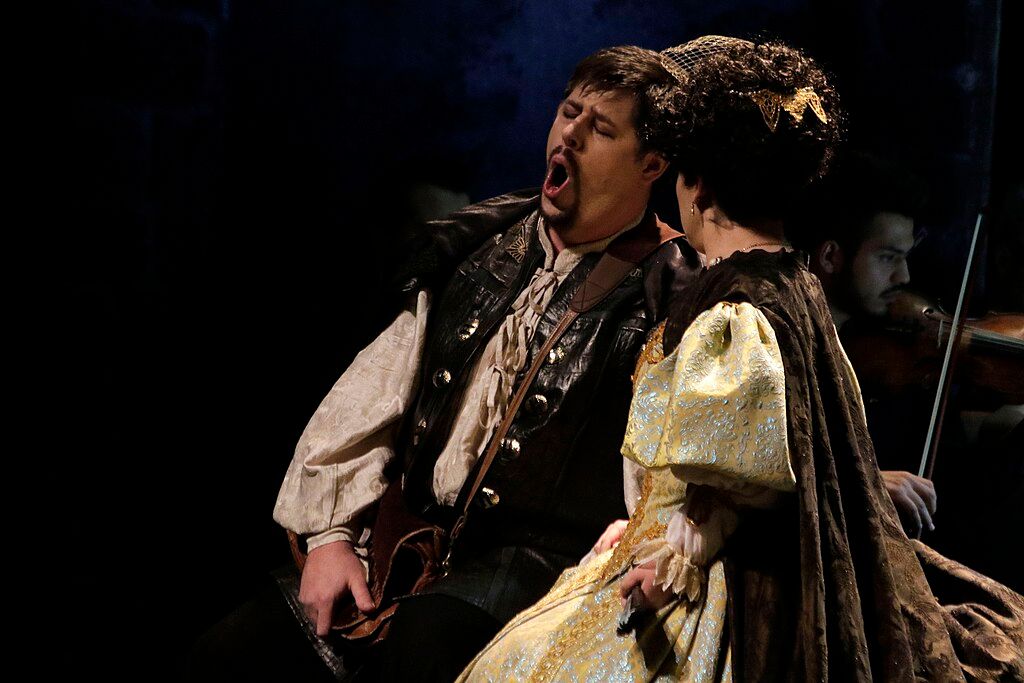
Mozart’s final collaboration with Da Ponte was Così fan tutte (“Thus Do All Women”), premiered in January 1790 at the Burgtheater.
This opera buffa is a cynical romantic comedy about two officers, Ferrando and Guglielmo, who wager that their fiancées (the sisters Dorabella and Fiordiligi) will remain faithful. The men disguise themselves and each attempts to seduce the other’s lover, guided by the sly philosopher Don Alfonso and aided by the maid Despina’s comic trickery. Over the course of the farce, both women do waver and fall for the “wrong” man, proving Alfonso’s premise that all women are fickle – but Mozart’s treatment is more humane than misogynistic, as the men are equally shown to be capricious. In the end, the charade is revealed and the couples presumably reconcile, though the opera leaves a bittersweet aftertaste about the fragility of trust.
Così fan tutte was daring for its time, with its somewhat risqué premise and an ironic, ambiguity-laced conclusion. Mozart, however, lavished some of his most exquisite music on this ostensibly light plot. The opera features a wealth of witty, intricate ensembles and arias that explore the emotional nuances of love and deception[43][44]. Notable are Fiordiligi’s virtuosic aria “Come scoglio” (protesting fidelity) and the melting trio “Soave sia il vento,” which is one of Mozart’s most sublime ensemble pieces.
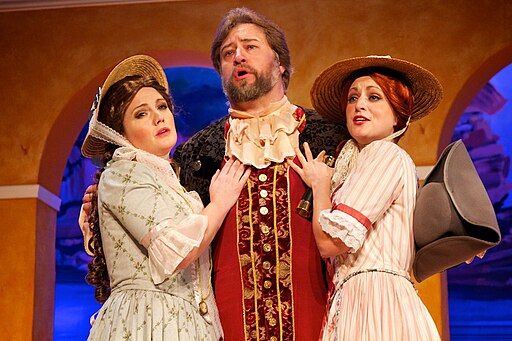
At the time of Così’s premiere, Mozart’s circumstances were difficult – war and economic instability in Vienna meant the public was less interested in new operas. Così fan tutte opened on 26 January 1790 and was initially received positively by those who saw it, but its run was cut short: after only five performances, the death of Emperor Joseph II in February 1790 plunged the court into mourning and closed theaters for a time[45][46]. As a result, Così did not have the opportunity to flourish during Mozart’s life, and subsequent revivals were sparse (19th-century moralists found the story trivial or indecent).
Only in the 20th century did Così fan tutte gain full recognition as a masterpiece of comic opera, appreciated for its sophisticated music and psychological insight. Today it is celebrated as Mozart and Da Ponte’s “final collaboration” par excellence, rounding out their trilogy with a work as musically rich as it is slyly humorous[43][44].
La clemenza di Tito (1791)
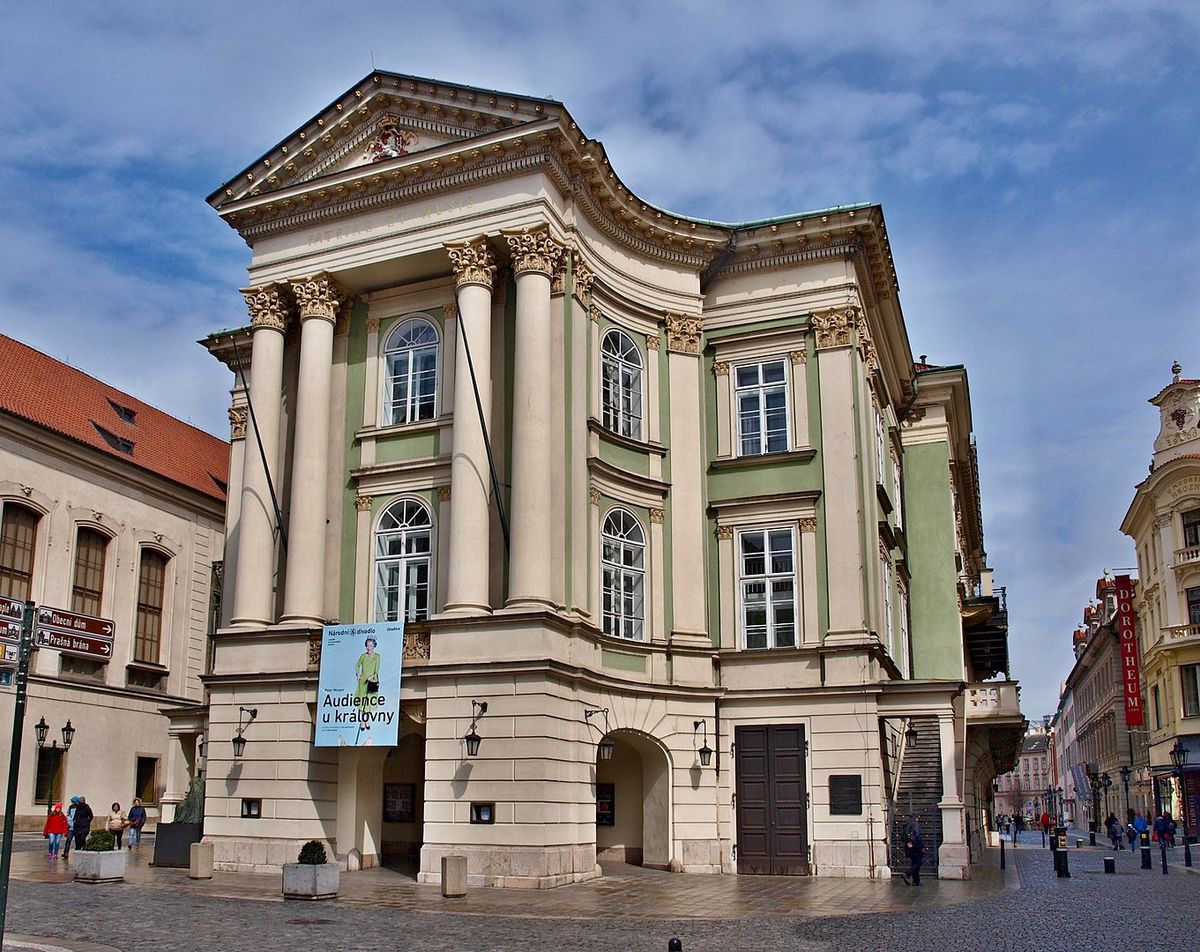
Mozart’s last year (1791) saw him astonishingly productive in the realm of opera. In the summer of 1791, he was commissioned to write a new opera seria for the coronation of Emperor Leopold II in Prague. The result was La clemenza di Tito (“The Clemency of Titus”), which premiered on 6 September 1791 in Prague’s Estates Theatre.
Adapting an old libretto by Metastasio (heavily abridged by court poet Caterino Mazzolà), Tito tells of the Roman Emperor Titus, renowned for his mercy, who faces a conspiracy against him. In the opera, Vitellia – angry at being spurned by Titus – persuades her admirer Sesto (a close friend of the Emperor) to set fire to Rome and attempt Titus’s assassination. When the plot fails and Sesto is caught, Titus ultimately forgives both Sesto and Vitellia, choosing clemency over revenge.
Mozart had to write this opera in great haste (reportedly in only 18 days) while simultaneously working on The Magic Flute. He even delegated the simpler recitative sections to his student Süssmayr, focusing himself on the arias and ensembles. Despite the rush, La clemenza di Tito contains moments of transcendent beauty – such as Sesto’s heartfelt aria “Parto, parto” with its famous clarinet obbligato, and the stunning Act I finale where the enraged Titus reacts to the Capitol burning. The opera’s serene emphasis on enlightenment virtues (forgiveness and benevolence) suited the occasion of a coronation.
Initial reception of La clemenza di Tito in Prague was respectful but lukewarm – the neo-classical seria style seemed old-fashioned coming right after Mozart’s lively comic works.
One countess in the audience infamously dismissed it as “porcheria tedesca” (“German rubbish”), though others admired its dignified simplicity. Nevertheless, Tito did find an audience in the 1790s: it was performed in several cities and remained in the repertory for a few decades[47]. In fact, it was Mozart’s first opera to reach London (produced there in 1806)[48][49].
By the mid-19th century Tito had fallen into neglect, but modern revivals have rehabilitated its reputation[47]. La clemenza di Tito today is valued for its classical elegance and the noble sentiments at its core, a late example of Mozart’s ability to elevate even conventional material with inspired music.
Die Zauberflöte (1791)
Just weeks after Tito, Mozart achieved one of his greatest popular successes with Die Zauberflöte (“The Magic Flute”), premiered 30 September 1791 at a suburban Viennese theater (Freihaus-Theater auf der Wieden).
Unlike the court-oriented Tito, The Magic Flute was a German Singspiel intended for a broad public audience. Mozart partnered with his friend Emanuel Schikaneder, who wrote the libretto and also starred in the premiere as Papageno.
The opera is a fantastical allegory that has delighted audiences of all ages for over two centuries.
Set in a mythical land, the story follows Prince Tamino and the bird-catcher Papageno on a quest to rescue Pamina (daughter of the fearsome Queen of the Night) from the supposedly evil high priest Sarastro. They undergo a series of trials of virtue and steadfastness. In a twist, it turns out Sarastro is benevolent and the Queen of the Night represents darkness and revenge. With the aid of a magic flute and magic bells – and guided by wisdom and love – Tamino and Pamina pass their trials, the villainous Queen is vanquished, and light triumphs over darkness. Interwoven is Papageno’s comic subplot as he searches for (and eventually finds) a Papagena to love, providing earthy humor alongside the opera’s spiritual Masonic symbolism.
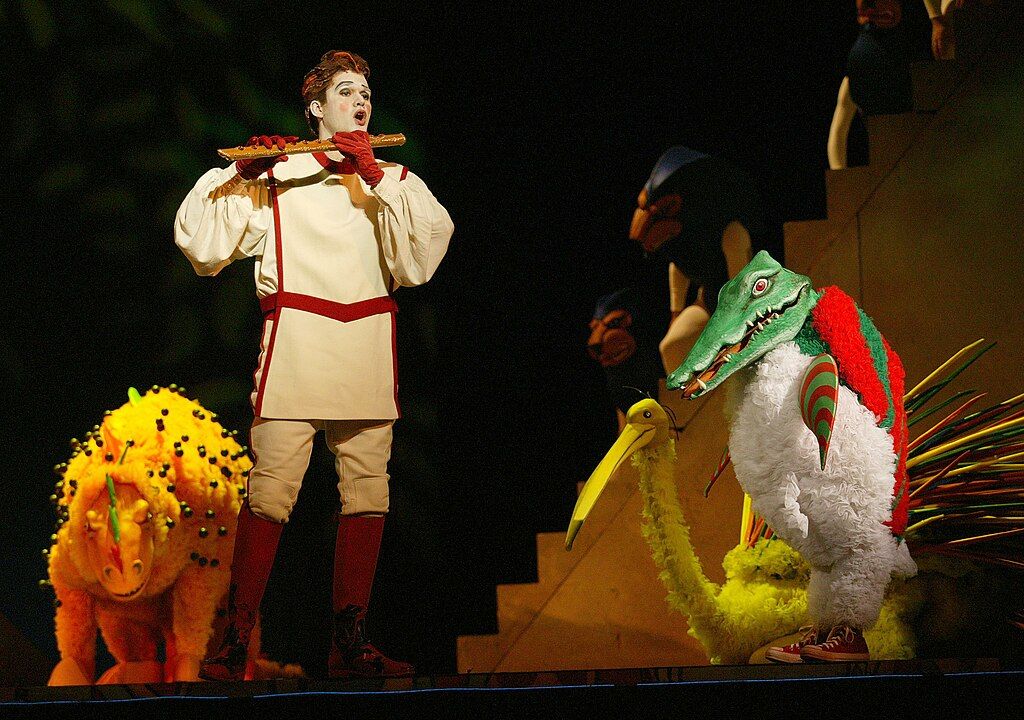
Mozart wrote The Magic Flute at a time when he was not getting many court commissions, and there’s a misconception that he took on this project reluctantly or as “lowbrow” work. In truth, Mozart had long been friendly with Schikaneder and was part of the same Masonic lodge; he embraced the chance to contribute to Vienna’s lively popular theater scene[50][51]. Far from being beneath him, The Magic Flute was a labor of love – Mozart poured his heart into its mixture of magical adventure, philosophical enlightenment ideas, and knockabout comedy.
The result was undoubtedly one of his very best operas[52], combining crowd-pleasing elements (folksy songs like Papageno’s chirpy arias, spectacular coloratura for the Queen of the Night) with sublime music of profound meaning (the solemn chorale of the priests, the duet of the two armored men).
Die Zauberflöte was an instant hit. Its premiere was an immediate success with audiences, and it “took Vienna by storm,” appealing to noble and commoner alike[53].
Mozart himself conducted the first performances and reportedly attended frequently, delighting in the public’s enjoyment – he would note which arias got laughs or applause.
The opera ran many times in late 1791; even Salieri (Mozart’s onetime rival) attended and is said to have praised The Magic Flute as an “operone” – a great opera.
Tragically, Mozart did not live to see just how far this success would go: he died on December 5, 1791, only two months after the premiere. But The Magic Flute’s popularity only grew – within weeks and months it was being performed elsewhere, and it soon spread across Europe[53].
It remains one of the most frequently performed operas worldwide[53], a testament to its universal appeal. For Mozart, The Magic Flute was a final triumph and by all accounts a source of joy. He had managed to create an opera that was at once a playful fairy tale and a profound statement of enlightenment values (the power of love, reason, and brotherhood triumphing over ignorance). Its ongoing success is perhaps the greatest monument to Mozart’s operatic legacy – a work that, like so many of his operas, speaks to both the heart and the mind across the centuries.
Sources
Sources
[31] List of operas by Mozart
https://en-academic.com/dic.nsf/enwiki/10361044
[15] [16] [17] [18] [29] [30] [36] [39] [40] [43] [44] [48] [49] [50] [51] [52] Best Mozart operas: his 11 greatest stage works, ranked | Classical Music
https://www.classical-music.com/features/works/best-mozart-operas
[14] [20] [47] Mozart Operas: 10 Of The Best - Classic FM
https://www.classicfm.com/composers/mozart/guides/mozart-operas-10-best/
[19] The Abduction from the Seraglio, or the Art of Synthesis - Opera Online
https://www.opera-online.com/en/articles/the-abduction-from-the-seraglio-or-the-art-of-synthesis
[21] [PDF] WRITTEN RESOURCE - Victorian Opera
[22] [23] [24] [25] [26] [27] L’oca del Cairo: The Partially Written Mozart Opera
https://interlude.hk/mozart-cairo-goose/
[28] [37] [38] [41] [42] The 20 best operas of all time | Classical Music
https://www.classical-music.com/features/works/20-best-operas-all-time
[32] [33] [34] [35] The Marriage of Figaro - Wikipedia
https://en.wikipedia.org/wiki/The_Marriage_of_Figaro
[45] [PDF] così fan tutte - Metropolitan Opera
[46] [PDF] Così fan tutte Keynotes | Pacific Opera Victoria
https://pacificopera.ca/wp-content/uploads/2023/04/Web-Keynotes_Cosi-fan-tutte.pdf
[53] The Magic Flute in a nutshell
https://www.operanorth.co.uk/news/the-magic-flute-in-a-nutshell/