Eksaminasjonen av lille Mozart: Hvordan Royal Society satte Mozarts geni på prøve
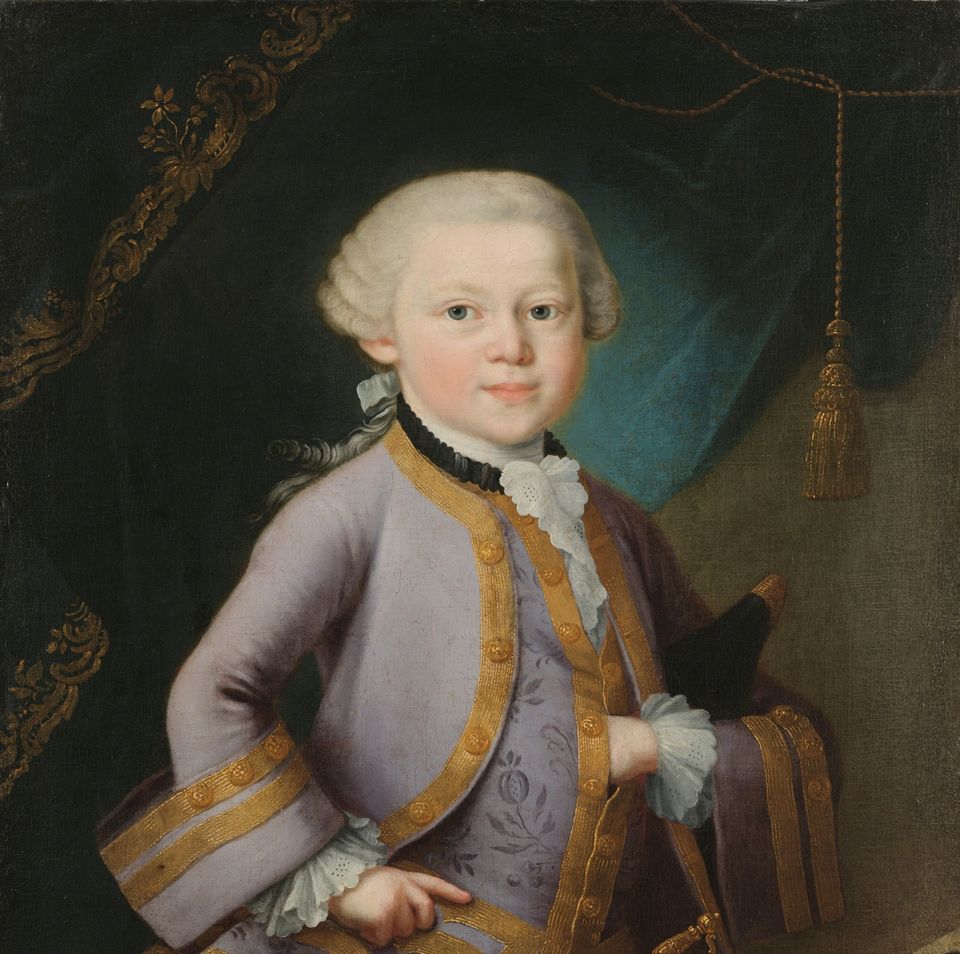
I juni 1765 rettet Daines Barrington sitt skeptiske, vitenskapelige blikk mot et usedvanlig emne: en ni år gammel gutt ved et cembalo i Soho, med ferdigheter hele London snakket om – og som halve London nektet å tro på. Rapporten han sendte til Royal Society behandlet Wolfgang Amadeus Mozart ikke som et mirakel som skulle hylles, men som et fenomen som måtte testes – og det er nettopp derfor vi fortsatt har tillit til den.
Hvordan Mozart endte som et vitenskapelig objekt i London
Da Leopold Mozart dro fra Salzburg i juni 1763, sto England ikke på reiseplanen. Planen gikk via de tyske hoffene, de østerrikske Nederlandene, Paris og muligens Nord-Italia. London ble først lagt til etter at familien hadde nådd det franske hoffet. Som Leopold skrev til sin huseier og kreditor i Salzburg, Lorenz Hagenauer, 28. mai 1764: «Da jeg forlot Salzburg, var jeg bare halvt innstilt på å dra til England; men siden alle, også i Paris, oppfordret oss til å reise til London, bestemte jeg meg for å gjøre det.» Det som lokket var penger – London var Europas rikeste og største by, med en velstående handelsstand som betalte for offentlige konserter, i motsetning til det mer hoffbundne konsertlivet andre steder. Familien forlot Paris 10. april 1764, gjennomlevde en kvalme- og oppkastmettet overfart over Kanalen, og kom til London 23. april.
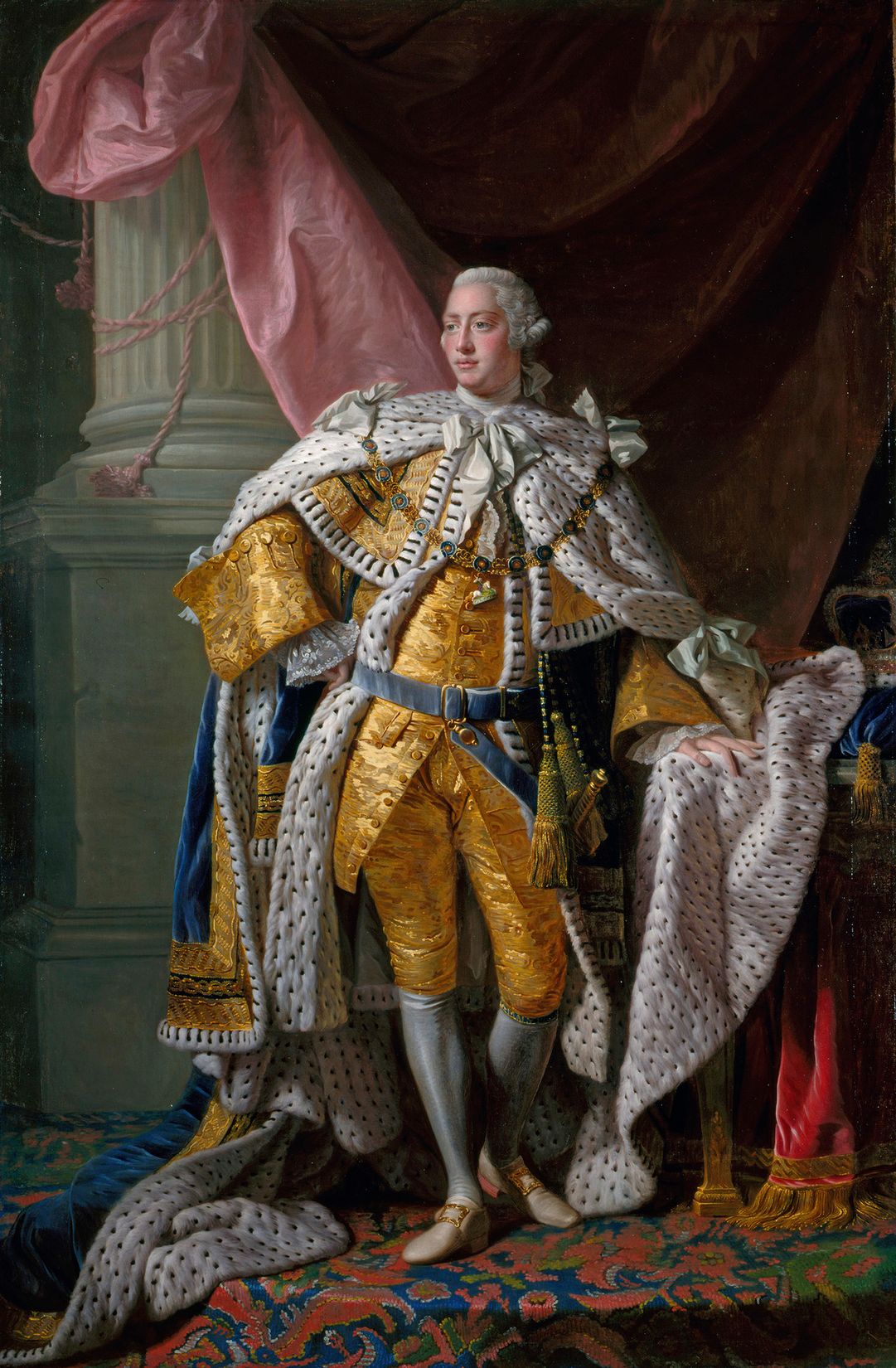
Starten var triumferende. I løpet av få dager – 27. april 1764 – spilte Wolfgang og Nannerl for kong Georg III og dronning Charlotte i Buckingham House; de kom tilbake 19. mai, da Wolfgang prima vista leste verk av J.C. Bach, Abel og Handel og akkompagnerte dronningen mens hun sang. Et tredje besøk kom 25. oktober 1764. Kongens gunst var reell; Leopold skrev at «den velkomsten vi har fått her, overgår alle andre». Guttens seks sonater for klaviatur og fiolin (K. 10–15) ble utgitt i 1765 med en svulstig fransk dedikasjon til dronning Charlotte.
Så raste alt sammen. Sommeren 1764 ble Leopold alvorlig syk av en halsinfeksjon og man trodde han var nær døden. Familien flyttet ut til landluften i Chelsea (Ebury Street) for at han skulle komme seg; barna fikk ikke røre klaviaturet. For å ha noe å gjøre, komponerte gutten i stillhet sin første symfoni – Symfoni nr. 1 i Ess-dur, K. 16 – mens Nannerl skrev av mens han arbeidet. Hun husket senere at han sa: «Minn meg på å gi hornet noe som er verdt å gjøre.»
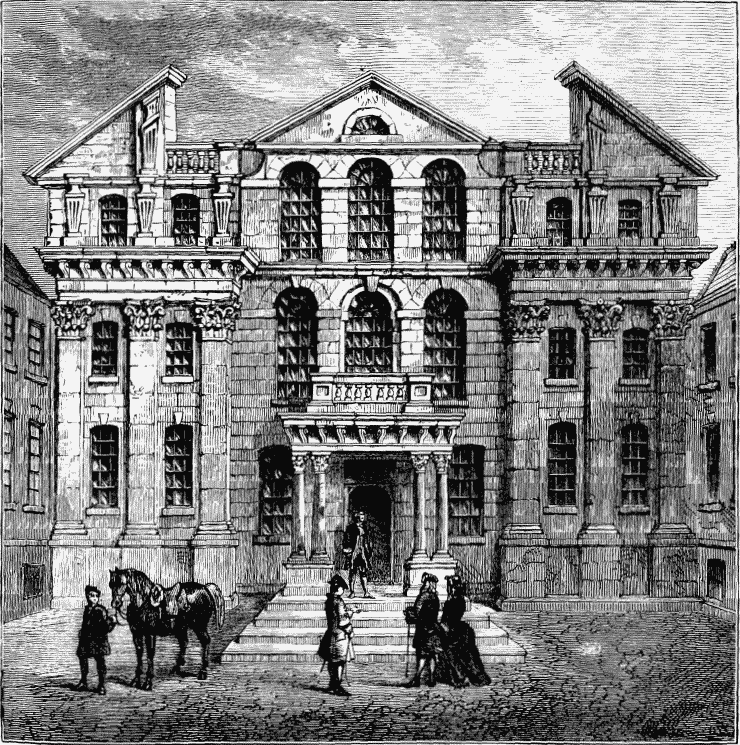
I 1765 hadde nyhetens interesse falmet. Familien, tilbake i det sentrale London i Thrift Street, måtte ty til forretninger. Mellom omtrent april og juni inviterte Leopold publikum til losjiet for å teste gutten. Innen juli «opptrådte begge barna daglig i én uke i Great Room på Swan and Hoop Tavern» i Cornhill – et lavstatus-lokale som British Library plasserer «nær Moorgate i City» – med redusert billettpris på to shilling og seks pence, der publikum kunne utspørre gutten direkte. Stanley Sadie kalte dette «Leopolds siste, desperate forsøk på å presse ut guineaer av det engelske publikum». Det var på dette bunnpunktet – ikke ved det kongelige høydepunktet – at Barrington dukket opp.
Ryktet som fikk testen i gang
I 1765 hadde misunnelige hviskinger stivnet til en konkret anklage: Wolfgang var ikke et barn, men en liten voksen med veksthemming – en dverg utgitt for å være et vidunderbarn. Ryktet var alvorlig nok til å utløse et offentlig motsvar – et anonymt åpent brev i Public Advertiser (10. mai 1765), signert «Recto Rectior», nesten sikkert plassert på Leopolds vegne. Det ble gjenfunnet og trykt på nytt av Ilias Chrissochoidis i hans studie fra 2010 av Wolfgangs omstridte alder. Spørsmålet – «er han virkelig et barn?» – fantes før Barrington involverte seg og var utbredt blant Londons musikere, som hadde vanskelig for å tro at et så ungt barn kunne overgå voksne i deres egen kunst. Å bekrefte alderen beskyttet også Leopolds inntektsgrunnlag, siden hele verdien av nummeret avhang av at gutten var så ung som annonsert.
Daines Barrington, naturforsker
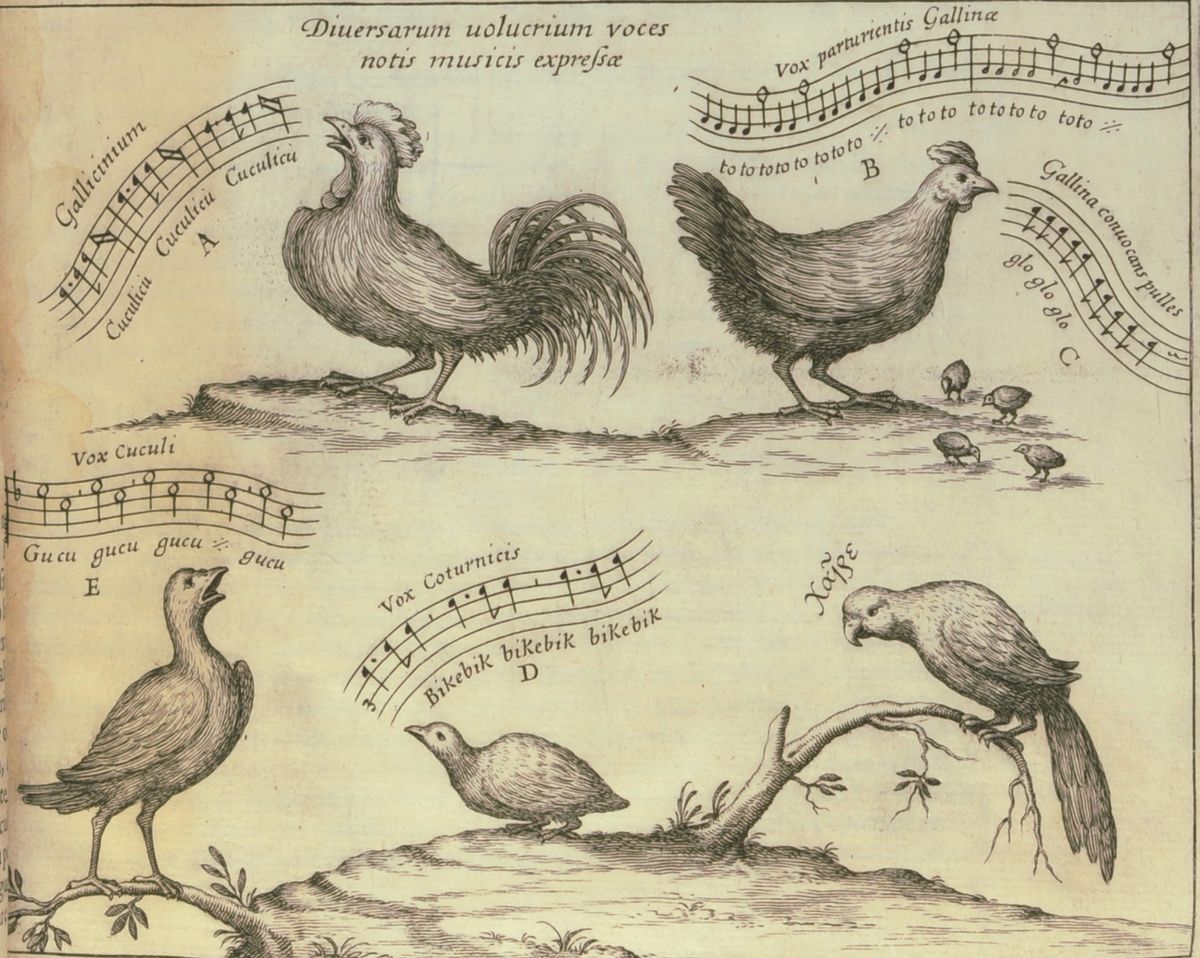
Daines Barrington (1727/28–1800) var jurist, dommer, antikvar og medlem av både Royal Society og Society of Antiquaries. Han var en mann med rastløs og særpreget nysgjerrighet: han drev kryssfostringseksperimenter på sangfugler (oppfostret unge linneter med fosterforeldre for å se hvis sang de lærte) og publiserte «Experiments and Observations on the Singing of Birds»; han hevdet at Nordpolen kunne nås, i et skrift som bidro til å utløse en faktisk britisk polekspedisjon; og han dokumenterte Dolly Pentreath, kornisk-kvinnen som ofte omtales som den siste morsmålstaleren av kornisk – hans rapport er hovedkilden til den påstanden. Han korresponderte med prest-naturforskeren Gilbert White, hvis brev til Barrington utgjør mye av The Natural History of Selborne.
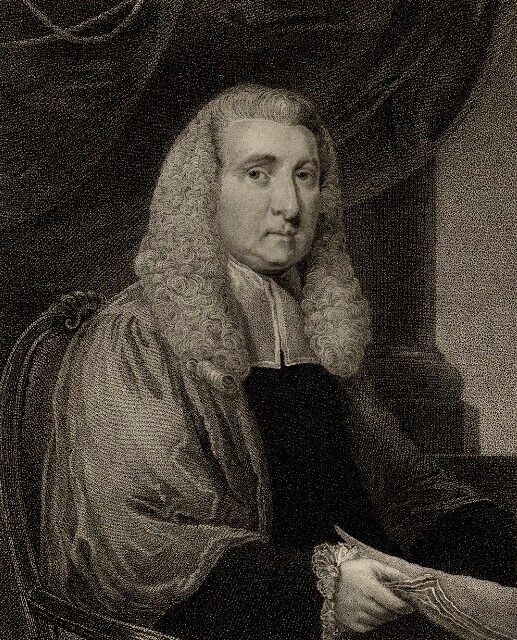
Dette er det avgjørende ved ham: Barrington nærmet seg barnet slik en naturforsker nærmer seg et objekt. Han ga «konkrete eksempler på atferd og ikke bare meninger», som psykologen Uta Frith bemerket i et Royal Society-essay. Han var ikke fortryllet; han testet. Den distansen er nettopp grunnen til at rapporten hans har uvanlig stor beviskraft.
Hva Barrington faktisk gjorde – og hva han bare hadde hørt
Barrington kom forberedt. Han tok med et manuskript Mozart aldri hadde sett: et femstemmig vokal- og instrumentalstykke av «en engelsk herre» til tekst fra Metastasios Demofoonte, der de to sangstemmene var skrevet i den kronglete altnøkkelen. Mozart spilte det prima vista «på en høyst mesterlig måte», og traff komponistens tiltenkte tempo og stil – en bragd Barrington strevde med å forklare for ikke-musikere, og han bemerket at guttens «små fingre knapt kunne nå en kvint på cembaloet».
Så kom de berømte improvisasjonene. Fordi han visste at gutten var «mye lagt merke til av Manzoli, den berømte sangeren», ba Barrington om en improvisert kjærlighetssang «slik hans venn Manzoli kunne velge i en opera». Mozart, sittende ved cembaloet, «så seg tilbake med stor skjelmskhet» og laget et resitativ og en arie bygget rundt det ene ordet Affetto. Barringtons dom var avmålt, ikke andpusten: stykket «var virkelig over middelmådighet, og viste en høyst ekstraordinær oppfinnsomhetens hurtighet». Deretter ba han om en Raseri-sang som passet for operascenen; gutten kastet seg inn i et resitativ på ordet Perfido, og midt i det hele «hadde han pisket seg opp til et slikt nivå at han slo på cembaloet som en besatt, og reiste seg iblant i stolen».
Og så katten. En favorittkatt kom inn; Mozart forlot cembaloet og lot seg ikke lokke tilbake «på en god stund». Han løp også rundt i rommet med en stokk mellom bena «som en hest». Barrington tok med disse avbruddene med hensikt – det var data som bekreftet at dette var et ekte barn. Han skrev at til tross for mistanken om alder, hadde gutten «ikke bare et høyst barnslig utseende, men også alle handlingene som hører dette livsstadiet til».
Avgjørende nok skilte Barrington mellom det han selv observerte og det han bare fikk høre. Den berømte påstanden om at Mozart kunne fullføre en fuge som J.C. Bach hadde brutt av midt i en frase, er uttrykkelig merket som annenhåndsinformasjon: «Jeg er blitt informert av to eller tre dyktige musikere» om at da «Bach, den berømte komponisten, hadde begynt en fuge og brått sluttet», tok lille Mozart den opp «og arbeidet den videre på en høyst mesterlig måte». Dette er ikke et øyenvitneutsagn. Prima vista-lesningen, de to improviserte ariene, klaviaturtestene og katten – det så Barrington selv.
Detektivsporet om aldersbekreftelse
Dette er det som gjør Barringtons rapport unik blant Mozart-dokumenter: han nektet å publisere på eget ord. Fordi han mistenkte at Leopold kunne ha løyet om guttens alder, gjorde han undersøkelser blant tyske musikere i London uten å komme noen vei, inntil han fikk tak i et utdrag fra Salzburgs dåpsregister «gjennom hans eksellense grev Haslang» – Joseph Franz Xaver von Haslang, den langvarige bayerske (pfalziske) sendemannen i London. Utdraget inkluderte en edfestet erklæring fra en Salzburg-kapellan, Leopold Comprecht, som Barrington trykte i selve rapporten. (Innførselen i Salzburgs dåpsregister ble i realiteten skrevet av bykapellanen Leopold Lamprecht; «Comprecht» står i Barringtons fremstilling.)
Fornøyd skrev Barrington, med Philosophical Transactions’ ordlyd: «Det fremgår av dette utdraget at Mozarts far ikke førte oss bak lyset når det gjaldt hans alder da han var i England, for det var i juni 1765 at jeg var vitne til det jeg har fortalt ovenfor, da gutten bare var åtte år og fem måneder gammel.»
Den siste setningen er rapportens store ironi. Hele dokumentets formål var å verifisere guttens alder – og Barrington tar feil. Mozart, født 27. januar 1756, var ni år og fem måneder i juni 1765, ikke åtte. Feilen skyldes trolig Leopolds vane med å annonsere barna som ett eller to år yngre enn de var. Mange senere kilder gjentar «åtte år» ved testen, enten ved å arve Barringtons feilopplysning eller ved forvirring om besøksdatoen.
Denne samvittighetsfulle holdningen forklarer dokumentets merkelige tidslinje. Testen fant sted i juni 1765. Teksten er datert 28. november 1769. Den ble lest for Royal Society 15. februar 1770 og publisert i Philosophical Transactions of the Royal Society of London, bd. 60 (1770), s. 54–64, som «Account of a Very Remarkable Young Musician. In a Letter from the Honourable Daines Barrington, F.R.S. to Mathew Maty, M.D. Sec. R.S.» Barrington åpner med en ertende analogi: en godt dokumentert beretning om en gutt «som målte sju fot i høyden da han ikke var mer enn åtte år gammel» ville fortjene selskapets oppmerksomhet – og guttens musikalske størrelse var like usannsynlig.
Hvem «Kjærlighetssangen» egentlig handlet om
«Vennen Manzoli» var Giovanni Manzuoli (ca. 1720–1782), en feiret florentinsk kastratsopran på høyden av sin London-berømmelse. Han var engasjert ved King’s Theatre for sesongen 1764–65, debuterte i pasticcioen Ezio 24. november 1764, og var vinterens best betalte stjerne. Leopold skrev misunnelig til Hagenauer 8. februar 1765, i Mozarteums transkripsjon, at «Manzoli får 1500 pund sterling for denne vinteren … han tar inn over 20000 tyske gylden denne vinteren». Manzuoli ble venn med Mozart-familien og ga gutten sangtimer; den redaksjonelle merknaden i Digitale Mozart-Edition til det samme brevet sier rett ut: «Han ga Wolfgang sangundervisning gratis» – Mozarts eneste formelle vokalopplæring. De to opptrådte sammen på en privat konsert hos lord og lady Clive i Berkeley Square 13. mars 1765, en begivenhet rekonstruert av Dexter Edge i Mozart: New Documents. Baron Friedrich Melchior Grimm skrev senere, i Correspondance littéraire 15. juli 1766, at Wolfgang hadde hatt så stort utbytte av å høre Manzuoli at «il en a si bien profité que … il chante avec autant de goût que d'âme» – «han synger med like mye smak som sjel». År senere kom Manzuoli ut av pensjonisttilværelsen for å synge tittelrollen i Mozarts Ascanio in Alba (Milano, 1771). Så når Barrington påkalte Manzoli, grep han ikke etter en abstraksjon – han navnga den glitrende operaverdenen niåringen allerede befant seg i.
Brevets mottaker
Rapporten er utformet som et brev til Mathew Maty (Matthew Maty), legen som var sekretær i Royal Society og også hovedbibliotekar ved British Museum. Koblingen til British Museum er rørende: i sine siste London-uker i juli 1765 besøkte Mozarts museet – et privilegium, siden barn offisielt var nektet adgang – og overleverte styret et eksemplar av Wolfgangs trykte sonater, et familietrykk og manuskriptet til motetten «God is our Refuge», K. 20, i guttens hånd. Det var hans eneste tonesetting av engelske ord. Den lille komponisten slet med å få ordene til å passe til notene i takt 7–9, så faren fylte inn resten. Gaven ble formelt bekreftet av Maty selv 9. juli 1765: «I am ordered by the Standing Committee of the Trustees of the British Museum, to signify to You, that they have received the present of the musical performances of your very ingenious Son.» Manuskriptet finnes i British Library (signatur K.10.a.17.(3)) – noe som betyr at biblioteket kan hevde å ha en Mozart-samling påbegynt av komponisten selv.
De andre vidunderbarna Barrington studerte
Da Barrington samlet sine tekster i Miscellanies (1781), sto Mozart-beretningen side om side med rapporter om fire andre unge musikalske vidunderbarn – i praksis en tidlig komparativ studie av musikalsk geni:
- William Crotch (1775–1847), sønn av en snekker i Norwich som spilte «God Save the King» før han var tre. Han ble Heather Professor of Music ved Oxford, tok doktorgrad og ble i 1822 utnevnt til den første Principal ved Royal Academy of Music. Oratoriet Palestine (1812) ble hans mest varige verk; han kan ha komponert Westminster-klokkespillet. Likevel svarte voksenkarrieren aldri til den tidlige glansen – og kilder bemerker at utstillingen av ham som barn etterlot ham som en noe skadet, konservativ voksen.
- Charles Wesley den yngre (1757–1834) og Samuel Wesley (1766–1837), sønner av salmedikteren Charles Wesley. Samuel, kalt «den engelske Mozart», ble en betydelig komponist og organist, en pioner for den engelske Bach-renessansen, og far til Samuel Sebastian Wesley – men etablissementet stolte ikke på ham, og han fikk aldri en stor organiststilling.
- Garret Wesley, 1. jarl av Mornington (1735–1781), den anglo-irske aristokratiske komponisten, Trinity College Dublins første professor i musikk, husket for glee’er som «Here in cool grot». Han var far til Arthur Wellesley, den fremtidige hertugen av Wellington – den eneste av barna som arvet hans musikalske gave.
Sammenligningen er lærerik: av vidunderbarna Barrington katalogiserte, endte de fleste i respektable, men jordbundne karrierer. Bare Mozart ble Mozart.
Handel-tråden
Barrington avslutter med å sammenligne gutten med den unge George Frideric Handel – med støtte i John Mainwarings memoarer om Handel, som også komponerte i barndommen og kunne få musikalske ideer i sengen. Så kommer den følelsesmessige vendingen: «Jeg er desto mer glad for å fremsette denne korte sammenligningen mellom disse to tidlige vidunderbarna i musikken, ettersom man kan håpe at lille Mozart muligens kan nå samme høye alder som Handel, i strid med den vanlige observasjon at slike ingenia praecocia vanligvis er kortlivede.»
Handel ble 74. Ønsket ble ikke oppfylt. Mozart døde 5. desember 1791, 35 år gammel – to år etter at Gilbert Whites Selborne kom ut, og ni år før Barrington selv.
Hva rapporten ble til
Den dypeste ironien er at det mest pålitelige vitnesbyrdet utenfra om Mozarts barndomsgaver kom fra en skeptiker. Barrington gikk inn for å avsløre en bløff. Han krevde dåpsattest, noterte gutten som jaget en katt, vurderte de improviserte ariene som bare «over middelmådighet», og merket tydelig hva som var annenhåndsinformasjon. Det er nettopp denne distansen – naturforskerens nektelse av å la seg sjarmere – som gjør dokumentet troverdig der en fars skryt ikke ville vært det. Leopolds brev selger et mirakel; Barringtons rapport tester et, og testen holder.
En merknad om omstridte punkter: losjiets beliggenhet (Chelsea vs. Thrift Street) og navnet på City-tavernaen (Swan and Hoop vs. Swan and Harp) varierer mellom kilder; denne artikkelen følger juni-1765-lesningen med Thrift Street og merker Swan and Hoop-tilskrivningen. Kapellanens navn står som «Comprecht» i Barringtons rapport og som «Lamprecht» i Salzburg-registeret. Anekdoten om J.C. Bach-fugen er Barringtons egen, tydelig merket som annenhåndsinformasjon, ikke øyenvitneskildring.
---
Den opprinnelige rapporten (1769)
Følgende er hele teksten i Daines Barringtons brev slik det ble publisert i Philosophical Transactions of the Royal Society of London, bd. 60 (1770), s. 54–64. Les hele originalen på Wikisource
Mottatt 28. november 1769.
VIII. Beretning om en særdeles bemerkelsesverdig ung musiker. I et brev fra den ærede Daines Barrington, F.R.S. til Mathew Maty, M.D. Sec. R.S.
Lest 15. feb. 1770.
S I R,
If I was to send you a well attested account of a boy who measured seven feet in height, when he was not more than eight years of age, it might be considered as not undeserving the notice of the Royal Society.
The instance which I now desire you will communicate to that learned body, of as early an exertion of most extraordinary musical talents, seems perhaps equally to claim their attention.
Joannes Chrysostomus Wolfgangus Theophilus Mozart, was born at Saltzbourg in Bavaria, on the 17th of January, 1756.
| Note by Barrington: I here subjoin a copy of the translation from the register at Saltzbourg, as it was procured from his excellence Count Haslang, envoy extraordinary and minister plenipotentiary of the electors of Bavaria and Palatine:
"I, the under-written, certify, that in the year 1756, the 17th of January, at eight o'clock in the evening, was born Joannes Chrysostomus Wolfgangus Theophilus, son of Mr. Leopold Mozart, organist of his highness the prince of Saltzbourg, and of Maria Ann his lawful wife (whose maiden name was Pertlin), and christened the day following, at ten o'clock in the morning, at the prince's cathedral church here; his godfather being Gottliel Pergmayr, merchant in this city. In truth whereof, I have taken this certificate from the parochial register of christenings, and under the usual seal, signed the same with my own hand. Saltzbourg, Jan. 3, 1769. Leopald Comprecht, Chaplain to his Highness in this city."
I have been informed by a most able musician and composer, that he frequently saw him at Vienna, when he was little more than four years old.
By this time he not only was capable of executing lessons on his favourite instrument the harpsichord, but composed some in an early stile and taste, which were much approved of.
His extraordinary musical talents soon reached the ears of the empress dowager, who used to place him upon her knees whilst he played on the harpsichord.
This notice taken of him by so great a personage, together with a certain consciousness of his most singular abilities, had much emboldened the little musician. Being therefore the next year at one of the German courts, where the elector encouraged him, by saying, that he had nothing to fear from his august presence; little Mozart immediately sat down with great confidence to his harpsichord, informing his highness, that he had played before the empress.
At seven years of age his father carried him to Paris, where he so distinguished himself by his compositions, that an engraving was made of him.
The father and sister who are introduced in this print, are excessively like their portraits, as is also little Mozart, who is stiled "Compositeur et Maitre de Musique, agé de sept ans."
After the name of the engraver, follows the date, which is in 1764; Mozart was therefore at this time in the eighth year of his age.
Upon leaving Paris, he came over to England, where he continued more than a year. As during this time I was witness of his most extraordinary abilities as a musician, both at some publick concerts, and likewise by having been alone with him for a considerable time at his father's house; I send you this following account, amazing and incredible almost as it may appear.
I carried to him a manuscript duet, which was composed by an English gentleman to some favourite words in Metastasio's opera of Demofoonte.
The whole score was in five parts, viz. accompaniments for a first and second violin, the two vocal parts, and a base.
I shall here likewise mention, that the parts for the first and second voice were written in what the Italians stile the Contralto cleff; the reason for taking notice of which particular will appear hereafter.
My intention in carrying with me this manuscript composition, was to have an irrefragable proof of his abilities, as a player at sight, it being absolutely impossible that he could have ever seen the music before.
The score was no sooner put upon his desk, than he began to play the symphony in a most masterly manner, as well as in the time and stile which corresponded with the intention of the composer.
I mention this circumstance, because the greatest masters often fail in these particulars on the first trial.
The symphony ended, he took the upper part, leaving the under one to his father.
His voice in the tone of it was thin and infantine, but nothing could exceed the masterly manner in which he sung.
His father, who took the under part in this duet, was once or twice out, though the passages were not more difficult than those in the upper one; on which occasions the son looked back with some anger, pointing out to him his mistakes, and setting him right.
He not only however did complete justice to the duet, by singing his own part in the truest taste, and with the greatest precision: he also threw in the accompaniments of the two violins, wherever they were most necessary, and produced the best effects.
It is well known that none but the most capital musicians are capable of accompanying in this superior stile.
As many of those who may be present, when this letter may have the honour of being read before the society, may not possibly be acquainted with the difficulty of playing thus from a musical score, I will endeavour to explain it by the most similar comparison I can think of.
I must at the same time admit that the illustration will fail in one particular, as the voice in reading cannot comprehend more than what is contained in a single line. I must suppose, however, that the reader's eye, by habit and quickness, may take in other lines, though the voice cannot articulate them, as the musician accompanies the words of an air by his harpsichord.
Let it be imagined, therefore, that a child of eight years old was directed to read five lines at once, in four of which the letters of the alphabet were to have different powers.
For example, in the first line A, to have its common powers. In the second that of B. In the third of C. In the fourth of D.
Let it be conceived also, that the lines so composed of characters, with different powers, are not ranged so as to be read at all times one exactly under the other, but often in a desultory manner.
Suppose then, a capital speech in Shakespeare never seen before, and yet read by a child of eight years old, with all the pathetic energy of a Garrick.
Let it be conceived likewise, that the same child is reading, with a glance of his eye, three different comments on this speech tending to its illustration; and that one comment is written in Greek, the second in Hebrew, and the third in Etruscan characters.
Let it be also supposed, that by different signs he could point out which comment is most material upon every word; and sometimes that perhaps all three are so, at others only two of them.
When all this is conceived, it will convey some idea of what this boy was capable of, in singing such a duet at sight in a masterly manner from the score, throwing in at the same time all its proper accompaniments.
When he had finished the duet, he expressed himself highly in its approbation, asking with some eagerness whether I had brought any more such music.
Having been informed, however, that he was often visited with musical ideas, to which, even in the midst of the night, he would give utterance on his harpsichord; I told his father that I should be glad to hear some of his extemporary compositions.
The father shook his head at this, saying, that it depended entirely upon his being as it were musically inspired, but that I might ask him whether he was in humour for such a composition.
Happening to know that little Mozart was much taken notice of by Manzoli, the famous singer, who came over to England in 1764, I said to the boy, that I should be glad to hear an extemporary Love Song, such as his friend Manzoli might choose in an opera.
The boy on this (who continued to sit at his harpsichord) looked back with much archness, and immediately began five or six lines of a jargon recitative proper to introduce a love song.
He then played a symphony which might correspond with an air composed to the single word, Affetto.
It had a first and second part, which, together with the symphonies, was of the length that opera songs generally last: if this extemporary composition was not amazingly capital, yet it was really above mediocrity, and shewed most extraordinary readiness of invention.
Finding that he was in humour, and as it were inspired, I then desired him to compose a Song of Rage, such as might be proper for the opera stage.
The boy again looked back with much archness, and began five or six lines of a jargon recitative proper to precede a Song of Anger.
This lasted also about the same time with the Song of Love; and in the middle of it, he had worked himself up to such a pitch, that he beat his harpsichord like a person possessed, rising sometimes in his chair.
The word he pitched upon for this second extemporary composition was, Perfido.
After this he played a difficult lesson, which he had finished a day or two before: his execution was amazing, considering that his little fingers could scarcely reach a fifth on the harpsichord.
His astonishing readiness, however, did not arise merely from great practice; he had a thorough knowledge of the fundamental principles of composition, as, upon producing a treble, he immediately wrote a base under it, which, when tried, had a very good effect.
He was also a great master of modulation, and his transitions from one key to another were excessively natural and judicious; he practiced in this manner for a considerable time with an handkerchief over the keys of the harpsichord.
The facts which I have been mentioning I was myself an eye witness of; to which I must add, that I have been informed by two or three able musicians, when Bach the celebrated composer had begun a fugue and left off abruptly, that little Mozart hath immediately taken it up, and worked it after a most masterly manner.
Witness as I was myself of most of these extraordinary facts, I must own that I could not help suspecting his father imposed with regard to the real age of the boy, though he had not only a most childish appearance, but likewise had all the actions of that stage of life.
For example, whilst he was playing to me, a favourite cat came in, upon which he immediately left his harpsichord, nor could we bring him back for a considerable time.
He would also sometimes run about the room with a stick between his legs by way of horse.
I found likewise that most of the London musicians were of the same opinion with regard to his age, not believing it possible that a child of so tender years could surpass most of the masters in that science.
I have therefore for a considerable time made the best inquiries I was able from some of the German musicians resident in London, but could never receive any further information than that he was born near Saltzbourg, till I was so fortunate as to procure an extract from the register of that place, through his excellence count Haslang.
It appears from this extract, that Mozart's father did not impose with regard to his age when he was in England, for it was in June, 1765, that I was witness to what I have above related, when the boy was only eight years and five months old.
I have made frequent inquiries with regard to this very extraordinary genius since he left England, and was told last summer, that he was then at Saltzbourg, where he had composed several oratorios, which were much admired.
I am also informed, that the prince of Saltzbourg, not crediting that such masterly compositions were really those of a child, shut him up for a week, during which he was not permitted to see any one, and was left only with music paper, and the words of an oratorio.
During this short time he composed a very capital oratorio, which was most highly approved of upon being performed.
Having stated the above mentioned proofs of Mozart's genius, when of almost an infantine age, it may not be improper perhaps to compare them with what hath been well attested with regard to other instances of the same sort.
Amongst these, John Barratier hath been most particularly distinguished, who is said to have understood Latin when he was but four years old, Hebrew when six, and three other languages at the age of nine.
This same prodigy of philological learning also translated the travels of Rabbi Benjamin when eleven years old, accompanying his version with notes and dissertations. Before his death, which happened under the age of twenty, Barratier seems to have astonished Germany with his amazing extent of learning; and it need not be said, that its increase in such a soil, from year to year, is commonly amazing.
Mozart, however, is not now much more than thirteen years of age, and it is not therefore necessary to carry my comparison further.
The other instance of early musical genius I shall now mention is that of the late George Frederic Handel, who composed when he was little more than nine years of age, as was attested by his own account, and which was verified afterwards.
I am the more glad to state this short comparison between these two early prodigies in music, as it may be hoped that little Mozart may possibly attain to the same advanced years as Handel, contrary to the common observation, that such ingenia praecocia are generally short-lived.
---
The report itself (primary source)
- Daines Barrington, "Account of a Very Remarkable Young Musician. In a Letter from the Honourable Daines Barrington, F.R.S. to Mathew Maty, M.D. Sec. R.S." — Wikisource transcription. <https://en.wikisource.org/wiki/Account_of_a_very_remarkable_young_Musician>
- Philosophical Transactions of the Royal Society of London, vol. 60 (1770/1771), pp. 54–64 (DOI: 10.1098/rstl.1770.0008). <https://royalsocietypublishing.org/rstl/article/doi/10.1098/rstl.1770.0008/120129/VIII-Account-of-a-very-remarkable-young-musician>
- Royal Society, "Science in the Making" — digitized original manuscript of the paper. <https://makingscience.royalsociety.org/items/l-and-p_5_156/paper-account-of-a-remarkable-young-musician-joannes-chrysotomus-wolfgangus-theophilus-mozart-by-daines-barrington>
Scholarly and institutional commentary
- Uta Frith, "Meeting Mozart in London," The Royal Society blog (2015). <https://royalsociety.org/blog/2015/03/meeting-mozart-in-london/>
- "The Mozarts in London," British Library Music blog (2018). <https://blogs.bl.uk/music/2018/05/mozartinlondon.html>
- "Mozart in London," The Grub Street Project. <https://www.grubstreetproject.net/essays/mozartinlondon/>
- "Wolfgang Amadeus Mozart," Mozart & Material Culture, King's College London. <https://mmc.kdl.kcl.ac.uk/entities/person/mozart-wolfgang-amadeus/index.html>
- "Happy Birthday to 'Little Mozart'," Library of Congress, In the Muse blog (2017). <https://blogs.loc.gov/music/2017/01/happy-birthday-to-little-mozart/>
- "Young Mozart and the Five Tests," Liszt Academy. <https://concert.lisztacademy.hu/news/young-mozart-and-the-five-tests-120002>
- "Account of a Very Remarkable Young Musician (1769)," The Public Domain Review. <https://publicdomainreview.org/collection/account-of-a-very-remarkable-young-musician-1769/>
- "London Mozartiana: Wolfgang's disputed age & early performances of Allegri's Miserere", by Ilias Chrissochoidis. <https://www.academia.edu/249273/London_Mozartiana_Wolfgangs_disputed_age_and_early_performances_of_Allegris_Miserere>
Books and dissertations
- Stanley Sadie, Mozart: The Early Years, 1756–1781 (Oxford University Press / W.W. Norton, 2006).
- Cliff Eisen, New Mozart Documents: A Supplement to O.E. Deutsch's Documentary Biography (Macmillan / Stanford University Press, 1991); and Dexter Edge & David Black (eds.), Mozart: New Documents (online edition). <https://sites.google.com/site/mozartdocuments/>
- Emily Anderson (ed. and trans.), The Letters of Mozart and His Family (Macmillan) — the primary source for Leopold's letters to Lorenz Hagenauer on the family's London finances.
- Hannah Templeton, "The Mozarts in London: exploring the family's professional, social and intellectual networks in 1764–65" (PhD dissertation, King's College London, 2016). <https://kclpure.kcl.ac.uk/portal/en/theses/the-mozarts-in-london>
- Daines Barrington, Miscellanies on Various Subjects (London, 1781) — collects the Mozart account with those of Crotch, Charles and Samuel Wesley, and the Earl of Mornington.
Reference entries
- "Daines Barrington," Wikipedia. <https://en.wikipedia.org/wiki/Daines_Barrington>
- "Mozart family grand tour," Wikipedia. <https://en.wikipedia.org/wiki/Mozart_family_grand_tour>
- "20 Frith Street," Wikipedia (the Thrift Street / Frith Street lodgings). <https://en.wikipedia.org/wiki/20_Frith_Street>
- "Samuel Wesley (composer, born 1766)," Wikipedia. <https://en.wikipedia.org/wiki/Samuel_Wesley_(composer,_born_1766)>
- "Wolfgang Amadeus Mozart," English Heritage blue plaques. <https://www.english-heritage.org.uk/visit/blue-plaques/wolfgang-amadeus-mozart/>
- Handel Reference Database, 1770 (Ilias Chrissochoidis, Stanford). <http://web.stanford.edu/~ichriss/HRD/1770.htm>