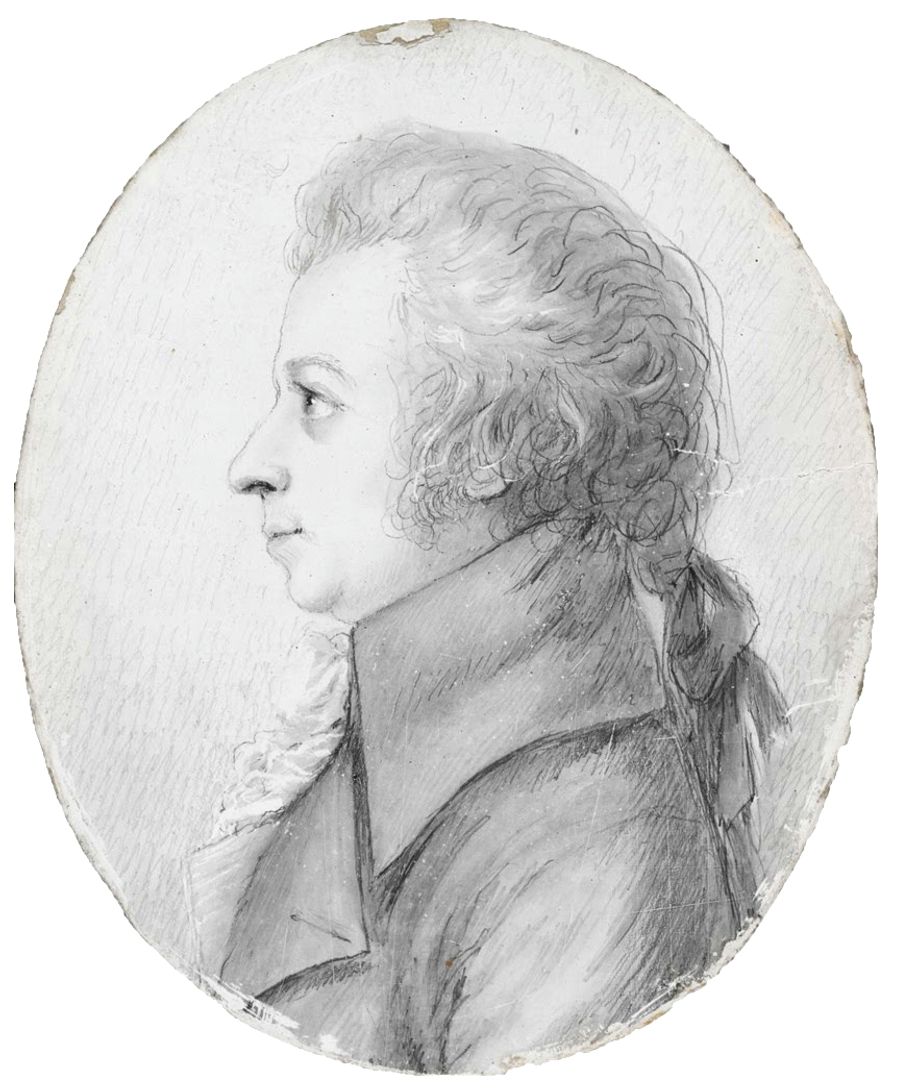
- 쾨헬 번호
- K9 589 | K6 589
- 장르
- 실내악
- 형식
- 현악 사중주 & 관악 사중주
- 조성
- B Flat Major
- 날짜
- 5월 1790
- 장소
- Vienna
- 나이
- 34
모차르트의 현악사중주 22번 B♭장조(K. 589)는 1790년 5월 빈에서 완성되었으며, 아마추어로서도 상당한 실력을 갖춘 첼리스트였던 프로이센 국왕 프리드리히 빌헬름 2세와 오랫동안 연관되어 온 후기 사중주 3곡 가운데 하나다[1] [2]. 모차르트는 그를 위해 베이스 성부를 이례적으로 협주곡적(concertante)으로 다듬었고, 이 작품은 단순한 ‘왕실 주문품’이라기보다 절제된 질감 속에서도 성악적으로 살아 있는 말투, 그리고 앙상블의 위계 자체를 달래면서도 시험하는 첼로 성부를 통해 후기 양식의 섬세함을 드러낸다.
배경과 맥락
1790년 모차르트는 서른네 살로 빈에 거주했으며, 예술적 야심과 불안정한 현금 사정이 늘 그렇듯 공존하는 삶을 살고 있었다. 그해의 ‘공적’ 얼굴은 극장이었다. Così fan tutte는 1790년 1월 26일 초연되었고, 그 시즌 내내 모차르트의 지휘 활동 속에 남아 있었다(1790년에 10회 공연) [3]. 그러나 오페라 극장의 일상 뒤편에는 보다 사적인 실내악의 경제가 있었다. 후원자와 출판업자, 그리고 무엇보다 모차르트가 여전히 집중된 청취를 기대할 수 있었던 작지만 숙련된 연주자들의 모임을 겨냥한 작품들 말이다.
K. 589는 바로 그 긴장 속에 놓여 있다. 1790년 초여름 모차르트의 편지는, 당장 현금을 마련하기 위해 자신의 사중주—“그 고된 작업”—를 너무 적은 값에 “내놓을” 수밖에 없었다는 재정적 압박을 노골적으로 말한다 [3]. 이 고백은 유난히 많은 것을 드러낸다. ‘후기 모차르트’가 마치 아무런 힘 들이지 않고 ‘영원’을 위한 걸작을 쏟아냈다는 현대적 신화와 정면으로 충돌하기 때문이다. 그러나 프로이센 사중주들을 둘러싼 사료는, 오히려 모차르트가 자신의 작업이 얼마의 가치가 있는지, 그리고 시장이 그 가치를 얼마나 박하게 매길 수 있는지 정확히 알고 있었음을 가리킨다.
동시에 K. 589는 모차르트가 ‘사중주가 무엇을 할 수 있는지’를 재고하는 후기의 미학에 속한다. 사이먼 P. 키프는 프로이센 3부작(K. 575, 589, 590)이 현악사중주 장르의 “새로운 미학”에 참여한다고 주장한 바 있다. 즉, 학구적 난해함을 공적으로 과시하기보다, 기술적 수단을 표현 목적에 맞추어 선택하는 정제되고 정서적으로 예리한 대화로서의 사중주라는 관점이다 [2]. 가운데 작품인 K. 589는 세 곡 중 가장 조용히 급진적이다. 종종 느긋하고 심지어 ‘가정적’으로 들리지만, 궁정적 매력과 칼날 같은 작곡적 통제 사이에서 고도의 균형을 이루는 정교한 줄타기로 구축되어 있다.
작곡과 헌정
모차르트는 1790년 5월 빈에서 K. 589를 완성했으며, 이 날짜는 현대 음악학의 지지를 받고 작곡가 자신의 주제목록(Verzeichnüß aller meiner Werke)과 연관된 편집 해설에도 반영되어 있다 [2] [4]. 국제 모차르테움 재단의 쾨헬 데이터베이스 또한 이 작품을 프리드리히 빌헬름 2세를 위해 의도된 모차르트의 마지막 사중주 3곡 가운데에 두고, 이전 사중주들과 구별되는 기술적으로 까다롭고 때로는 독주적 성격을 띠는 베이스 성부를 강조한다 [1].
‘프로이센’이라는 연결은 역사적으로도 그럴듯하고, 음악적으로도 즉각 들린다. 프리드리히 빌헬름 2세는 후원자였을 뿐 아니라 유능한 첼리스트였고, 모차르트는 반복적으로 첼로를 노래하는(cantabile) 윤곽과 독립적인 주제적 책무를 지닌 전면의 목소리로 끌어올린다 [1]. 더 미묘한 문제는 ‘헌정’과 ‘위촉’의 지위다. 모차르트의 주제목록은 K. 575를 “프로이센 국왕 폐하를 위해” 썼다고 명시하고, 베를린/포츠담 접촉과 왕실의 관심이라는 더 넓은 이야기도 모차르트의 여행 맥락 속에서 문서화되어 있다 [5]. 그러나 K. 589와 K. 590 두 사중주는 보다 단순하지 않은 경로로 세상에 나온 듯하다. 1791년 말 아르타리아가 초판을 출판했을 때, 진정한 궁정 위촉이라면 기대할 법한 방식으로 왕실 헌정을 크게 내세우지 않았기 때문이다 [6].
그 불일치—왕을 위해 맞춤 제작된 듯한 음악이면서도 명확한 왕실의 인준 없이 상업적으로 유통되었다는 사실—는 해석에 중요하다. 이는 K. 589가 단순한 ‘궁정 음악’이 아니라, 여러 경제의 교차점에서 쓰인 사중주임을 시사한다. 궁정적 경제(왕실 연주자를 치켜세우는 것), 부르주아적 경제(출판업자와 아마추어에게 판매하는 것), 그리고 감식가의 경제(정교한 기교를 읽어낼 수 있는 이들에게 말 거는 것) 말이다. 그런 의미에서 ‘프로이센’이라는 라벨은 단일한 사회적 기능이라기보다, 모차르트가 사중주 담론을 새롭게 상상하도록 압박한 조건들의 집합을 가리킨다.
형식과 음악적 성격
I. Allegro (B♭장조)
첫 악장 Allegro는 겉보기엔 ‘쉬운’ 아이디어를 얼마나 빠르게 네 연주자 모두가 나누어 짊어지는 책임의 그물로 바꾸어 놓는지로 두드러진다. 표면은 우아하지만 수사학은 경제적이다. 주제는 응축되어 있고, 전환은 노련하며, 청자의 귀는 화성적 토대가 아니라 논쟁의 참여자로서의 첼로로 거듭 끌려간다.
K. 589가 ‘첼로 전면’이라는 더 노골적이고 화려한 고정관념과 구별되는 지점은, 첼로를 부각하는 방식에 있다. 모차르트는 종종 첼로에 노래할 만하면서도 구조적으로 필수적인 재료를 준다. 첼로가 하나의 생각을 시작하기도 하고, 단순한 무게가 아니라 선율적 논리로 종지를 확인하기도 하며, 청자가 1바이올린이 이끌 것이라 예상하는 순간에 화성의 방향을 잡기도 한다. 그 결과는 권위의 세련된 재분배다. 리더십이 항구적으로 고정되지 않고, 상황에 따라 이동하는 앙상블이 된다.
키프가 말하는 후기 사중주의 ‘미학’이라는 더 큰 관점은 여기에도 도움이 된다. 모차르트의 후기 사중주 질감은 성기게 들릴 수 있으나, 그 성김은 전략적이다. 가장 작은 동기적 제스처조차 반주가 아니라 의미 있는 발화로 들리도록 하기 위함이다 [2]. K. 589의 1악장에서 대화적 이상은 ‘네 성부의 끊임없는 수다’가 아니라, ‘적절한’ 목소리가 ‘적절한’ 때에 말하도록 설계된 절제된 교환이다.
II. Larghetto (E♭장조)
느린 악장은 이 사중주의 정서적 중심이며, 여기서 모차르트의 ‘프로이센’ 전제는 단순한 기술적 배려를 넘어선다. E♭장조의 Larghetto는 첼로에 지속적이고 성악적인 존재감을 부여한다. 첼로는 부각된 독주자라기보다, 그 음색—짙은 금빛의, 친밀하고 인간적인—이 곡 전체의 정서를 물들이는 하나의 인물처럼 기능한다.
이를 그저 ‘아름답다’고 부르는 것은 유혹적이지만, 더 깊은 흥미는 모차르트가 친밀함을 관리하는 방식에 있다. 이 악장은 말 없는 장면처럼 행동한다. 악구들은 실내악적 대화의 예의를 갖추어 서로 응답하며, 가장 표현적인 순간들은 종종 모차르트가 과장된 수사를 피하는 지점에서 나온다. 후기 모차르트에서 강도는 자주 절제를 통해 획득된다. 즉, 언제 질감을 두껍게 하지 않을지, 언제 하나의 선율이 화성적 진실을 드러내도록 둘지를 선택하는 데서 말이다.
바로 이런 악장이야말로 K. 589를 후기 고전주의 양식을 두고 논의하는 연주자들에게 기준점으로 만든다. 거의 성악적인 레가토를 지향해 이음새를 매끈하게 다듬어 오페라적 선으로 만들 것인가, 아니면 ‘발화’의 분절을 지켜 문장으로 생각하는 음악의 수사를 또렷이 들리게 할 것인가? 악보는 두 강조점을 모두 허용하며, 최선의 연주는 첼로의 cantabile가 노래하도록 하면서도 사중주의 문법을 명료하게 유지하는 길을 찾아낸다.
III. Menuetto (Allegretto) – Trio (B♭장조)
모차르트의 후기 미뉴에트에는 종종 암호 같은 복잡성이 있다. 사회적으로 알아볼 수 있는 춤을 제시하면서, 그 대칭을 조용히 전복한다. K. 589에서 Menuetto는 무게와 가벼움을 저울질하며, 베이스 선율이 단지 박자를 지키는 것 이상을 한다는 점이 귀에 반복적으로 들어온다. 첼로의 두드러짐은 음역의 문제만이 아니라 수사적 배치의 문제다. 모차르트는 이 악기가 춤에 대해 ‘논평’할 수 있는 선들을 부여한다.
대개 목가적 대비의 자리인 트리오에서는 질감이 실험실이 된다. 여기서 사중주는 마치 본질만 남긴 작은 오케스트라처럼 들릴 수 있다. 선들은 깨끗하고 화성 진행은 명확하지만, 내부 성부 배치는 흔히 더 ‘학구적인’ 사중주 작법에서나 기대하는 수준의 경계를 요구한다. 모차르트의 예술은 그런 경계심을 ‘쉬움’처럼 느끼게 만드는 데 있다.
IV. Allegro assai (B♭장조)
Allegro assai로 표시된 피날레는 흔히 명랑하다고 묘사된다. 그것은 사실이지만, 악장의 공예를 과소평가하는 말이기도 하다. 모차르트는 빠르게 움직이는 논증을 구축하는데, 추진력은 현란한 기교 그 자체라기보다 리듬의 명료함과 주제 파편의 정밀한 분배에서 생겨난다.
프로이센 맥락에서 피날레는 실용적인 ‘무대’이기도 하다. 모차르트는 첼로에 긴 cantabile 선율만이 아니라 빠르고 민첩한 참여를 부여함으로써, 유능한 아마추어를 치켜세우되 악장을 협주곡으로 만들지는 않는다. 효과는 동료적 찬란함이다. 모두가 ‘무대 위’에 있는 사중주가 들리며, 기쁨은 앙상블이 공유하는 운동성에서 나온다.
수용과 유산
프로이센 사중주의 초기 수용은 이례적으로 추적 가능하며, 그것은 이 작품들을 ‘하이든’ 세트에 덧붙은 매력적인 후기 부록으로만 여기는 현대적 경향을 복잡하게 만든다. 키프는 모차르트의 사망 전후로 놀랄 만큼 찬양적인 논평들이 있었음을 지적한다. “예술, 전조(modulation), 표현의 강도”를 칭송하는 언어, 그리고 판매를 겨냥했으나 동시에 많은 것을 드러내는 아르타리아의 공지—이 사중주들이 “일반적 환호” 속에 받아들여졌고 아마추어와 감식가 모두에게서 찬탄을 받았다는 내용—가 그것이다 [2]. 출판업자의 상업적 동기를 감안하더라도, 칭찬의 구체성은 동시대인들이 이 작품들에서 궁정적 오락 이상의 무언가를 들었음을 시사한다.
아이러니하게도 모차르트 자신은 1790년에, 그 사중주들을 현금이 필요할 때 처분해야 하는 자산처럼 말한다. 지치도록 일한 결과물이 절박한 순간에 헐값으로 팔려나간다는 식이다 [3]. 따라서 K. 589는 이중의 유산을 지닌다. 표현의 예의와 균형이 빚어낸 후기의 걸작인 동시에, 가장 세련된 실내악조차 생계의 긴급성과 얽힐 수 있음을 보여주는 문서이기도 하다.
연주사에서 K. 589는 종종 ‘진단용’ 작품으로 기능해 왔다. 앙상블들은 이 곡으로 자신들의 ‘모차르트’가 그저 예쁜지(잘 섞이고, 무난하고, 보기 좋은지), 아니면 대화의 위험을 진정으로 살아 있게 감지하는지 시험한다. 이 사중주는 건조함 없는 투명함, 자만 없는 매력, 그리고 무엇보다도 모차르트가 이뤄낸 악기적 권위의 재분배에 걸맞은 ‘듣기의 평등’을 요구한다. 그런 의미에서 이 작품의 지속적인 위상은 작곡만의 문제가 아니라, 그것이 요구하는 해석의 윤리—네 명의 연주자가 매 순간 모든 성부를 의미 가능한 것으로 대하기로 합의하는 일—에 달려 있다.
출처
[1] International Mozarteum Foundation (Köchel Catalogue): KV 589 work page with instrumentation, context, sources/publication data
[2] Simon P. Keefe, Cambridge Core: chapter on Mozart’s ‘Prussian’ Quartets (K. 575, 589, 590) with dates and contemporary reception notices
[3] Digital Mozart Edition (Mozarteum): Mozart letter to Michael Puchberg, Vienna (before/on 12 June 1790), mentioning selling his quartets for cash
[4] Bärenreiter preface preview (editorial context for dating and catalogue entry for K. 589 and related quartets)
[5] Wikipedia: context for Mozart’s Berlin journey and reported royal commissions/award (background for Prussian connection)
[6] Wikipedia: String Quartet No. 22 (Mozart), overview including Prussian association and publication note