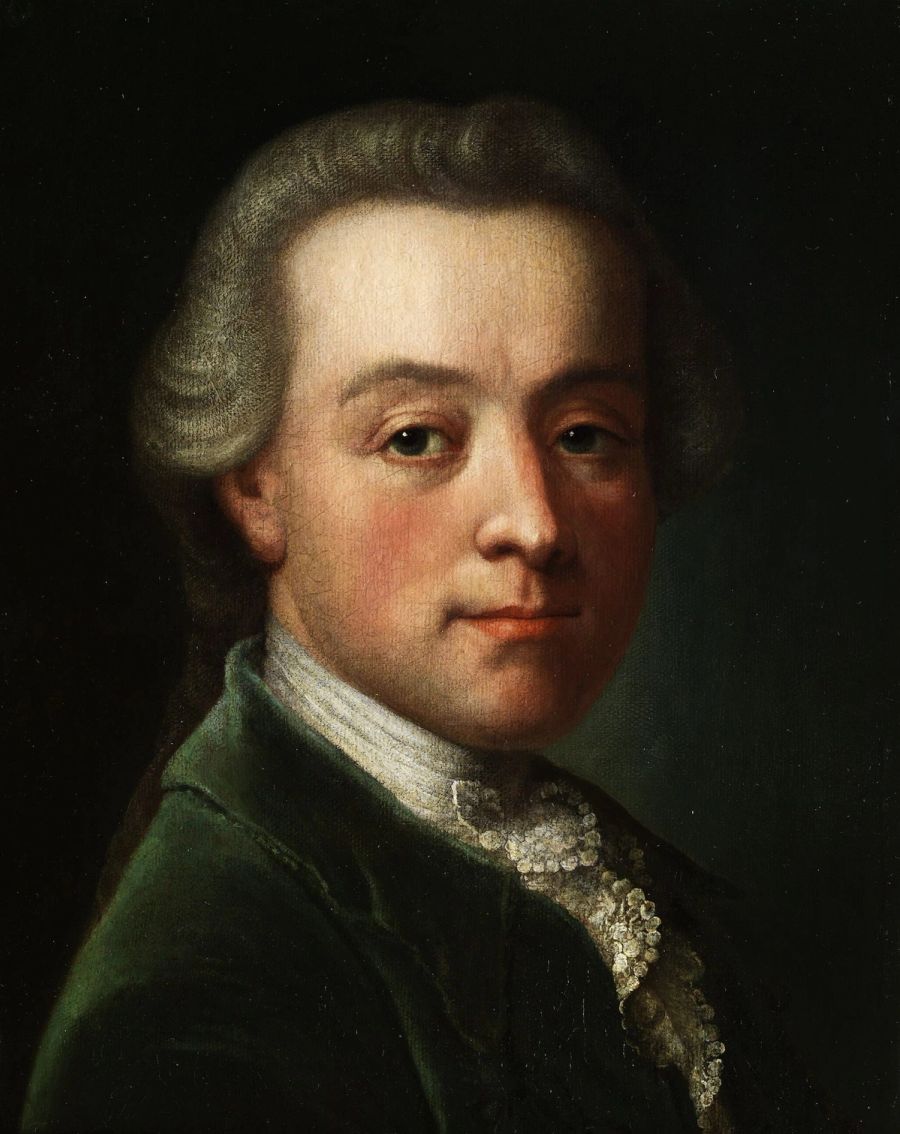
- 쾨헬 번호
- K9 550 | K6 550
- 장르
- 관현악
- 형식
- 교향곡
- 조성
- G Minor
- 날짜
- 25 7월 1788
- 장소
- Vienna
- 나이
- 32
모차르트의 교향곡 제40번 g단조 K. 550은 1788년 7월 25일에 완성되었다. 흔히 ‘위대한 g단조’ 교향곡으로 불리며, 그의 마지막 세 편의 교향곡 가운데 가운데에 놓인 작품이다. 네 악장의 구성, 불안하게 요동치는 첫 주제, 그리고 초판과 개정판 두 가지 관현악 편성을 살펴본다.
1788년 빈의 사회·정치적 풍경
교향곡 제40번의 무게를 제대로 느끼려면, 먼저 이 작품을 18세기 말 빈의 불안정한 분위기 속에 놓아야 한다. 1788년은 오스트리아 제국이 구조적 압박을 겪던 시기로, 계몽주의의 이상과 제국 전쟁의 가혹한 현실이 맞물려 있었다. [8, 9, 10]
오스트리아-튀르크 전쟁의 영향
1788년을 규정한 정치적 사건은 오스트리아-튀르크 전쟁의 발발이었다. 이 전쟁에서 황제 요제프 2세는 오스만 튀르크에 맞서 러시아 제국과 동맹을 맺게 된다. [11, 12] 전쟁은 빈의 일상과 문화적 활력에 즉각적이고도 해로운 영향을 미쳤다. 국가가 동방의 군사 원정에 관심과 국고를 쏟아붓는 사이, 수도 경제는 급격한 침체를 겪었다. [11, 12] 전반적 번영 수준이 떨어졌고, 예술 후원을 담당하던 핵심 계층인 귀족들은 중과세, 인플레이션, 새로운 고리대금 규제법으로 인해 가용 자원이 묶였다. [13, 14]
1788년 대부분의 기간 동안 황제 요제프 2세가 직접 전선에서 군을 지휘하느라 도시에 부재했던 점은, 수도의 문화적 리더십에 공백을 만들었다. [12] 1787년 궁정의 실내악 작곡가(Chamber Composer)로 임명된 모차르트에게 전쟁은, 그전까지 경력을 떠받치던 위촉 작업과 ‘아카데미’(유료 구독 방식의 공개 연주회) 수가 줄어든다는 뜻이었다. [8, 14]
경제적 배경과 후원 시스템
1780년대 후반은 음악 경제가 전환기에 놓인 시기였다. 모차르트는 1781년 빈으로 이주한 뒤 독립적으로 개최한 ‘아카데미’를 통해 성공을 거두기도 했지만, 1788년 전쟁 발발로 경기 침체가 심화되며 연주 기회가 급격히 줄었다. 1789년에 이르러 불황은 너무도 심각해져, 모차르트는 새로운 후원자를 찾아 독일로 연주 여행을 떠날 수밖에 없었다. [8, 11, 14, 16, 17]
모차르트가 ‘완전히 파산 직전이었다’는 통념은, 미묘한 논쟁의 대상이다. 전성기에는 상당한 수입을 올렸지만, 호화로운 생활양식을 관리하지 못한 점과 아내 콘스탄체의 의료비가 겹치면서 현금 유동성 위기를 자주 겪었다. [16, 17, 18] 1788년 여름 그는 고정비를 줄이기 위해 교외의 더 저렴한 거처로 옮겼으나, 사회적 체면을 낮추는 타협은 끝내 받아들이지 않으려 했다. [5, 17]
개인사와 전기적 배경: 푸흐베르크 서신
교향곡 제40번의 정서적 핵심은 종종 모차르트의 개인 서신을 통해 읽힌다. 1788년 6월부터 8월 사이, 모차르트는 친구 미하엘 푸흐베르크에게 일련의 ‘구걸 편지’를 썼다. [19, 20, 21] 이 문서들은 천재가 ‘검은 생각’과 파산을 막기 위해 대출을 애걸하는 지경으로 내몰린 모습을 보여준다. [19, 20, 21]
1788년 6월, 모차르트는 예정된 연주회 연속이 시작될 때까지 가족을 부양하려면 100굴덴이 필요하다며 푸흐베르크에게 간청했다. 그는 더 큰 규모의 장기 대출이 있다면 “근심에서 더 자유로운 마음으로” 일할 수 있을 것이라고 주장했다. 이 편지들에 배어 있는 절박함은, g단조 교향곡이 지닌 ‘불안’하고 ‘다급한’ 성격의 심리적 촉매로 자주 거론된다. [1, 5, 20, 21, 23]
‘통일된 사이클’ 가설
니콜라우스 아르농쿠르 같은 현대 음악학자들은 마지막 세 편의 교향곡(39번, 40번, 41번)이 하나의 통합된 작품으로 작곡되었다고 제안한다. [2] 이 이론은 세 곡을 일관된 미학적 호(arc)로 본다. 즉, 내림마장조(E-flat Major)는 장대한 서두, g단조는 격동의 중간, 다장조(C Major) ‘주피터’는 승리의 결말이라는 구도다. 교향곡 제40번이 느린 서주를 갖지 않으며, 피날레가 더 큰 사이클 안에서 특정한 구조적 역할을 수행한다는 점이 이를 뒷받침한다. [2]
작곡의 맥락: 1788년 ‘기적의 여름’
교향곡 제40번의 작곡 속도는 실로 놀랍다. 모차르트는 1788년 6월 26일에 교향곡 제39번(K. 543)을 자신의 목록에 기입했고, 이어 1788년 7월 25일에 교향곡 제40번(K. 550)을, 그리고 1788년 8월 10일에 교향곡 제41번(K. 551)을 완성했다. [4, 6]
모차르트 생전에 교향곡 제40번이 실제로 연주되었음을 시사하는 정황 증거도 강력하다. 클라리넷을 포함하도록 개정된 악보가 존재한다는 사실은, 1791년 4월 부르크테아터에서 안토니오 살리에리가 지휘한 특정 연주회를 위해 준비되었음을 암시한다. [4, 11, 24] 이 연주회에는 클라리넷 연주자 안톤 슈타들러가 참여했는데, 그는 모차르트가 말년에 남긴 가장 유명한 작품들 일부의 헌정 대상이기도 하다. [4, 19]
편성: g단조의 어두운 팔레트
교향곡 제40번의 관현악 편성은, 쉼 없이 진지한 성격으로 특히 두드러진다. 모차르트는 ‘영웅적’ 기운의 주의를 분산시키는 요소를 피하기 위해 오케스트라를 의도적으로 조정했다. [6]
초판과 개정판
1788년의 원래 악보는 비교적 간결했다. 플루트 1, 오보에 2, 바순 2, 호른 2, 그리고 현악으로 구성되며, 결정적으로 당시 영웅적 교향곡에 흔히 쓰이던 트럼펫과 팀파니를 제외했다. 금관과 타악이 빠지면서 g단조의 어두운 저류를 완화해 줄 제스처가 사라진다. [3, 6, 25]
1791년 개정판에서 모차르트는 클라리넷 2대를 추가하고 오보에 성부를 조정해, 몇몇 선율선을 새로운 악기로 옮겼다. [1, 3, 26] 이는 클라리넷의 표현 가능성에 대한 그의 관심이 커졌음을 보여준다. 두 버전 모두의 특징적 요소는, 서로 다른 조(G와 B-flat)의 호른 두 대를 사용한다는 점이다. 이를 통해 당시의 내추럴 호른이 더 넓은 음역에서 보다 견고한 화성적 토대를 제공할 수 있었다. [24, 25]
형식과 음악적 성격
교향곡 제40번은 네 악장으로 구성되며, 각 악장은 고전주의 소나타 사이클을 따르면서도 급진적 반음계와 리듬적 동요로 물들어 있다. [4, 7, 19]
I. Molto allegro (g단조)
1악장은 유명할 만큼 다급하다. 대담한 선언으로 시작하지 않고, 비올라의 여리고 ‘중얼거리는 듯한’ 반주로 시작하는데, 이는 동시대인들에게 ‘충격’으로 받아들여진 기법이었다. [24, 25, 27] 주제는 갈망을 환기하는 하행 2음형, 이른바 ‘만하임 한숨(Mannheim sigh)’에 기반한다. 전개부는 F-sharp minor로 갑작스럽게 휘청 들어가며 깊은 화성적 불안정을 만든다는 점에서 특히 두드러진다. [1, 28, 29]
II. Andante (E-flat major)
2악장은 처음엔 더 밝은 세계를 암시하지만, 실상은 완전한 소나타 형식의 드라마다. 모차르트는 지속적으로 맥박치듯 움직이는 8분음표와 비애를 머금은 불협화음을 사용해, 이를 단순한 목가적 간주로 흘러가게 두지 않는다. [19, 24, 25]
III. Menuetto (g단조)
미뉴에트는 결코 궁정 무도회용 춤이 아니다. ‘엄격하고’ ‘사나운’ 성격으로 묘사되며, 강력한 폴리포니와 분노에 찬 엇박의 헤미올라 리듬이 특징이다. [4, 19, 25] g장조의 트리오에서는 교향곡의 어둠 속에서 유일하게 진정한 숨 돌림이 나타나며, 아름다운 호른 이중주가 펼쳐진다. [4, 24]
IV. Finale: Allegro assai (g단조)
피날레는 끝까지 긴장을 늦추지 않는다. 빠르게 상승하는 분산화음으로 시작하는 ‘만하임 로켓(Mannheim Rocket)’으로 문을 연다. [4, 31, 32] 전개부에는 모차르트가 쓴 음악 가운데 가장 화성적으로 난해하다고 불려 온 대목이 포함되어 있다. [19, 24]
피날레의 12음열
교향곡 제40번에서 가장 많이 논의되는 디테일은, 피날레 전개부 도입의 전조 진행이다. 비평가들은 이를 20세기 음렬주의를 예고하는 ‘거의 12음열(near twelve-tone row)’로 지목해 왔다. [4, 19] 이 연쇄에서 모차르트는 반음계의 12개 음 가운데 10개를 사용하면서, 으뜸음(G)과 딸림음(D)을 의도적으로 생략한다. 음악을 지탱하는 기둥을 제거함으로써, 그는 ‘당혹과 불안’의 감각을 만들어 내며 ‘고향 조성’이라는 개념 자체가 녹아내리는 듯한 효과를 낳는다. [19, 30]
수용과 유산
역사적 수용은 변화하는 미학적 가치관을 드러낸다. 모차르트 사후 수십 년 동안 이 작품은 ‘모든 교향곡 가운데 교향곡’으로 인정받았다. [4] 흥미롭게도 19세기의 로베르트 슈만 같은 음악가들은 현대 청중이 듣는 ‘고통’을 알아채지 못했고, 이 작품에서 ‘헬레니즘적 우아함’만을 발견했다고 유명하게 말한 바 있다. [6, 24]
20세기에 이르러 인식은 작품의 ‘열정적 폭력성’을 인정하는 방향으로 이동했다. 자필 악보는 결국 요하네스 브람스가 입수했으며, 그는 이를 빈의 음악친구협회(Gesellschaft der Musikfreunde)에 기증했다. 이는 전문 음악가들 사이에서 이 작품이 얼마나 높은 평가를 받았는지를 보여준다. [2, 6, 7]
영향과 해석상의 주석
- 슈베르트에게 미친 영향: 프란츠 슈베르트의 교향곡 제5번은 종종 직접적 헌정(오마주)으로 간주되며, 모차르트 초판과 동일한 편성을 채택한다. [27]
- ‘한숨’ 대 ‘로켓’: 1악장의 ‘한숨’과 4악장의 ‘로켓’이 맞물리며 대칭적인 정서적 호를 이룬다. 조용한 절망에서 시작해 비극적 활력으로 끝난다. [1, 28, 32]
- 프리메이슨의 저류: 일부 학자들은 교향곡의 ‘빛을 향한 투쟁’(g장조 트리오)과 ‘어둠’으로의 회귀를 모차르트의 프리메이슨 참여와 연결 짓는다. [15, 23]
결론
g단조 교향곡 제40번은 ‘고전적 품위라는 코르셋’을 유지한 채 ‘영혼의 심연’을 파고드는 모차르트의 능력을 증언한다. [4, 5, 27] 초판의 날카로운 목관 음색으로 듣든, 클라리넷을 더한 개정판의 한층 따뜻한 색채로 듣든, 이 작품은 음악사에서 가장 개인적이며 심오한 성취 가운데 하나로 남아 있다. [4, 6, 7]
악보
Virtual Sheet Music®에서 교향곡 제40번 g단조, ‘위대한 g단조 교향곡’ 악보 다운로드 및 인쇄
출처
Sources
1) Symphony No. 40 in G Minor, K. 550 | Mozart & Description | Britannica, used March 4, 2026, https://www.britannica.com/topic/Symphony-No-40-in-G-Minor
2) Mozart: Symphony No. 40 in G Minor - K. 550 | Royalty Free Classical Music, used March 4, 2026, https://www.classicals.de/mozart-k550
3) Mozart: Symphony No. 40 in G Minor, K. 550 - Ficks Music, used March 4, 2026, https://www.ficksmusic.com/products/mozart-symphony-no-40-in-g-minor-k-550-alfred
4) Symphony No. 40 (Mozart) - Wikipedia, used March 4, 2026, https://en.wikipedia.org/wiki/Symphony_No._40_(Mozart)
5) Mozart: Symphony No. 40 | Indianapolis Symphony Orchestra, used March 4, 2026, https://www.indianapolissymphony.org/backstage/program-notes/mozart-symphony-no-40/
6) Symphony No. 40 - Boston Symphony Orchestra, used March 4, 2026, https://www.bso.org/works/symphony-no-40
7) Program Notes: Mozart, Brahms & Schumann - Jacksonville Symphony, used March 4, 2026, https://www.jaxsymphony.org/mozart-brahms-and-schumann/
8) Wolfgang Amadeus Mozart | Wirth Institute for Austrian and Central European Studies - University of Alberta, used March 4, 2026, https://www.ualberta.ca/en/wirth-institute/online-programming/original-series/composers-of-central-europe/wolfgang-amadeus-mozart.html
9) Centers of Progress, Pt. 20: Vienna (Music), used March 4, 2026, https://humanprogress.org/centers-of-progress-pt-20-vienna-music/
10) Daily Life in the Vienna of Mozart and Schubert by Marcel Brion | Goodreads, used March 4, 2026, https://www.goodreads.com/book/show/18339417-daily-life-in-the-vienna-of-mozart-and-schubert
11) Wolfgang Amadeus Mozart - Biography | Deutsche Grammophon, used March 4, 2026, https://www.deutschegrammophon.com/en/composers/wolfgang-amadeus-mozart/biography
12) 1788–1791: Austro-Turkish War | Mozart & Material Culture, used March 4, 2026, https://mmc.kdl.kcl.ac.uk/entities/event/austro-turkish-war/
13) Orchestral Music and Concert Activities (Chapter 11) - Mozart in Vienna, used March 4, 2026, https://www.cambridge.org/core/books/mozart-in-vienna/orchestral-music-and-concert-activities/F8EE26246CF293BC3319DE253764831E
14) 1788–90: Later Years | Wolfgang Amadeus Mozart (1756–1791) | Stories Preschool, used March 4, 2026, https://www.storiespreschool.com/mozart9.html
15) What historical events during Mozart's lifetime affected his music the most? - Reddit, used March 4, 2026, https://www.reddit.com/r/classicalmusic/comments/1cb9ree/what_historical_events_during_mozarts_lifetime/
16) Mozart and Finances (Chapter 20) - Cambridge University Press & Assessment, used March 4, 2026, https://www.cambridge.org/core/books/mozart-in-context/mozart-and-finances/3C5E1ABE57A34457F6EFA312BF00573B
17) How Mozart Made — and Nearly Lost — a Fortune - Biography, used March 4, 2026, https://www.biography.com/musicians/mozart-pauper-lost-fortune
18) Mozart in Vienna: a guide, used March 4, 2026, https://www.visitingvienna.com/footsteps/mozart/
19) Symphony No. 40 - Redwood Symphony, used March 4, 2026, https://redwoodsymphony.org/piece/symphony-no-40-mozart/
20) Mozart Minute: Mozart Is Desperately Broke. Really. | WOSU Public Media, used March 4, 2026, https://www.wosu.org/podcast/classical-101-podcasts/2015-07-10/mozart-minute-mozart-is-desperately-broke-really
21) What Mozart's letters reveal about the composer's complexities - Colorado Public Radio, used March 4, 2026, https://www.cpr.org/2014/09/29/what-mozarts-letters-reveal-about-the-composers-complexities/
22) Dearest brother! [Vienna, June 1788] … - DME Mozarteum, used March 4, 2026, https://dme.mozarteum.at/DME/objs/raradocs/transcr/pdf_eng/1076_WAM_Puchberg_1788.pdf
23) Most honourable B. O! [Vienna, before 17th June 1788] … - DME Mozarteum, used March 4, 2026, https://dme.mozarteum.at/DME/objs/raradocs/transcr/pdf_eng/1077_WAM_Puchberg_1788.pdf
24) Symphony No. 40 in G Minor, K. 550, Wolfgang Amadeus Mozart - Los Angeles Philharmonic, used March 4, 2026, https://www.laphil.com/musicdb/pieces/5203/symphony-no-40-in-g-minor-k-550
25) Dartmouth Symphony Orchestra - Hopkins Center for the Arts, used March 4, 2026, https://hop.dartmouth.edu/events/dartmouth-symphony-orchestra-7
26) Mozart: Symphony No. 40 in G Minor, K. 550 - Bärenreiter US, used March 4, 2026, https://www.barenreiter.us/products/mozart-symphony-no-40-in-g-minor-k-550-barenreiter
27) Behind the Musik: Mozart 40 & Schubert 5 - Tafelmusik, used March 4, 2026, https://tafelmusik.org/explore-baroque/articles/behind-the-musik-mozart-40-schubert-5/
28) School of Music | Faculty of Fine Arts - University of Victoria, used March 4, 2026, https://finearts.uvic.ca/music/calendar/wp-content/uploads/2021/09/2021-10-15-Wind-Symphony-UViSO.pdf
29) Ligeti's Laments: Nostalgia, Exoticism, and the Absolute, used March 4, 2026, https://dokumen.pub/ligetis-laments-nostalgia-exoticism-and-the-absolute-9781409400417.html
30) Orchestra of the Age of Enlightenment/Simon Rattle – Mozart's Last Three Symphonies – 39, 40, 41 (Jupiter), K. 543, K. 550, K. 551 - The Classical Source, used March 4, 2026, https://www.classicalsource.com/concert/orchestra-of-the-age-of-enlightenment-simon-rattle-mozarts-last-three-symphonies-39-40-41-jupiter-k543-k550-k551/
31) Mannheim School - Wikipedia, used March 4, 2026, https://en.wikipedia.org/wiki/Mannheim_school
32) Mannheim Rocket Program Book - Australian Romantic & Classical Orchestra, used March 4, 2026, https://nicole-vanbruggen.squarespace.com/s/Mannheim-Rocket-Program-Book-a9dm.pdf
33) Volume 15, June 2022: Different Strokes: Giambattista Cimador's chamber music arrangement of Mozart's Haffner (No. 35) and Paris (No. 31) Symphonies - OJBR, used March 4, 2026, https://www.ojbr.com/volume-15-complete.asp
34) Mozart's Symphony No. 40 (first movement) – performed live by the London Mozart Players - YouTube, used March 4, 2026, https://www.youtube.com/watch?v=BJPmYURJk4c