Aria for Soprano in E♭ major, “No, no, che non sei capace” (K. 419)
볼프강 아마데우스 모차르트 작
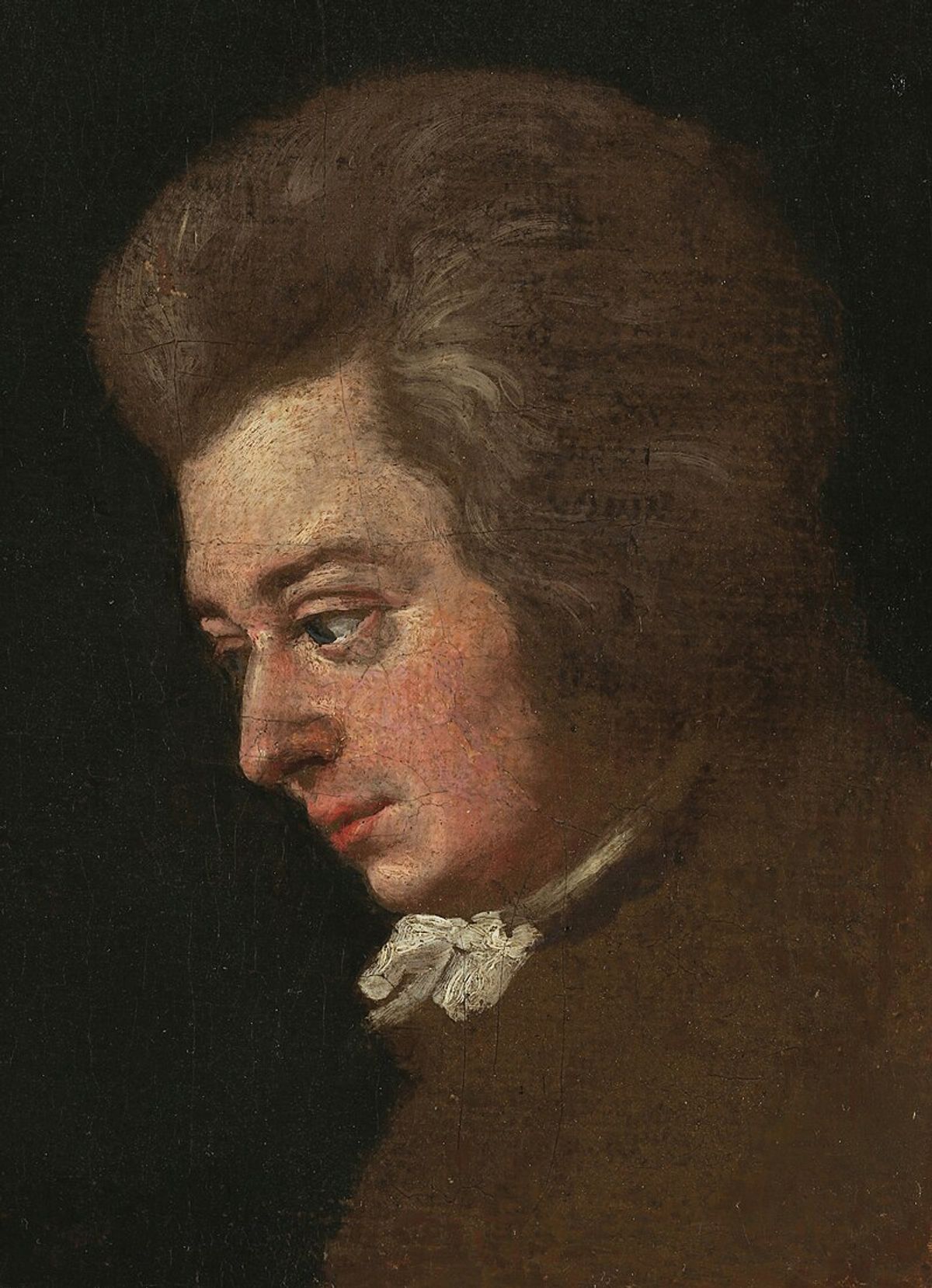
Mozart’s Italian soprano aria “No, no, che non sei capace” (K. 419), composed in Vienna in June 1783, is a sharply characterized insertion number written for the virtuosa Aloysia Weber. Though not among the most frequently excerpted concert arias today, it offers a vivid glimpse of how Mozart could tailor theatrical rhetoric and vocal brilliance to a specific singer and occasion.
Background and Context
In 1783, Mozart was newly established in Vienna, navigating a mixed freelance life of teaching, composing, and public performance while sharpening his instincts for the city’s opera world. No, no, che non sei capace (K. 419) belongs to that practical theatrical ecosystem: it was written as an insertion aria—a substitute number slipped into an existing opera for a particular production and singer.




As an Amazon Associate we earn from qualifying purchases.
The singer was Aloysia Weber (later Mozart’s sister-in-law), for whom he composed several demanding concert and stage arias. For a Vienna performance of Pasquale Anfossi’s opera buffa Il curioso indiscreto, Mozart provided additional arias including K. 418 and K. 419 at Weber’s request, effectively giving her new “showpiece” material within someone else’s score [1]. That context explains the aria’s directness: it is designed to make an immediate impact, projecting personality as much as beauty.
Text and Composition
The text is in Italian and functions like operatic dialogue turned into a self-contained scena: a pointed refusal (“No, no…”) and a corrective address to an interlocutor. While Mozart’s concert arias often expand into multi-part structures (recitative plus aria, or aria plus rondò), K. 419 is typically transmitted as a single aria movement for soprano and orchestra [2].
Catalogues date the work to June 1783 in Vienna, aligning it with Mozart’s burst of Viennese vocal writing for Weber [3]. This dating situates K. 419 alongside other pieces that test a soprano’s ability to move between cantabile line and agile passagework—music written not for abstract “voice,” but for a known performer with a public reputation.
Musical Character
K. 419 is in E♭ major, a key Mozart often uses for music that is poised, bright, and socially “public” in tone—apt for an aria meant to command attention quickly. The scoring is that of a compact Classical theater orchestra, with winds adding color and bite to the vocal line:
- Winds: 2 oboes, 2 bassoons
- Brass: 2 horns
- Strings: violins I & II, viola, cello, double bass [4]
What makes the aria distinctive is its blend of stage rhetoric and concert-style finish. The vocal writing is alert to consonants and declamation—ideal for delivering a reprimand or a pointed argument—yet it also gives the soprano opportunities for brilliance and control, the kind of tailored virtuosity that flatters a star singer without derailing dramatic clarity. In miniature, it previews a hallmark of Mozart’s mature operatic style: character conveyed through timing, contour, and orchestral commentary, not merely through display.


As an Amazon Associate we earn from qualifying purchases.
악보
Virtual Sheet Music®에서 Aria for Soprano in E♭ major, “No, no, che non sei capace” (K. 419) 악보 다운로드 및 인쇄
[1] Background on Anfossi’s Il curioso indiscreto and Mozart’s insertion arias (K. 418–419) for a Vienna performance (Wikipedia).
[2] IMSLP work page for K. 419 (genre, scoring context, sources and scans).
[3] Köchel catalogue table entry indicating K. 419 as an aria for soprano, dated June 1783 in Vienna (Wikipedia).
[4] Instrumentation statement for K. 419 (2 oboes, 2 bassoons, 2 horns, strings) in a reference discussion of the related insertion aria K. 418 (Wikipedia).