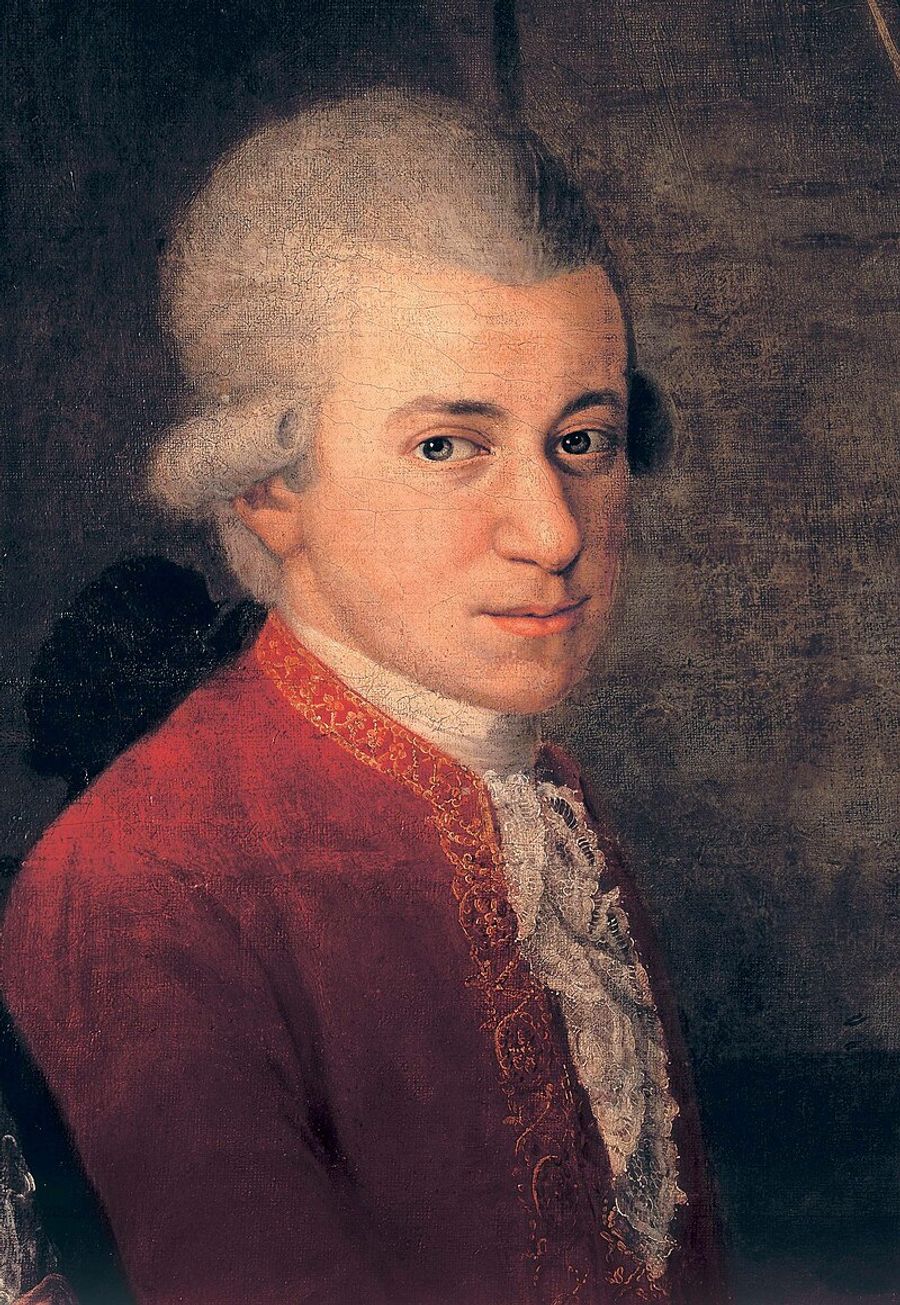
- 쾨헬 번호
- K9 387 | K6 387
- 장르
- 실내악
- 형식
- 현악 사중주 & 관악 사중주
- 조성
- G Major
- 날짜
- 31 12월 1782
- 장소
- Vienna
- 나이
- 26
모차르트의 현악 사중주 14번 G장조(K. 387)는 1782년 12월 31일 빈에서 완성되었으며, 훗날 그가 요제프 하이든에게 ‘오랜 시간과 노고의 결실’로 바친 여섯 곡의 ‘하이든 사중주’ 연작의 문턱에 서 있는 작품이다. 흔히 ‘봄’ 사중주라는 별칭으로 불리지만(모차르트가 붙인 이름은 아니다), 이 곡은 호의적이고 빛나는 표면 아래에 유난히 엄격한 대위적 상상력을 균형 있게 숨겨 두고 있으며, 특히 피날레에서는 푸가를 박물관적 과시가 아니라 살아 있는 극적 동력으로 다룬다.
배경과 맥락
볼프강 아마데우스 모차르트(1756–1791)가 1780년대 초 빈 생활에 자리를 잡아가던 무렵, 그는 현악 사중주가 일종의 작곡적 실험장이 되어 있는 음악 생태계 속으로 들어갔다. 규모는 친밀하지만 투명성이 냉정할 정도로 가차 없고, 무엇보다 요제프 하이든 덕분에 재치 있는 대화와 진지한 논증을 모두 담아낼 수 있는 장르였다. 빈에서 새로운 사중주 연작에 몰두하기로 한 모차르트의 선택은 단순한 유행 추종이 아니었다. 이 장르는 당시 그가 점점 더 집요하게 파고들던 문제들을 시험할 수 있는 실험실을 제공했다. 음악적 ‘성부’의 동등한 지위, 긴밀한 동기 작업이 지닌 표현 가능성, 그리고 현대적이고 공적인 양식 안에서 학구적 대위법을 되살리는 일 말이다.
여기에는 서로 겹쳐지는 두 가지 빈의 맥락이 그림을 또렷하게 만든다. 첫째는 하이든과의 우정, 그리고 하이든의 ‘새롭고 특별한 방식’의 사중주 작법(1781년 출판된 하이든 Op. 33)에 대한 모차르트의 자각이다. 둘째는 고트프리트 판 슈비텐 남작의 일요일 모임을 통해 바로크 대위법에 깊이 잠긴 경험이다. 그곳에서는(모차르트가 1782년 4월 10일 아버지에게 쓴 편지에서 말하듯) “헨델과 바흐 외에는 아무것도” 연주되지 않았으며, 이 경험은 같은 해 바흐 푸가를 현악을 위해 편곡한 모차르트 자신의 작업(K. 405)과도 연결된다.[2][3]
따라서 K. 387은 정중한 ‘세트의 첫 곡’이라기보다 의도적으로 내놓은 방법론적 선언에 가깝다. 모차르트는 이 작품에서 사중주를 네 명의 독주자처럼—각 파트에 개성을 부여한 채—행동하게 만들 수 있는 한계를 시험하되, 빈의 청중이 기대하던 사회적 우아함과 즉각성을 잃지 않게 한다. 유명한 별칭 ‘봄’은 여기서 오히려 오해를 부를 수 있다. 작품이 확실히 찬란하긴 하지만, 동시에 촘촘히 짜였고, 고전적 우아함이 대위적 사유의 무게를 감당하도록 만드는 방식에서 종종 대담함마저 드러내기 때문이다.[1]
작곡과 헌정
모차르트는 자필 악보에 이탈리아어로 “li 31 di decembre 1782 in Vienna”라고 날짜를 적어 두었다. 이 구체성은 중요하다. K. 387은 ‘빈 초기’라는 대략적 범주에 묶이는 산물이 아니라, 달력의 전환점에 스스로 의식적으로 위치시킨 작품이다. 마치 사중주 작곡의 한 장을 닫고 다른 장을 여는 듯한 느낌을 준다.[4]
K. 387은 1782년에 작곡되었지만, 여섯 곡의 ‘하이든’ 사중주는 훗날에야 한 묶음으로 출판되었고, 그때 비로소 하이든에게 명시적으로 바쳐졌다. 헌정 서한(1785년 9월 1일자)에서 모차르트는 이 연작을 놀라울 만큼 개인적인 말로 규정한다. “여기 있습니다… 제 여섯 아이들입니다.”라고 하이든에게 말하며, 이를 “오랜 시간과 노고의 결실”이라 부른다. 이 수사는 단순한 아첨의 의례가 아니다. 이는 이 사중주들이 유난히 ‘공들여’ 만든 작품들이며—외부의 위촉이 아니라 스스로 부과한 기준 아래 다듬어진—그 성공은 통찰력 있는 보호자이자 옹호자에게 달려 있음을 모차르트가 알고 있었다는 신호다.[5]
이 헌정은 또한 K. 387이 왜 외향적이면서도 내밀하게 들릴 수 있는지 설명해 준다. 외향적인 이유는, 작품이 끊임없이 ‘보여주기’ 때문이다—짜임새의 눈부심, 발상의 풍부함, 시간 운영의 솜씨를. 내밀한 이유는, 가장 결정적인 효과들(갑작스러운 대위적 응축, 내성에서 드리우는 카논의 그림자, 교묘한 리듬의 어긋남)이 소리의 내부에 귀를 기울이는 청중을 전제하기 때문이다. 이 사중주는 어떤 의미에서 홀만큼이나 방을 위해 쓰인 음악이다. 즉 하이든 자신이 체현했던, 집중적이고 음악가적인 청취를 위한 작품이다.
형식과 음악적 성격
I. Allegro vivace assai (G장조)
서주는 종종 ‘계절’의 어휘—신선함, 밝음, 경쾌함—로 묘사되지만, 진짜 핵심은 공예적 솜씨에 있다. 모차르트는 짧고 수다스러운 듯한 아이디어로 시작해 이를 빠르게 대화로 쪼갠다. 제1바이올린이 관습적으로 군림하도록 내버려 두지 않고, 다른 파트들이 응답하고, 겹치고, 때로는 반박하도록 만든다. 수월하게 들리는 것의 상당 부분은 통제된 동기 경제의 산물이다. 작은 세포들이 계속 순환하며 성부 사이를 이동하고, 음역 변화로 다시 빛을 얻는다.
눈여겨볼 대목은 모차르트가 모방을 어떻게 활용하는가이다. 악장을 학구적 연습문제로 만들지 않으면서도, 카논적 진입과 촘촘한 모방을 자연스럽게 드러낸다. 이는 대위법을 과시하려는 것이 아니라, 대화에서 예의처럼 기능한다. 한 연주자가 다른 연주자의 구절을 반복하는 것은 ‘학식’을 뽐내기 위해서가 아니라, 반복이 의미를 분명히 하고 긴장을 축적하는 방식이기 때문이다. 즉 K. 387은 고전적 1악장에 학구적 작법을 ‘덧붙이는’ 것이 아니라, 학구적 기법이 고전적 수사가 무엇이 될지를 형성하도록 만든다.
II. Menuetto: Allegro (G장조) — 트리오(G단조)
모차르트의 미뉴에트는 단지 궁정풍의 삽화가 아니다. 강세와 구절 짜임은 일종의 탄력 있는 운동성을 띠며, 내성은 계속해서 자칫 단순해질 수 있는 흐름을 복잡하게 만든다. 반면 트리오에서 G단조로의 전환은 더 어두운 결을 들여온다. 감상적 한숨이라기보다 조명이 바뀌는 듯한 변화에 가깝다.
특히 모차르트적인 점은, 이 어둠이 끝까지 실내악적 현상으로 남는 방식이다. 오케스트라적 중량감이 아니라 성부 배치, 음역 간격, 가까운 파트들 사이의 마찰을 통해 표현된다. 그래서 이 악장의 성격은 앙상블이 함께 어떻게 ‘숨 쉬는가’—어디서 조여 들고, 어디서 풀리며, 어떤 성부가 전면으로 나서도록 허용되는가—에 의해 만들어진다.
III. Andante (C장조)
느린 악장은 모차르트의 사중주 작법이 ‘독주+반주’ 사고에서 가장 분명히 멀어지는 지점이다. 제1바이올린이 노래하는 것은 사실이지만, 그 노래는 다른 악기들이 그것으로 무엇을 하느냐에 따라 계속해서 다시 틀 지워진다. 비올라와 제2바이올린은 단지 화성을 제공하는 데 그치지 않고 논평을 덧붙이며, 첼로는 베이스 기능에만 머무르지 않고 선율을 빚는 파트너처럼 행동하는 경우가 많다.
해석적으로 이 악장은 서로 보완적인 두 방식으로 읽을 수 있다. 하나는 바깥 악장들 사이의 서정적 ‘휴식’으로 듣는 것이고, 다른 하나는 사중주의 윤리적 중심—악기들이 획일화되지 않으면서도 합의하는 법을 배우는 장소—으로 듣는 것이다. 두 번째 독법은 연주자들이 이 악장에서 유난히 투명한 균형을 지향하는 이유를 설명해 준다. 비브라토나 루바토가 과해지면, 모차르트가 짜 넣은 미세한 상호성의 결이 음향 속에서 흐려질 수 있기 때문이다.
IV. Molto allegro (G장조)
피날레는 이 작품의 가장 노골적인 선언문이다. 모차르트는 푸가 주제를 쓰고(그리고 이를 진지한 대위적 엄밀성으로 다룬다)도, 악장이 박물관의 푸가처럼 행동하도록 내버려 두지 않는다. 대신 푸가적 절차를 더 넓은 소나타적 드라마 속으로 접어 넣는다. 에피소드는 논증을 가속하고, 종지는 연극적 타이밍의 지점이 되며, 네 악기 사이에 주제와 대주제를 배분하는 방식은 스포트라이트가 회전하는 듯한 감각을 만든다.[1]
이 피날레를 특히 현대적으로 만드는 것은 그것이 단지 ‘푸가’이기 때문이 아니라, 대위법을 표현적 결과를 낳는 주제로 다룬다는 점이다. 즐거움은 부분적으로 지적이다. 청중은 진입, 전위, 스트레토에 가까운 응축을 따라갈 수 있다. 그러나 더 깊은 전율은 운동감에 있다. 대위법이 추진력을 만들어 내며, 각 성부가 독립적이면서도 전체에 책임을 지게 함으로써 음악을 앞으로 몰아간다. 이런 의미에서 이 악장은 슈비텐 주변에서의 바흐 중심 활동과 바흐 푸가의 현악 편곡(K. 405)과 같은 빈의 순간에 속한다. 그 시기 모차르트에게 대위법은 양식적 장식이 아니라 극적 추진력의 원천이 되었기 때문이다.[2][3]
여기서는 연주 관행에서 작지만 의미 있는 해석 논쟁이 자주 생긴다. 피날레를 승리감 있는 ‘학구적’ 종결로 들려줄 것인가(단단하고 거의 건축적인 안정감으로), 아니면 번뜩이는 희극적 추격전처럼 들려줄 것인가(가벼운 아티큘레이션, 탄력 있는 빠르기, 그리고 날카롭게 성격화된 주고받기). 악보는 두 충동을 모두 지지한다. 모차르트의 천재는, 이 악장이 학문과 놀이를 동시에—미소를 머금고 주장하는 논증처럼—들리게 할 수 있다는 데 있다.
수용과 유산
K. 387이 장기적으로 누리는 명성은 이중 정체성에 있다. 즉각 사랑스럽지만, 계속해서 놀라움을 준다. 대위법을 의식적으로 추적하지 않는 청중조차도 그 효과를 느끼기 마련이다. 전환에서의 이례적인 필연성, 앙상블 상호작용에서의 고조된 긴장감, 그리고 순수한 음악적 ‘사유’에서 오는 듯한 피날레의 황홀감 말이다.
역사적으로도 이 사중주는 모차르트가 하이든과 벌인 지속적 대화의 첫 수를 놓는 작품이다. 1785년 여섯 사중주를 하이든에게 바친 헌정은 애정 어린 ‘아이들’ 은유로 자주 인용되지만, 그 더 깊은 함의는 예술적이다. 모차르트는 이 작품들을 통해 자신이 당대 빈에서 가장 까다로운 실내악 장르를 숙달했을 뿐 아니라 변형해 냈음을 증거로 제시하고 있다.[5] 그 연작에서 첫 번째로 완성된 사중주인 K. 387은 이미 전체 사이클을 독특하게 만들 균형을 보여 준다. 대중적 즉시성과 작곡적 엄밀함의 결합, 그리고 서정성과 대위적 강도를 모두 실어 나를 수 있는 ‘대화하는’ 사중주 텍스처가 그것이다.
‘봄’이라는 별칭은 이 사중주의 대중적 인기에 도움이 되었지만, 작품의 진짜 유산은 ‘명랑한’ 음악이 무엇일 수 있는지를 다시 정의하는 데 있다. 모차르트에게 밝음은 복잡성의 부재가 아니라, 복잡성이 쾌락으로 들리게 된 상태다. 그래서 K. 387은 사중주 레퍼토리의 중심에 남아 있다. 이 작품은 자신이 조용히 요구하는 청취—네 성부의 대화에서 매력과 사유를 함께 듣는 청취—에 계속해서 보답하기 때문이다.
출처
[1] Wikipedia — overview of String Quartet No. 14 in G major, K. 387 (structure, nickname, movements).
[2] Boston Baroque — contextualizes Mozart’s 10 April 1782 letter about playing Handel and Bach at van Swieten’s Sundays and links it to Mozart’s Bach-related string arrangements.
[3] AllMusic — reference entry for Mozart’s K. 405 fugue arrangements for string quartet (date and identification).
[4] Spanish Wikipedia — notes the autograph inscription dating K. 387 to 31 December 1782 in Vienna.
[5] Wolferl.us — English text of Mozart’s dedication letter to Joseph Haydn (1 September 1785) describing the six quartets as his “children” and “long and laborious efforts.”