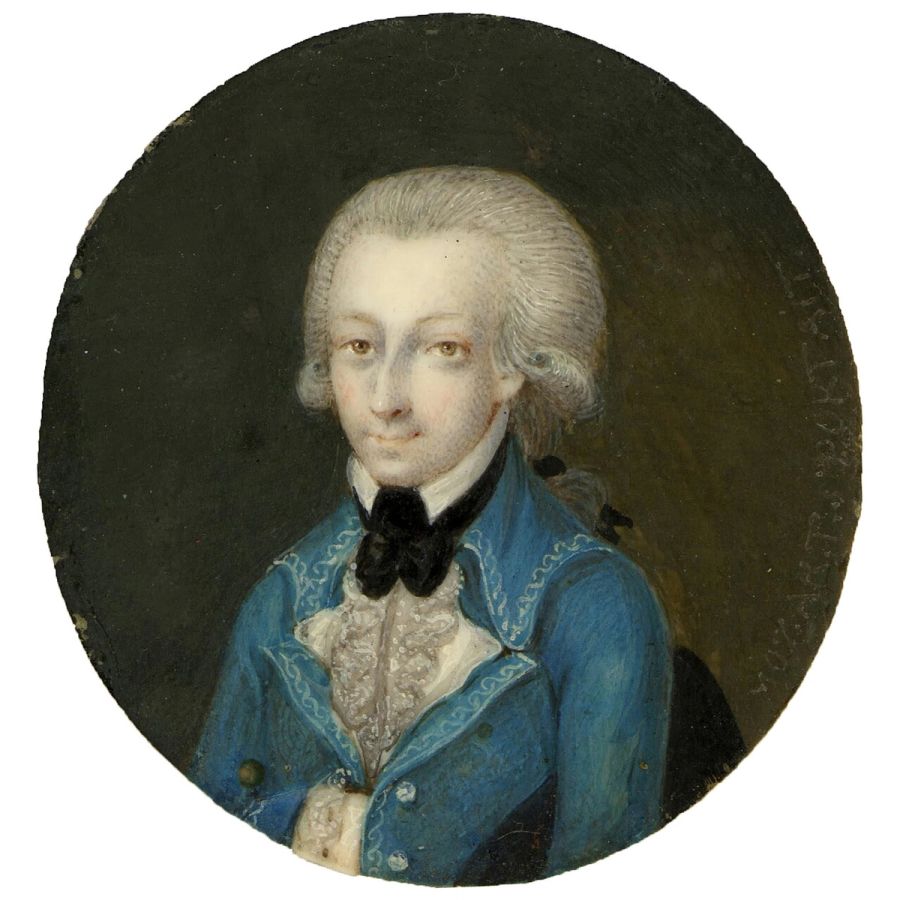
- 쾨헬 번호
- K9 175 | K6 175
- 장르
- 협주곡
- 형식
- 피아노 협주곡
- 조성
- D Major
- 날짜
- 12월 1773
- 장소
- Salzburg
- 나이
- 17
모차르트가 1773년 잘츠부르크 시절에 작곡한 피아노 협주곡 제5번 D장조 K. 175는 그의 최초의 ‘완전한 자작’ 피아노 협주곡으로, 이후 빈에서 새 피날레 K. 382로 개정되며 중요한 이정표가 된 작품이다.
배경과 작곡 (1773)
볼프강 아마데우스 모차르트는 1773년 12월, 겨우 17세의 나이에 피아노 협주곡 제5번 D장조 K. 175를 작곡했다[1]. 이 작품은 모차르트의 최초 오리지널 피아노 협주곡이라는 점에서 특별한 위치를 차지한다. 앞선 네 곡의 협주곡은 다른 작곡가(특히 요한 크리스티안 바흐)의 음악을 편곡한 것이었지, 전적으로 새로운 작곡은 아니었기 때문이다[1]. 협주곡을 쓰던 당시 모차르트는 이탈리아와 유럽 여러 지역을 폭넓게 여행하며 최신 음악 경향을 흡수한 뒤 막 잘츠부르크로 돌아온 참이었다. 1773년의 잘츠부르크는 신성 로마 제국의 작은 도시였지만 문화적으로는 활발한 궁정 도시였고, 대주교이자 제후인 히에로니무스 폰 콜로레도 대주교가 통치하고 있었다. 모차르트는 그해 잘츠부르크 궁정 음악가로 임명되어 다양한 장르를 작곡할 기회를 누렸다[2]. 그러나 잘츠부르크에서의 삶은 엄격한 후원자 아래 지방 궁정의 분위기를 헤쳐 나가야 한다는 뜻이기도 했다. 한편 계몽주의가 무르익고, 하이든과 글루크 같은 작곡가들이 유럽 음악계에서 두각을 나타내던 시기이기도 했다.
이 협주곡을 작곡한 동기는 확실히 기록으로 남아 있지 않다. 다만 모차르트가 직접 독주자로서 건반 기량을 과시하기 위해 썼을 가능성이 크며, 뛰어난 건반 연주자이기도 했던 누이 난네를을 위한 작품이었을 가능성도 있다[3]. 일부 음악학자들은 잘츠부르크 궁정에서의 직무의 일환으로, 공개 연주회나 학술적 의식을 위해 작곡했을지도 모른다고 추정한다[3]. 1773년 말 무렵, 모차르트는 어린 나이에도 이미 25곡이 넘는 교향곡과 여러 오페라를 포함해 수십 편의 중요한 작품을 남긴 상태였다[4]. 피아노 협주곡 장르로의 진출은 그에게 자연스러운 다음 단계였고, 그는 이 장르에 상당한 공을 들여 접근했다. 모차르트는 훗날 한 편지에서 이 협주곡을 자랑스럽게 언급했는데, 서신에서 자주 거론할 만큼 분명히 애호하던 작품이었다[5]. (현재는 소실된) 자필 악보에는 이탈리아어로 “Concerto per il Clavicembalo… nel Decembre 1773,”라는 표제가 적혀 있어, 이 작품이 일반적으로 건반 악기(clavicembalo)를 염두에 두고 구상되었음을 보여 준다[5]. 모차르트 시대에 “clavicembalo”는 하프시코드를 뜻하기도 했고, 더 넓게는 건반 악기 전반을 가리키기도 했다. 실제로 포르테피아노는 아직 비교적 새로운 발명품이었다. 현대 연구자들은 독주 파트에 셈여림표가 거의 없다는 점(손의 터치로 음량을 조절할 수 없는 오르간에서도 연주 가능했을지 모른다는 점을 시사)을 지적한다[6]. 어쨌든 5번 협주곡은 1770년대 고전주의 시대의 큰 흐름 속에서, 잘츠부르크 시절의 배경 위에 쓰인 모차르트의 첫 ‘자작’ 피아노 협주곡이라는 의미를 지닌다.
편성 및 관현악법
D장조 협주곡 K. 175에서 특히 눈에 띄는 점은 관현악 편성이다. 모차르트는 당시의 전형적인 고전주의 관현악단을 동원해, 오보에 2대, D관 호른 2대, D관 트럼펫 2대, 팀파니, 그리고 현악기군(여기에 독주 건반 악기)을 위해 악보를 썼다[7]. 주목할 점은, 이 곡이 훨씬 뒤의 협주곡(협주곡 제10번, K. 365)이 나오기 전까지 모차르트의 협주곡 가운데 트럼펫과 팀파니를 포함하는 유일한 작품이라는 사실이다[7]. 이 악기들의 포함은 교향곡이나 의식용 작품에서 흔히 들을 수 있는 축제적이고 장중한 음향을 더한다. 다만 트럼펫과 팀파니는 양 끝의 빠른 악장에서만 사용되는데, 이는 고전주의 시대의 관례대로 느린 2악장에서 이 악기들을 제외하여 보다 부드럽고 친밀한 음색을 확보하기 위해서였다[7]. 전체적인 음색 윤곽은 밝고 경축적이며, 트럼펫과 잘 어울린다고 여겨지곤 하는 D장조의 광채를 활용해 독주 피아노의 반짝이는 패시지와 서로를 돋보이게 한다. 한 평자에 따르면, 이 협주곡에서의 대규모 오케스트라 선택은 잘츠부르크의 청중과 후원자들에게 ‘정교하게 다듬어진’ 화려한 작품으로 깊은 인상을 주려는 의도를 반영했을지도 모른다[8].
덧붙이자면, 모차르트는 훗날 빈에서 이 협주곡을 개정하면서 편성에 작은 변화를 주었는데, 관현악에 플루트를 추가했다[1]. 1782년 모차르트는 이 작품을 위해 새로운 피날레(아래에서 논의)를 준비했고, 그 개정판에서는 플루트가 합류해 음색을 한층 풍부하게 만든다. 그러나 1773년의 원형만으로도 피아노 협주곡 제5번은 풍성한 관현악적 필치로 두드러지며, 건반 악기가 목관·호른과의 대화, 그리고 경축적인 트럼펫·팀파니 효과 속에 능숙하게 통합되어 있다.
형식과 음악적 특징
모차르트의 피아노 협주곡 제5번은 고전주의 시대의 전형적인 3악장 협주곡 구조(빠름–느림–빠름)를 따른다. 각 악장은 고유의 성격과 형식을 지니며, 모차르트가 이 장르를 얼마나 일찍부터 능숙하게 다루었는지를 보여 준다.
- I. Allegro (D장조): 1악장은 밝고 자신감 넘치는 Allegro로, 협주곡-소나타 형식으로 쓰였다. 먼저 관현악의 서주가 주요 주제를 제시하고, 이어 독주자가 등장한다. 모차르트는 즐거운 성격의 두 핵심 주제를 사용하며, 종종 위로 도약하는 음형을 바탕으로 구성해 음악에 고양된 에너지를 부여한다[9]. 피아노 파트는 찬란하고 건반을 가로지르는 기교적 패시지로 가득해, 이미 연주자에게 상당한 난도를 요구한다. 악장 전체에서 피아노와 오케스트라의 상호작용은 균형 잡히고 활기차며, 시작부터 끝까지 D장조의 햇살 같은 생기를 유지한다[9]. (모차르트는 훗날 이 악장을 위한 카덴차를 직접 적어 두었는데, 현재 두 가지 서로 다른 카덴차가 전해진다. 이는 그가 이 악장을 실제로 연주하며 여러 연주회에서 즉흥적 변주를 달리했음을 시사한다[10].)
- II. Andante ma un poco adagio (G장조): 2악장은 부드러운 대비를 제공한다. 딸림아래조(서브도미넌트)인 G장조로 설정되어 있으며, Adagio 쪽으로 기운 Andante로 인해 느긋하고 서정적인 인상을 준다. 여기서는 분위기가 우아하고 친밀하게 바뀌며, 트럼펫과 팀파니는 침묵하고 현악기와 목관악기가 피아노와 함께 조용히 대화를 나누도록 한다[7]. 모차르트는 아래로 흐르는 노래하듯한 윤곽(부드러운 하행 동기)을 지닌 다정한 주제를 제시하여, 사색적인 평온을 음악에 불어넣는다[11]. 형식은 다시 소나타 또는 서정적 아리아에 가까우며, 피아노는 표현적인 장식으로 선율을 수놓는다. 이 악장은 모차르트의 표현력 있는 선율 감각을 잘 보여 주는데, 피아노는 종종 말 없는 오페라 아리아처럼 ‘노래하는’ 스타일로 연주된다. 이 악장에도 카덴차가 남아 있어, 모차르트가 연주에서 느린 악장마저 자신의 즉흥적 손길로 꾸밀 기회를 가졌음을 시사한다[10].
- III. Allegro (D장조) – 피날레: 협주곡의 원래 3악장은 D장조의 경쾌한 Allegro로, 활기찬 3/4박자로 쓰였다. 모차르트의 악보에서는 협주곡 론도와 소나타 형식이 결합된 혼합형으로 보인다[12]. 음악은 명랑하고 대담하며, 승리감 있는 결말을 제공한다. 모차르트는 반짝이며 자유분방한 피아노 패시지와, 힘찬 관현악의 응답을 교대로 배치한다. 흥미롭게도 오케스트라는 종종 유니즌 하행 음형을 연주해 장난기 있는 ‘되풀이구’처럼 기능하는데, 이는 피아노의 비상을 적절히 다잡아 주면서 피날레에 응집력과 거의 춤곡 같은 성격을 부여한다[12]. 동시대 청중에게 이 악장은 활력 넘치고 화려하게 들렸을 것이며, 협주곡을 위풍과 흥분의 감각으로 마무리했을 것이다.
다만 모차르트는 훗날 이 원래 피날레를 교체했다는 점을 언급할 필요가 있다. 빈으로 옮긴 뒤, 그는 공개 연주를 위해 협주곡을 손보기로 했다. 1782년 초 모차르트는 마지막 악장을 대체할 새로운 D장조 피날레(론도, K. 382)를 작곡했다[1]. 이 새 론도 피날레는 빈의 대중에게 더 즉각적으로 어필하도록, 더 귀에 붙는 주제와 추가적인 기교를 염두에 두고 설계되었을 가능성이 있다. (오케스트라에 플루트를 포함한) 개정 피날레는 큰 성공을 거두었고, 모차르트는 초연 당시 그것이 빈에서 “큰 돌풍을 일으키고 있다”고 전했다[13]. 따라서 오늘날 피아노 협주곡 제5번의 연주에서는 때로 K. 382를 대안적 피날레로 포함하기도 한다. 원래의 피날레와 대체 피날레 모두 관객을 사로잡는 찬란함을 빚어내는 모차르트의 능력을 보여 준다. 1773년판이 견고하고 행진곡적인 성격이라면, 1782년의 론도는 더 가볍고 선율적이라고 흔히 묘사되며, 당대 청중의 열렬한 박수 속에 협주곡을 끝맺는다[10].
전체적으로 이 협주곡의 양식은 J.C. 바흐 같은 선배로부터 물려받은 갈랑 양식과 초기 고전주의 어법에 뿌리를 두고 있지만, 우아함과 에너지의 균형 속에서 이미 모차르트 특유의 목소리를 들을 수 있다. 1악장의 완전한 관현악 제시부, 서정적인 느린 악장, 그리고 즐거운 결말이라는 구조적 설계는 모차르트가 이후 더 유명한 피아노 협주곡들에서 계속 발전시킬 표준적 ‘협주곡 청사진’을 따른다. 그럼에도 이 초기 작품에서조차 젊은 작곡가의 선율적 독창성, 효과적인 대비, 독주자와 합주 사이의 대화가 뚜렷하게 드러난다.
수용과 유산
모차르트의 피아노 협주곡 제5번은 생전에도 호의적으로 받아들여졌으며, 특히 빈 무대에 올려진 이후 그 반응이 두드러졌다. 잘츠부르크에서의 초기 연주(1773–74)에 대한 기록은 많지 않지만, 작곡가 자신이 이 작품을 높이 평가했다는 점은 분명하다. 그는 수년간 이 곡을 적극적으로 레퍼토리에 남겨 두었다. 편지에서 이 협주곡을 자주 언급한 사실은, 그것이 그의 개인적 애호곡 중 하나였음을 보여 준다[5]. 그는 여행 중에도 이 악보를 휴대했는데, 예컨대 후일의 순회와 빈 이주 이후에도 이 협주곡을 연주했다는 기록이 남아 있다[14]. 이는 K. 175가 피아니스트-작곡가로서의 그에게 중요한 ‘쇼피스’였음을 시사한다.
이 작품의 후기 연주 가운데 가장 유명한 사례는 1782년 3월 3일, 모차르트의 빈 첫 공개 연주회다. 그는 이 자리에서 잘츠부르크 시절의 이 협주곡을 ‘부활’시키고, 빈의 청중을 즐겁게 하기 위해 새로 작곡한 론도 피날레(K. 382)를 더했다[13]. 반응은 열광적이었고, 모차르트는 새 피날레가 도시에서 센세이션을 일으켰다고(“큰 돌풍을 일으켰다”) 썼다[13]. 청중은 분명히 찬란한 상호작용과 신선한 선율을 즐겼고, 이러한 성공은 모차르트가 빈에서 기교적인 연주자이자 작곡가로 명성을 구축하는 데 도움이 되었다. 원래의 협주곡에 새 피날레를 붙인 판본은 몇 년 뒤(1785년 파리에서) 출판되어, 모차르트의 개인 연주를 넘어 작품이 더 널리 퍼지는 계기가 되었다.
더 넓은 유산의 관점에서 피아노 협주곡 제5번은 오늘날 연주 빈도 자체보다는 역사적 의의로 자주 언급된다. 이 작품은 모차르트의 위대한 피아노 협주곡 연작의 문턱에 서 있는 곡으로, 이후 걸작들을 예고하는 조숙한 성취로 평가된다. “주네옴므”(제9번, K. 271) 같은 후기 협주곡이나 1780년대 빈 시기의 협주곡들이 레퍼토리에서 이 초기작을 다소 가려 놓았지만, D장조 제5번은 젊은 날의 번뜩임과 모차르트의 성장 과정을 보여 준다는 점에서 여전히 관심을 끈다. 이 작품은 간헐적으로 연주·녹음되며, 때로는 시대악기로도 다뤄진다. 실제로 일부 역사주의 연주자들은 1773년의 맥락을 되살리기 위해, 현대 피아노 대신 하프시코드나 오르간으로 이 협주곡을 연주하는 실험을 해 왔다. 학자 클리프 아이젠은 독주 파트에 셈여림표가 적고, 트럼펫과 팀파니를 포함한 장중한 D장조 편성이라는 점을 근거로, 이 작품이 원래 오케스트라와 오르간을 염두에 두고 쓰였을 가능성을 제기했으며, 이러한 가설은 바로크 스타일의 오르간을 독주 악기로 삼은 적어도 한 종의 녹음을 낳기도 했다[15]. 하프시코드, 포르테피아노, 오르간 중 무엇으로 듣든, 이 협주곡의 생기 넘치는 1악장, 우아한 느린 악장, 넘치는 환희의 피날레는 여전히 청중을 매료시킨다.
요약하자면, 모차르트의 피아노 협주곡 제5번 D장조는 젊은 작곡가가 보낸 잘츠부르크 시절의 활기찬 환경에서 탄생했으며, 당시 궁정 문화의 세련됨과 모차르트의 타고난 음악성을 결합한다. 귀족적 연주회와 형성기 고전주의 양식이 공존하던 세계에서 이 작품은 만들어졌고, 작곡가의 재능을 드러내는 매개로서 훌륭히 기능했다. 빈에서의 재공연—관객을 사로잡는 새 결말까지 더한 형태—은 모차르트 생전의 성공을 더욱 굳혔다[10][13]. 오늘날 이 작품은 모차르트 초기 경력의 이정표로 기억된다. 18세기 음악 세계와 젊은 모차르트의 천재성을 비추는 흥미롭고도 즐거운 협주곡이기 때문이다. 각 악장은 이후 작품들에서 완전히 꽃피게 될 명료함, 균형감, 창의성의 단면을 보여 주며, 피아노 협주곡 제5번을 시대의 산물이자 동시에 모차르트 유산으로 남는 지속적 작품으로 만든다.
출처
Sources
Mozart Piano Concerto No. 5 in D, K. 175 – Wikipedia[1][7][5]
Inada, Saeko. Commentary on Mozart Piano Concerto No. 5, K. 175 – PTNA Piano Encyclopedia (Japan)[3][4][16][17][18]
Predota, Georg. “Mozart’s Musical Journey (13 Feb 1782): Piano Concerto No. 5 with new Finale” – Interlude.hk[13]
Robins, Brian. Early Music Review – Remarks on K. 175 original instrument and context[15].
[1][5][7] Piano Concerto No. 5 (Mozart) - Wikipedia
http://en.wikipedia.org/wiki/Piano_Concerto_No._5_(Mozart)
[2] Wolfgang Amadeus Mozart | Vienna Mozart Concerts
https://www.mozart.co.at/w-a-mozart-en.php
[3][4][8][9][10][11][12][14][16][17][18] Konzert für Klavier und Orchester Nr.5 D-Dur K.175 - Mozart, Wolfgang Amadeus - PTNA Piano Music Encyclopedia
https://enc.piano.or.jp/en/musics/259
[6][15] Mozart: Piano Concertos – early music review
https://earlymusicreview.com/mozart-piano-concertos-4/
[13] The New Finale of Mozart's Piano Concerto No. 5 K175
https://interlude.hk/mozart-diaries-13-february-1782-piano-concerto-5-k-175-new-finale-k-382/