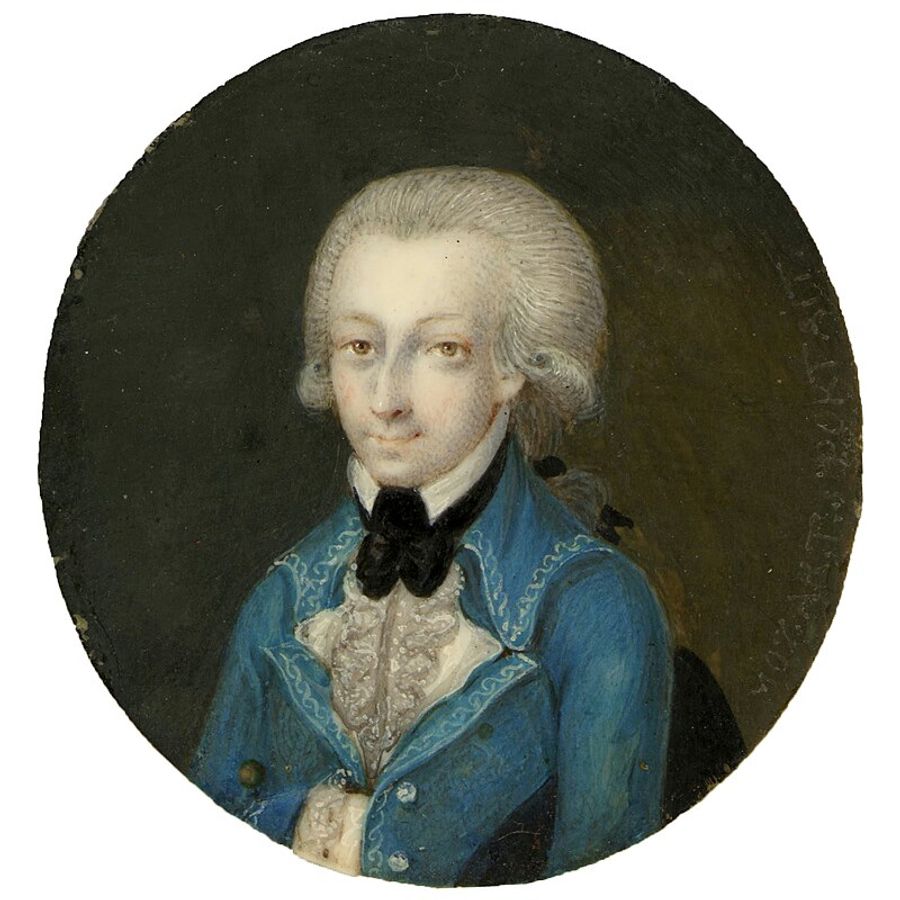
- Köchel Number
- K9 666 | K6 Anh. A 50
- Genre
- Orchestral Music
- Form
- Serenades, Cassations & Divertimenti
- Key
- D Major
- Date
- 1773–1775
- Age
- 17
Mozart’s Divertimento in D major (fragment), K. 666, is an unfinished 1773 sketch for two solo violins with orchestra—an intriguing glimpse of the seventeen-year-old composer thinking in “serenade” scale while writing in a concertante, dialogue-driven texture. The surviving autograph is extremely short (just two leaves), yet it already points toward the Salzburg taste for outdoor entertainments enlivened by prominent solo instruments.
Background and Context
In 1773 Wolfgang Amadeus Mozart (1756–1791) was seventeen, newly returned from his third Italian journey and again working within Salzburg’s courtly-municipal musical life. The fragment now catalogued as K. 666 is transmitted as an uncompleted work in D major, preserved in an autograph score draft dating from Salzburg within a broad window “03.1773 – 05.1775” given by the Mozarteum’s Köchel-Verzeichnis entry. [1]
What survives is slight but concrete: an autograph Partitur of two leaves (three written pages). [1] The scoring already aligns the piece with Salzburg’s serenade/divertimento world—music often designed to accommodate coloristic “featured” writing—while also overlapping with the sphere of double-concerto thinking (two equal soloists set against a larger ensemble). [2]
Musical Character
The manuscript’s instrumentation is unusually explicit for so short a fragment: two solo violins (vl1-solo, vl2-solo) plus an orchestral body with oboes, horns, and divided violas among the strings (as listed in the Köchel-Verzeichnis instrumentation field). [1] Even without a complete movement plan, this points to a concertante texture: the two solo violins are conceived as distinct protagonists rather than merely reinforced first and second parts.
In such a D-major, outdoor-leaning sound world—oboes and horns brightening the string band—Mozart’s aim was likely brilliance and projection, with the solo pair trading material in close dialogue (a hallmark of later sinfonia concertante writing), rather than the more uniform, “string-symphony” manner of his compact Salzburg divertimenti for strings alone. The surviving pages are too fragmentary, however, to reconstruct a secure formal design beyond the impression of an opening conceived on an orchestral scale. [1]
Place in the Catalog
K. 666 sits naturally alongside Mozart’s Salzburg serenade tradition and its fondness for inserting soloistic display into essentially orchestral entertainments—an idea he would later realize with far greater breadth and finish in mature concertante works. The fragment’s very premise (two solo violins against orchestra) shows an adolescent Mozart already exploring a public, extrovert instrumental rhetoric beyond the purely chamber divertimento.
Sources
[1] International Mozarteum Foundation, Köchel-Verzeichnis entry for K. 666: status (uncompleted), dating window, key, surviving autograph description, and instrumentation list.
[2] Digital Mozart Edition (NMA online), Table of Contents for NMA IV/12/6 (Cassations, Serenades, and Divertimentos for Orchestra, Vol. 6), showing K. 666 as an appendix fragment.