Melodic Notation in B-flat, probably for the dance ensemble “Le matelot” (fragment), K. 664
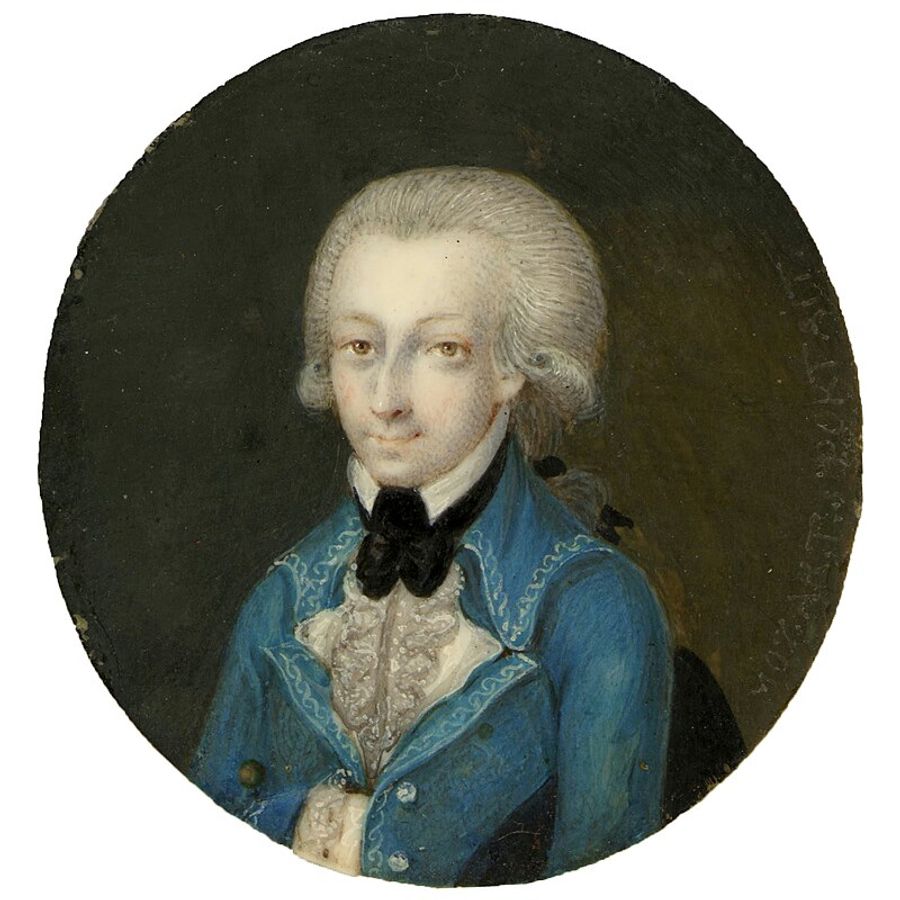
- Köchel Number
- K9 664 | K6
- Genre
- Orchestral Music
- Form
- Dances & Marches
- Key
- B Flat Major
- Date
- 1773
- Place
- Salzburg
- Age
- 17
Mozart’s Melodic notation in B-flat, K. 664, is a tiny surviving dance-related fragment from Salzburg in 1773, when he was 17. Preserved only as a brief melodic jotting, it hints at the kind of functional, tuneful material Mozart supplied for local entertainments—yet it stops before any full setting or scoring can be recovered [1].
What Is Known
Only a short melodic fragment in B♭ major survives for K. 664, transmitted in Mozart’s hand as a single written page (an autograph leaf) and described in the Köchel Verzeichnis as an uncompleted work [1]. The entry dates it to Salzburg, 1773, placing it within the busy period when the 17-year-old Mozart was writing for the Salzburg court and church while also producing occasional pieces for social use [1]. The title’s reference to a dance ensemble called “Le matelot” appears to be contextual rather than definitive: no complete score, parts, or reliable orchestration are extant, and the surviving notation does not, by itself, specify instrumentation [1].
Musical Content
What remains is essentially a melodic idea—a practical, quickly grasped tune suited to dance usage rather than a developed, multi-strain number. Even in such reduced form, it reflects Mozart’s Salzburg habit of working from the top down: catching a singable line first, leaving harmony, bass, and color to be supplied later if the occasion demanded. In the broader landscape of his dance music, the fragment’s B♭-major, “outdoor-friendly” brightness suggests the idiom of courtly dance pieces that could be realized with minimal forces or expanded when players were available, a flexibility typical of 18th-century dance repertory [1].
Sources
[1] Köchel Verzeichnis (International Mozarteum Foundation), work entry for KV 664: status, dating (Salzburg, 1773), key (B-flat major), and source description (autograph leaf; uncompleted).