- Köchel Number
- K9 539 | K6 539
- Genre
- Opera & Stage Music
- Form
- Arias, Scenes, Ensembles & Choirs
- Key
- A Major
- Date
- 5 March 1788
- Place
- Vienna
- Age
- 32
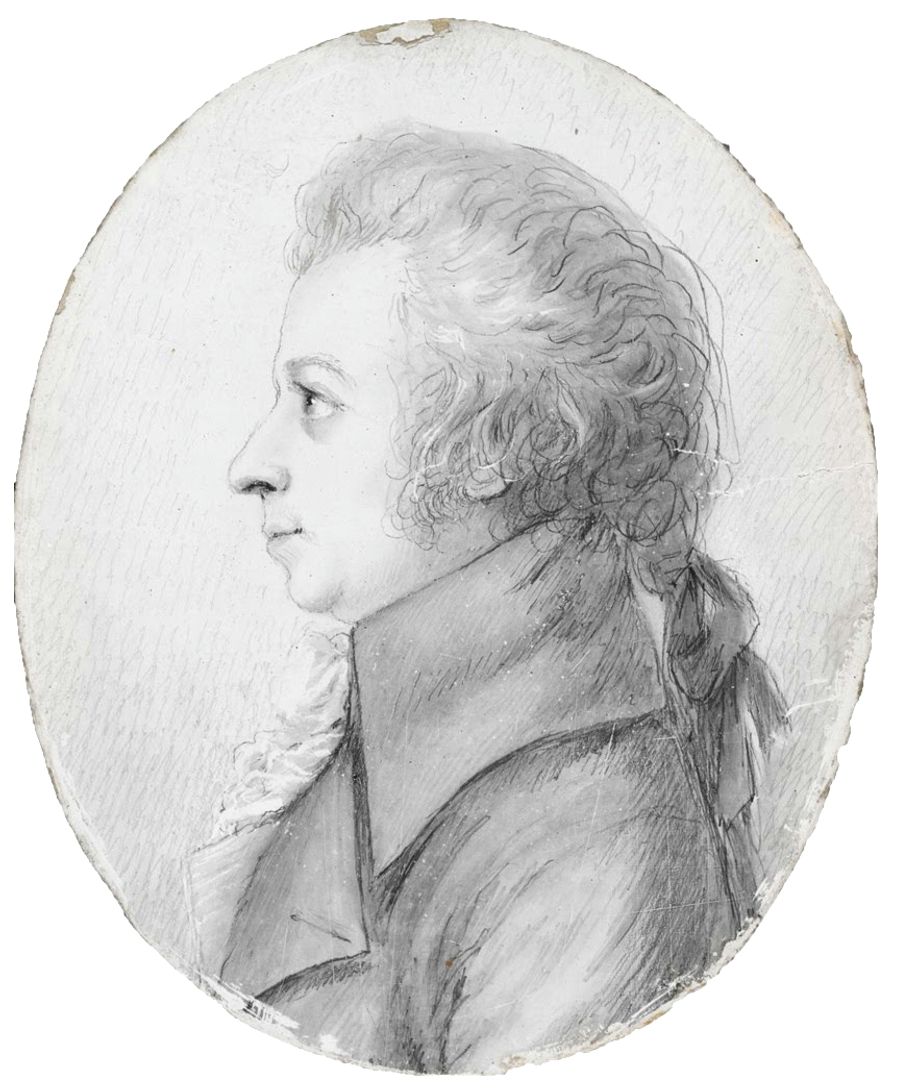
Mozart’s Ein deutsches Kriegslied (K. 539) is a compact, overtly public “theatre song” in A major, entered in his own work catalogue on 5 March 1788 in Vienna, when he was 32. Setting Johann Wilhelm Ludwig Gleim’s text “Ich möchte wohl der Kaiser sein,” it taps the wave of patriotic fervor surrounding Emperor Joseph II’s Turkish campaign, and was soon performed in Vienna’s Leopoldstadt theatre.
Background and Context
Mozart composed Ein deutsches Kriegslied (“A German War Song”), K. 539, in Vienna in early 1788, and dated it 5 March in his personal thematic catalogue (Verzeichnüß), a moment when the Habsburg court’s war with the Ottoman Empire was being loudly reflected in public entertainments and topical music.[2]
Although sometimes grouped with stage-related vocal numbers, the piece is essentially a standalone concert-theatre song: a single movement for solo bass and orchestra to a poem by Johann Wilhelm Ludwig Gleim, beginning “Ich möchte wohl der Kaiser sein.”[1] Mozart’s dedication (to “F. Baumann”) and the earliest performance tradition point toward the Viennese popular stage, rather than the court opera house.[1]
Musical Character
On the page, K. 539 is built for projection and immediacy: a bass soloist supported by an orchestra that includes piccolo, pairs of oboes and bassoons, two horns, strings—and, strikingly, cymbals and bass drum, coloring the number in a deliberately “Turkish” (alla turca) military manner.[1] That percussion, rare in Mozart’s songs, pushes the work toward public spectacle: a patriotic tableau in miniature rather than a private Lied.
The vocal writing sits naturally for a low male voice and favors clear declamation over lyrical expansion, aligning with the piece’s topical rhetoric and theatrical delivery. In sum, Ein deutsches Kriegslied shows Mozart, amid the difficult Viennese year of 1788, turning his craft to the city’s current events—compressing character, color, and propaganda-like directness into just a few pages.
Sources
[1] IMSLP work page: composition date (5 March 1788), scoring (bass and orchestra with cymbals & bass drum), poet (Gleim), dedication (F. Baumann), and performance note.
[2] MozartDocuments (Otto Erich Deutsch documents): contextual note linking K. 539 to early 1788 war enthusiasm; cites Mozart’s catalogue entry date (5 March 1788).