- Köchel Number
- K9 321 | K6 321
- Genre
- Sacred Music
- Form
- Litanies & Vespers
- Key
- C Major
- Date
- 1779
- Place
- Salzburg
- Age
- 23
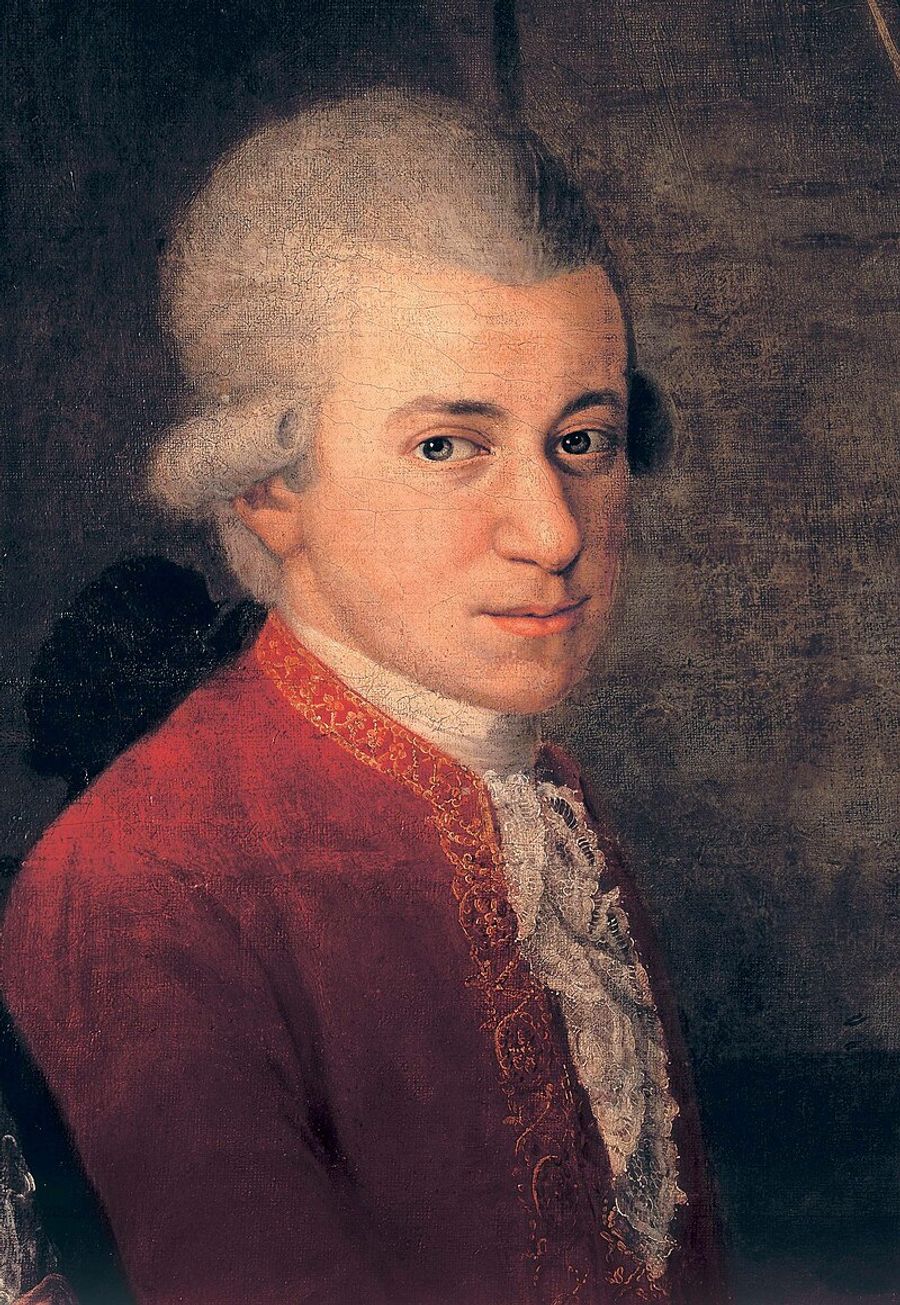
Mozart’s Vesperae solennes de Dominica (Vesperae de Dominica) in C major, K. 321, is a complete setting of Sunday Vespers composed in Salzburg in 1779, when the composer was 23. Written for the practical realities of cathedral worship yet rich in contrast and invention, it stands as one of the finest windows into Mozart’s Salzburg sacred style in the years immediately before he left the archbishop’s service.
Background and Context
Mozart’s Salzburg church music sits at an intersection of devotion, court ceremony, and professional obligation. In 1779—back in Salzburg after the difficult Paris journey of 1777–78—he resumed work under Archbishop Hieronymus Colloredo, writing music designed to function efficiently within the liturgy while still meeting the city’s expectation for festive sonority and clear textual delivery [1]. Vesperae solennes de Dominica (K. 321) belongs to this pragmatic but imaginative strand: not a concert “oratorio” Vespers in the grand seventeenth-century sense, but a compact, serviceable, and strikingly varied cycle for the Office.
It deserves attention partly because it shows Mozart thinking “architecturally” across an entire liturgical hour. The work alternates exuberant choral writing with a deliberately archaic, a cappella display of counterpoint, then turns—almost theatrically—toward a solo soprano movement of intimate lyricism before closing with a festive Magnificat [2]. In miniature, it encapsulates Mozart’s ability to reconcile old church style and modern vocal charm.
Composition and Liturgical Function
The title signals its intended use: Sunday Vespers (de Dominica). Mozart sets the customary sequence of five psalms plus Magnificat—Dixit Dominus (Ps. 110), Confitebor (Ps. 111), Beatus vir (Ps. 112), Laudate pueri (Ps. 113), Laudate Dominum (Ps. 117), and Magnificat—a layout shared in broad terms with his later Vespers of 1780, K. 339 [2].
The scoring is that of a “solemn” Salzburg service: SATB choir and soloists with strings and continuo (organ), reinforced by festive brass and timpani, plus three trombones colla parte (doubling the vocal lines), a typical local color in Austrian church music [3]. This is not merely decorative: the trombones lend weight to choral declamation and help keep the musical texture grounded in the acoustics and ceremonial ethos of the cathedral.
Musical Structure
The six movements form a carefully paced arc of affect and texture.
- I. *Dixit Dominus* (C major) — A jubilant opening that projects liturgical grandeur with orchestral brilliance and brisk choral rhetoric [2].
- II. *Confitebor* (E minor) — A darker, more inward coloration that immediately broadens the emotional palette, reminding the listener that Vespers texts can turn from praise to awe and warning [2].
- III. *Beatus vir* (B♭ major) — A return to buoyancy, often felt as dance-adjacent in its propulsion; Mozart’s Salzburg sacred music frequently borrows the poise and lift of secular styles without sacrificing clarity of text [2].
- IV. *Laudate pueri* (F major, *a cappella*) — The cycle’s most conspicuous stylistic “pivot”: strict counterpoint without instruments. The sudden removal of orchestral color is a deliberate liturgical and musical gesture—an instant of learned restraint inside an otherwise festive frame [2].
- V. *Laudate Dominum* (A major) — An extended soprano solo (an “aria” in all but name), supported by organ and orchestra. Its long-breathed melody and tender harmonic warmth are the work’s most immediately memorable pages, and a prime example of Mozart bringing operatic cantabile into a devotional setting without turning the liturgy into theatre [2].
- VI. *Magnificat* (C major) — A festive culmination that restores full forces. The opening’s more solemn, majestic stance before the return of quickened energy creates a satisfying sense of arrival and public proclamation [2].
What makes K. 321 distinctive, ultimately, is its confidence in contrast: not contrast for its own sake, but as a way of articulating the changing spiritual “registers” of the texts—from proclamation to meditation, from learned discipline to lyrical supplication.
Reception and Legacy
While K. 321 is not as ubiquitous as a late symphony or a famous opera scene, it has remained steadily present in choral repertory because it is both practical (a complete Vespers cycle with clear divisions) and consistently inspired. Modern performances frequently pair it with the closely related Vesperae solennes de confessore, K. 339, to highlight Mozart’s Salzburg solutions to the same liturgical problem in two consecutive years [4].
In today’s concert life, Vesperae solennes de Dominica often functions as a corrective to the stereotype of “Salzburg = constraint.” Within a compact, duty-bound genre, Mozart found room for ceremonial splendor, contrapuntal seriousness, and one of his most quietly radiant sacred arias—making K. 321 a rewarding entry point into the richness of his liturgical output.
Sources
[1] MusicWeb International review (context: Mozart’s 1779 Salzburg return; mentions K. 321 and its movements/keys).
[2] Wikipedia: Vesperae solennes de Dominica (overview, liturgical components, stylistic notes).
[3] Bärenreiter catalog page for K. 321 (instrumentation for the Salzburg Vespers scoring).
[4] Boston Baroque program note on Mozart’s Vespers K. 321 and K. 339 (pairing, stylistic contrast).