- Köchel Number
- K9 271a | K6 271i
- Genre
- Concertos
- Form
- Piano Concertos
- Key
- D Major
- Date
- 16 July 1777
- Place
- Salzburg or Paris?
- Age
- 21
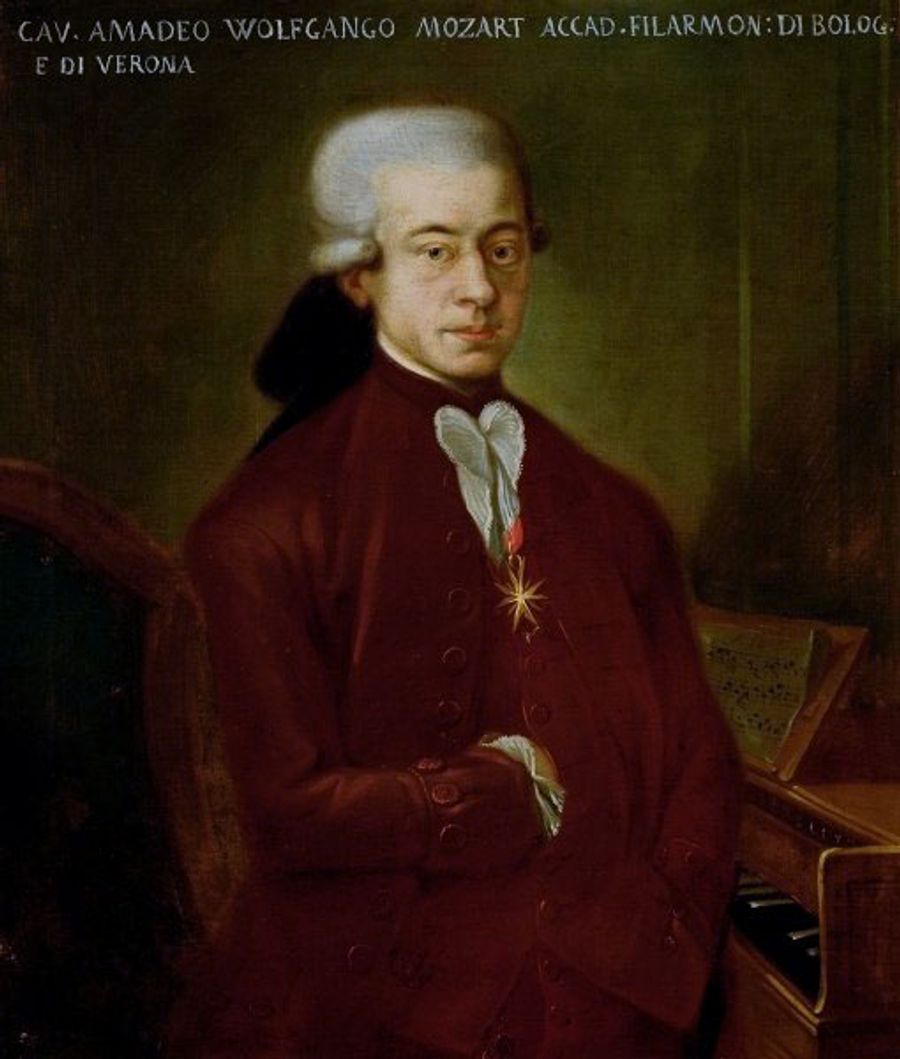
The so-called Violin Concerto No. 7 in D major (K. 271a; also cited as K. 271i) is a concerto traditionally attributed to Wolfgang Amadeus Mozart (1756–1791), usually dated to 1777—when he was 21—but widely treated today as a work of doubtful authenticity.[2] Surviving sources and stylistic features leave open whether the piece preserves a genuine Mozart draft, a copy he made of another composer’s concerto, or a later work wrongly connected to his name.[1][3]
Background and Context
In 1777 Mozart was still formally in the Salzburg court orbit, yet already looking beyond it: the year belongs to the uneasy period just before his Mannheim and Paris travels (1777–78), when his ambitions as a virtuoso and composer increasingly strained against Salzburg constraints.[2] Against that backdrop, the D-major concerto K. 271a has often been placed in Salzburg and linked (speculatively) with local performance needs; other readings point toward a French connection, since aspects of the solo writing have been heard as closer to a later French violin school than to Mozart’s securely attributed Salzburg concertos.[1][2]
What can be said with more confidence is the work’s modern scholarly status: in the Neue Mozart-Ausgabe it appears among “Works of Dubious Authenticity,” and even its editor noted telling “unevennesses” that continue to trouble attribution.[3]
Musical Character
The concerto is laid out in the familiar three-movement, fast–slow–fast pattern expected of an eighteenth-century violin concerto, and it projects a public D-major brilliance (a key Mozart elsewhere used for ceremonial, outdoor, and violin-friendly writing).[2] Yet the NMA commentary points to local details that feel less like Mozart’s polished Salzburg manner: the slow movement includes conspicuous pizzicato passages, and the first movement contains an odd “insertion” (measures 146–147) that is present in the sources but is described by the editor as essentially superfluous.[3]
Whatever its authorship, K. 271a is not merely a placeholder in lists: it offers a substantial solo part and a concerto-sized argument, inviting listeners to compare its rhetoric with the five authentic violin concertos of 1775—especially Mozart’s characteristic balance of vocal lyricism and conversational give-and-take between soloist and orchestra.[2]
Place in the Catalog
K. 271a sits on the margins of Mozart’s violin-concerto legacy—regularly numbered as “No. 7,” yet typically separated from the authentic cycle and treated as doubtful rather than secure.[1][3] Heard alongside the 1775 concertos, it functions less as a “missing link” than as a provocative mirror: close enough to the genre to invite attribution, but different enough in its details to keep the question open.[2]
Sources
[1] IMSLP work page: "Violin Concerto in D major, K.271a/K.271i" (notes on dating, Salzburg attribution hypotheses, and doubtful status)
[2] Wikipedia: "Violin Concerto No. 7 (Mozart)" (overview of attribution dispute, dating claims, and scholarly commentary)
[3] Digital Mozart Edition (Mozarteum): New Mozart Edition X/29/1 "Works of Dubious Authenticity" — English PDF with editorial remarks on KV 271i