- Köchel Number
- K9 271 | K6 271
- Genre
- Concertos
- Form
- Piano Concertos
- Key
- E Flat Major
- Date
- January 1777
- Place
- Salzburg
- Age
- 21
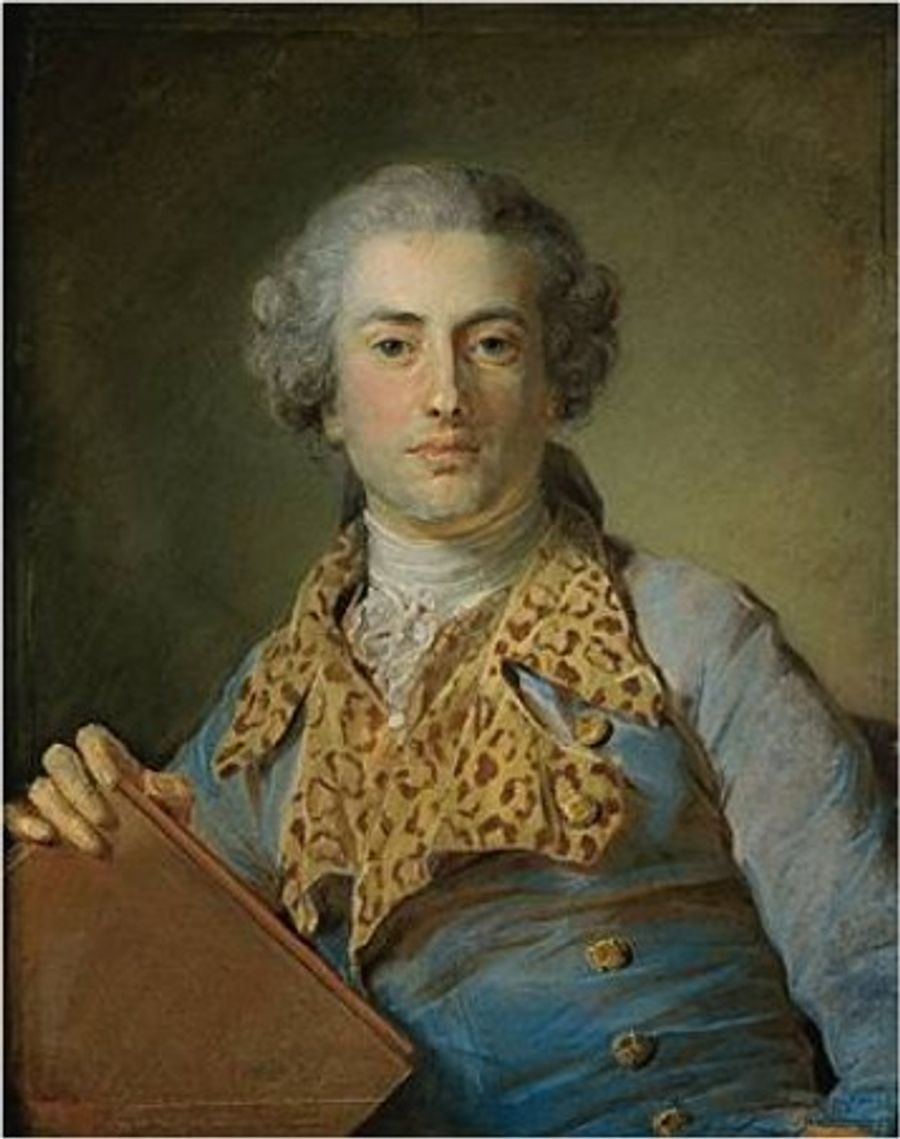
Mozart’s Piano Concerto No. 9 in E♭ major, K. 271—often nicknamed “Jeunehomme”—is a three-movement concerto written with a French pianist in mind, now identified as Victoire Jenamy. This article covers its context, orchestration, movement-by-movement features, and the origin of the disputed nickname and reception.
Composition & Context
Wolfgang Amadeus Mozart composed his Piano Concerto No. 9 in E♭ major, K. 271, in January 1777 in Salzburg, when he was just 21 years old[1]. This period marked Mozart’s coming-of-age as a composer: he had settled back into his hometown after years touring Europe as a child prodigy, working as concertmaster to the Prince-Archbishop of Salzburg[2]. (At the time, Europe was in the midst of the Enlightenment and political upheavals – the American colonies had declared independence in 1776 – but daily life in Salzburg still revolved around courtly patronage and the arts.) Mozart felt constrained in the provincial Salzburg and was on the verge of seeking new opportunities abroad by late 1777[3]. In this context, K. 271 emerged as a bold, ambitious work that far surpassed his earlier piano concertos in scale, technical demands, and depth of expression[4]. It was the first concerto in which Mozart fully realized his mature classical style, showing a remarkable advance in originality[5].
Mozart wrote this concerto with a particular performer in mind. In a letter, he referred to it as “the one for the Jenomy,” indicating it was composed for a French pianist named Victoire Jenamy[6]. (Jenamy was the talented daughter of Jean-Georges Noverre, a famous ballet master and Mozart’s family friend[7].) For decades the dedicatee’s name was misunderstood – early 20th-century scholars misread “Jenomy” as Jeunehomme, inventing the nickname “Jeunehomme” for an allegedly unknown virtuosa[6]. Modern research finally corrected the record: Mozart’s “Jenomy” was Madame Jenamy, who inspired this concerto[7]. Whether or not she herself ever performed the piece is uncertain, but the encounter clearly sparked Mozart’s creativity. He completed the concerto during the winter of 1776–77 and likely premiered it in Salzburg soon after. Mozart was very proud of this work – he even took it with him on his 1777–78 journey to Mannheim and Paris to show off to potential patrons[8].
Instrumentation
The concerto is scored for a relatively small Classical orchestra, yet Mozart achieves a rich and varied sound from these forces[9]:
Solo piano (originally fortepiano)
2 oboes
2 horns in E♭ (providing a warm, noble tone)
Strings (violins, violas, cellos, and double basses)
Despite this modest instrumentation, contemporaries noted that the concerto “feels big and spacious” due to Mozart’s inventive orchestration[9]. For example, in the slow movement the string section plays with mutes (con sordino), creating a soft, veiled sonority that heightens the movement’s melancholic mood[10]. Mozart also took the unusual step of writing out his own cadenzas and ornamental solo flourishes in the score[11]. (Typically, performers improvised these passages, but here Mozart provided his intended cadenzas and little lead-in riffs called Eingänge[11].) This level of detail in the notation underscores how much care Mozart invested in the concerto’s presentation.
Maria João Pires performs W. A. Mozart’s Piano Concerto No. 9 in E-flat major, K. 271 (“Jeunehomme”), with the Orchestre Philharmonique de Monte Carlo conducted by Kazuki Yamada:
Form & Musical Character
Mozart’s Piano Concerto No. 9 follows the classic three-movement fast–slow–fast structure, but within this framework Mozart introduces several novel twists and a high level of artistry[4]. Each movement has its own distinct character and innovations:
Allegro (E♭ major) – The first movement opens in an unorthodox way. Instead of a long orchestral introduction (the norm in concertos of the day), the orchestra plays a mere two-bar fanfare and the piano soloist jumps in almost immediately with a spirited reply[12][13]. This witty interjection by the piano – a “saucy retort,” as one commentator describes it – was an unprecedented surprise in 1777[14]. Throughout the movement the soloist and orchestra carry on a lively dialog, sometimes trading phrases as if in an operatic scene. Mozart even lets the piano intrude during what would normally be orchestral moments (for instance, the piano adds a dramatic long trill to cap off the orchestral exposition)[15]. The overall mood is bright and playful, full of graceful melodies and clever interplay, yet with an underlying sophistication in how the themes are developed.
Andantino (C minor) – The second movement shifts to the unexpected key of C minor, providing a darkly expressive contrast to the surrounding movements[16]. This music unfolds like a heartfelt operatic aria. The strings play con sordino (muted), and the orchestra whispers a somber accompaniment that sets the stage for the piano’s “entrance” as the solo voice[10]. The piano sings a plaintive melody imbued with sighing figures and poignant chromatic turns, conveying an atmosphere of tragedy and pathos. Contemporary listeners were struck by the movement’s emotional depth – it has been described as “extraordinary” in its profundity[16]. Over its course, the C-minor drama occasionally gives way to gentler glimpses of E♭ major, but the prevailing tone is one of intensity and expressive Sturm und Drang (storm and stress). This impassioned middle movement, essentially a tragic scena, heightens the concerto’s dramatic narrative before relief comes in the finale.
Rondo (Presto) – Finale – The third movement is a spirited rondo that brings back a joyful, energetic tone. The piano leads off the rondo with a fleet, catchy theme, and from there the music alternates between this recurring refrain and a series of contrasting episodes. Brilliance and virtuosity are on full display – the solo part is peppered with rapid runs and “reams of trills”, as Mozart indulges in sparkling keyboard passagework[17]. Yet even in this cheerful finale Mozart throws a curveball. In the middle of the Presto, the momentum suddenly pauses and softens into a Menuetto cantabile (a graceful minuet) in a new key and slower tempo[18]. This gentle dance interlude, introduced by the piano over plucked string accompaniment, exudes elegance and charm before the whirling Presto resumes. (Modern commentators have noted that this courtly minuet might be a witty nod to Victoire Jenamy’s background as the daughter of a ballet master, Jean-Georges Noverre[19].) After the minuet episode, the rondo theme returns one final time, and Mozart caps the concerto with a short cadenza and a brilliant closing flourish[17]. The finale’s mix of playfulness, surprise, and technical fireworks ends the work on a high-spirited note, bringing the listener from darkness back into light.
Reception & Legacy
Mozart evidently held K. 271 in high regard from the start. He performed this concerto himself on multiple occasions in the years following its completion[20], considering it one of his showpiece works. In fact, when he embarked on his job-hunting tour through Germany and France in 1777–78, Mozart brought along the score of this concerto to demonstrate his prowess as both composer and pianist[8]. (If Madame Jenamy indeed inspired the piece, she must have been an impressive artist, as the concerto’s difficulty would have challenged even virtuosos of the time[21].) The concerto also achieved wider dissemination relatively early: it became the first of Mozart’s piano concertos to be published in print, with an edition appearing in Paris by around 1780[21]. This early publication helped circulate the work beyond Salzburg, allowing other musicians to discover and perform it.
Over the centuries, Piano Concerto No. 9 has come to be recognized as a milestone in Mozart’s output and in the piano concerto genre as a whole. Later critics hailed it as “the first unequivocal masterpiece of the Classical style” – essentially, the work in which the young Mozart “became Mozart,” blossoming into full maturity[22]. Musicologists like Charles Rosen have singled out K. 271 as Mozart’s first truly fully realized piano concerto, a breakthrough that foreshadows the great concertos of his Vienna years[5]. Its innovative features (the early solo entrance, the minor-key aria, the minuet within the finale) and its balance of witty brilliance with heartfelt depth have been endlessly admired. The piece remains a staple of the repertoire and is frequently performed and recorded by pianists, valued for its blend of virtuosity and expressive nuance.
It is worth noting that the nickname “Jeunehomme” attached to this concerto persisted well into the 20th century due to the initial confusion over Jenamy’s name[6]. Even after scholars uncovered the true dedicatee in 2003, the charming but incorrect nickname has proven hard to shake – as late as 2019, concert programs were still referring to a supposed “Mlle. Jeunehomme”[23]. Today, however, most historians correctly identify the work’s muse as Madame Victoire Jenamy. Nickname aside, Mozart’s Piano Concerto No. 9 in E♭, K. 271 stands on its own merits as a landmark composition. It captures Mozart at a turning point in his life and career – a youthful master hitting his stride – and it continues to delight listeners with its combination of Classical grace, dramatic depth, and inventive spirit.
Sources
Sources
Mozart’s Piano Concerto No. 9 in E-flat, K.271 – program notes (Aspen Music Festival[24][10]; Boston Baroque[4][18]; Hollywood Bowl[15][19]); G. Predota, Interlude (2019)[22][23].
[1] [5] [6] [7] [9] [10] [11] [12] [13] [14] [17] [20] [24] www.aspenmusicfestival.com
[2] [3] [15] [16] [19] [21] Piano Concerto No. 9 in E-Flat Major, K. 271, Wolfgang Amadeus Mozart
https://www.hollywoodbowl.com/musicdb/pieces/2781/piano-concerto-no-9-in-e-flat-major-k-271
[4] [8] [18] Mozart's Piano Concerto No. 9 in Eb Major, K. 271 — Boston Baroque
https://baroque.boston/mozart-piano-concerto-9
[22] [23] Mozart Piano Concerto No. 9: The Jeunehomme
https://interlude.hk/the-mozart-concerto-formerly-known-as-jeunehomme/