- Köchel Number
- K9 107 | K6
- Genre
- Concertos
- Form
- Piano Concertos
- Date
- 1772
- Place
- Salzburg
- Age
- 16
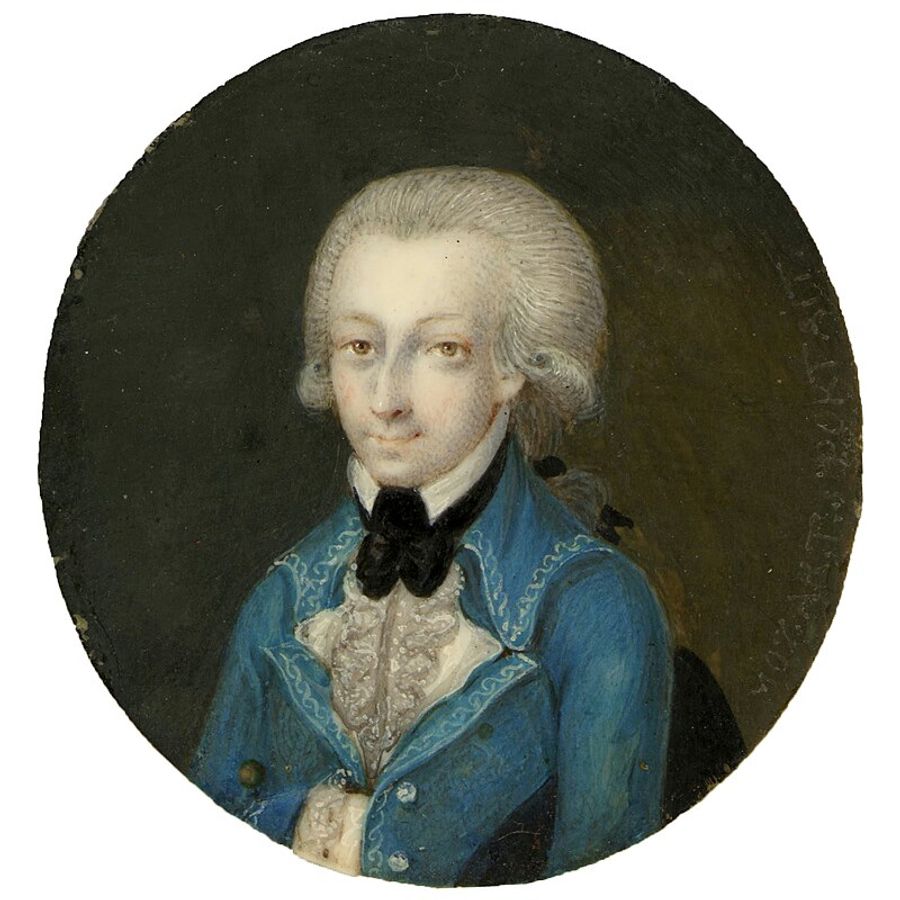
Mozart’s 3 Piano Concertos after J.C. Bach (K. 107/1–3) are Salzburg arrangements from 1772, made when he was 16, of three keyboard-and-strings works by Johann Christian Bach (Op. 5, Nos. 2–4). Though often treated as curiosities on the margins of the “real” piano concerto cycle, they offer a clear window onto Mozart’s formative study of the galant concerto style—and onto the kind of practical, adaptable musicianship expected of a young professional in the 1770s.
Background and Context
In Mozart’s early years, “composition” and “assimilation” were tightly interwoven. The teenage composer—back in Salzburg after the headline-making tours of the 1760s and early 1770s—was expected to supply music for domestic performance, courtly entertainment, and the varied needs of his employers. Arranging admired works into new, locally useful formats was part of that craft.
The model for K. 107 is significant. Johann Christian Bach (1735–1782), the so-called “London Bach,” was among the most influential composers the young Mozart encountered, and his poised, melodically generous galant idiom helped shape Mozart’s own approach to keyboard writing. In K. 107, Mozart is not trying to outdo Bach; rather, he is learning in public—turning existing pieces into concertos that could be played in Salzburg by a capable keyboardist with a modest string band. Modern scholarship and editions consistently describe K. 107 as arrangements of J. C. Bach’s Op. 5 Nos. 2–4, not as wholly original concertos in the later Viennese sense.[1][2]
Composition and Premiere
K. 107 comprises three separate concertos (K. 107/1–3), each derived from one of J. C. Bach’s Op. 5 works: No. 2 (D major), No. 3 (G major), and No. 4 (E♭ major).[3] The set is generally placed in Salzburg in 1772—fitting Mozart’s circumstances and the catalogue data used by many reference lists.[4]
Unlike Mozart’s mature piano concertos (written for public subscription concerts, with well-documented occasions), the first performances of K. 107 are not securely known. What is clear is their function: these are practical concert pieces for keyboard and strings, rooted in an idiom Mozart had absorbed from Bach and now repurposed for his own environment.
Instrumentation
Because K. 107 begins with keyboard works by J. C. Bach, the orchestral forces are intentionally light. The resulting texture often resembles chamber music with solo keyboard—one reason these concertos can feel intimate, even when played in a modern hall.
- Solo: keyboard (clavicembalo—a period term that can imply harpsichord and, increasingly by the 1770s, early fortepiano in performance practice)
- Strings: 2 violins, viola, cello/double bass (basso line)
This basic scoring is reflected in modern scholarly discussion and in standard performing materials.[5]
Form and Musical Character
K. 107’s special fascination lies in the contrast between “borrowed” thematic substance and Mozart’s emerging concerto thinking. Each work keeps close to Bach’s material and proportions, yet the act of turning a keyboard piece into a concerto inevitably changes how the music behaves: phrases become more conversational, cadential points acquire rhetorical weight, and the keyboard’s passagework reads differently when framed by a sustaining string sonority.
A helpful way to hear K. 107 is not as a preliminary draft of Mozart’s later concerto style, but as a study in galant elegance—music that prizes clarity, balanced phrasing, and quick changes of affect.
Concerto after J. C. Bach No. 1 (D major), K. 107/1
This concerto takes over Bach’s bright D-major world—an easy fit for string resonance. The outer movements’ brilliance is less about symphonic mass than about articulation and timing: crisp figuration for the soloist, buoyant accompaniment figures in the violins, and cadences that feel like well-placed turns in conversation.
Concerto after J. C. Bach No. 2 (G major), K. 107/2
The G-major concerto is often singled out by listeners for its lyrical ease. In transforming the model into a concerto, Mozart can highlight the contrast between solo and tutti even with minimal means—sometimes by simple redistribution (letting the strings “hold the space” while the keyboard decorates), sometimes by turning a passage into a miniature dialogue.
Concerto after J. C. Bach No. 3 (E♭ major), K. 107/3
E♭ major, so important in Mozart’s later concerto output, already carries a warmer, more rounded orchestral color. Here the string writing can sound particularly “vocal,” with the keyboard acting as both protagonist and accompanist—anticipating, in embryo, the kind of concerto lyricism Mozart would later deepen in works such as the E♭-major Piano Concerto No. 9, K. 271.
Reception and Legacy
K. 107 has long sat in an awkward position: too “Mozart” to be dismissed, yet not “Mozartian” in the sense audiences often mean—because the musical ideas originate with J. C. Bach. That ambiguity is precisely why the set deserves attention. These concertos document Mozart’s listening: how a 16-year-old professional absorbed a leading international style and learned to adapt it for local use.
They also illuminate a broader eighteenth-century truth: the concerto was not only a monument for the public concert hall, but a flexible genre—capable of existing in chamber-like dimensions, and capable of being remade from earlier keyboard repertory. Heard on harpsichord or fortepiano with a small string group, K. 107 can be an ideal entry point into Mozart’s pre-Vienna concerto world, where style, pedagogy, and practical music-making meet.
In sum, K. 107 is not a set of “minor” concertos so much as a set of revealing documents: Mozart, in Salzburg in 1772, demonstrating how the London Bach could be translated into a concerto idiom—and quietly laying groundwork for the astonishing originality of the piano concertos to come.[5]
Sources
[1] IMSLP work page: “3 Piano Concertos after J.C. Bach, K.107” (includes NMA series information and links to scores).
[2] Wikipedia overview page listing K. 107 as three arrangements after J. C. Bach (Op. 5 nos. 2–4) within Mozart’s piano concerto output.
[3] Wikipedia article: “Piano Concertos K. 107 (Mozart)” (keys and identification of J. C. Bach Op. 5 sources).
[4] Fundación Mozarteum del Uruguay catalogue list entry giving K. 107 as “3 Concertos for Piano after J.C. Bach,” dated 1772 in Salzburg.
[5] Early Music Review article discussing K. 107 as arrangements (dating 1771/72) and noting the period term “per il Clavicembalo” in connection with these concertos.