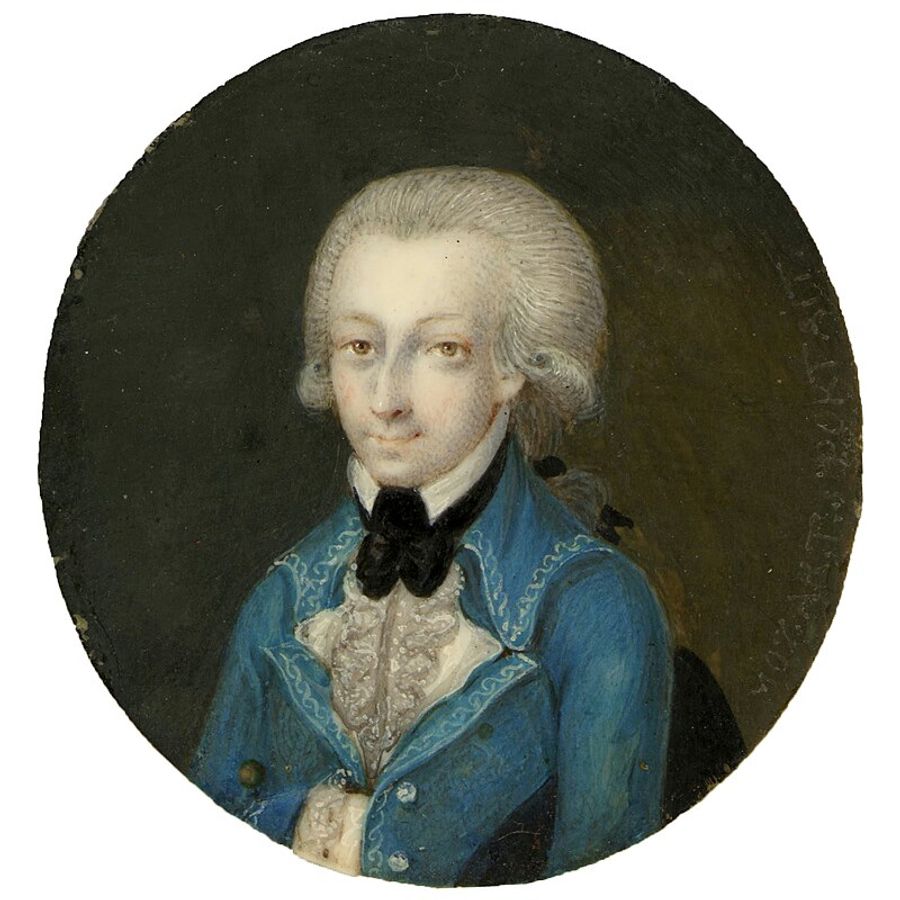
- Köchel-nummer
- K9 280 | K6 189e
- Sjanger
- Pianomusikk
- Form
- Pianosonater
- Toneart
- F-dur
- Dato
- Tidlig 1775
- Sted
- Munich
- Alder
- 19
Mozarts Pianosonate nr. 2 i F-dur (K. 280) hører til den kompakte gruppen «München»-sonater for klaverinstrument, skrevet rundt årsskiftet 1775, da komponisten var 19 år. Mindre berømt enn de senere wienersonatene viser den likevel en ung Mozart som prøver ut hvor langt en tilsynelatende «galant» sonate kan strekkes—framfor alt gjennom en bemerkelsesverdig intens langsom sats i f-moll.
Bakgrunn og kontekst
Mot slutten av 1774 reiste Mozart til München for forberedelsene til og urframføringen av operaen La finta giardiniera (først oppført i januar 1775). Under dette oppholdet—og i månedene like før og etter—skrev han et sett på seks klaversonater (K. 279–284), som senere i familiens krets ble omtalt som de «vanskelige sonatene».[1] Moderne oppslagsverk knytter på samme måte K. 280 til Mozarts München-periode, selv om de er uenige om den bør dateres til høsten 1774 eller tidlig i 1775.[2])
Disse sonatene markerer et viktig punkt i Mozarts klaverskriving. Han var ikke lenger vidunderbarnet som komponerte for hofflig representasjon, men heller ennå ikke den Wien-baserte virtuos-komponisten bak de store konsertene. München-sonatene er kammerlige i format, men ofte overraskende krevende i løpsverk, artikulasjon og kontroll av tekstur—musikk som forutsetter et responsivt klaverinstrument og en våken utøver, snarere enn bare et behagelig akkompagnement.[1]
Komposisjon
K. 280 er overlevert innenfor den samme konstellasjonen av autograf og tidlige kilder som flere av nabosonatene i settet (K. 279 og K. 281–284), noe som viser hvor tett Mozart ser ut til å ha tenkt dem som en gruppe.[3] Den nøyaktige komposisjonsdatoen er ikke sikkert dokumentert i standard referanseoversikter, men verket plasseres rutinemessig i München, rundt slutten av 1774 til begynnelsen av 1775.[2])
Sonatens instrument bør forstås bredt som «klaverinstrument» (clavier)—brukbar på cembalo, klavikord eller det stadig mer populære hammerklaveret. Denne fleksibiliteten var viktig på midten av 1770-tallet: Mozart kunne skrive idiomatisk for en syngende diskant og hurtig figurering, samtidig som han lot utøveren realisere dynamikk og klangfarge etter instrumentet som var tilgjengelig.
Form og musikalsk karakter
K. 280 har tre satser:[2])
- I. Allegro assai (F-dur)
- II. Adagio (f-moll)
- III. Presto (F-dur)
Yttersatsene tegner opp en lys, fremaddrivende F-dur-verden, formet av tydelige fraser, spenstig rytmikk og en tekstur som kan veksle mellom lett høyrehåndsglans og mer «orkestral» akkordisk sats. Likevel er sonatens egentlige tyngdepunkt langsatsen: et Adagio i tonika-moll (f-moll), et uttrykksvalg som umiddelbart mørkner klangpaletten og utdyper verkets følelsesregister.[2])
Denne f-moll-satsen er en av grunnene til at sonaten fortjener oppmerksomhet i dag. Mozart skriver sjelden langsatser i tonika-moll i sine tidlige klaversonater med en så vedvarende alvorstyngde; her ligger retorikken nærmere operatisk klage enn salongens intimitet. De lange linjene og sukkende gestene innbyr til en cantabile-tilnærming på hammerklaver, mens de harmoniske vendingene gir utøveren rom til å forme spenning og avspenning med timing og berøring.
Finalen (Presto) gjeninnfører dur med vidd og hastighet. Hørt etter Adagio kan lysstyrken virke fortjent snarere enn bare dekorativ: en dramatisk bue i miniatyr, oppnådd uten programmusikalske grep—simpelthen gjennom toneartsplan, disponering av tid og Mozarts instinkt for kontrast.
Mottakelse og ettermæle
K. 280 har aldri hatt et populært tilnavn, og den blir iblant overskygget av de senere «wienersonatene». Likevel har den forblitt solid forankret i konsert- og undervisningsrepertoaret fordi den tilbyr en konsentrert oversikt over klassisk klaverstil: artikulert frasering i første sats, vedvarende uttrykkskontroll i f-moll-Adagio og ren virtuositet i Presto.
Adagio har fått et bemerkelsesverdig etterliv utover Mozarts egen tid: Arvo Pärts Mozart-Adagio (1992, revidert 2005) gjenfortolker denne satsen i et moderne, meditativt klangunivers—et uvanlig direkte vitnesbyrd om langsatsens evne til å tale på tvers av århundrer.[2])
Alt i alt er Pianosonate nr. 2 i F-dur, K. 280 mer enn en tidlig «øvelses»-sonate. Den er et lite, men slående eksempel på Mozarts tidlige modenhet: et verk som forener klassisk eleganse med en langsats av uvanlig tyngde, og som antyder det følelsesmessige registeret han senere skulle bringe til sin største instrumentalmusikk.
Noter
Last ned og skriv ut noter for Pianosonate nr. 2 i F-dur, K. 280 fra Virtual Sheet Music®.
Kilder
[1] Köchel Verzeichnis (Mozarteum): contextual note on the 1774–1775 set K. 279–284 (“difficult sonatas”).
[2] Wikipedia: Piano Sonata No. 2 (Mozart) — movements, Munich context, and later reception note (Arvo Pärt’s reimagining).
[3] IMSLP: Piano Sonata No. 2 in F major, K. 280/189e — source notes and score access.