- 쾨헬 번호
- K9 84 | K6 73q
- 장르
- 관현악
- 형식
- 교향곡
- 조성
- 라장조
- 날짜
- 1770
- 장소
- Milan or Bologna
- 나이
- 14
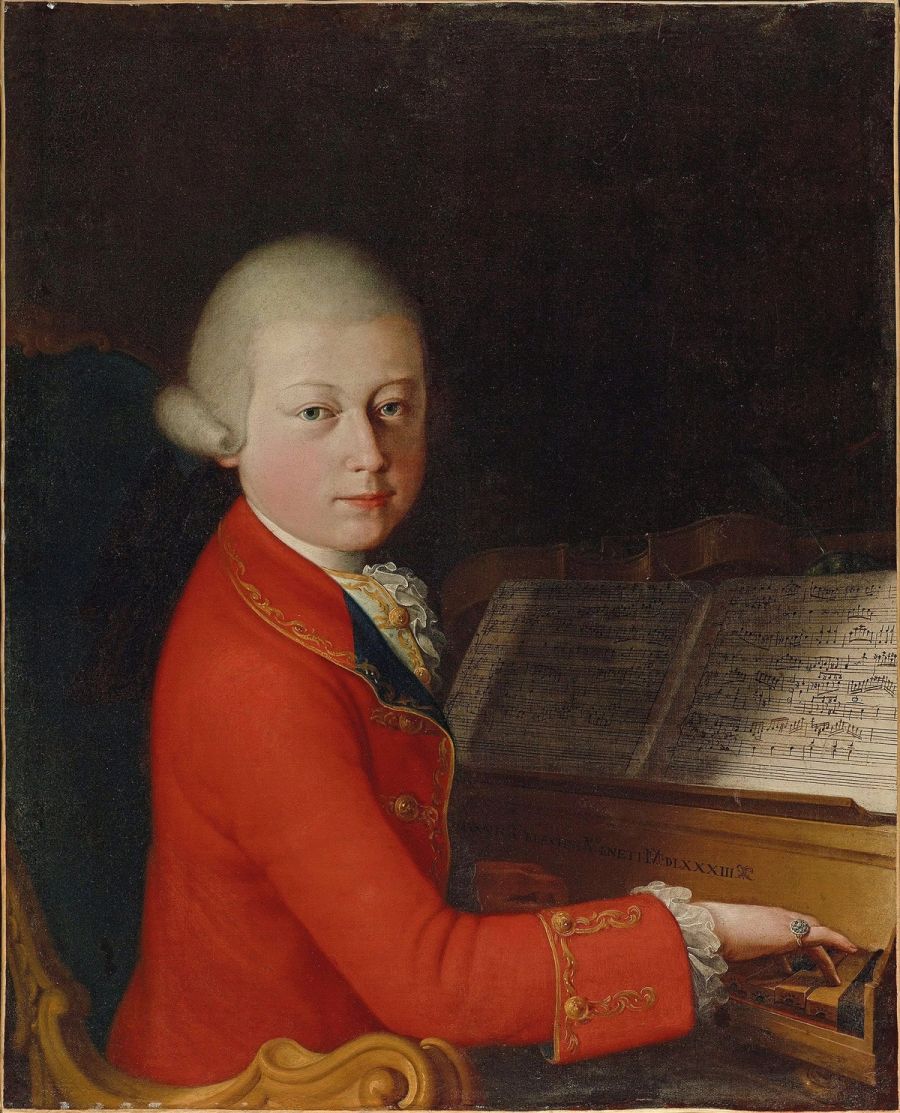
교향곡 제11번 D장조 K. 84/73q는 전통적으로 볼프강 아마데우스 모차르트의 작품으로 전해지지만, 진위가 논쟁적인 초기 교향곡으로, 이탈리아풍 3악장 형식을 따른다.
작곡 및 시대적 맥락
D장조 교향곡 제11번 K. 84/73q는 전통적으로 볼프강 아마데우스 모차르트의 작품으로 전해지며, 1770년 무렵에 작곡된 것으로 여겨진다. 그는 아직 10대였고, 이탈리아(밀라노 또는 볼로냐) 체류 시기에 썼을 가능성이 제기된다. 이 곡은 후기의 4악장 비엔나식 모델이 아니라 3악장으로 이루어진 이탈리아풍 형식을 공유하는 여러 ‘소년기 교향곡’ 가운데 하나다.
편성
이 작품의 관현악 편성은 소규모다. 오보에 2대, D(또는 D장조) 호른 2대, 그리고 현악부(제1·제2바이올린, 비올라, 첼로/베이스)로 구성된다. 일부 자료는 당시 관행에 따라 콘티누오 저음(하프시코드 또는 오르간)과, 경우에 따라 바순이 저음을 보강했을 가능성도 언급한다. 특히 트럼펫과 팀파니가 없어, 모차르트의 다른 초기 ‘축제적’ 교향곡들에 비해 음향이 한층 가볍다. 이러한 보다 친밀한 스코어링은 당시의 이탈리아 서곡/교향곡 미학과도 부합한다.
형식 및 음악적 성격
이 교향곡은 3개의 악장으로 이루어진다.
Allegro (D장조) – 보통박의 경쾌한 첫 악장으로, 명료한 갈랑 양식의 주제와 투명한 관현악적 직조가 두드러진다.
Andante (A장조) – 더 느리고 서정적이며, 분위기 면에서 대비를 이룬다. 일부 분석가들은 여기서 “글루크풍 분위기(Gluckian ambience)”를 지적한다.
Allegro (D장조) – 활기찬 피날레로, 반복되는 셋잇단음표 음형과 리듬에서 오페라 부파적 친연성이 드러난다.
양식적으로 이 작품은 젊은 모차르트가 이탈리아풍 교향곡 작법을 흡수한 결과를 보여준다. 즉, 우아하고 간결하며, 질감이 명확하고, 3악장 서곡형(ouverture-type) 형식을 선호한다. 짧은 길이와 형식적 성격 때문에, 이 곡은 완결된 ‘교향곡적 논변’이라기보다 관현악 디베르티멘토 또는 서곡풍 교향곡으로 해석되는 경우가 많다.
작자 논란
이 작품의 귀속은 불확실하다. 초기의 빈 필사본에서는 볼프강 아마데우스 모차르트의 작품으로 되어 있으나, 19세기 사본들에서는 레오폴트 모차르트(그의 부친) 및 카를 디터스 폰 디터스도르프로도 번갈아 귀속된다. 음악학자 닐 자슬로(Neal Zaslaw)는 양식 비교를 수행한 뒤, 세 후보 가운데 볼프강이 여전히 가장 유력한 작곡가라는 결론을 내렸다. 자필 악보(autograph score)가 존재하지 않는다는 점은 확실성을 더욱 약화시키며, 그 결과 이 교향곡은 모차르트 작품 가운데 “진위가 의심되는(doubtful authenticity)” 범주에 포함된다.
수용 및 유산
교향곡 제11번은 모차르트의 후기 교향곡들처럼 표준 연주 레퍼토리에 자리 잡지는 못했지만, 그의 초기 관현악 작품에 관심을 가진 연구자와 연주자들에게는 가치가 있다. 현대 판본(예: Neue Mozart-Ausgabe)은 이 작품을 ‘진위 의심’이라는 단서를 달아 수록한다. 전형적으로 약 9–12분 정도로 짧은 이 곡은 모차르트 초기 교향곡 음반에 포함하기에 알맞아, 교향곡 작곡가로서 그의 성장 단계를 들여다보게 한다. 해석 노트에서는 종종 (특히 피날레에서) 오페라적인 풍미와, 이탈리아 교향곡 양식의 일부로서 간결한 관현악 편성을 강조한다.
참고문헌
출처
- https://en.wikipedia.org/wiki/Symphony_No.11%28Mozart%29
- https://it.wikipedia.org/wiki/Sinfonia_n.11%28Mozart%29
- https://www.sin80.com/en/work/mozart-symphony-11-k84
- https://www.flaminioonline.it/Guide/Mozart/Mozart-Sinfonia11.html
- https://en.wikipedia.org/wiki/Mozart_symphonies_of_spurious_or_doubtful_authenticity