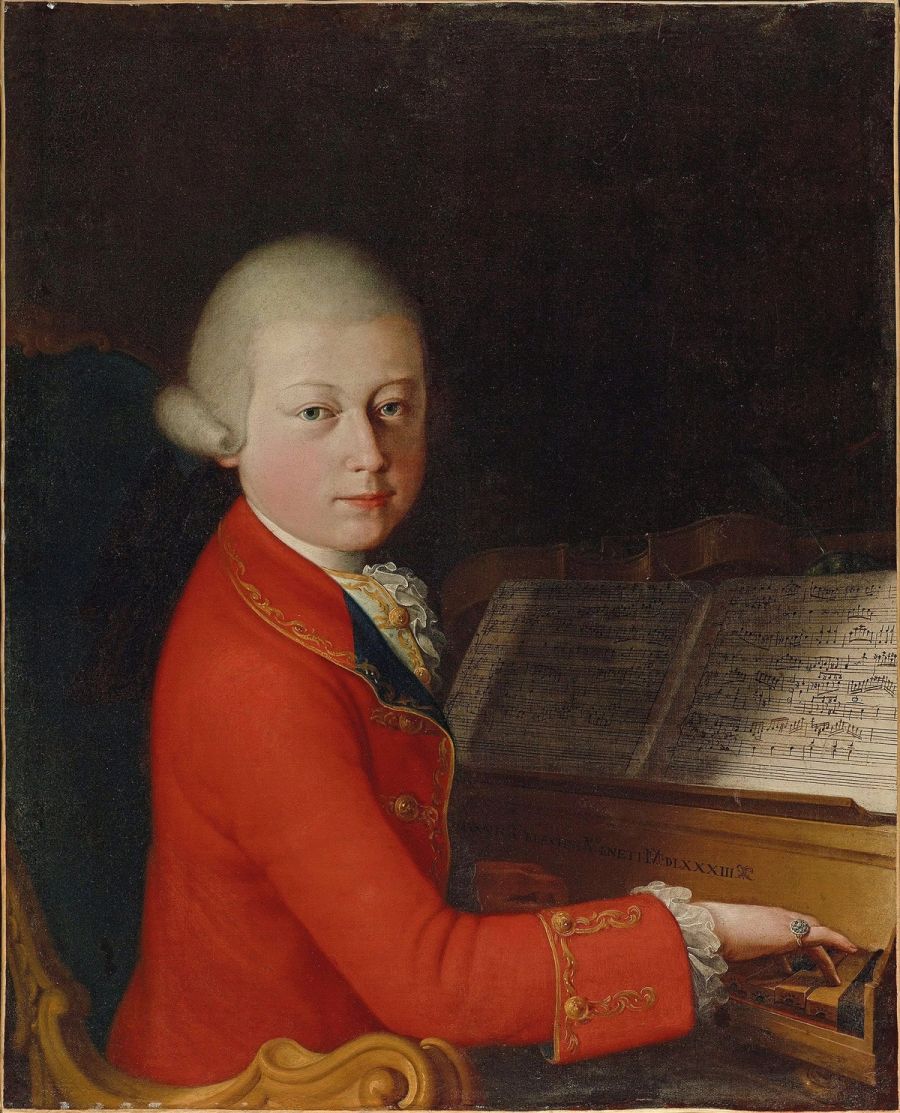
- 쾨헬 번호
- K9 63 | K6 63
- 장르
- 관현악
- 형식
- 세레나데, 카사시온 & 디베르티멘토
- 조성
- G Major
- 날짜
- 여름 1769
- 장소
- Salzburg
- 나이
- 13
모차르트의 초기 관현악 작품인 G장조 카사시온 K. 63은 1769년 잘츠부르크에서 작곡된 야외 의식·사교용 다악장 곡으로, 편성·형식·전승과 현대 판본까지 작품의 성격을 보여준다.
작곡 및 배경
G장조 카사시온 K. 63(때로는 카사시온 1번으로 표기됨)는 볼프강 아마데우스 모차르트가 열세 살이던 1769년 여름 무렵, 잘츠부르크에서 작곡했다. 이 작품은 잘츠부르크 대학교에서 논리학 또는 물리학을 공부하는 학생들의 학년 종료를 기념하는 축제성 야외 의식인 “Finalmusik”을 위해 의도되었을 가능성이 크다. 모차르트의 초기 관현악 작품군 가운데 하나로서, 잘츠부르크의 여름 사교 행사에 쓰이던 카사시온과 세레나데 연작의 흐름 안에 놓인다.
편성 및 ‘카사시온’이란?
이 카사시온은 오보에 2대, 호른 2대와 현악기군(제1바이올린, 제2바이올린, 비올라, 첼로/콘트라베이스)으로 편성된다. 트럼펫과 팀파니를 제외하여, 모차르트가 훗날 쓴 축제적 교향곡들에 비해 한층 가볍고 밝은 음색의 관현악법을 들려준다. 카사시온 (철자 변형으로 “cassatio”, “cassazione”도 있음)은 18세기 중·후반 남독일 및 오스트리아 독일어권 지역에서 널리 유행한 기악 장르를 가리킨다. 세레나데나 디베르티멘토와 가까운 친족 관계에 있으며, 대체로 야외 연주를 전제로 다악장으로 구성되고, 엄밀한 콘서트홀용 과시보다는 사교적·의례적 기능을 위해 쓰이곤 했다.
형식 및 음악적 성격
이 작품은 7개 악장으로 이루어진다:
Marche (G major)
Allegro (G major)
Andante (C major, strings only, muted violins/pizzicato bass)
Menuetto (G major) – Trio (G minor, strings only)
Adagio (D major, strings only, muted)
Menuetto (G major) – Trio (C major, strings only)
Finale: Allegro assai (G major, “hunting-rhythm” in 6/8)
서두의 행진곡은 의식적 전주로서 행렬이나 야외 행사에 어울리는 성격을 제공한다. 전 편성 악장과 현악기만의 악장이 번갈아 배치되면서 대비가 형성되는데, Andante와 Adagio는 섬세한 음향 조직과 약음 현(뮤트) 및 질감의 미묘함을 부각시키는 반면, 미뉴에트들과 피날레는 축제적 추진력을 더한다. 피날레의 6/8박자 “사냥 리듬” 성격과 생기 있는 론도 유사한 구성은 이 장르가 지닌 야외·경축의 성격을 반영한다. 또한 모차르트는(특히 첫 번째 미뉴에트에서) 카논 기법을, 그리고(Adagio에서) 제1바이올린의 독주적 서술을 포함시켜, 관현악적 세련미가 성장해 가는 징후를 내비친다.
수용 및 유산
G장조 카사시온 K. 63은 모차르트 후기 교향곡들처럼 콘서트홀의 상설 레퍼토리로 자리 잡은 작품은 아니지만, 그의 초기 관현악 양식을 연구하는 학자들과 연주자들에게는 여전히 중요한 가치를 지닌다. 자필 악보와 초기 전승이 보존되어 있으며(악보 판본은 IMSLP에서 이용 가능), Neue Mozart-Ausgabe(NMA IV/12/1) 같은 현대 판본도 K. 63을 모차르트의 카사시온·세레나데·디베르티멘토 작품군에 포함한다. 연주자와 음악사는 이 작품을 잘츠부르크의 음악-사교 환경과, 관현악 음색 및 구조에 대한 모차르트의 젊은 숙련을 들여다볼 수 있는 창으로 평가한다. 의식적·행렬적·축제적·내밀한 악장들이 뒤섞인 구성은 이러한 작품들이 지닌 이중적 성격—사교 행사의 배경 음악이자, 떠오르는 작곡 기량의 과시—을 반영한다. 주류 교향곡들에 비해 현대 음반은 많지 않지만, K. 63은 모차르트 초기 관현악 작품군의 일부로서 녹음을 통해 생명력을 이어 가고 있다.