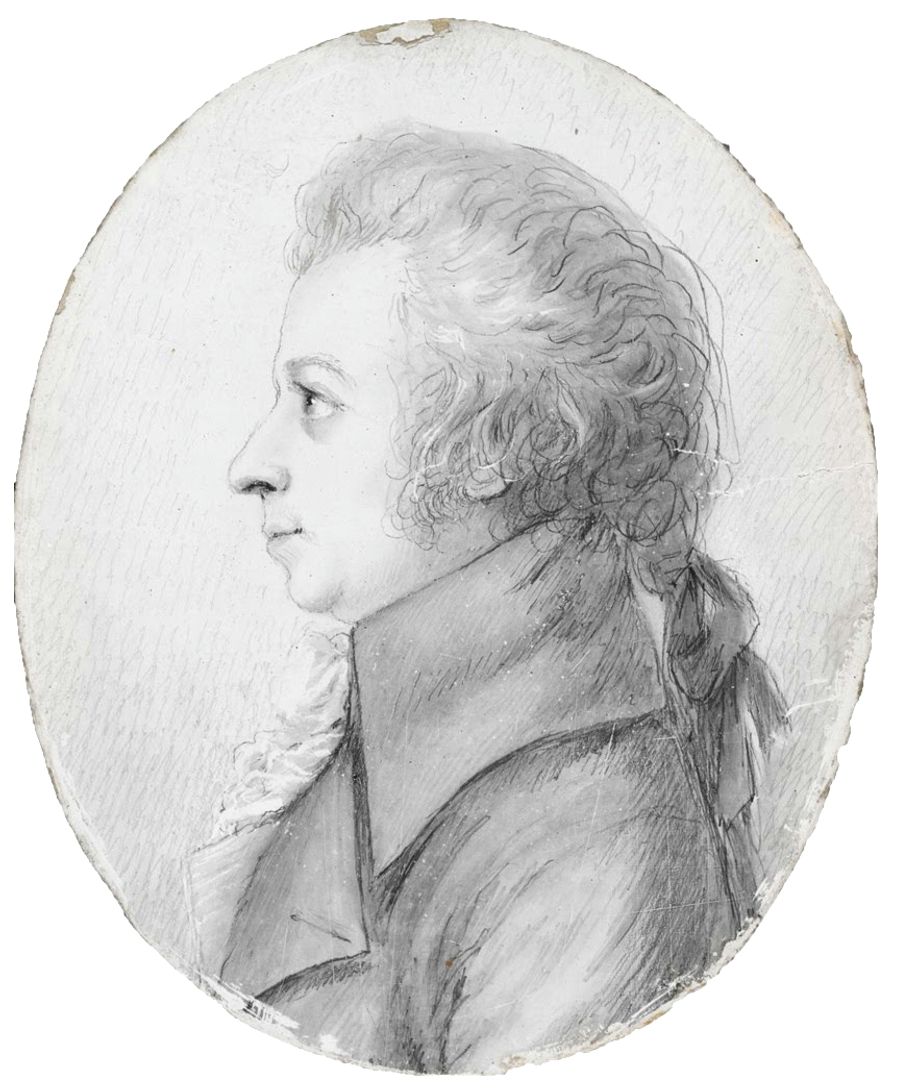
- 쾨헬 번호
- K9 593 | K6 593
- 장르
- 실내악
- 형식
- 현악·관악 오중주
- 조성
- D Major
- 날짜
- 12월 1790
- 장소
- Vienna
- 나이
- 34
모차르트의 현악 5중주 D장조 K. 593(1790)은 후기 빈 시기의 실내악으로, 익숙한 ‘비올라 5중주’ 편성을 유난히 투명하고 넓은 울림으로 재구성한다. 특히 첼로 성부는 종종 통주저음처럼 받치는 역할을 넘어, 침착한 주인공처럼 담론을 이끈다. 모차르트가 1790년 12월 자신의 작품 목록에 기입한 이 곡은 마지막 해의 문턱에 서 있으며, 귀족적 균형감 속에서도 후기 양식 특유의 솔직한 친밀감이 또렷이 들린다.[1][2]
배경과 맥락
1790년의 빈은 볼프강 아마데우스 모차르트(1756–1791)에게 대비가 선명한 도시였다. 대외적으로 그는 여전히 유명 인사였다—Così fan tutte가 1월 부르크테아터에서 초연되었기 때문이다—그러나 사적인 사정은 점점 더 위태로워지고 있었다. 귀족 취향의 변화, 수익성 좋은 아카데미(연주회)의 감소, 그리고 빚의 지속적인 압박이 겹쳤다. 이 해 모차르트의 작업 목록은 그가 장르 사이를 놀라운 민첩성으로 오가고(오페라, 행사곡, 실내악), 동시에 가을에는 레오폴트 2세의 대관 축하행사를 위해 프랑크푸르트로 떠날 중요한 여행을 준비하고 있었음을 보여준다.[3]
그런 환경에서 실내악은 의미심장한 위치를 차지한다. 극장이나 정기 구독 연주회처럼 거대한 인프라 없이도 쓸 수 있었고, 집에서 연주하는 애호가들 사이에서는 여전히 ‘격(格)’을 보여주는 교양의 화폐로 통했다. 모차르트의 후기 실내악 양식은 흔히 명료함에서 비롯된 “고전적”인 것으로 설명되지만, 가장 뛰어난 작품들—특히 K. 593은—그보다 더 구체적인 무엇을 제시한다. 곧 정밀하게 조율된 친밀함의 예술이다. 이 곡의 쓰기는 단순히 대화적(conversational)인 데 그치지 않고, 전략적으로 분배되어 있다. 마치 제1바이올린을 의미의 유일한 운반자로 취급하지 않을 때, 내성부와 베이스 라인이 얼마나 많은 표현적 무게를 감당할 수 있는지 모차르트가 탐색하는 듯하다.
이 목표에 결정적인 것은 5중주의 편성(바이올린 2, 비올라 2, 첼로)이다. 제2비올라는 단지 “두께”를 더하는 존재가 아니다. 중음역을 유연하고 인간적인 성악적 공간으로 확장해, 반주가 논평으로 바뀌고, 다이내믹의 상한을 높이지 않고도 화성 진행을 극적으로 만들 수 있게 한다. 그 결과 K. 593의 음향 세계는 음색의 측면에서는 관현악적 풍성함을 느끼게 하면서도, 수사(레토릭)의 측면에서는 끝내 사적인 친밀함을 고집한다—선포하지 않아도 설득하는 음악이다.
작곡과 헌정
모차르트는 1790년 12월 자신의 개인적 주제목록(themetic catalogue)에 이 작품을 Quintetto라는 일반적 표제만을 붙여 기입했다—작은 기록상의 디테일이지만 해석적으로는 의외로 큰 파장을 낳는다.[2] “프로이센” 사중주(K. 575, 589, 590)에서는 왕실을 향한 목적지가 명시되어 있지만, 여기에서는 그런 헌정 공식이 보이지 않는다. 이 부재는 프로그램 노트와 연구에서 조용한 논쟁을 불러왔다. K. 593을 첼로 연주로 유명했던 프리드리히 빌헬름 2세를 염두에 둔 “프로이센” 기획의 연장선으로 들어야 하는가, 아니면 그 사중주들과 단지 후기의 양식적 기후를 공유하는 작품으로 보아야 하는가?
두 입장은 동시에 성립할 수 있다. 한편으로 이 5중주는, 특히 보통이라면 상성부가 담론을 “도입”할 것으로 기대되는 순간들에서, 첼로에 눈에 띄는 수사적 존재감을 부여한다. 일부 논자들이 이를, 첼로를 중시하는 후원자를 위해 글을 쓴 최근 경험과 연결하는 것은 충분히 그럴듯하다.[4] 다른 한편으로 이 작품의 사회적 ‘수신자’는 사중주들만큼 분명하지 않다. 두드러진 아마추어를 화려한 기교로 일관되게 치켜세우는 방식이 아니다. 대신 첼로를 논의의 한가운데로 통합하여, 시작하고, 응답하고—가장 결정적으로는—정서적 온도를 설정하게 한다.
출판 경력 또한 그림을 더 섬세하게 만든다. 모차르테움의 쾨헬 목록(Köchel-Verzeichnis)은 모차르트가 후기 현악 5중주들에 대해 출판을 염두에 두었던 듯하다고 기록하지만, K. 593을 포함한 여러 곡은 그가 사망한 직후에야 인쇄되었다.[1] 이 지연은 중요하다. 작품이 처음에는 즉각적인 공적 시장이 아니라, 빈의 준(準)사적 세계—초견 연주 모임, 후원 네트워크, 전문 동료들의 교류—속에서 살아 있었을 가능성을 시사하기 때문이다.
그 세계에 속하는 특히 매혹적인 일화가 하나 있다. 현대의 프로그램 문헌에서 유통되는 이야기로, 1790년 말 요제프 하이든, 모차르트, 그리고 바이올리니스트 요한 토스트가 모여 모차르트의 새 5중주를 초견으로 연주했고, 하이든과 모차르트가 탐나는 제1비올라 파트를 서로 번갈아 맡았다는 것이다.[5] 동시대 기록이 없는 한 이를 확실한 사료로 취급할 수는 없지만, 그럼에도 문화적 기억으로서 의미가 있다. 후대 연주자들이 본능적으로 이 음악을 숙련된 동료 연주자들의 원(圓) 속에 위치시켜 왔음을 보여주기 때문이다—바로 그 환경에서 모차르트의 5중주 작법은 가장 섬세한 차원까지 설득력을 얻는다.
형식과 음악적 성격
I. Allegro (D장조)
1악장은 후기 모차르트적 침착함의 모범이다. 소나타-알레그로 형식(제시부, 발전부, 재현부) 안에서 드라마는 대립이라기보다 익숙한 제스처들의 무게중심을 다시 배치하는 것에 가깝다. 도입부는 서둘러 찬란함으로 치닫지 않는다. 명료하고 공적인 D장조를 세운 뒤, 곧바로 이 5중주의 진짜 관심사가 특정 순간에 담론을 ‘누가’ 짊어지는가에 있음을 드러낸다.
가장 두드러지는 점은 모차르트가 내적 공간을 ‘주체성’의 장소로 다룬다는 것이다. 비올라들은 화성을 채우는 데 그치지 않고, 전환을 빚어내며, 종지의 확실성을 부드럽게 흐리면서, 전경과 배경이 유난히 쉽게 역할을 교환하는 원근감을 만든다. 바로 여기서 제2비올라는 덧붙인 악기가 아니라 작곡 도구가 된다. “중간” 성부가 완결된 악구로 말할 수 있기 때문에, 모차르트는 제1바이올린을 서정적으로 유지하면서도 직조가 위로만 쏠리는 것을 막을 수 있다.
II. Adagio (G장조)
K. 593이 논쟁 없이 자기 존재를 입증하는 단 하나의 악장이 있다면, 그것은 Adagio일 것이다. D장조에 대해 따뜻한 하딸림조 영역인 G장조에서, 모차르트는 아리아의 단정함으로 펼쳐지되 실내악적 발화의 취약함을 지닌 음악을 쓴다. 여기서 자주 논의되는 첼로의 두드러짐은 곡예적(athletic)이지 않다. 그것은 고백적이다. 프로그램 노트 작성자들은 오래전부터 첼로의 서두를 하나의 사건으로 꼽아 왔다—반주라기보다 한 사람이 말을 시작하는 듯한 등장이다.[4]
해석의 질문은 이를 어떻게 연주할 것인가이다. 칸타빌레적 전시로 할 것인가, 아니면 절제된 독백의 한 형태로 할 것인가. 역사주의 연주는 종종 악장의 수사적 쉼과 유예를 강조하며 화성이 숨 쉬게 두고, 더 “낭만적”인 해석은 매끄러운 레가토와 긴 다이내믹 호를 기르는 경향이 있다. 어느 쪽도 설득력 있을 수 있지만, 앙상블이 듣고 있다는 감각—각 악구가 단지 동반되는 것이 아니라 응답받는다는 듯한 감각—을 보존할 때 이 악장의 힘은 더 커진다고 볼 수 있다.
III. Menuetto: Allegretto – Trio (D장조)
모차르트의 후기 미뉴에트는 좀처럼 단순한 궁정적 유물이 아니다. 대개 사회적 형식이 성격 소품으로 전환된 결과물이다. K. 593의 Menuetto는 자연스러운 우아함을 지녔지만, 진짜 매력은 다섯 성부가 만들어내는 충만한 울림과 더 골격적이고 날카로운 아티큘레이션 사이를 얼마나 빠르게, 그리고 능청스럽게 전환할 수 있는지에 있다.
(대조적인 조성 영역에 놓인) Trio는 스포트라이트를 재분배하는 모차르트의 재능을 부각한다. 하나의 “독주자”를 내세우기보다, 그는 직조 자체가 주인공이 되게 한다. 음역의 변화, 편성의 이동, 갑작스러운 투명성. 연주에서의 요령은 이런 변화들이 음량의 변화가 아니라 장면의 변화로 읽히도록 하는 것이다.
IV. Allegro (D장조)
피날레는 악보 위에서는 단순해 보일 수 있는 밝음을 가져오지만, 실제로는 앙상블의 지능을 시험한다. 고양된 기분은, 추진력을 잃지 않으면서도 세부를 또렷이 조형해내는 능력에 달려 있다. 제2비올라와 첼로는 관악기처럼 또렷한 리듬과 화성의 선을 드러내야 하며, 바이올린들은 번쩍이는 광채라기보다 부력감 있는 경쾌함을 유지해야 한다.
여기서 우리는 왜 일부 논자들이 K. 593을 모차르트의 후기 작품들 가운데 가장 “고전적으로 균형 잡힌” 곡으로 꼽는지, 그리고 왜 그 딱지가 오해를 부를 수 있는지 함께 듣게 된다. 이 피날레는 감정적으로 중립적이지 않다. 감정이 규율되어 있다. 기쁨은 분명 실제지만, 그것은 비례의 가치를 배운 기쁨이다.
수용과 유산
K. 593은 어떤 전설적인 단 한 번의 초연을 통해 레퍼토리에 들어왔다기보다, 다섯 개의 현악 성부를 ‘그럴듯하게 많아 보이는’ 것이 아니라 ‘필연적으로 들리게’ 만드는 작곡상의 문제를 보기 드물게 우아하게 해결했다는 점이 꾸준히 인정되며 자리 잡았다. 모차르테움의 작품 항목은 이 곡을 모차르트가 후기의 현악 5중주를 심화해 가던 흐름 속에 위치시키고, K. 593을 포함한 몇몇 5중주의 출판이 그의 사후 곧바로 이루어졌음을 지적한다. 이는 당대의 즉각적인 대중적 호평 못지않게 편집자, 출판업자, 연주자들이 남긴 사후 생애(afterlife)에 의해 작품의 운명이 형성되었음을 시사한다.[1]
현대의 수용은, 더 이르고 더 어두운 String Quintet in G minor, K. 516 및 장대한 C장조 K. 515와의 암묵적 비교에 의해서도 형성되어 왔다. 그 기념비적 선배들에 비하면 K. 593은 “햇살이 비치는” 작품처럼 들릴 수 있고—일부는 (부당하게도) 그 평온함을 모차르트 말년의 야심이 줄어든 증거로 읽기도 했다. 그러나 후기 5중주들에 대한 편집 및 비평적 논의에 비추어 더 설득력 있는 관점은, K. 593이 다른 종류의 야심을 대표한다는 것이다. 비극도 장엄함도 아니라, 분배, 음역, 그리고 절제의 도덕적 힘으로 표현을 운반하는 고도의 균형 감각—곧 ‘평형의 고급 기술’이다.[2]
마지막으로 실용적이면서도 의미심장한 유산이 있다. 연주자들은 종종 K. 593을, 앙상블이 “사중주에 비올라 하나 추가”가 아니라 다섯으로 사고하기를 배운 뒤에야 비로소 ‘스스로 리허설되는’ 실내악이라고 말한다. 그것이 바로 모차르트의 성취다. 그는 사중주 직조를 장식하지 않는다. 그는 5중주의 심리학을 작곡한다—내성부가 행동을 개시할 수 있고, 첼로가 다른 이들의 말을 떠받치기만 하는 존재가 아니라 먼저 말할 품위를 부여받는 심리학을.
출처
[1] Internationale Stiftung Mozarteum: Köchel-Verzeichnis entry for the String Quintet in D major, K. 593 (work data and contextual note).
[2] Bärenreiter critical edition preface (preview PDF): notes on Mozart’s autograph catalogue entry (“in December 1790”) and related source/editorial context for K. 593.
[3] Cambridge University Press: The Cambridge Companion to Mozart (front matter timeline summarizing 1790 events incl. *Così fan tutte* premiere and Mozart’s Frankfurt journey).
[4] West Cork Music work note for K. 593 (discussion of cello prominence and relationship to the ‘Prussian’ context).
[5] Bowdoin Music Festival program note (reports an anecdote of a late-1790 read-through involving Haydn, Tost, and Mozart).