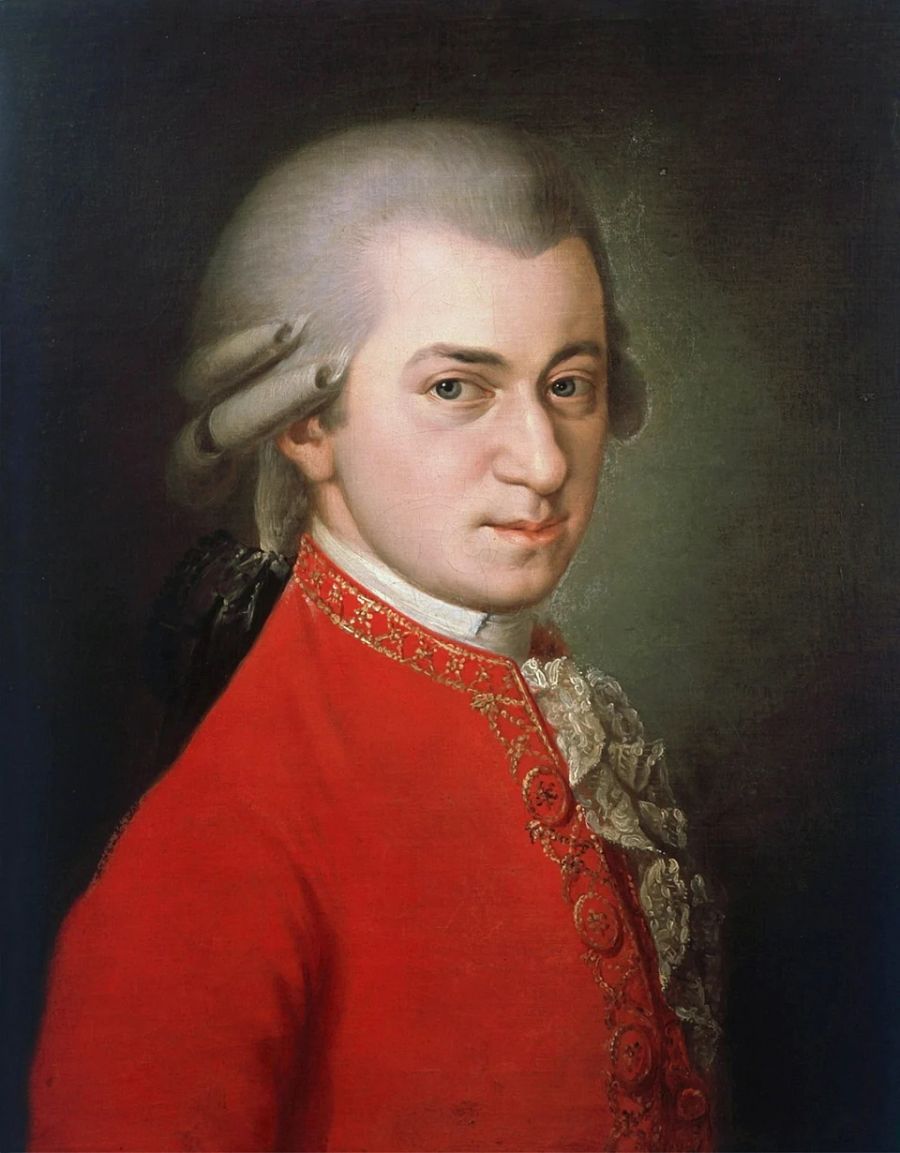
- 쾨헬 번호
- K9 459 | K6 459
- 장르
- 협주곡
- 형식
- 피아노 협주곡
- 조성
- F Major
- 날짜
- 11 12월 1784
- 장소
- Vienna
- 나이
- 28
모차르트의 피아노 협주곡 제19번 F장조 K. 459는 1784년 빈에서 작곡되어, 피아노와 관악기의 대화적 짜임과 세 악장(빠름–느림–빠름) 구성 속에서 우아함과 기교를 균형 있게 보여주는 작품이다.
배경 및 작곡 맥락
볼프강 아마데우스 모차르트는 1784년 말 무렵 빈에서 피아노 협주곡 제19번 F장조 K. 459를 작곡했다[1]. 이 시기는 모차르트가 작곡과 공개 연주 양면에서 특히 왕성하게 활동하던 때였다. 실제로 이 F장조 협주곡은 그해에 완성한 여섯 곡의 피아노 협주곡 가운데 마지막 작품이었다[2]. 모차르트는 1781년 빈으로 이주해 초반에는 성공을 거두었지만, 1780년대 중반에 이르러 이 도시의 관객이 변덕스럽다는 사실을 깨닫게 된다[3]. 명성과 수입을 유지하기 위해 그는 구독 연주회(당시에는 음악 “아카데미”로 불림)를 조직해 자신의 신작을 초연했는데, 여기에는 그가 직접 쓴 피아노 협주곡들도 포함되었다[4]. 협주곡 제19번은 대중의 관심 속에 자신의 이름을 계속 남기려는 노력의 일환으로, 1785년 초 그러한 연주회 가운데 하나에서 모차르트 자신이 초연했을 가능성이 크다[5].
정치·문화적으로 1784년의 빈은 요제프 2세 치하에서 계몽주의 사상이 활발히 꽃피던 중심지였다. 모차르트는 귀족 후원자들과 지식인들의 모임을 오갔고, 당시의 계몽적 사회 분위기를 반영하듯 1784년 12월에는 프리메이슨 로지에도 가입했다[6]. 이 무렵의 편지에서 모차르트는 박수를 얻으려면 협주곡이 지나치게 단순하거나, 혹은 어안이 벙벙할 만큼 복잡해야 한다고 한탄했는데, 진정한 탁월함은 대중이 온전히 알아주지 않는다는 뜻이었다[7]. 그는 이 F장조 협주곡에서 우아함과 화려함의 균형을 찾고자 했다. 또한 동시대 작곡가들로부터도 자극을 받았는데, 1784년은 모차르트가 크게 존경하며 배움을 얻었던 요제프 하이든과의 우정이 절정에 이르던 시기이기도 했다[8]. 이러한 여러 요인이 피아노 협주곡 제19번의 탄생 배경을 이루었고, 모차르트는 (자신의 작품 목록에 따르면) 이 곡을 1784년 12월 11일에 완성했다[1]. 이 작품은 그가 직접 연주하기 위해 마련된 것이며, 빈 관객을 기쁘게 하는 동시에 세련된 예술성을 과시하도록 설계되었다[5].
다음은 모차르트 피아노 협주곡 제19번 F장조 K. 459의 연주로, 안드라스 쉬프가 독주를 맡고 잉글리시 챔버 오케스트라가 조지 맬컴의 지휘로 함께한다:
편성
모차르트는 이 협주곡을 당시의 초기 피아노인 포르테피아노로 연주했을 것이다. 이 곡은 독주 건반악기와, 플루트 1대·오보에 2대·바순 2대·호른 2대·현악기로 이루어진 소규모 관현악을 위해 쓰였다[9]. 이는 고전주의 시대에 흔한 편성이었으며, 현존하는 총보에는 클라리넷이나 트럼펫이 포함되어 있지 않다는 점이 특히 눈에 띈다. (모차르트 자신의 작품 목록에는 트럼펫과 팀파니 파트가 암시되어 있으나, 그런 파트는 발견되지 않았다[10].) 목관을 고루 갖춘 편성은 작품에 풍부한 음색 팔레트를 제공한다. 모차르트는 앙상블을 역동적이고 대화적으로 운용하여, 관악기들이 단순 반주에 머무르지 않고 종종 중요한 선율을 맡아 피아노와 적극적으로 대화를 나누도록 한다[11]. 피아노와 관악기 사이의 친밀한 상호작용은 이 협주곡에 실내악적인 성격을 부여하며, 관현악의 색채와 질감을 다루는 모차르트의 세련된 감각을 보여준다[12]. 또한 오케스트라가 때로는 독주자와 별개로 독자적 역할을 수행하면서, 당시 협주곡으로서는 혁신적이라 할 만한 풍성한 협업의 순간을 만들어낸다[13].
형식과 음악적 성격
모차르트의 대부분의 협주곡과 마찬가지로 제19번은 세 악장(빠름–느림–빠름)으로 이루어져 있다[14]. 세 악장 모두 비교적 생기 있는 빠르기 표기(“Allegro” 또는 “Allegretto”)를 달고 있지만, 각 악장은 고유한 성격과 구조적 특징을 지닌다. 이 작품에서 모차르트는 우아한 단순함과 정교한 공작 사이의 균형을 성취한다. 아래는 각 악장의 형식과 양식을 개관한 것이다.
제1악장(Allegro) – 협주곡은 F장조에서 시작하며, 피아노의 등장을 늦추는 이례적으로 긴 오케스트라 서주로 문을 연다[8]. 박자는 알라 브레베(2/2)로, 모차르트 피아노 협주곡의 제1악장 가운데 유일하게 2/2로 쓰인 사례다[15]. 오케스트라는 경쾌한 주제들을 차례로 제시하는데, 처음에는 리듬감 있는 행진곡풍의 활력을 지닌 소박한 선율로 시작한다[16]. 마침내 독주 피아노가 들어오면 “무장해제시킬 만큼의 매력과 가벼움”으로[8] 주제들을 받아 이어가며 오케스트라와 활기찬 주고받음을 펼친다. 이 악장은 “우아함과 기세를 겸비한, 운동선수 같은” 성격으로 묘사되기도 했다[17]. 악장 전반에서 모차르트는 피아노와 관현악기 사이의 대화를 적극 활용하며, 짧은 대위법적(선율이 겹쳐 진행되는) 에피소드를 엮어 넣어 음악의 들뜬 기운에 세련미를 더한다[18].
제2악장(Andante un poco Allegretto) – 중간 악장은 C장조(F의 딸림조)로 전조하며, “조금 Allegretto”라고 표기되어 매우 느린 Adagio라기보다는 다소 빠른 쪽의 부드러운 andante를 뜻한다[19]. 분위기는 우아하고 노래하듯 서정적이며, 평온한 성격을 띤다. 모차르트는 피아노와 목관 사이에 섬세한 대화를 구현하는데, 독주자는 플루트·오보에·바순과 선율 구절을 교환하며 품격 있는 주고받음을 자주 들려준다[20]. 이로써 악장에는 친밀한 실내악적 매력이 깃든다. 장조의 따뜻함 속에서도 선율의 진행에는 미묘한 우수의 그늘이 배어 있어[21], 부드러운 그리움이 정서적 깊이를 더한다. 전반적으로 제2악장의 단순함과 균형감은 절제 속 표현이라는 모차르트의 예술을 잘 보여주며, 에너지 넘치는 양끝 악장 사이에서 노래하는 간주처럼 기능한다.
제3악장(Allegro assai) – 피날레는 밝고 장난기 넘치며 빠른 속도로 질주한다. F장조로 쓰였고 활기찬 론도 형식을 취하는데, 귀에 잘 붙는 주요 주제는 듣는 이로 하여금 흥얼거리게 만들 법하다. 이례적으로 모차르트는 피날레의 전개부에 짧은 푸가 에피소드를 끼워 넣는다. 여러 성부가 모방하며 차례로 들어오는 이 구절은 바로크 푸가를 떠올리게 한다[22]. (모차르트는 이 무렵 바흐를 비롯한 바로크 작곡가들의 음악을 연구하고 있었고, 여기서 그는 바로크적 대위법을 고전주의의 문맥 속에 절묘하게 혼합한다.) 악장은 피아노와 관악기가 함께 제시하는 발을 구르게 하는 듯한 주제로 시작하며[23], 이후 한껏 흥겨운 흐름을 ‘작은’ 고귀한 푸가 구절이 잠시 가로지르면서 모차르트의 대위법적 기량을 드러낸 뒤, 아무렇지 않게 경쾌한 주제로 되돌아간다[24]. 학구적인 푸가와 갈랑 양식의 노래하는 론도가 결합된 이 스타일의 융합은 탁월하게 처리되어, 피날레를 경쾌하면서도 지적으로 인상 깊게 만든다. 실제로 이 악장은 모차르트가 쓴 협주곡 피날레 가운데 가장 복잡하고도 눈부신 작품 중 하나로 평가된다[25]. F장조 협주곡은 유쾌한 에너지와 기지 넘치는 장인정신의 폭발로 마무리되며, 청자에게 또렷한 결말을 남긴다.
수용과 유산
모차르트의 피아노 협주곡 제19번은 당대에 호의적으로 받아들여졌고, 오늘날까지 연주자와 청중의 사랑을 받아 왔다. 모차르트가 이 작품을 초연했을 때(가장 가능성이 큰 시점은 1785년 초), 그 자리는 많은 빈의 귀족들이 참석한 성대한 연주회의 일부였다. 당시 빈을 방문 중이던 부친 레오폴트는 그 연주회가 “훌륭했다”고 전하며 “귀족 사회의 인사들이 매우 많이 참석했다”고 보고했다[26]. 그는 또한 오케스트라의 뛰어난 연주를 칭찬했는데, 이 협주곡이 피아노와의 대화 속에서 관악 주자들에게 두드러진 역할을 부여한다는 점을 고려하면 특히 의미심장하다[27]. 대중을 만족시키면서도 정교한 음악을 들려주는 모차르트의 능력이 드러난 순간이었지만, 동시에 그는 빈의 취향이 변하기 시작했음을 관찰하기도 했다(1784–85년의 더 풍부한 관현악법과 복잡한 협주곡들—이 작품을 포함해—은 보수적 청자 일부를 당혹스럽게 했을 수 있으나, 다른 이들에게는 깊은 인상을 남겼을 것이다[12]).
몇 년 뒤 모차르트는 이 F장조 협주곡을 매우 중요한 행사에 선택한다. 1790년 10월 그는 황제 레오폴트 2세의 대관식을 위해 프랑크푸르트로 여행했고, 축제의 일부로 이 협주곡을(후기의 협주곡 제26번과 함께) 연주했다[28]. 이 사건 때문에 F장조 협주곡은 때때로 “두 번째 대관식 협주곡”이라는 별칭으로 불리기도 한다. (D장조 협주곡 제26번 K. 537은 모차르트가 프랑크푸르트에서 함께 연주한 작품으로 “대관식” 협주곡이라는 이름으로 널리 알려져 있으며, F장조 제19번은 같은 대관식 축하 행사에 사용된 또 하나의 곡이라는 의미에서 ‘두 번째 대관식 협주곡’이라 불리게 된 것이다)[29]. 이 F장조 작품은 모차르트 사후 몇 년이 지나 출판되었는데, 1794년 요한 안드레가 처음 간행했고 이어 1800년 브라이트코프 & 헤르텔이 출판했다[30]. 이는 작품이 인쇄물로 더 넓은 청중에게 전달되는 데 기여했다.
수세기에 걸쳐 피아노 협주곡 제19번은 모차르트 레퍼토리의 일부로 남아 왔지만, 더 뒤에 나온 몇몇 협주곡(예: 극적인 d단조 제20번, 서정적인 C장조 제21번)만큼 일반 연주회 관객에게 널리 알려진 편은 아니다. 그럼에도 음악가와 애호가들은 오랫동안 이 작품을 우아한 공작과 신선한 발상 때문에 높이 평가해 왔다. 우아한 선율과 복잡한 상호작용이 결합된 이 협주곡의 특징은 학자들에 의해 모차르트 성숙기 양식의 표지로 지적되어 왔다[31]. 특히 ‘작은’ 푸가를 포함한 피날레는 이후 음악에서 나타나는 양식의 수렴을 예고하는 선구적 터치로 두드러진다. 20–21세기에 이르러서도 이 협주곡은 정상급 피아니스트와 오케스트라에 의해 계속 연주·녹음되며, 그 유산이 이어지고 있다. 클라라 하스킬과 다니엘 바렌보임부터 미츠코 우치다와 안드라스 쉬프에 이르기까지, 저명한 모차르트 해석자들이 모두 이 F장조 협주곡을 무대와 음반에서 꾸준히 옹호해 왔다[32]. 오늘날 청자들은 피아노 협주곡 제19번 F장조를 모차르트 작품 세계의 “우아한 보석”[2]으로 받아들인다. 이는 모차르트 자신의 표현을 빌리자면 “단순한 것과 이해 불가능한 것 사이”에 흥미롭게 놓인 작품으로, 즉각적인 매력과 미묘한 세련미를 함께 결합한다[7][12].
출처
Sources
[1][9][10][11][14][15][16][17][19][29][30][31] Piano Concerto No. 19 (Mozart) - Wikipedia
https://en.wikipedia.org/wiki/Piano_Concerto_No._19_(Mozart)
[2][26][27][28] Mozart's Piano Concerto No. 19 in F Major, K. 459 — Boston Baroque
https://baroque.boston/mozart-piano-concerto-19
[3][4][7][12][13][18][20][22][23][24] Piano Concerto No. 19 in F major, K. 459, Wolfgang Amadeus Mozart
https://www.laphil.com/musicdb/pieces/2742/piano-concerto-no-19-in-f-major-k-459
[5][8][21][25][32] Piano Concerto No. 19 in F Major by Wolfgang Amadeus Mozart (K. 459, KV459) - Apple Music Classical
https://classical.music.apple.com/us/work/wolfgang-amadeus-mozart-1756-pp245
[6] Mozart and Freemasonry - Wikipedia