- 쾨헬 번호
- K9 427 | K6 417a
- 장르
- 종교음악
- 형식
- 미사 & 레퀴엠
- 조성
- C Minor
- 날짜
- 7월 1782–10월 1783
- 장소
- Vienna
- 나이
- 27
다단조 ‘대미사’(Große Messe in c-Moll)는 볼프강 아마데우스 모차르트가 1782~83년에 작곡한, 완성되지 않은 대규모 가톨릭 미사곡이다. ‘Great(대)’라는 별칭은 규모와 음악적 폭의 장대함을 가리키며, 모차르트의 더 짧은 미사들과 구별하기 위해 붙었다[1]. 작품은 미완성으로 남아 신경(Credo)의 일부와 아뉴스 데이(Agnus Dei) 전체가 빠져 있지만, 깊이 있는 예술성과 양식의 융합으로 모차르트의 위대한 작품 가운데 하나로 평가된다[1]. 아래에서는 역사적 배경, 음악적 구성, 그리고 유산을 개관한다.
작곡과 시대적 맥락(1782–1783)
모차르트는 1782년, 잘츠부르크를 떠나 빈으로 이주한 직후이자 콘스탄체 베버와 결혼한 지 얼마 되지 않아 빈에서 다단조 미사 작곡을 시작했다[2][3]. 이는 그의 삶에서 결정적인 시기였다. 그는 잘츠부르크 궁정악사 직의 제약에 반발해 제국의 수도로 옮겨왔고, 프리랜서 작곡가로 자리를 잡아가고 있었다. 문화적으로 1780년대 초 빈은 계몽사상의 영향 속에 활기가 넘쳤고, 개혁을 추진하던 황제 요제프 2세 치하에 있었다. (특히 요제프의 정책은 빈의 교회들에서 화려한 교회음악을 제한하는 방향이었다[4]. 즉 전면 규모의 미사곡에 대한 직업적 수요가 거의 없었는데, 이는 모차르트의 이 기획이 의뢰작이 아니라 자발적 동기에서 비롯되었음을 더욱 분명히 한다[5].)
개인적 배경: 1782년 8월의 결혼은, 사전에 상의받지 못했던 부친 레오폴트 모차르트에게 처음에는 미묘한 반응을 불러왔다. 1783년 1월 4일자 편지에서 모차르트는 레오폴트에게 자신이 세운 서원(vow)을 전한다. 콘스탄체를 아내로 데리고 잘츠부르크에 가는 데 성공한다면 미사를 작곡해 잘츠부르크에서 연주하겠노라고 마음속으로 “약속했다”는 것이다[6][7]. 콘스탄체는 결혼 전 중병을 앓았고, 모차르트는 그녀의 회복에 대한 감사, 그리고 혼인에 대한 감사의 표시로 이 서원을 세웠음을 시사한다[8]. 이 약속이 다단조 미사의 직접적인 동력이 되었다. 1783년 초 모차르트는 부친에게, 자신의 진정성을 증명하듯 “여기 완성을 기다리는 반쪽 미사의 총보가 있다”고 보고했다[6][9].
음악적 영향: 이 시기 모차르트는 오페라와 교향곡에서 성공을 거두고 있었고(예컨대 Die Entführung aus dem Serail은 1782년 초연), 동시에 바로크 거장들의 음악을 깊이 공부하고 있었다. 빈에서 그는 고트프리트 판 슈비텐 남작의 모임에 참여했고, 그곳에서 J.S. 바흐와 헨델의 음악을 접했다[10][11]. 이 탐구는 다단조 미사에 강렬한 흔적을 남긴다. 모차르트는 누이에게, 슈비텐의 도서관에서 가져온 바흐와 헨델의 푸가들을 콘스탄체가 “완전히 사랑하게 되었다”고까지 썼다[12]. 그리하여 이 미사는 바로크의 대위법 기법과 동시대 고전주의 양식을 결합하는, 모차르트에게 하나의 창조적 출구가 되었다.
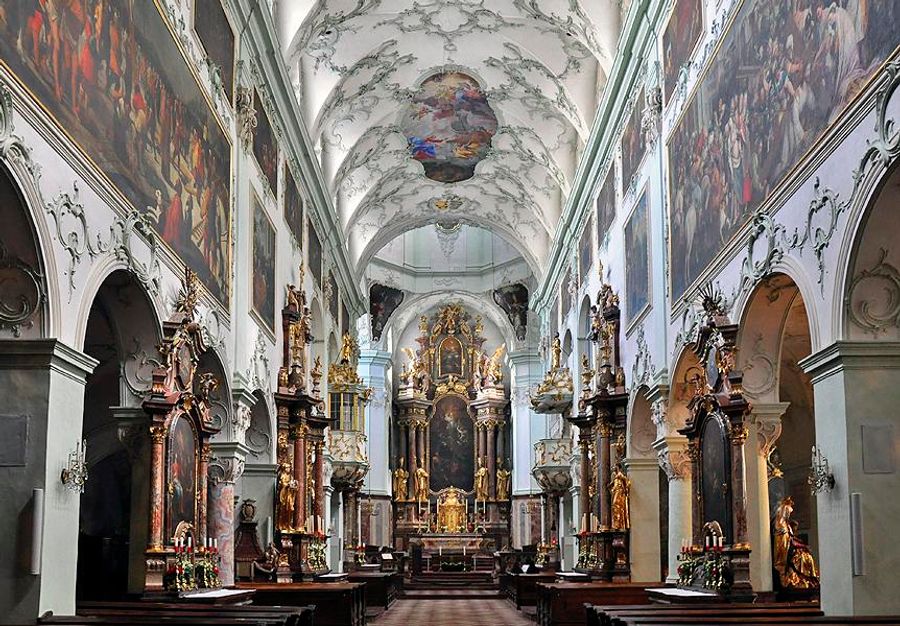
잘츠부르크 방문과 초연: 1783년 여름 모차르트와 콘스탄체는 레오폴트와의 화해, 그리고 새 미사의 연주라는 서원을 이루기 위해 잘츠부르크로 여행을 떠났다. 두 사람은 1783년 7월 말 잘츠부르크에 도착했다[13]. (비극적으로도 그들은 첫 아들 라이문트를 유모에게 맡긴 채 빈에 두고 왔고, 아기는 그들이 부재 중이던 1783년 8월 19일 사망했다[14]. 이는 예정된 초연 몇 주 전 닥친 개인적 타격이었다.) 모차르트는 미완성 상태의 미사를 1783년 10월 26일 잘츠부르크에서 연주하도록 준비했다. 연주는 성 베드로 수도원 교회(St. Peter’s Abbey Church)의 미사 전례 가운데 이루어졌다[15]. 초연에서 콘스탄체는 난도가 높은 제1소프라노 독창을 직접 불렀다[16]. 아이를 잃은 지 오래지 않은 상황을 떠올리면 더욱 놀라운 일이다. 가족 및 동시대 기록에 따르면 연주된 것은 미사의 일부였다. Kyrie, Gloria, 그리고 아마도 Sanctus(그 안의 Hosanna 포함)와 Benedictus가 연주되었고, 다른 부분(미완성의 Credo)은 전례의 흐름을 맞추기 위해 그레고리오 성가(plainchant)나 모차르트의 이전 작품에서 가져온 음악으로 대체되었을 가능성이 있다[17][18]. 장소인 성 베드로 수도원은 권위 있는 교회였고, 연주에는 모차르트의 옛 잘츠부르크 동료들(대주교 궁정악단 Hofmusik)도 참여했다[19]. 이 날은 모차르트가 (일부라도) 이 미사를 실제로 듣게 된 처음이자 마지막 기회였다. 동시에 콘스탄체를 레오폴트와 잘츠부르크 대중에게 소개하는 자리이기도 했다. 기록에 따르면 레오폴트는 처음엔 콘스탄체에게 냉담했지만 연주에는 참석했으며, 한 분석은 그가 미사에 긍정적으로 반응했음을 지적한다. 아들의 장대한 봉헌을 높이 평가했을 가능성이 있다는 것이다[20]. 모차르트와 콘스탄체는 다음 날(1783년 10월 27일) 곧바로 빈으로 돌아갔다[13].
요컨대 다단조 ‘대미사’는 모차르트 인생의 갈림길에서 탄생했다. 직업적으로는 해방되었지만 빈에서의 경제적 기반은 불안정했고, 개인적으로는 행복했으나 부모의 승인을 갈구했으며, 예술적으로는 옛것(바로크 성악곡)과 새것(고전주의 오페라적 감각) 모두에서 영감을 받았다. 의뢰 없이 전면 규모의 missa solemnis를 쓰기로 한 결정은 그 시대 기준으로 매우 이례적이었고[5], 이는 이 작품이 무엇보다 사랑과 신앙의 노동—하느님과 콘스탄체, 그리고 가족에게 바치는 “봉헌”—이었음을 강조한다[21].
편성 및 연주 인원
모차르트는 다단조 미사를 ‘대(Great)’라는 이름에 걸맞게 대규모 편성으로 구상했다[1]. 작품은 이중 SATB 합창(2개 합창단)과 4명의 독창자(소프라노 2, 테너, 베이스)를 요구한다[22]. 소프라노 독창을 두 명 둔 점이 특히 주목된다. 이를 통해 모차르트는 서로 성격이 다른 두 소프라노 파트를 쓸 수 있었고(한 명은 콜로라투라 아리아를, 다른 한 명은 앙상블이나 듀엣을 맡는 식), Benedictus에서는 4성부 독창 사중창을 온전히 구성할 수도 있었다.
관현악 역시 당시의 성악곡으로서는 웅장한 규모이며, 구성은 다음과 같다.
목관: 오보에 2대와 바순 2대(단 플루트 1대는 “Et incarnatus est” 악장에서만 사용)[23]. (클라리넷이 없는 점이 눈에 띄는데, 이는 당시 잘츠부르크 교회음악에서는 전형적이었다[[24]](https://mozartschildren.wordpress.com/2015/10/26/26-october-1783-the-great-mass-in-c-minor/#:~:text=parts%2C%20there%20are%20now%20frequent,occasionally%20acquire%20an%20independent%20function).)
금관: 호른 2대, 트럼펫 2대, 그리고 트롬본 3대[23]. 트롬본(알토·테너·베이스 트롬본)은 오스트리아 성악 전통에 따라 주로 합창의 알토·테너·베이스 성부를 보강하는 데 쓰이며[25], 합창 질감에 무게를 더한다.
팀파니: 케틀드럼 한 쌍(Gloria와 다른 축제적 부분에서 사용).
현악: 바이올린 I·II, 비올라, 첼로, 콘트라베이스. 현악은 반주와 대위적 진행의 상당 부분을 담당한다.
콘티누오/오르간: 관례대로 오르간(대개 베이스 성부를 바탕으로 연주)이 합창을 지지하고 화성을 채우며, 특히 실제 전례 연주에서 중요하다[26]. 잘츠부르크 초연에서는 모차르트 자신이 오르간 콘티누오를 연주했을 가능성이 크다[27].
이 편성은 모차르트가 잘츠부르크에서 작곡했던 어떤 미사보다도 크고 복잡하다. 이는 장대한 missa solemnis 전통과 맞닿아 있으며(예컨대 이중합창과 트럼펫/팀파니의 사용은 의전적 화려함을 암시한다), 동시에 몇몇 선택은 실용성과 지역 관행을 반영한다. 예를 들어 클라리넷을 제외하고 플루트 사용을 최소화한 것은 잘츠부르크 교회음악의 관습에 부합한다[24]. 플루트는 “Et incarnatus est”에서만 오블리가토로 등장하며, 오보에·바순과 함께 소프라노 독창과 실내악적인 상호작용을 이룬다[23][28].
주요 특징: 이중합창(8성부 작법)은 특히 “Qui tollis”와 장엄하게 울려 퍼지는 “Hosanna” 푸가에서 가장 두드러지며, 교창(antiphonal) 효과와 치밀한 폴리포니를 만들어낸다[29]. 소프라노 독창 파트는 극도로 까다로운데, 모차르트가 콘스탄체의 역량을 염두에 두고 쓴 것으로 보인다. 예컨대 “Laudamus te”는 제2소프라노를 위한 화려한 콜로라투라 아리아로, 오페라의 기교적 독창곡을 방불케 하며, “Et incarnatus est”는 넓은 음역과 정교한 패시지워크를 요구하는 제1소프라노의 숨 막히는 독창으로(성악 교회음악에서 가장 유명한 소프라노 독창 중 하나) 알려져 있다[30]. 제1소프라노는 또 다른 부분(예: “Domine Deus”, “Quoniam tu solus”)에서 듀엣이나 트리오에도 참여한다. 전체적으로 전합창, 소규모 성악 앙상블, 독창 아리아가 결합되며 탁월한 질감의 다양성을 만든다. 마치 모차르트가, 트롬본이 더해진 전합창의 장중함에서부터 몇 개의 목관과 한 목소리가 만드는 친밀함까지, 자신이 가진 모든 자원을 동원해 미사 텍스트를 표현한 듯하다. 이러한 거대한 편성 때문에 한 평자는, 만약 모차르트가 이 미사를 완성했다면 길이와 규모에서 바흐의 Mass in B minor에 맞먹었을지도 모른다고 언급하기도 했다(그 작품 역시 다양한 편성과 양식을 동원한다)[31].
형식과 음악적 성격
미완성임에도 ‘대미사’는 미사 통상문(Ordinary)을 따르는 분명한 구조를 갖고 있으며, 모차르트는 각 부분을 개별 악장으로 설정했다(오래된 바로크 미사 전통에 가까운 방식)[32]. 아래는 악장들과 그 핵심 특징이다.
- Kyrie: 다단조(Andante moderato)의 엄숙한 서두. 푸가적 양식의 장대한 합창 “Kyrie eleison”으로 시작하는데, 금욕적이며 대위법적이고 간청하는 성격을 지닌다[33]. 중간부 “Christe eleison”은 내림마장조의 서정적 듀엣(소프라노 독창—콘스탄체의 파트—과 테너)으로, 어두운 큰 틀 안에서 부드러운 숨 돌림을 제공한다[34]. 이후 처음의 Kyrie 음악이 되돌아온다. 이 3부분(ABA) 구조와 진지하고 “고풍스러운(archaic)” 어조는 바흐 연구의 반영으로, 이전 미사들의 간결한 Kyrie와 달리 여기서는 규모가 기념비적이며 분위기는 참회적이고 “비현실적인(otherworldly)” 느낌까지 자아낸다[35][36].
- Gloria: 여러 하위 악장으로 나뉘는 칸타타적 구조[37]. “Gloria in excelsis Deo”(Allegro vivace, 다장조)는 전합창으로 화려하게 출발하며, 축제적 고전주의 합창의 방식으로 환희와 위엄을 드러낸다. 이어 독창 성부들이 번갈아 전면에 나서는 부분들이 이어진다.
“Laudamus te”: Allegro aperto의 제2소프라노 독창 아리아(콘스탄체는 제1소프라노를 불렀을 가능성이 크므로 제2소프라노는 다른 가수가 맡았을 수 있다). 눈부신 기교 양식으로, 화려한 패시지와 도약은 오페라의 콜로라투라 아리아를 연상시킨다[37]. 어떤 평자는 이것이 “마치 The Magic Flute에서 튀어나온 듯… 밤의 여왕이 노래하는 것 같다”고까지 말했는데[38], Magic Flute는 더 훗날의 작품이니 시대착오적 비유이지만, 그만큼 오페라적이고 번쩍이는 음악이라는 뜻이다.
“Gratias agimus tibi”: 바장조의 느린 Adagio 합창 악장. 화성이 풍부하며, 엄숙하고 경건한 어조를 지닌다[39].
“Domine Deus”: 가장조의 Allegro moderato, 두 소프라노(I & II)를 위한 즐거운 듀엣으로 목관 오블리가토가 곁든다. 하느님을 찬미하는 우아한 오페라 듀엣처럼 구성되어 있다[40].
“Qui tollis peccata mundi”: 사단조의 Largo, 이중합창(SSAATTBB)을 위한 중량감 있는 악장. 모차르트는 8성부 합창을 촘촘한 화성과 대위적 선율로 운용한다[40]. “세상의 죄를 없애시는 이여, 자비를 베푸소서”라는 텍스트에 걸맞게 간구하는 어둡고 농밀한 색채를 띤다. 공간감을 살린 합창 효과와 함께, 바흐의 합창 작법 영향이 강하게 드러나며, 이 미사의 정서적 정점 가운데 하나로 꼽힌다.
“Quoniam tu solus”: 내림마장조의 Allegro. 소프라노 I·소프라노 II·테너 트리오가 민첩한 선율을 엮고, 때로 합창이 응답한다. 가볍고 춤곡 같은 성격이 있다.
“Jesu Christe”: 합창을 위한 짧은 Adagio로, 마지막 부분의 도입 역할을 한다.
“Cum Sancto Spiritu”: Gloria를 맺는 장대한 푸가 합창(Allegro). 헨델풍의 기교가 빛나는 이중 푸가로[41], “Cum Sancto Spiritu”의 주제와 “in gloria Dei Patris”의 주제가 각각 제시된 뒤 화려한 대위법으로 결합된다. Gloria는 이렇게 바로크적 환희가 폭발하듯 끝난다.
모차르트는 이 마지막 푸가에 이르기까지 Gloria를 완전하게 관현악화했다[[42]](https://en.wikipedia.org/wiki/Great_Mass_in_C_minor,_K._427#:~:text=Mozart%20later%20reused%20the%20music,the%20fugue%20concluding%20the%20work). 그 덕분에 Gloria는 미사 전체에서 가장 완성도가 높은 부분 가운데 하나다. Gloria 안에서 대규모 합창과 친밀한 독창이 교차하는 다양성은, 이 작품이 왜 “칸타타 미사”로 불리는지를 잘 보여준다. 즉 미사 텍스트를 하나의 연속체로 통작(through-composed)하기보다, 오라토리오나 칸타타처럼 서로 성격이 다른 ‘번호’의 연쇄로 다루는 형식이다[43].
Credo: Credo in unum Deum(Allegro maestoso, 다장조)은 대담한 합창 악장으로 시작되었으며, “Credo”라는 단어에서 푸가적 진입을 활용했을 가능성이 크다(모차르트가 이전 Credo들에서 푸가를 다뤘던 방식과 유사). 그러나 모차르트의 자필 원고는 아리아 “Et incarnatus est” 이후에서 끊긴다.
“Credo in unum Deum”: 서두 텍스트는 초고 형태로 남아 있다[44]. 이는 Gloria에 필적하는 힘찬 합창이었을 것으로 여겨지며, 대위법적 양식이었을 가능성도 있다. 다만 일부 구간에서 합창 성부와 콘티누오만 비교적 온전하게 스케치되었고, 관현악화는 미완으로 남았다[44].
“Et incarnatus est”: 가장조의 Andante, 제1소프라노 독창과 목관 3중주(플루트·오보에·바순), 그리고 약음기 현악을 위한 악장[28]. 모차르트는 소프라노 선율과 3개의 목관 오블리가토 파트를 완전히 써두었지만, 현악 반주는 부분적으로만 표시해 놓았다[28]. 이 악장은 미사의 보석 같은 존재로, 비현실적일 만큼 투명하고 친밀하며 표현력이 뛰어나다. 소프라노는 그리스도의 강생(Incarnation)을 거의 자장가처럼 경건한 어조로 노래하고, 목관의 섬세한 장식이 이를 감싼다. 선율에는 한숨짓는 듯한 음형과 가는 패시지가 가득해, 경외와 다정함이 공존하는 분위기를 만든다. “Et incarnatus est”는 자주 그 숭고한 아름다움으로 특별히 언급되며, 소프라노를 최고 음역까지 밀어붙이면서도 부드럽고 서정적인 흐름을 잃지 않는 “난해하고도 비현실적인(ethereal)” 곡으로 묘사되기도 한다[30]. 이 한 곡만으로도 독립적 광채가 있어 콘서트에서 단독 연주되기도 한다. “Et incarnatus est” 이후 모차르트는 Credo를 더 이상 작곡하지 않았고, 뒤따르는 텍스트(“Crucifixus…Et resurrexit” 등)는 원고에서 작곡되지 않은 채 남았다[45].
1783년 초연에서는 Credo가 미완성이었기 때문에, 모차르트가 그레고리오 성가 Credo를 삽입하거나 이전에 작곡한 미사들 중 하나에서 악장을 전용해 빠진 부분을 메웠을 가능성이 크다[[46]](https://baroque.boston/mozart-427#:~:text=missing,been%20considerable%20differences%20in%20style). 확정적 기록은 없지만, 연주에는 Credo의 서두와 “Et incarnatus est”가 포함되었을 가능성이 높고, 관현악화의 공백을 보완하기 위해 모차르트가 직접 오르간을 연주했을 개연성도 있다.
Sanctus와 Benedictus: 이들은 총보에 존재하지만, 일부는 역시 완전한 관현악화가 되어 있지 않다.
“Sanctus”: Largo, 다장조. 이중합창(8성부)을 위해 쓰였다[47]. Sanctus는 장엄하고 느린 웅대함을 지니며, “Sanctus, Sanctus, Sanctus”에 넓게 펼쳐지는 화음들을 쌓아 올려 성당 같은 울림을 만든다. 이어지는 “Hosanna in excelsis”는 이중합창이 힘 있는 푸가 또는 푸가토로 노래하며 환희로 폭발한다. 다만 모차르트는 Hosanna를 한 번만 써두었다(통상적으로는 Benedictus 뒤에 Hosanna를 반복한다. 현대 연주에서는 모차르트의 단일 Hosanna를 두 번 사용한다)[28][48].
- “Benedictus”: 내림마장조의 Allegro comodo. 4명의 독창자(소프라노 I·소프라노 II·테너·베이스)를 위한 우아한 사중창으로 쓰였고, 끝에서 합창이 “Hosanna”를 되풀이하며 합류한다[49]. 이 Benedictus는 모차르트의 이전 미사들보다 유난히 길고 공들여져 있으며, 서정적이고 서로 얽히는 질감 속에서 독창 사중창이 중심을 이룬다. 합창은 마지막에 들어와 장대한 Hosanna를 다시 노래했을 가능성이 크다. 이 부분에서 모차르트의 총보는 Hosanna의 이중합창 가운데 두 번째 합창단 파트가 빠져 있어, 후대 편집자들이 이를 복원해야 했다[28].
- Agnus Dei: 작곡되지 않음—모차르트는 K.427에서 Agnus Dei 텍스트를 전혀 작곡하지 않았다. 현대의 완성판에서는 편집자들이 때로 같은 다단조인 “Kyrie” 음악을 Agnus Dei로 전용하기도 하는데, 이는 모차르트의 Requiem이 서두의 음악을 결말에서 재사용하는 방식과의 유비에서 비롯된다[50].
전체적으로 이 미사는 양식적 종합을 제시한다. 예컨대 Gloria에서의 축제적 트럼펫·북의 찬란함, 보수적인 이중합창 Sanctus의 사용 등은 잘츠부르크 전통의 “화려함과 장중함(pomp and solemnity)”을 구현한다[11]. 그러나 동시에 그 전통을 넘어선다. 모차르트는 바로크 요소(푸가 작법, 정교한 대위법, 확장된 합창 진술)를 자신의 이전 미사들보다 훨씬 높은 복잡도로 통합한다. 당당한 푸가들과 풍부한 질감에서 바흐와 헨델의 영향은 분명하다[11][51]. 동시에 독창·듀엣 부분에서는 오페라와 콘체르트 아리아 경험이 반영된 오페라적이고 갈랑(galant)한 문체가 두드러진다. 현대의 평자들은 이 서로 다른 영향들이 공존하는 방식에 감탄한다. “오페라 작곡가로서의 모차르트, 성악 교회음악 작곡가로서의 모차르트, 바로크 대위법을 탐구하는 모차르트…이 모든 것이 하나로 묶여 있다.”[52] ‘대미사’는 이렇게 금욕과 장식, 옛것과 새것이 결합된, 독보적으로 강력한 신앙의 표현으로 서 있다.
수용과 유산
1783년의 초연 당시 다단조 미사는 청중에게 호평을 받았을 가능성이 크지만, 곧바로 널리 유통되지는 못했다. 모차르트 생전에는 다시 연주되지도 않았다. 한 이유는 작품이 미완성이었기 때문이다. 빈으로 돌아온 뒤 모차르트는 빠진 부분을 끝내 완성하지 않았다. 학자들은 그가 왜 작업을 멈췄는지 논의해 왔다. 그는 이 미사를 높이 평가했던 것이 분명하지만(후일 음악을 재사용한 점에서 드러난다), 1784~87년 무렵 그의 관심은 다른 장르(피아노 협주곡, 오페라 등)로 옮겨갔고, 빈의 교회음악 제도권은 화려한 미사 작곡에 큰 관심이 없었다[53][54]. 잘츠부르크에서 서원을 이룬 뒤에는 완성의 긴박감이 줄었을 수도 있고, 특히 빈에서 대규모 미사가 그의 경력에 필수적이지 않았다는 점도 작용했을 것이다. 프리랜서 작곡가로서 수입과 수요가 있는 작품을 우선해야 했다는 현실, 시간·재정적 제약 역시 한몫했을 수 있다.
‘Davide penitente’로의 재활용: 1785년 모차르트는 빈의 공개 연주회를 위해 다단조 미사의 일부를 사실상 부활시켰다. 그는 빈 톤퀸스틀러-소치에타트(Tonkünstler-Societät, 음악가 협회)로부터 사순절 자선 연주회를 위한 새 오라토리오 작곡을 의뢰받았다[55]. 시간이 촉박하자 그는 기존 미사의 Kyrie와 Gloria 악장들을 편곡하고, 라틴어 대신 이탈리아어 참회 시(詩)로 가사를 바꿨다. 그 결과물인 오라토리오 Davide penitente(K. 469)는 1785년 3월 초연되었으며, 새로 작곡한 소프라노 아리아 두 곡과, 큰 “Cum Sancto Spiritu” 푸가를 끝맺기 위한 짧은 카덴차가 추가되었다[56]. Davide penitente는 호평을 받았고, 빈은 물론 다른 곳에서도 성공적으로 연주되면서(비록 다른 가사였지만) 미사의 음악 상당 부분이 대중에게 알려졌다[57][58]. 이러한 영리한 전용은 모차르트가 이 음악을 얼마나 아꼈는지를 보여준다. 그는 교회 밖의 더 넓은 청중과도 이 음악을 나누고자 했던 것이다. 오라토리오의 가사는 기존 음악에 최대한 밀착하도록 다듬어졌고[59], Gloria의 영광은 다윗의 참회 시편으로 변주되는 식이었다. 오늘날 Davide penitente는 드물게 연주되지만, 미사의 음악을 보존하는 데 중요한 역할을 했고, 모차르트의 종교·세속 작품 사이 상호 교류(cross-fertilization)를 보여준다.
사후의 재평가: 모차르트가 사망한 뒤(1791)에도 다단조 미사는 한동안 필사본으로만 남아, 수십 년 동안 소수에게만 알려졌다. 19세기(대략 1840년대)에 이르러 미완성 형태로 처음 출판되었고[60], 이 무렵 ‘대미사’라는 별칭도 생겨나 작품의 기념비적 위상을 반영했다. 낭만주의 시대의 합창단과 작곡가들은 이 미사를 숭고한 특성 때문에 바흐의 위대한 미사나 모차르트 자신의 Requiem에 비견하며 찬탄했다. 그러나 빠진 부분 때문에 실제 연주는 늘 난제였다.
20세기 초에는 다단조 미사를 표준 레퍼토리로 되살리려는 노력이 새롭게 일었다. 1901년 알로이스 슈미트(Alois Schmitt)가 최초의 포괄적 완성판(completion)을 내놓았다[61]. 슈미트는 모차르트가 스케치만 남긴 부분의 관현악화를 채워 넣었고, 완전히 결여된 구간(Credo의 끝과 Agnus Dei)에는 다른 모차르트 전례음악을 각색해 삽입했다(예를 들어 Credo의 “Et vitam venturi”에는 이전 미사 K. 262의 악장을 사용하고, Agnus Dei에는 Kyrie 음악을 반복 적용했다)[62]. 브라이트코프 & 헤르텔(Breitkopf & Härtel)에서 출판된 슈미트 판 덕분에 이 미사는 다시 교회와 콘서트홀에서 연주될 수 있었다[61]. 후대 학자들은 슈미트의 일부 선택을 추정적이라 비판했지만, 그의 작업이 “미사를 성악 레퍼토리로 재도입했다”는 점은 인정받아 왔다[61]. 20세기 내내 여러 판본과 완성 시도가 이어졌으며, 특히 모차르트 연구자 H. C. 로빈스 랜던(H. C. Robbins Landon)은 관현악화를 다듬고 새로 발견된 자료를 반영해, 모차르트의 양식에 더 가까운 판본을 준비했다[63]. 더 최근에는 프란츠 바이엘(Franz Beyer), 로버트 레빈(Robert Levin) 같은 음악학자들이 새로운 완성판을 제시했는데(예컨대 레빈의 2005년판은 Credo와 Agnus Dei를 모차르트의 음악어법에 부합하도록 새로 작곡해 마무리한다), 오늘날의 연주는 이러한 학술 판본 중 하나를 사용하거나, 때로는 ‘모차르트가 쓴 지점까지’만 연주하며 완성을 시도하지 않기도 한다.
현대의 평가: 오늘날 모차르트의 다단조 ‘대미사’는 합창 레퍼토리의 걸작으로 자리 잡았고, 연주회에서 자주 연주되며 연주자와 청중 모두의 사랑을 받는다. 라단조 Requiem과 더불어 모차르트 종교음악의 정점으로 꼽힌다. 미완성임에도 모차르트의 역량이 극대화된 모습을 보여주며, “음악이야말로 모차르트가 가장 눈부신 순간의 모차르트”라는 평가를 받는다[52]. 청자와 학자들은 이 미사의 독특한 양식 혼합—장엄한 바로크 합창과 친밀한 오페라적 독창—을 모차르트 천재성과 성문 텍스트에 대한 깊은 이해의 증거로 자주 강조한다. 연주자들이 이 작품에 끌리는 이유도 그 극적인 대비와 영적 깊이 때문이다. Kyrie나 Qui tollis 같은 합창은 압도적이며 영혼을 흔들어 깨우는 힘을 지니고, Et incarnatus est 같은 아리아는 그 아름다움으로 청중을 눈물짓게 만들기도 한다.
오랜 기간 이 미사는 (역시 미완성인) 더 유명한 Requiem에 가려져 있었다. 그러나 특히 20세기 후반 이후 녹음과 프로그램 편성이 눈에 띄게 늘었다. 음악사학자들은 ‘대미사’가 이후 성악 종교음악의 발전을 예견했다고 말한다. 예컨대 고전 후기의 하이든과 베토벤의 미사들—교향곡적 규모와 역동적 대비를 지닌—은 모차르트가 이 작품으로 연 길에서 일정한 빚을 지고 있다는 것이다[11]. 더 나아가 이 미사는, 바로크의 “학구적 양식(learned style)”을 현대 작곡 속에 다시 통합하려는 모차르트의 성공적 시도로서, 19세기에 대위적 공예와 낭만적 화성을 결합하려 했던 작곡가들에게도 영향을 미쳤다.
결론적으로 모차르트의 다단조 ‘대미사’는 1782~83년이라는 개인적 상황과 음악적 탐구의 산물일 뿐 아니라, 전통과 혁신의 종합으로 인해 음악학자와 연주자들이 오늘날까지 찬미하는 시대를 초월한 작품이다. 그것은 음악사에서 우뚝 선 “거대한 단편”으로 남아—바로 그 미완성 덕분에—모차르트의 야심 찬 비전을 엿보게 한다. 한 학자의 말처럼 “모두가 하나로 묶여” 이 미사는 경건한 장인으로서의 모차르트, 극적 기교가로서의 모차르트, 계몽된 음악학도로서의 모차르트를 동등한 비중으로 제시한다[52]. 오늘의 청중은 현대 연주를 통해 ‘대미사’의 천재성을 계속해서 경험하며, 모차르트가 이를 완성했다면 어떠했을지를 상상하는 한편, 남아 있는 장엄한 부분들에 감사하게 된다.
출처
Sources:
Mozart’s January 1783 letter to Leopold Mozart (cited in [6][8])
Program notes from the Los Angeles Philharmonic[8][64][41] and Tafelmusik Baroque Orchestra[7][65].
Great Mass in C minor entry, Wikipedia (composition, structure, and influence)[15][37][66].
Interlude.hk article on Mozart (Georg Predota) – birth of Raimund Leopold and Salzburg trip[14].
WRTI (Susan Lewis) – “Mozart’s Dazzling Mass in C Minor” (interview with Steven Zohn)[67][52].
Boston Baroque (Martin Pearlman) – program notes on the C minor Mass[60][12][30].
Mozart’s Children blog – detailed historical commentary (including Abert/Eisen quotes)[68][62][69][70].
Neue Mozart-Ausgabe (NMA) and other scholarly editions (referenced in[1]).
[1][2][11][15][16][17][19][22][23][37][39][40][42][47][49][56][66] Great Mass in C minor, K. 427 - Wikipedia
https://en.wikipedia.org/wiki/Great_Mass_in_C_minor,_K._427
[3][8][9][10][26][27][28][35][41][48][53][54][63][64] Great Mass in C minor, Wolfgang Amadeus Mozart
https://www.laphil.com/musicdb/pieces/2311/great-mass-in-c-minor
[4][6][13][24][25][29][33][34][36][44][50][55][57][58][59][61][62][68][69][70] 26 October 1783: The Great Mass in C minor | Mozart's Children
https://mozartschildren.wordpress.com/2015/10/26/26-october-1783-the-great-mass-in-c-minor/
[5][38][43][51][52][67] Composed, with Love, for Costanze: Mozart's Dazzling Mass in C Minor | WRTI
[7][18][32][45][65] Behind the Musik: Mozart Mass in C Minor - Tafelmusik : Tafelmusik
https://tafelmusik.org/explore-baroque/articles/behind-musik-mozart-mass-c-minor/
[12][30][31][46][60] Mozart's Mass in C minor, K. 427 — Boston Baroque
https://baroque.boston/mozart-427
[14] The Birth of Mozart's Son and His D-Minor String Quartet, K421
https://interlude.hk/mozarts-musical-journeys-18-june-1783-congratulations-grandpapa/
[20] [PDF] Mozart's Salzburg Masses and the Mass in C Minor, K. 427 - CORE
https://core.ac.uk/download/pdf/48547977.pdf
[21] 1783** ## **Leopold Mozart's Opposition to Wolfgang's Marriage ...
https://www.facebook.com/groups/947844296853416/posts/1141087667529077/