- Köchel Number
- K9 Anh.C 1.40 | K6 Anh. A 2
- Genre
- Sacred Music
- Form
- Smaller Church Works
- Key
- C Minor
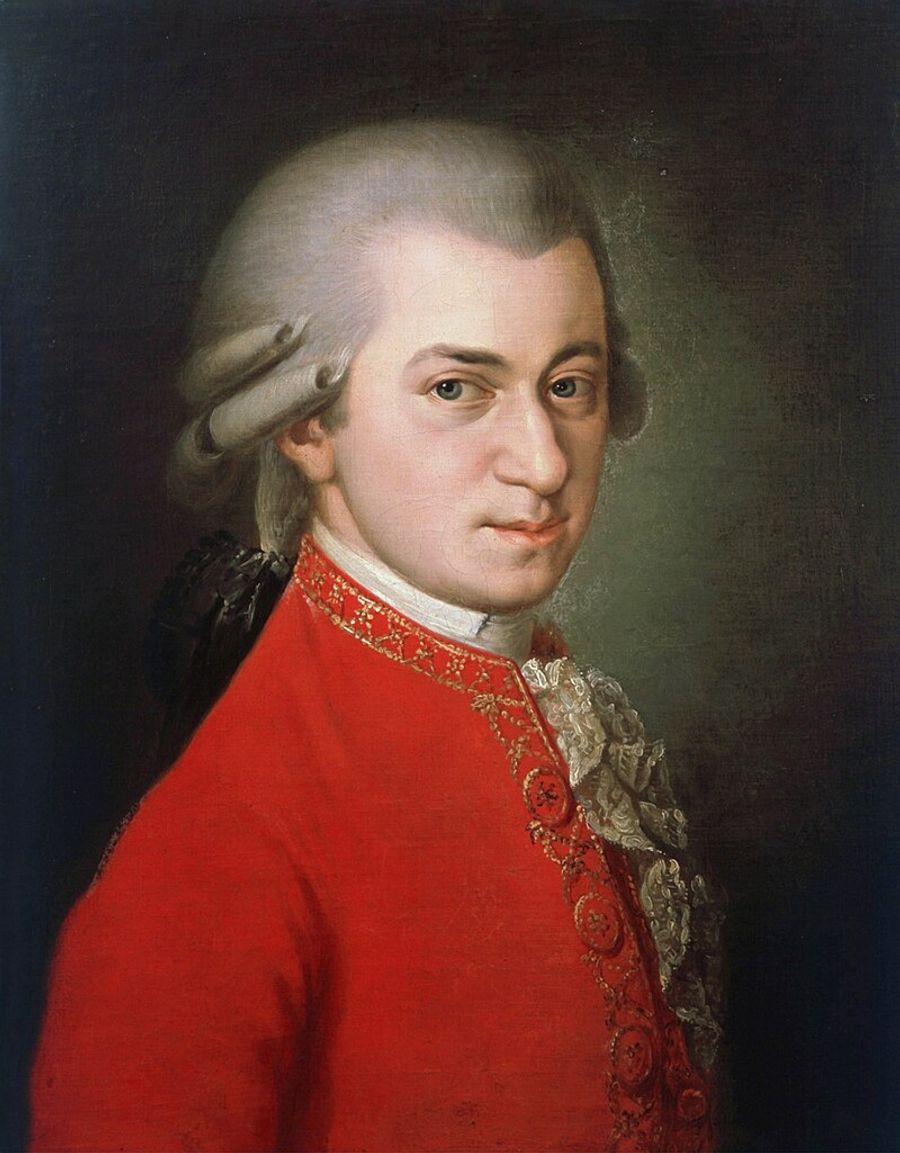
Lacrimosa in C minor (K. Anh.C 1.40) is a short, fragmentarily transmitted setting of the Requiem sequence text, long connected with Mozart in older cataloguing but now generally regarded as spurious—attributed instead to Johann Ernst Eberlin. No secure date, place of origin, or Mozart autograph is known for the piece as transmitted.[1][2]
What Is Known
The Mozarteum’s Köchel database lists “Lacrimosa” in c under K. Anh.C 1.40 with the status “incorrectly assigned,” naming Johann Ernst Eberlin as composer and Leopold Mozart as the author of a transcription.[1] The entry gives the surviving scoring as SATB with basso and organ and associates the work with Salzburg transmission.[1]
On IMSLP the same Lacrimosa appears as a one-movement work “formerly attributed” to Mozart, likewise credited to Eberlin, for mixed chorus and continuo/organ; it is dated there to 1771 (a dating that should be treated as provisional in the absence of a Mozart autograph).[2]
Musical Content
What survives is a compact choral movement in C minor, evidently conceived for liturgical use with organ-led continuo support rather than the expanded orchestral palette familiar from Mozart’s late Requiem (K. 626).[2] The texture is predominantly four-part, homophonic choral writing (stile ecclesiastico in a plain, serviceable manner), with the lower line reinforced by basso and organ, suggesting a practical church performance context rather than a concerted, symphonic conception.[1]
Sources
[1] Internationale Stiftung Mozarteum — Köchel Verzeichnis entry showing K. Anh.C 1.40 “Lacrimosa” (incorrectly assigned), naming Johann Ernst Eberlin and giving instrumentation SATB, b+org.
[2] IMSLP — “Lacrimosa in C minor (Eberlin, Johann Ernst)”: authorship note (formerly attributed to Mozart), key, scoring (SATB, basso, organ/continuo), and publication details.