- Köchel Number
- K9 659 | K6 Anh. C 27.06
- Genre
- Piano Music
- Form
- Piano Pieces
- Key
- C Major
- Date
- 1771
- Place
- Milan
- Age
- 15
Mozart’s Twelve Variations for clavier in C major (K. 659) is an extant keyboard set dated to 1771, but its attribution is considered doubtful. Associated with Mozart’s Milan stay when he was 15, it represents the fashionable variation genre—though it sits on the margins of the canon because the surviving sources do not secure authorship beyond question.
Background and Context
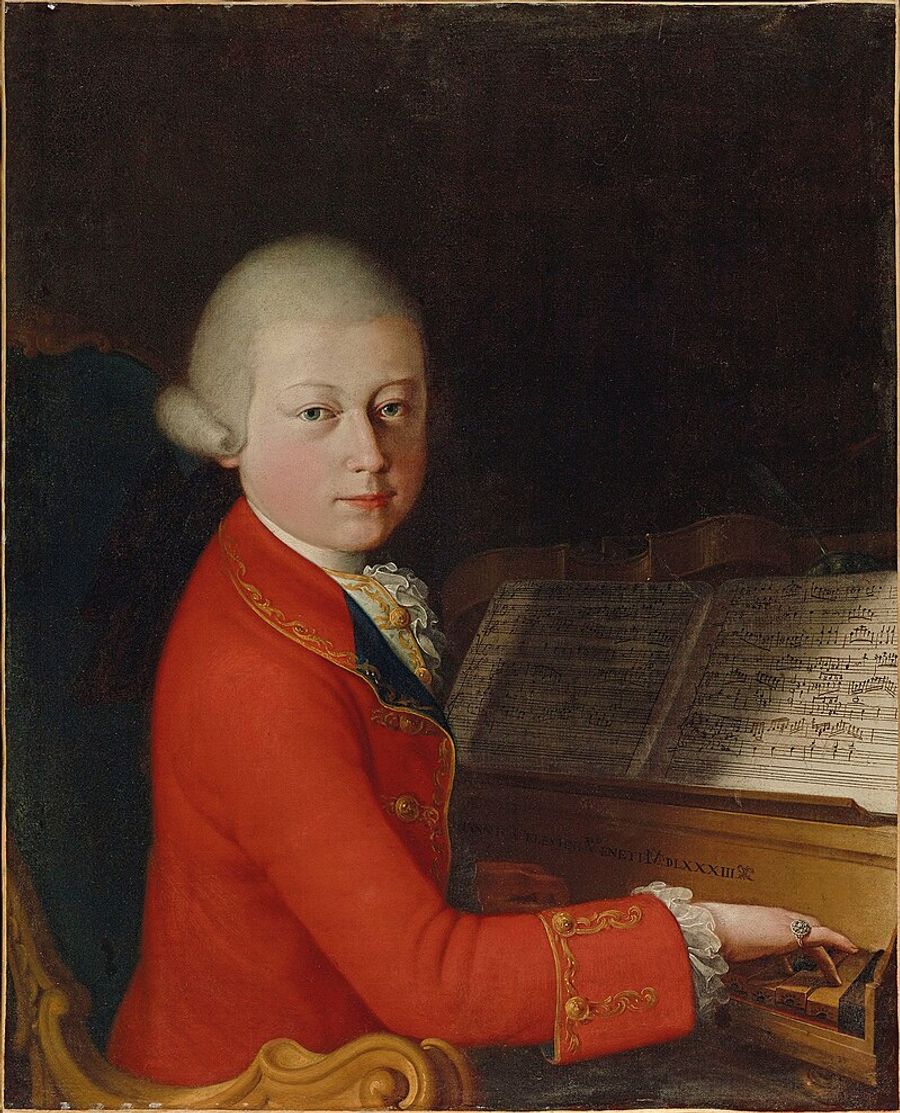
In 1771 Wolfgang Amadeus Mozart (1756–1791) was in Milan, aged 15, during a period dominated by Italian commissions and courtly festivities, including work connected with Ascanio in Alba, K. 111 [1]. The set now catalogued as Twelve variations on an instrumental movement in C for Clavier, K. 659, survives (Transmission: extant), yet the work is classified as of doubtful authenticity in modern reference cataloguing [1]. In other words, it is transmitted under Mozart’s name (the source title even calls him “Del Sigre Wolfg: Amade Mozart”), but scholarship treats the attribution with caution [1].
Musical Character
K. 659 is a theme-and-variations set for solo keyboard (clavier), in C major, built as “Thema” plus twelve variations [1]. Even without leaning on biography, the genre itself suggests its likely function: a clear harmonic and phrase framework repeatedly re-cast through changes of figuration, register, and texture—precisely the sort of inventive surface re-composition that made keyboard variation sets popular in the late 18th century [1]. If the piece does originate with the teenage Mozart in Milan, it would fit naturally beside his early facility for writing brilliant, audience-facing keyboard music while absorbing Italianate elegance and clarity of line.
Sources
[1] International Mozarteum Foundation (kv.mozarteum.at), work entry for K. 659 (status, key, dating, instrumentation, source title/description).