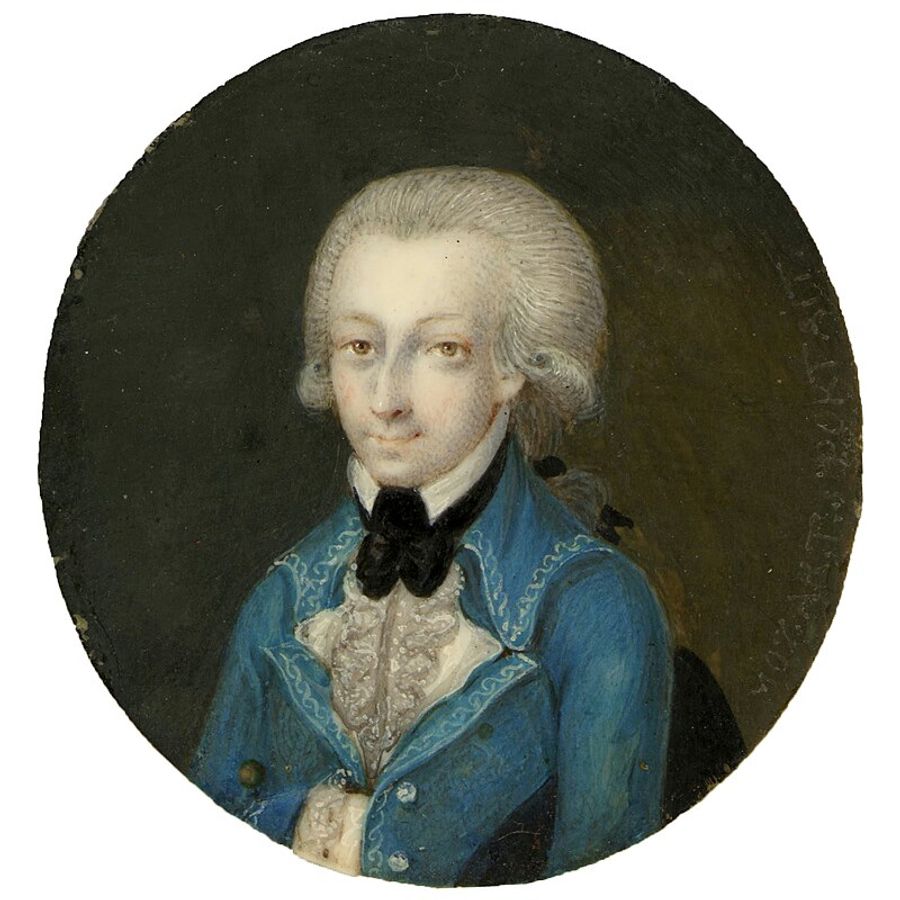
- Köchel Number
- K9 626a | K6
- Genre
- Piano Music
- Form
- Piano Pieces
- Key
- G Major
- Date
- 1776
- Place
- Salzburg
- Age
- 20
Mozart’s Modulating Prelude (K. 626a) is a short, practical keyboard piece associated in modern catalogues with his written cadenzas and lead-ins for the piano concertos, transmitted in sources connected with that repertory rather than with his Salzburg solo keyboard works of the mid-1770s.[1] Its exact musical text and original purpose are difficult to pin down with certainty, but it belongs to the same improvisatory world in which Mozart would move fluently between keys at the keyboard.[2]
Background and Context
In Salzburg in 1776, the 20-year-old Wolfgang Amadeus Mozart was employed at the court of Archbishop Colloredo and was writing steadily across genres—sacred music, serenades, and concertante works—while also maintaining an active life as a keyboard player.[3] The sources that preserve K. 626a, however, place it alongside cadenzas and Eingänge (lead-ins) for concertos, and early printed collections of “cadences” suggest that such materials circulated independently of the concertos themselves, as tools for performance.[1]
Musical Character
As a “modulating prelude,” K. 626a is best understood as functional keyboard writing: a brief improvisation-like span designed to pivot from one tonal area to another, helping a player link pieces smoothly or prepare a new key.[2] Where it survives in related contexts, this kind of writing typically favors clear, chord-led textures, scale or arpeggio figures, and decisive cadential gestures—materials that can be readily expanded in performance, but also notated compactly when needed.[4] In that sense, even a modest prelude in G major can be heard as part of Mozart’s broader craft at the keyboard: not only composing finished movements, but supplying the connective tissue that makes a public performance feel spontaneous and continuous.
Sources
[1] International Mozarteum Foundation (Köchel Verzeichnis): KV 626a overall entry (cadenzas, lead-ins, and related materials; early prints noted).
[2] Digital Mozart Edition (Mozarteum): New Mozart Edition X/28/2 (Keyboard Concertos and Cadenzas) – editorial/contextual information referencing KV 624 (626a) materials.
[3] Encyclopaedia Britannica: Mozart biography (context for Salzburg employment and activities in the mid-1770s).
[4] IMSLP: *Modulierendes Präludium* (F–e), K. 671 – a closely related “modulating prelude” type used to illustrate the genre’s keyboard character.