- Köchel Number
- K9 576a | K6
- Genre
- Piano Music
- Form
- Piano Pieces
- Key
- D Major
- Date
- 1789
- Place
- Vienna
- Age
- 33
Mozart’s Menuet for Piano in D major (K. 576a) is a brief, late-Viennese keyboard miniature, generally dated to around 1789, when the composer was 33. Though modest in scale, it distills the courtly minuet into a compact, pianistic paragraph whose clarity and poise sit comfortably alongside Mozart’s late keyboard style.
Background and Context
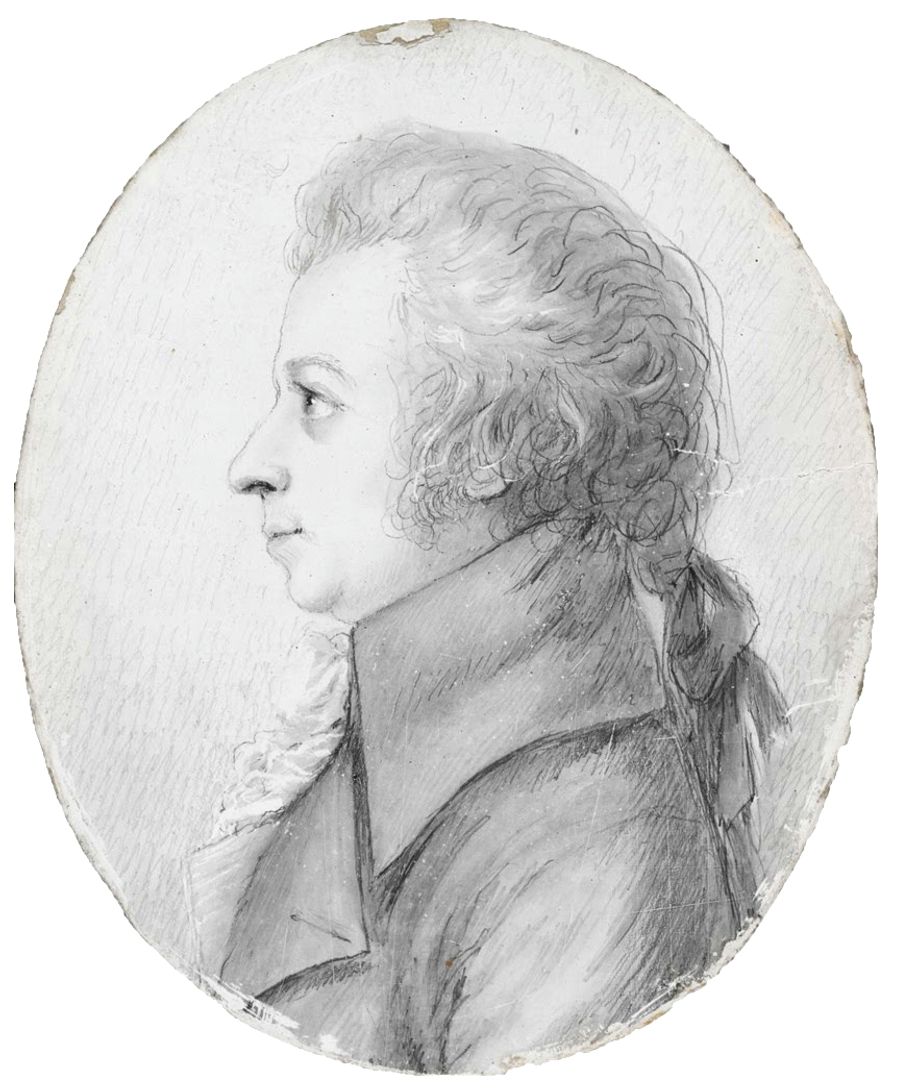
In 1789, Wolfgang Amadeus Mozart (1756–1791) was living in Vienna and, amid an increasingly precarious financial situation, continued to produce keyboard music alongside major chamber works and larger commissions.[1]) The Menuet for Piano in D major, K. 576a is typically placed in this Viennese late period, although specific documentation for the piece is scant in comparison with Mozart’s larger works from the same year.[2])
Musical Character
On the page, the piece presents itself as a straightforward minuet in D major—a genre associated with elegant triple meter and balanced four- and eight-bar phrasing—tailored to the keyboard’s capacity for clear melody-and-accompaniment textures.[2]) While its musical language is deliberately unpretentious, performances and editions often draw attention to small chromatic inflections within an otherwise diatonic setting, a typically Mozartean way of lending momentary shadow and rhetorical bite to a polite dance.[3]
Sources
[1] Overview of Mozart’s late D-major keyboard style and 1789 context (Piano Sonata No. 18 in D, K. 576).
[2] Score access and reference framing for the D-major keyboard minuet tradition associated with Mozart (IMSLP: Minuet in D major, K.355/576b).
[3] Brief performance/teaching note highlighting chromatic detail in Mozart’s Minuet in D, K. 355 (often linked in catalogues to later K-number variants).