Recitative and Aria for Soprano, “Basta, vincesti… Ah non lasciarmi, no” (K. 486a)
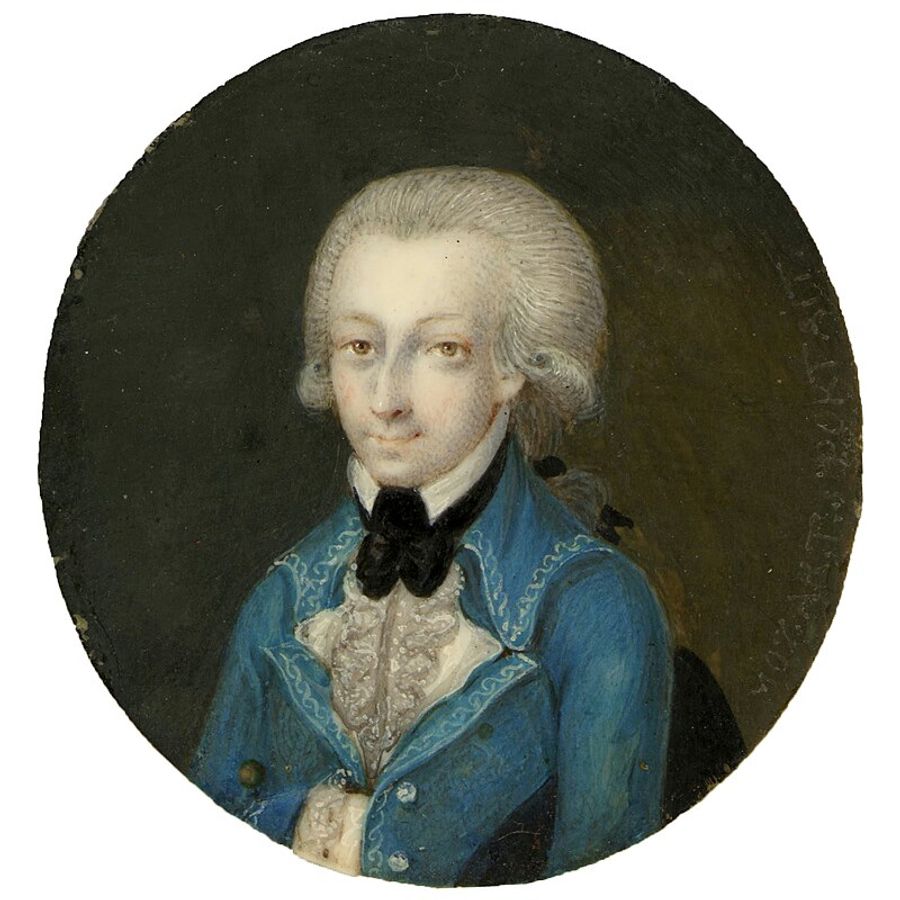
- Köchel Number
- K9 486a | K6 295a
- Genre
- Opera & Stage Music
- Form
- Arias, Scenes, Ensembles & Choirs
- Key
- E Flat Major
- Date
- 27 February 1778
- Place
- Mannheim
- Age
- 22
Mozart’s Recitative and Aria “Basta, vincesti… Ah non lasciarmi, no” (K. 486a), in E♭ major, dates from his Mannheim stay in 1778 and shows the 22-year-old composer shaping Italian opera into a self-contained concert scena. Though it survives independently of any complete Mozart opera, its dramatic profile—pleading, quicksilver, and vocally grateful—captures the expressive ambitions of his pre-Idomeneo years.
Background and Context
Mozart composed the scena “Basta, vincesti… Ah non lasciarmi, no” (K. 486a; also transmitted as K. 295a) in Mannheim in 1778, during the prolonged and artistically fertile journey he undertook with his mother. The text is drawn from Pietro Metastasio’s Didone abbandonata and presents Dido’s emotional crisis as Aeneas prepares to leave—material that had long circulated as a kind of operatic “set piece” for composers and singers alike.[2]
Although the work is often described as being written for the Mannheim soprano Dorothea Wendling, the surviving transmission does not, by itself, fix a premiere occasion; what can be said with confidence is that Mozart conceived it as a standalone dramatic scene for soprano and orchestra (rather than as a number embedded in a fully preserved Mozart stage work).[1][3]
Musical Character
The scoring is strikingly “Mannheim”: soprano with an orchestra including pairs of flutes and oboes, two horns in E♭, and strings—colors that allow Mozart to shift quickly from intimate entreaty to public, stage-like declamation.[1] The piece unfolds as an operatic scena in two linked spans: an opening recitative that intensifies the rhetoric (with orchestral participation rather than mere continuo-style neutrality), followed by an aria that sustains the character’s plea with longer melodic paragraphs and more regular phrase structure.[2]
Within this compact frame—about six to seven minutes in performance—Mozart writes for a soprano capable of both incisive diction and long-breathed lyricism, anticipating the more psychologically continuous vocal writing of Idomeneo (1781) without requiring the full apparatus of a theater.[1] In sum, K. 486a is best heard as a concentrated study in operatic persuasion: a single voice, sharply lit by winds and horns, attempting—unsuccessfully—to halt an irrevocable departure.
Sources
[1] IMSLP work page with basic catalog data and instrumentation details for K. 486a/295a (E♭ major; soprano and orchestra).
[2] Boston Baroque program note (Martin Pearlman) on the scena, including Mannheim context and Metastasio source (*Didone abbandonata*).
[3] The Mozartists (product/program text) giving Mannheim date and association with Dorothea Wendling; Metastasio text attribution.