- Köchel Number
- K9 315f | K6 315f
- Genre
- Concertos
- Form
- Concertos for Strings & Winds
- Key
- D Major
- Date
- November 1778
- Place
- Mannheim
- Age
- 21
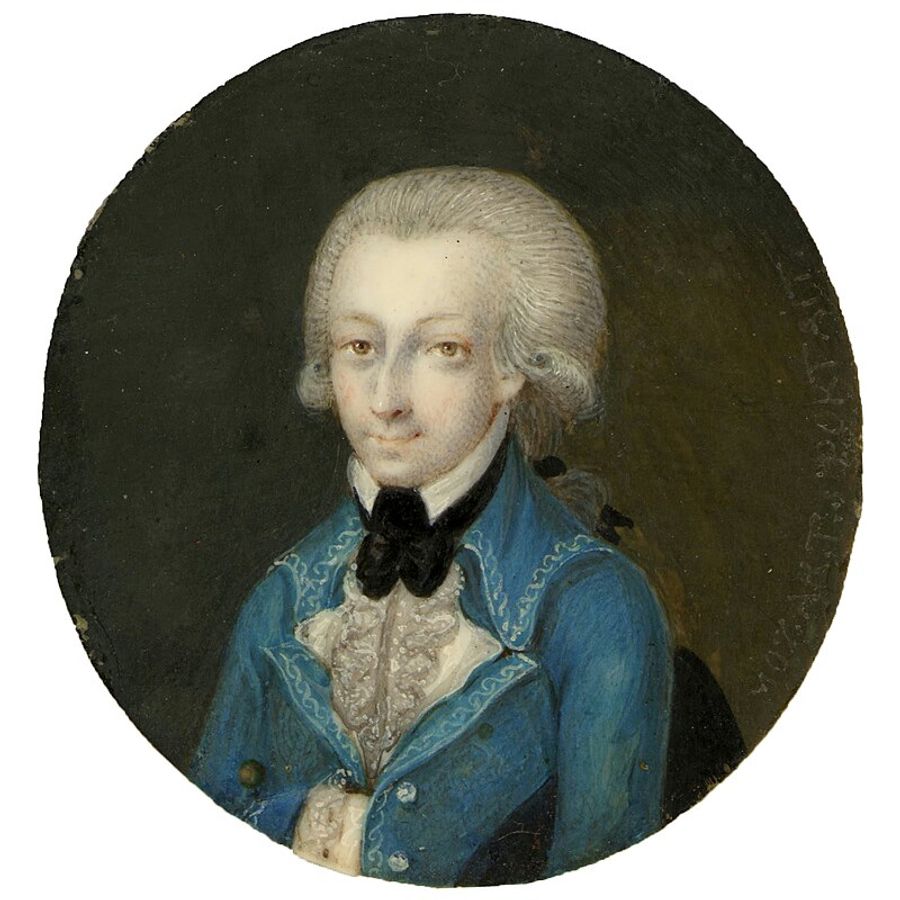
Mozart’s Concerto for Violin, Piano, and Orchestra (fragment), K. 315f, is an unfinished D major concertante score drafted in Mannheim in 1777/78, when the composer was 21. What survives is essentially the opening span of a projected first movement—enough to show Mozart thinking in “double-concerto” terms, but not enough to constitute a complete, performable work in his own hand.
Background and Context
Mozart drafted K. 315f during his Mannheim stay in the late 1770s, a period when he was absorbing the city’s celebrated orchestral style—brilliant wind writing, sharply profiled tuttis, and a theatrical sense of crescendo—while also seeking opportunities as a keyboard virtuoso. The fragment’s very premise (violin and keyboard as paired soloists) fits this Mannheim moment, where Mozart encountered first-rate orchestral players and the concertante fashion that would later yield works such as the Sinfonia concertante in E♭, K. 364. The autograph is preserved in Paris at the Bibliothèque nationale de France, underscoring that what we have is a primary-source survival rather than a later arrangement.[1]
Musical Character
Only a single movement survives, and only in part: Mozart wrote roughly the first 120 bars of what appears to be the opening movement, with full scoring only for the earlier portion (often given as the first 74 bars).[1] Even so, the manuscript suggests an “opulent” concerto opening in D major—ceremonial and public-facing—before the music turns toward soloistic dialogue.
The scoring implied by modern cataloging of the surviving material is notably festive for a Mannheim work in D:
- Winds: 2 flutes, 2 oboes
- Brass: 2 horns (in D), 2 trumpets (in D)
- Percussion: timpani
- Continuo/keyboard practice: cembalo (as listed in sources describing the fragment)
- Strings: standard orchestral strings
- Soloists: violin and piano/keyboard[2]
This combination places the fragment close, in sound-world at least, to Mozart’s bright D-major concerto rhetoric elsewhere: trumpets and timpani frame the opening with a celebratory sheen, while the paired soloists promise a more conversational, chamber-like interplay once the exposition properly gets underway. Because the score breaks off before later structural signposts (development, recapitulation, cadenza space) can be confirmed, it is safest to hear K. 315f as a glimpse of a first-movement plan rather than a fully traceable form.
Place in the Catalog
As a surviving Mannheim concerto-fragment for violin and keyboard, K. 315f sits among Mozart’s late-1770s experiments with multi-soloist concertante writing—an exploratory byway that helps bridge the Salzburg violin concertos of 1775 and the more integrated, symphonic-concerto thinking of his mature Viennese years.[2]