Prelude in C major, K. 300g (K. 395 / K. 284a)
by Wolfgang Amadeus Mozart
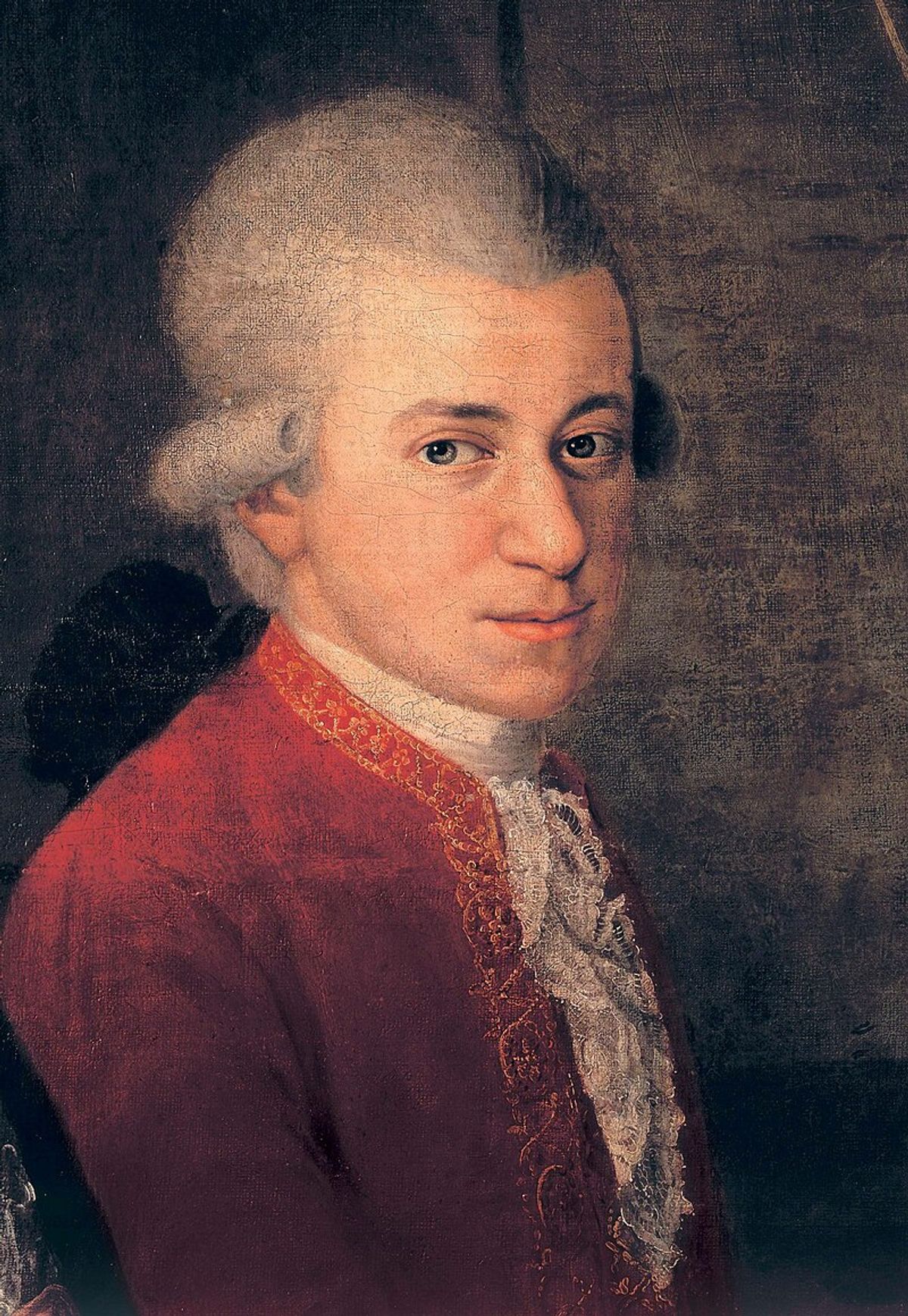
Mozart’s Prelude in C major (K. 300g) is a brief solo keyboard miniature from his early-adult years, most often encountered under the title Capriccio in C major, K. 395. Usually dated to around 1777–1778, it shows the 22-year-old composer thinking in improvisatory paragraphs—part prelude, part free fantasia—rather than in the balanced phrases of the mature Viennese sonatas.[1]
Background and Context
Mozart composed this C-major prelude-like piece when he was about 22, in the period of travel and professional uncertainty that surrounded his Mannheim and Paris journey (1777–78). While older catalog traditions circulated it simply as a Capriccio for keyboard (K. 395 = K. 300g), the surviving source situation points toward a connection with a small set of “preludes” (K. 284a) preserved in manuscript—evidence that the work belonged to Mozart’s practical, keyboard-at-hand world of extemporization and short teaching pieces rather than to a major public commission.[2]





As an Amazon Associate we earn from qualifying purchases.
Musical Character
On the page, the music behaves like an improvised prelude: rapid figurations and broken-chord writing unfold in clear C major, favoring bright, open sonorities and a forward-driving, quasi-Allegro momentum. Instead of developing a single theme in strict sonata-allegro form, Mozart proceeds by episodic contrasts—brief cadential landings followed by fresh bursts of passagework—so that the listener experiences the piece as a witty, spontaneous “thinking aloud” at the keyboard. The overall impression is compact brilliance: a short span that nonetheless hints at the freer fantasy manner Mozart would return to more ambitiously in later keyboard works.[1]
[1] IMSLP work page for *Capriccio in C major*, K. 395 (also catalogued as K. 300g): basic work data and access to score scans (incl. NMA and manuscript scans).
[2] The Morgan Library & Museum: manuscript record for “4 preludes for piano, K. 284a,” discussing identification history connecting K. 300g/395 with the K. 284a preludes (Christoph Wolff identification).