- Köchel Number
- K9 278 | K6 271e
- Genre
- Sacred Music
- Form
- Church Sonatas
- Key
- C Major
- Date
- March–April 1777
- Place
- Salzburg
- Age
- 21
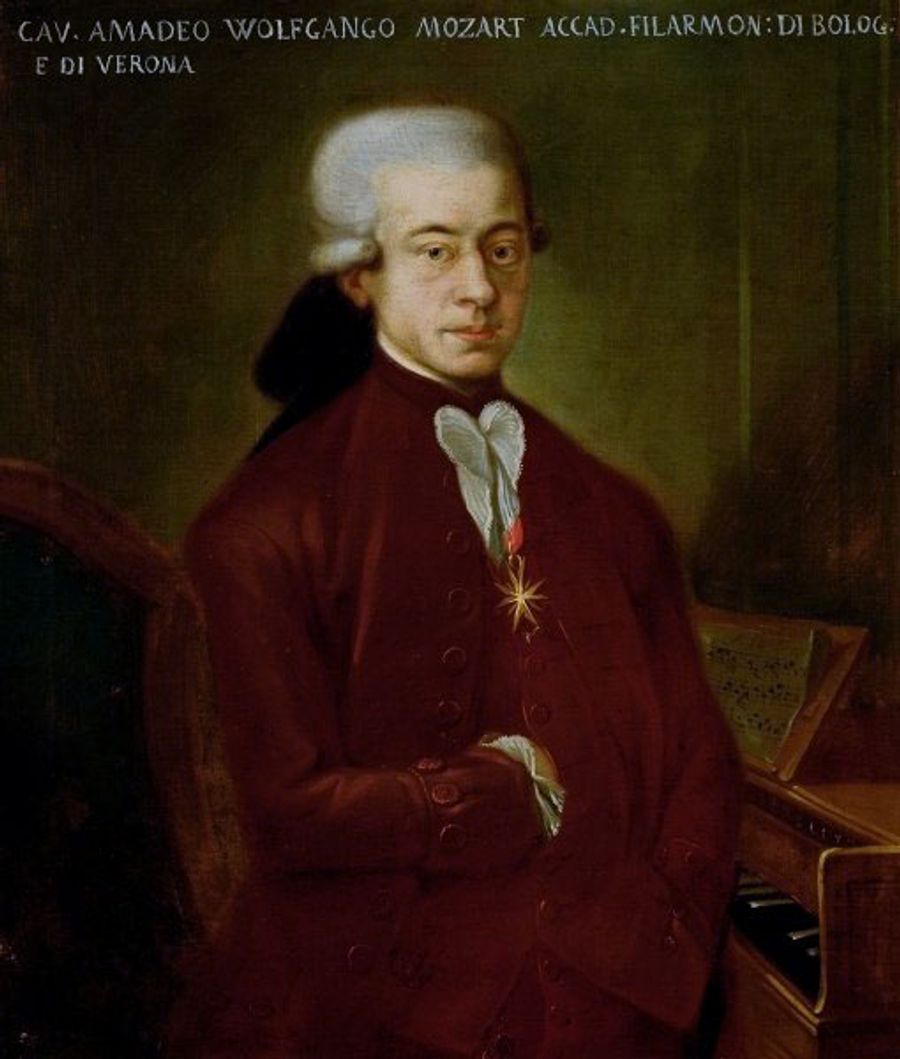
Mozart’s Church Sonata No. 14 in C major (K. 278, 1777) is a compact, single-movement “Epistle Sonata” written for Salzburg’s Mass liturgy, where an instrumental piece could be inserted between readings. Barely a few minutes long, it nevertheless shows Mozart (aged 21) thinking symphonically—bright C‑major ceremonial sonority, brisk sonata-allegro rhetoric, and a tellingly restrained role for the organ.
Background and Context
In 1770s Salzburg, instrumental music was not confined to courtly entertainment: it also had a defined, practical place inside the cathedral liturgy. Mozart’s so‑called Church Sonatas (often called “Epistle Sonatas”) were short orchestral movements intended to be performed during Mass, traditionally between the Epistle and the Gospel—music that could lend ceremonial weight without unduly prolonging the service [3] [2].
Mozart wrote seventeen such sonatas between 1772 and 1780 for Salzburg Cathedral [3]. Their “in‑between” function shaped everything about them: they are concise, usually fast, and typically cast as a single movement that can deliver the kinetic logic of a symphonic first movement in miniature. K. 278 belongs to this tradition but also points beyond it, since its scoring brings a festive, public tone into a genre often associated with leaner forces.
Composition and Liturgical Function
Church Sonata No. 14 is dated to March or April 1777 and was composed in Salzburg, when Mozart was 21 [1]. Like the other Salzburg church sonatas, it was designed for liturgical insertion rather than concert presentation—functional music, but of a highly cultivated kind.
Instrumentation is unusually expansive for the set. The work calls for:
- Winds: 2 oboes
- Brass: 2 trumpets
- Percussion: timpani
- Strings: 2 violins, cello (with bass line)
- Keyboard/continuo: organ
This “festival” palette is explicitly associated with K. 278 in modern catalogue summaries [1] and in overviews of the complete church-sonata series [3]. For listeners, it helps explain why K. 278 can sound, at first encounter, less like background liturgical filler and more like a compact ceremonial overture.
Musical Structure
K. 278 is a single movement, marked Allegro [3]. In broad outline it behaves like a compressed sonata-allegro design (exposition, development, recapitulation): a quick establishment of C major and “public” thematic profile, a short modulatory middle, and a brisk return that tightens the argument rather than expanding it.
Two features make the sonata especially worth hearing on its own terms.
First, the scoring (oboes, trumpets, timpani) gives the piece a liturgical “high day” brightness: trumpets and drums in C major instantly evoke Salzburg’s festive church style, familiar from Mozart’s ceremonial masses and cathedral occasions. Second, despite the headline “organ sonata” label used in modern editions, the organ here largely supports and binds the texture as continuo rather than stepping forward as a soloist—an approach consistent with the church sonata’s role as a brief, reliable liturgical insert, not an improvised organ concerto [2].
The result is music that feels symphonic in gesture but disciplined by function: strong opening impulses, clear cadential punctuation (useful in a reverberant cathedral), and a sense of forward motion that can carry the congregation’s attention without competing with the spoken and sung liturgy.
Reception and Legacy
Because church sonatas were tied to a specific local custom, their afterlife was always vulnerable. Even within Mozart’s lifetime, Salzburg’s changing liturgical policies contributed to the genre’s decline; later practice favored vocal items (motets or hymns) where purely instrumental inserts had once been acceptable [3].
Yet K. 278 persists in modern performance for good reasons. It is short, brilliant, and adaptable: it can function as a liturgical prelude/interlude today, but it also works neatly as a concert curtain-raiser—especially alongside a Salzburg mass or a bright C‑major orchestral work. In miniature, it shows Mozart’s characteristic gift for turning constraints into clarity: a practical three-to-four-minute cathedral insert that nonetheless speaks with the confident, festive voice of a composer already thinking in large forms.
Sources
[1] IMSLP work page: Church Sonata No. 14 in C major, K. 278/271e — date (March/April 1777), key, and instrumentation summary.
[2] Digital Mozart Edition (Mozarteum): Neue Mozart-Ausgabe preface (English PDF) for *Sonatas for Organ and Orchestra* (series context and liturgical placement).
[3] Wikipedia overview: Mozart’s Church Sonatas — series dates, liturgical role (Epistle sonatas), and entry for K. 278 with scoring and tempo.