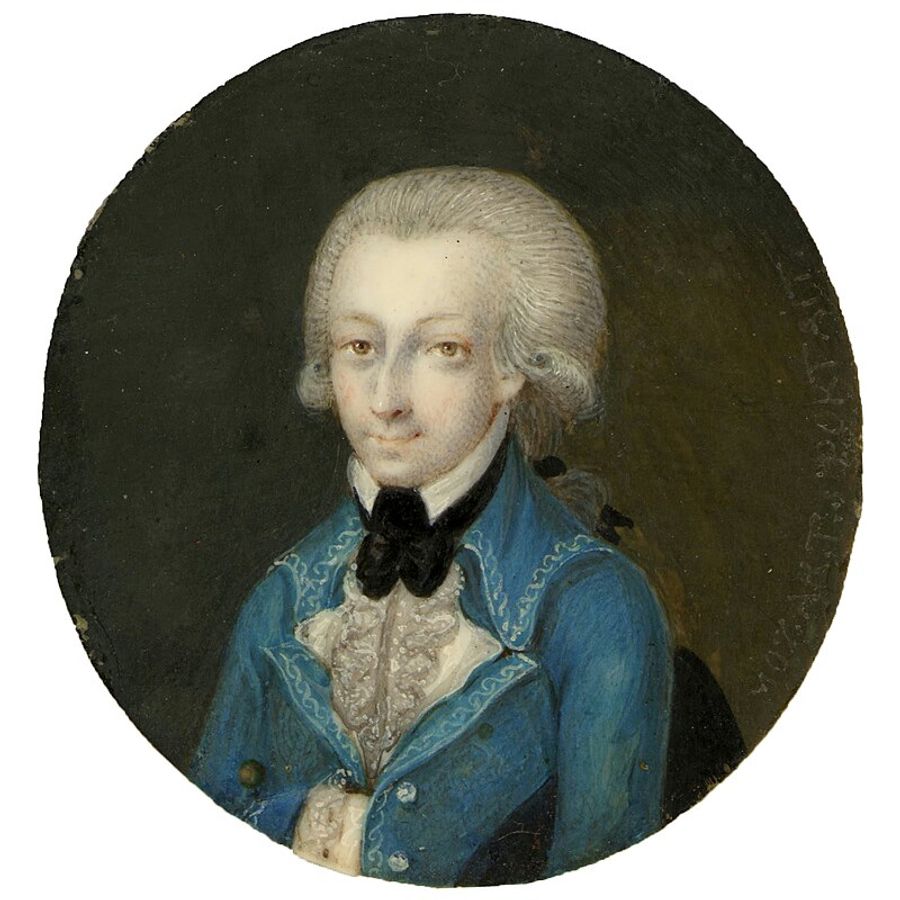
- Köchel Number
- K9 209a | K6 209a
- Genre
- Opera & Stage Music
- Form
- Arias, Scenes, Ensembles & Choirs
- Key
- D Major
- Date
- 1775
- Place
- Salzburg
- Age
- 19
Mozart’s “Un dente guasto e gelato” (K. 209a) is a fragmentary Italian aria for bass in D major, written in Salzburg in 1775, when the composer was 19. Only partial musical material survives, yet the sketch offers a vivid glimpse of Mozart’s early stage style and his feel for comic characterization in miniature.[1]
Background and Context
In 1775 Wolfgang Amadeus Mozart (1756–1791) was employed at the Salzburg court and was steadily honing the craft of vocal writing alongside his instrumental work. “Un dente guasto e gelato” (K. 209a) appears to belong to that practical, occasional world: an Italian comic aria text set for a bass voice, preserved only as an incomplete score fragment.[1][2]
The surviving source is described in the Digital Mozart Edition’s critical report as an autograph score fragment (i.e., in Mozart’s own hand), apparently from private ownership; the fragment’s layout indicates a small accompanying group rather than a full theatre orchestra.[2]
Musical Character
What remains suggests a deliberately pointed sound-world: bass soloist with a lightly colored ensemble.
- Voice: bass[1]
- Instruments (as indicated by the surviving score fragment):
- Winds/Brass: horn (in D) - Strings: violin - Continuo: basso (bass line/continuo)
This scoring—bass line plus a single melodic string and a horn part—fits an intimate, comic-intermezzo manner, where timbre can underline the text with quick strokes rather than sustained operatic breadth. Even in fragmentary form, K. 209a shows Mozart experimenting with how a bass character can be etched through register, articulation, and instrumental color—skills that would become central to his mature operatic writing in the following decade.[1][2]