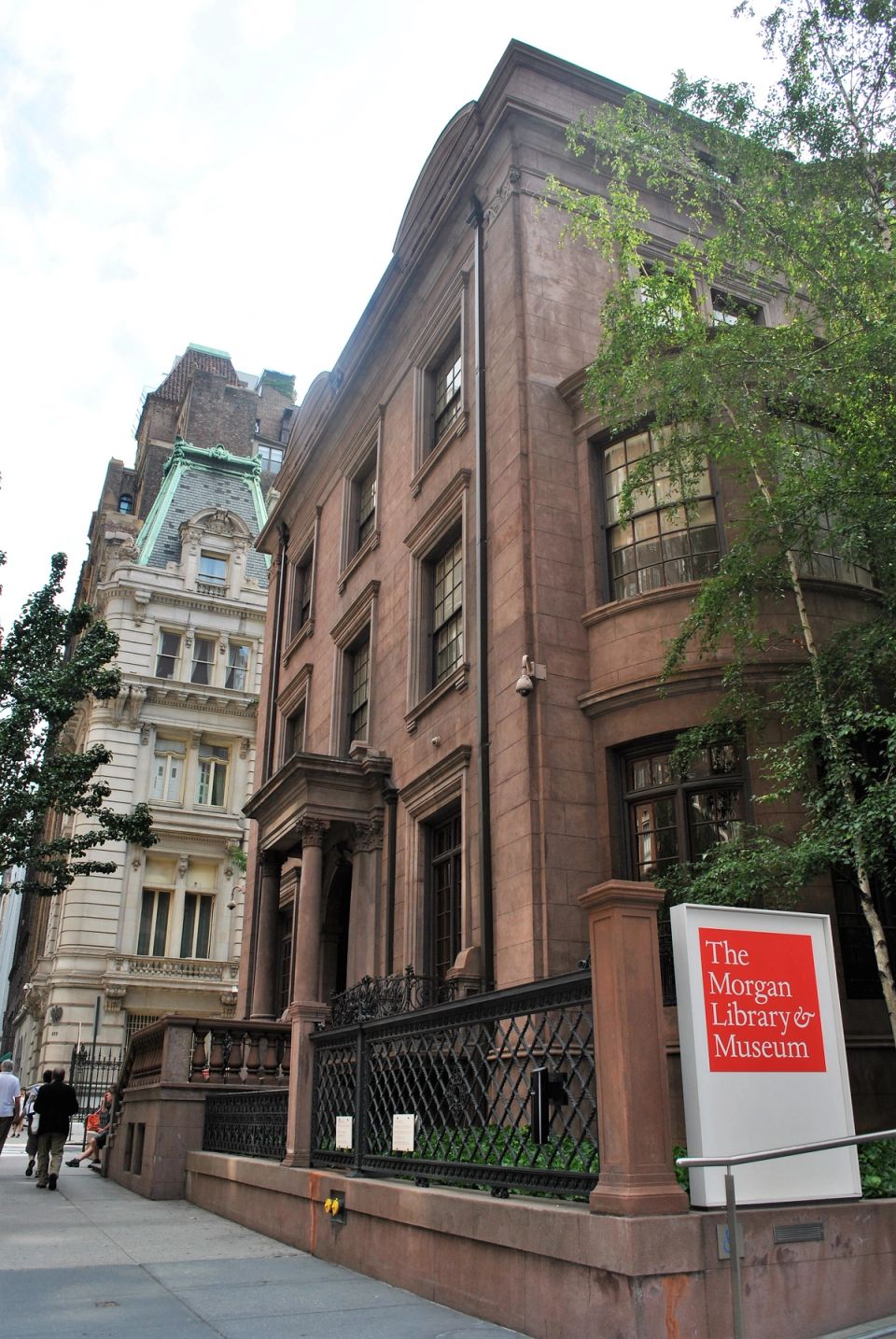
The Morgan Library’s 2026 Mozart exhibition unites Salzburg loans and New York manuscripts, putting the instruments and scores that shaped Mozart directly before visitors.
The Morgan Library & Museum has opened Wolfgang Amadeus Mozart: Treasures from the Mozarteum Foundation of Salzburg in New York City, running from 13 March to 31 May 2026 and centring the very instruments and manuscripts that framed Mozart’s working life. The Morgan Library & Museum presents the show in partnership with the Mozarteum Foundation, positioning it as a landmark transatlantic loan of Salzburg material. New York Social Diary underscores its scale as a “landmark exhibition.”
At the heart of the exhibition are Mozart’s own Costa violin and his clavichord, crossing the Atlantic for the first time alongside portraits, letters and household objects from Salzburg. The Morgan Library & Museum notes that these personal artifacts are joined by autograph scores from its own holdings, including major symphonic, concerto, and operatic manuscripts. For Mozart performance practice, the chance to see the Costa violin beside early violin sonatas and opera arias is unusually concrete evidence of how one physical instrument channelled both domestic music-making and public virtuosity.
The curatorial team, led by Robinson McClellan, the Morgan’s Mary Flagler Cary Curator of Music Manuscripts and Printed Music, works in collaboration with Mozarteum scholars Armin Brinzing and Linus Klumpner, among others, to frame Mozart’s life in two domestic “chapters”: the Salzburg household with Leopold and Nannerl, and the later Vienna years with Constanze. The Morgan Library & Museum emphasizes that the exhibition tracks not only creative output but also the family’s deliberate posthumous myth-making as Nannerl and Constanze shaped the archives that became today’s Mozarteum.
For visitors used to encountering Mozart through facsimiles or modern instruments, the Morgan adds a crucial aural dimension with related concerts, including a sold‑out program where Sonnambula plays chamber works on the Costa violin itself. Attendees at these events are explicitly invited to move between gallery and hall, collapsing the distance between archival object and sounding artifact.
For New York‑based Mozartians, the message is clear: this is a once‑in‑a‑generation convergence of Salzburg’s archival core with one of America’s most important Mozart manuscript collections. With the show confirmed to close on 31 May 2026, the window for first‑hand study and listening is short, and unlikely to be repeated soon.